

Sign up here to subscribe to the Grower2grower Ezine. Every two weeks you will receive new articles, specific to the protected cropping industry, informing you of industry news and events straight to your inbox.
3
Dec 2018
Dec 2018
Nutrition

Revisited For Early Summer 2018-19
In addition to the recent articles on irrigation, I feel it is important to emphasise the role of fertilizer. Nutrition is an important aspect of growing. Using the correct fertilizer recipe is important to make sure you are maximising the plant’s production.
Raw water analysis is different from property to property. Before a fertilizer recipe is created your nutritional advisor should have a copy of your water analysis, whether it is bore water or pond. If you have both do a separate analysis for each. If you blend both bore and pond water, estimate the percentage you use of each.
Once you have a recipe for your property talk to your local fertilizer supplier about the different brands available. So what should you look for when making your choice? If you purchase fertilizer based on a price per bag you will need to check the product formulation and nutrient analysis. If I take Calcium Nitrate as an example; some tetra hydrate formulations contain 16.5-16.9% Ca while di hydrate formulations can be as high 19% Ca, this means that the difference is approximately 1.8 Ca which equates to greater than 10% difference. These variances will affect the amount of fertilizer you need to add to your tank. Remember it’s all about the nutrient content in your solution, not the amount of fertilizer you add.
The high water content in tetra hydrates is not as hard bound as the di hydrates. Therefore, the physical properties may not be as good, which can lead to a higher tendency to cake or melt under high temperatures.
Recycling:
When recycling, what percentage of recycled runoff water do you blend with fresh water and fresh fertilizer? Whatever the percentage, this will require you to conduct additional water analysis of what you are irrigating the plants with and what is coming out of the bags and into your runoff holding tanks. There will be a higher EC value in your runoff but what exact percentage of fertilizer elements are left in that runoff are unknown. The water analysis will then give your nutritional expert the best chance to get your fertiliser recipe’s accurate in relation with what your plants nutritional requirement is.
Please consult with your local nutritional expert to ensure you are using the correct recipes to maximise plant health and production.

I appreciate your comments. Please feel free to comment below or on the grower2grower Facebook page:
https://www.facebook.com/StefanGrower2grower/
Article supplied by Stefan Vogrincic, Consultant, Grower2Grower
CLASSIFIED











Subscribe to our E-Zine
More
From This Category
February 23, 2026
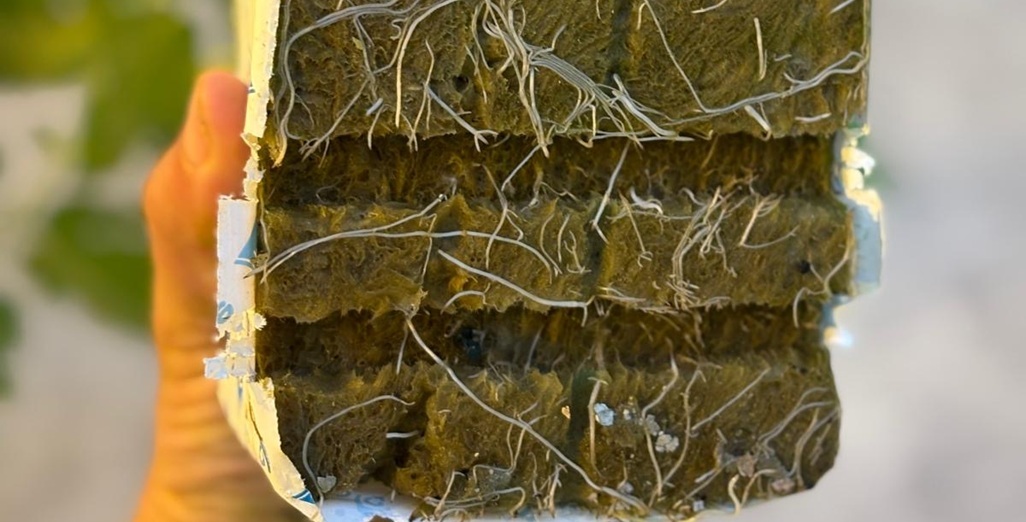
Dissolved Oxygen – The Hidden Driver of Root Performance in Greenhouse Crops
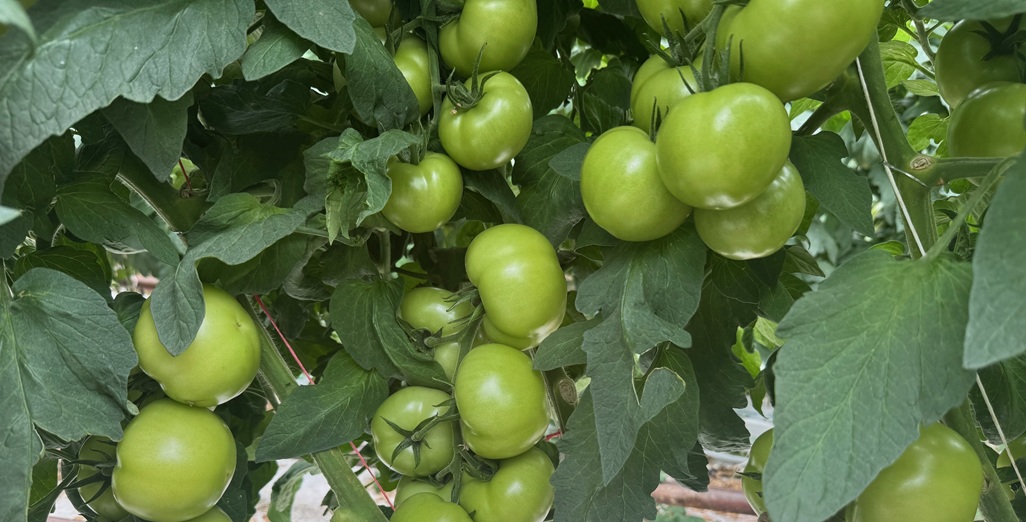
In high-tech greenhouse tomato and cucumber production, we carefully monitor EC, pH, radiation sums and irrigation strategy. However, one parameter that is often overlooked — yet can significantly influence plant performance — is dissolved oxygen (DO) in the nutrient solution.
February 10, 2026
Day-Length Decreasing = Time to Adjust Your Water Content
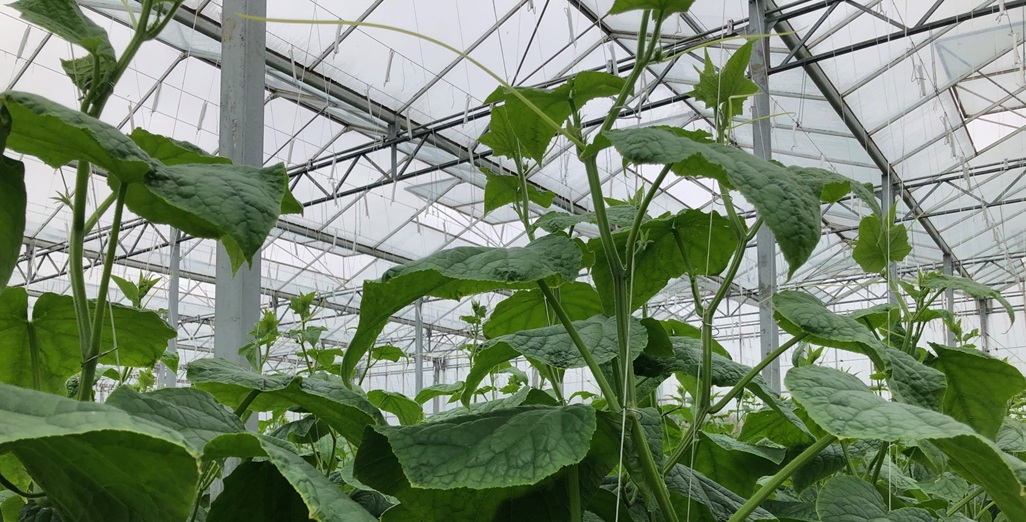
Amid the usual distractions of modern growing life, it’s easy to forget that Autumn 2026 is just around the corner. As day length shortens, now is the critical moment to review and adjust your irrigation strategy. Unlike previous years that brought prolonged dry spells or extreme heat, this year’s weather has been variable. Across the country, many regions are already seeing heavy rainfall and several cloudy days in a row. While this is great for replenishing water reservoirs, it also creates challenges once the sun returns: crops may wilt, and the temptation to overwater is high. My advice: keep substrate water content and EC close to pre-cloudy levels.
August 12, 2025
The Rise of Plant-Driven Irrigation
What if plants could tell us exactly when and how much water they need?
July 1, 2025
The BBRO Tackles Drought Risk in Sugar Beet Production
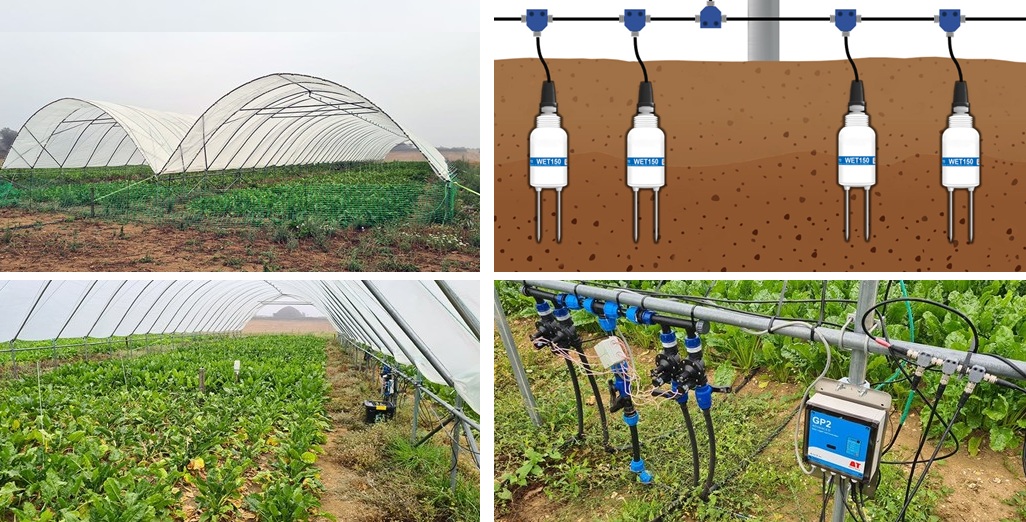
Delta-T Devices is providing WET150 multi-parameter soil sensors and GP2 advanced data loggers and controllers to the British Beet Research Organisation (BBRO) for use in important drought and water deficit research projects.
July 1, 2025
Botrytis Alert: Key Strategies to Minimize Losses
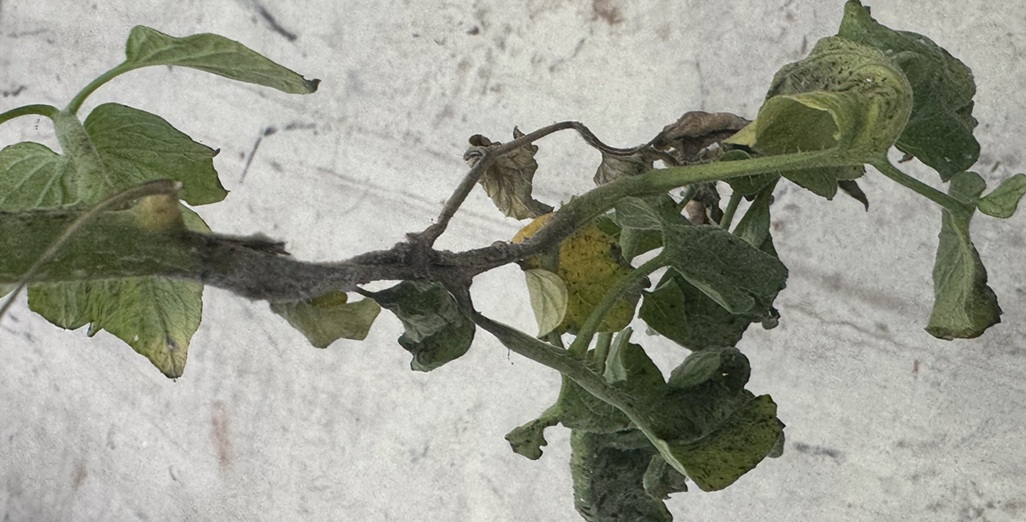
Following Blight, Botrytis now becomes the main threat — act early to avoid compounding issues. Energy costs are currently a major burden for greenhouse growers. As a result, many are forced to make difficult decisions about how much energy to invest in climate control........
January 14, 2025
(Best of 2024) Fleecegrow turning wool into substrates a reality
Sheep’s wool could be a solution for both the sustainability and supply challenges for indoor growers and nurseries.
CLASSIFIED