

Sign up here to subscribe to the Grower2grower Ezine. Every two weeks you will receive new articles, specific to the protected cropping industry, informing you of industry news and events straight to your inbox.
9
Apr 2019
Apr 2019
Grower Field Day and Workshop
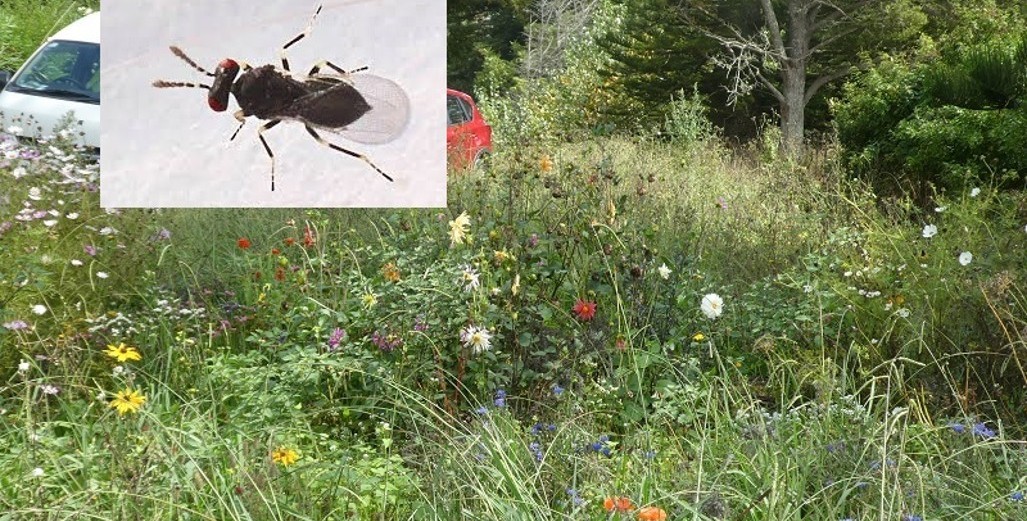
“Growers are some of the best scientists”
On Wednesday 20th March a Grower Field Day was held at Anthony and Angela Tringham’s (The Curious Croppers) greenhouse property in Clevedon, South Auckland. The field day provided an update and summary of two separate projects undertaken, to date, one by the Sustainable Farming Fund (SFF) “Tamarixia release and monitoring” project that is being conducted by PFR and managed by the VR&I board. Its project team and industry co-funding comes from Tomatoes NZ, Vegetables, Potatoes NZ, tamarillos and Watties for processed tomato growers. It is not specific to indoor crops – it is more focused on developing a colony, and looking at how to establish Tamarixia outdoors. It developed from the application to EPA to import Tamarixia, which was funded by those same groups (except SFF) and approved in June 2016. . The second project is with the Bio-protection Centre at Lincoln. It is co-funded with an AGMARDT grant, TomatoesNZ and Vegetables NZ. It is looking specifically at biocontrol agents for greenhouse use. So far it has focused on the Tamarixia and shelter plant (buckwheat) work. The field day took place at the Tringham’s as small numbers of Tamarixia were released near their property last year.
There was a very informative presentation from Dr Shola Olaniya of Lincoln University. Dr Olaniya has been closely involved with Tamarixia triozae scientific trials over the past few years. He presented some of his initial findings from several trials. He was very keen to engage with growers and said that “Growers are some of the best Scientists”. This cooperation is essential if growers are serious about finding natural biological solutions to controlling pests, such as TPP, and even possibly changing farming systems.
If you wish to read more click on the following links:
https://www.tomatoesnz.co.nz/hot-topics/biocontrol-research/
Https://potatoesnz.co.nz/mdocs-posts/tamarixia-triozae_survey-guide/
As part of the afternoon we were invited on a tour of Anthony and Angela’s property. One thing I was intrigued with during our walk of the property was the lack of pest insects in the surrounding flowers, grass and weeds. Anthony and Angela are using their unique location, which is surrounded by grazing agriculture rather than intensive outdoor horticulture, to let their vegetation grow naturally. The intention behind this is to create a bio diverse environment where “good bugs” can thrive.
Now I am no scientist, but I am not blind either. What I observed, amongst the naturally growing canopy, were several flower species, long grass, weeds such as nightshade including tomato plants, which actually had lovely fruit on them. Keeping in mind we have had a very warm summer perfect for insect pests, so why couldn’t I find any. On all of the “wild” tomato plants I overturned I could not even see one whitefly or one whitefly egg.
My advice is still for growers keep grass low and vegetation in close proximity to a greenhouse to a minimum, but if the correct balance of natural vegetation is planted that creates a thriving habitat for good insects, then I see no reason why this type of IPM would not add extra protection from unwanted pests entering greenhouses. Not all, but a certain percentage of TPP carry a bacterial pathogen Candidatus Liberibacter solanacearum (Lso), and for greenhouse growers who have species which can be infected by this bacterial pathogen, there is rightfully a zero tolerance for TPP. The hardest thing with TPP is that growers don’t often see them because of the current insect control methods. However, we still see Candidatus infected plants. The TPP could fly in or be blown in via vents, and as only one grower in NZ has insect screening small enough to stop TPP entering its greenhouse to my knowledge, then I suggest we seriously talk about exploring these other options. Creating a natural vegetation barrier could be an option to preventing TPP populations growing in your immediate surroundings. Understanding how TPP travel and migrate is important along with growing vegetation that TPP predators thrive and survive in. Its food for thought.
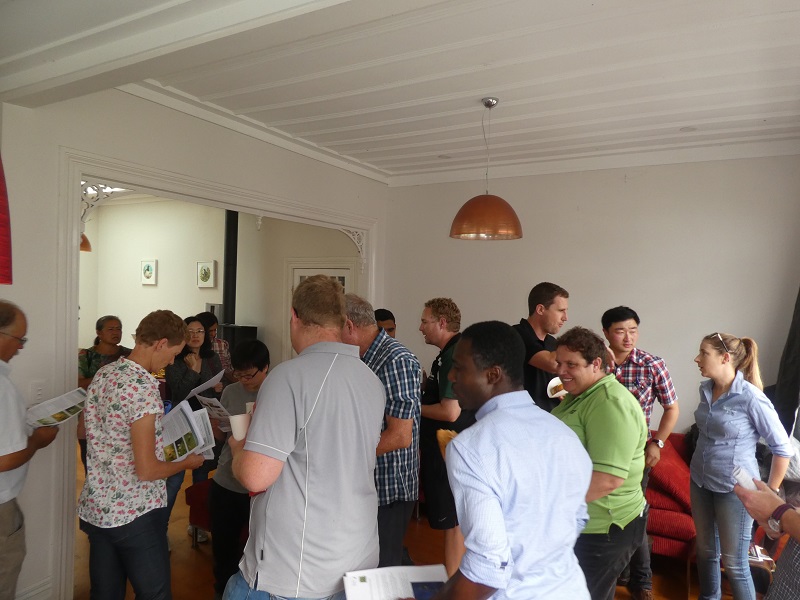
There was a large turnout which indicates this is a seriously interesting issue for growers. Together with industry partners I am sure we would all like to keep working for improved outcomes regarding supressing the negative impacts of TPP.
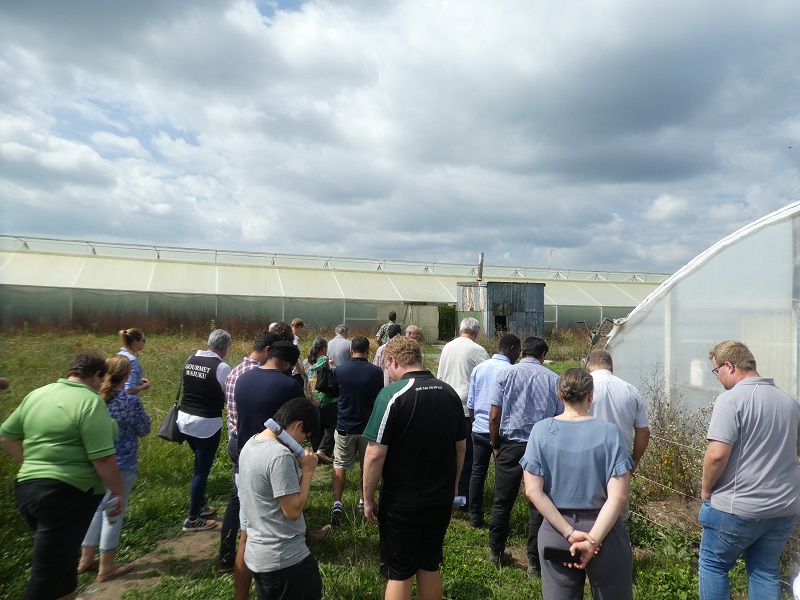
Many thanks to Angela and Anthony for opening up their home and hosting the Grower Field Day including a lovely spread for lunch. Special mention to TomatoesNZ and Vegetables NZ for assisting in the organising of the event.
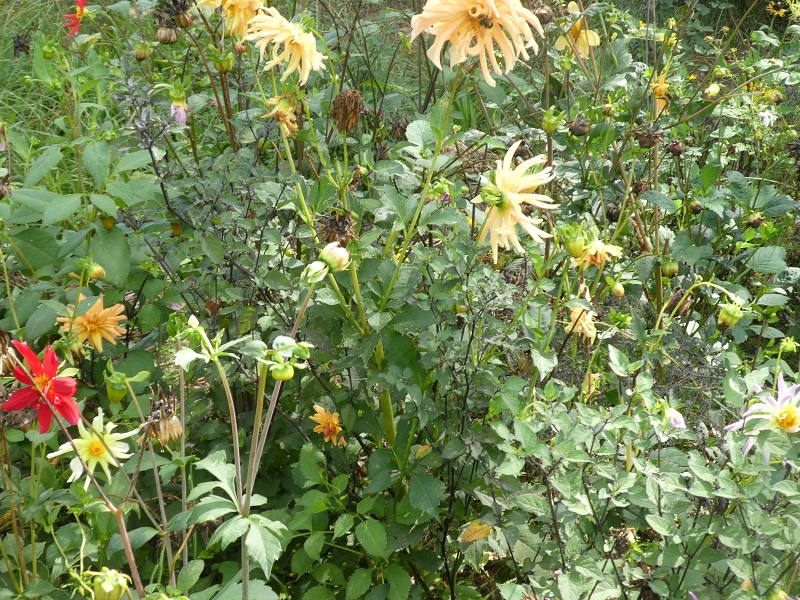
Outside were wonderful colourful patches of flowers including weeds. No insect pests detected.
I appreciate your comments. Please feel free to comment below or on the grower2grower Facebook page:
https://www.facebook.com/StefanGrower2grower/
Article Written by Stefan Vogrincic, Consultant, Grower2Grower
Article Edited by Marie Vogrincic, Editor, Grower2Grower
CLASSIFIED












Subscribe to our E-Zine
More
From This Category
April 20, 2026
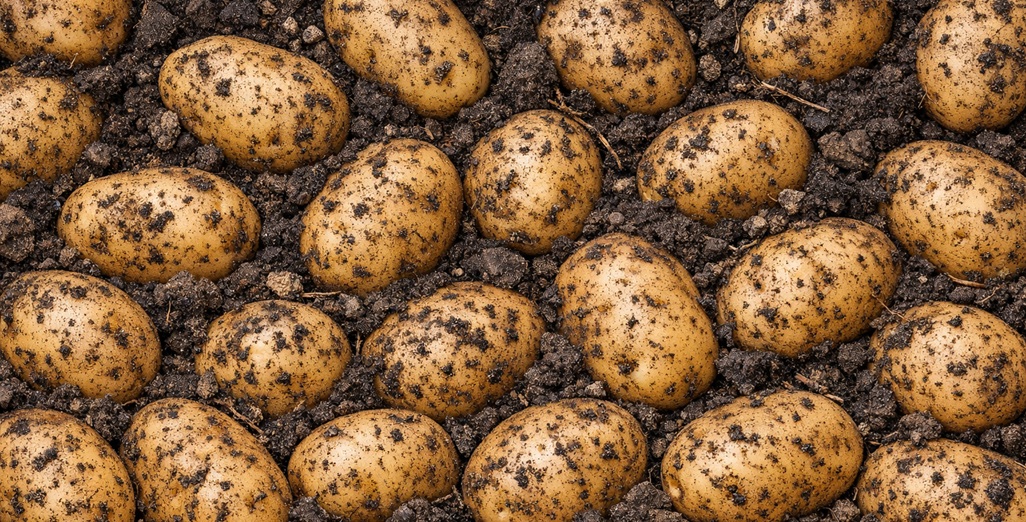
The Environmental Protection Authority (EPA) has approved a new fungicide seed treatment to control disease on potatoes.
The New Zealand potato industry is valued at approximately $1 billion annually, according to Potatoes New Zealand.
April 20, 2026
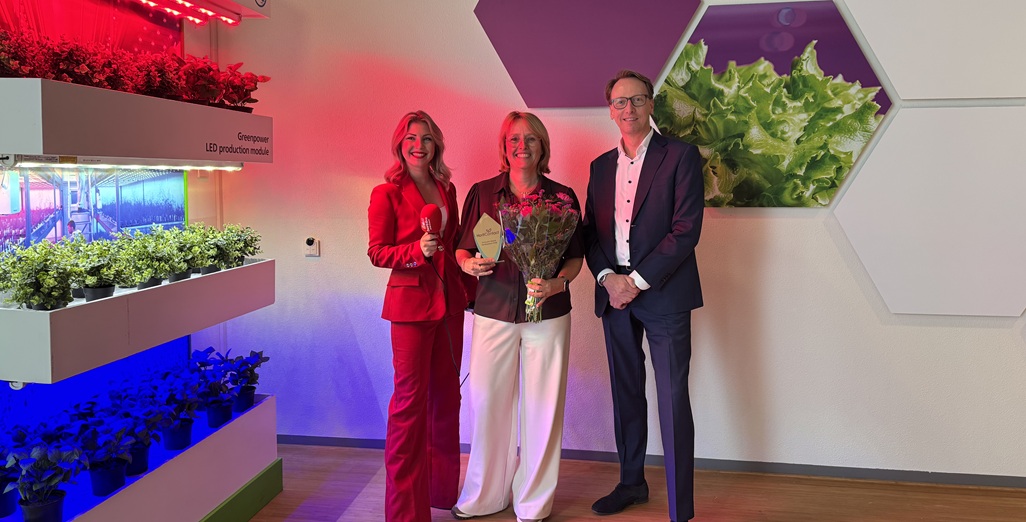
Signify wins HortiContact Innovation Award for Philips intelligent horticulture lighting solutions
“We are incredibly proud of this recognition”
April 7, 2026
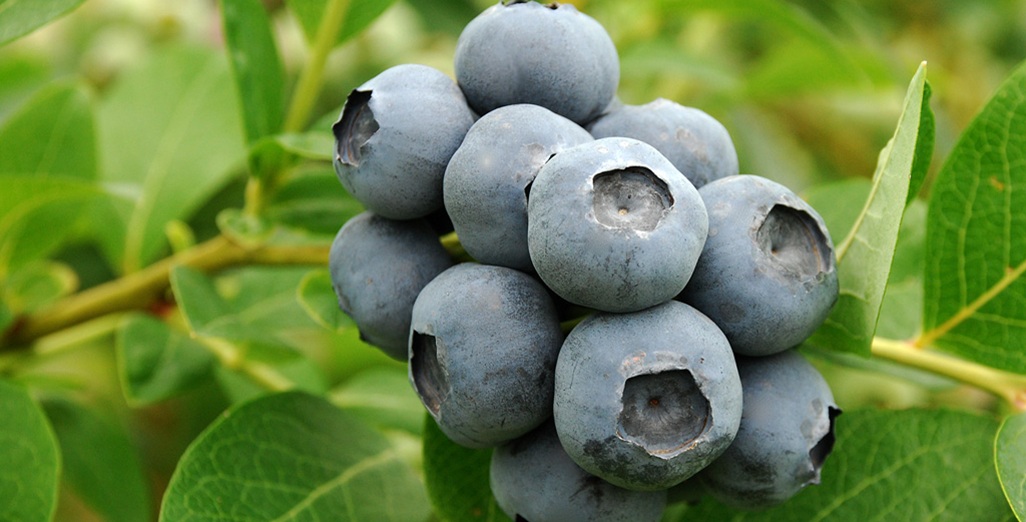
Proposed import requirements for fresh blueberries (Vaccinium spp.) for human consumption
Make your submission
March 23, 2026
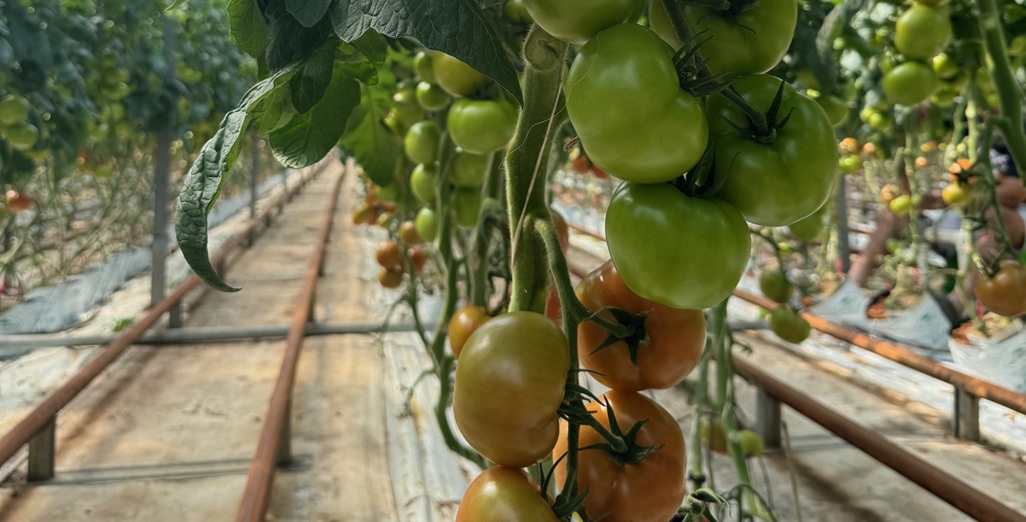
The Environmental Protection Authority (EPA) maintained the upward trend for hazardous substances decisions in the second quarter of the 2025-26 year.
Dr Lauren Fleury, Manager Hazardous Substances Applications, says the EPA continues to use rapid assessment pathways where possible. Of the 16 approved applications in the second quarter, 13 were decided by rapid assessment.
March 23, 2026
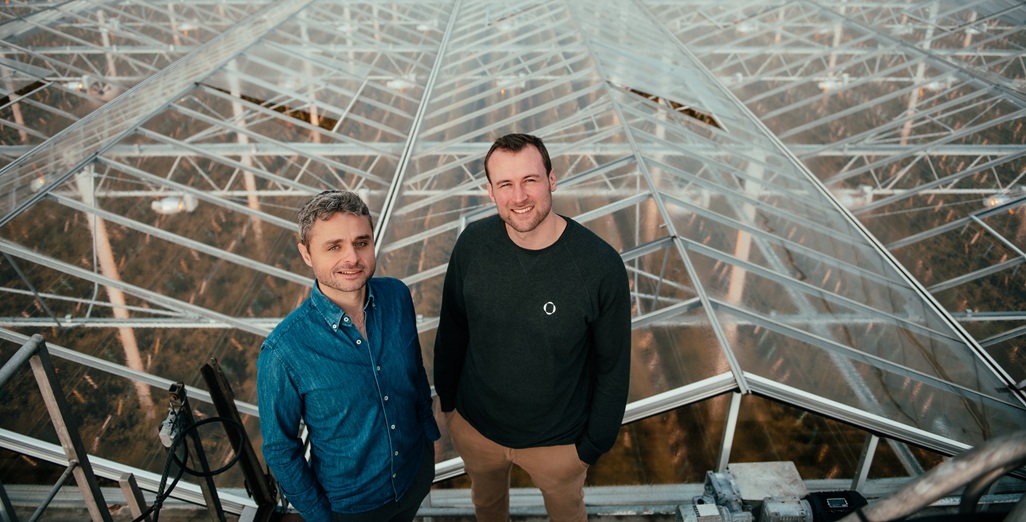
Source Advances Harvest Forecasting for Tomatoes with Next Generation AI Model
Fundamental changes to how the model learns and handles grower input mean significantly less manual work and meaningfully better accuracy.
March 10, 2026
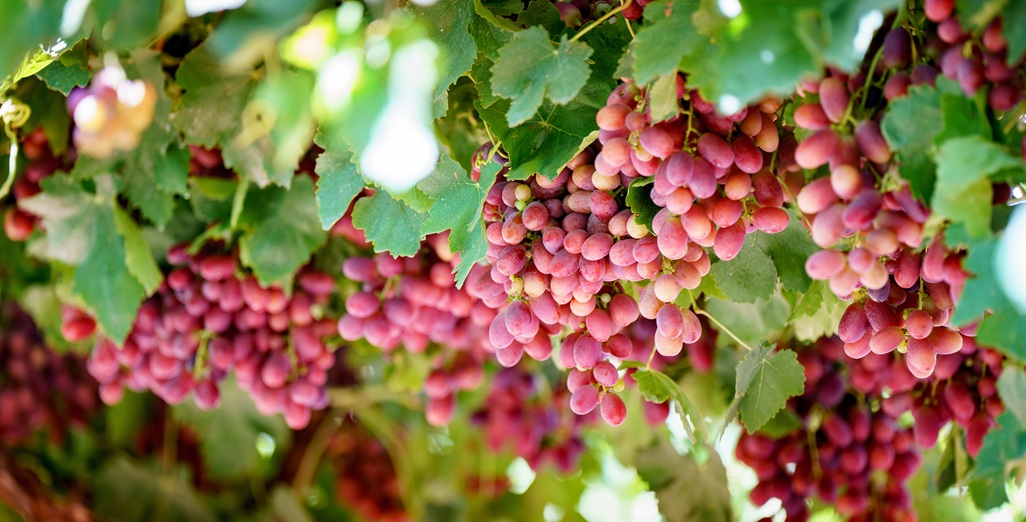
Australia’s horticulture sector has delivered a year of record‑breaking performance
Highest production value to date of $18.4 billion, up 6% on the previous year.
CLASSIFIED