
Sign up here to subscribe to the Grower2grower Ezine. Every two weeks you will receive new articles, specific to the protected cropping industry, informing you of industry news and events straight to your inbox.
2
Dec 2019
Dec 2019
Lowering EC using your ramp

Aid efficient uptake of water and nutrient
We have been treated with the most amazing weather conditions for the best part of November. I have witnessed the stress, this has placed, on several cucumber plantings. Mature tomato plantings may also find this weather challenging to maintain fruit quality/setting.
Maintaining EC (electrical conductivity or CF conductivity factor) control is important for fruit quality. If EC is too high, it is harder for plants to uptake their refreshment, which is great for generative growth but not so good for maintaining fruit quality (example, Blossom End Rot, BER in tomatoes). If EC is too low it is good for vegetative growth but perhaps not quite so good for maintaining fruit quality (soft fruit, splitting and tasteless water balloons). The most important factor is balance, achieving balance at this time is a challenge. Plants grow quickly, so decisions need to be made decisively.
A relatively easy option is to use computer setpoints during very clear days to lower EC on light intensity. This ensures the correct amount of nourishment, during the most stressful time of the day, is still applied. EC automatically reduces, so uptake of the refreshment is easy for the plant, therefore reducing the stress. I prefer this option than simply having more irrigation cycles. In fact, extra irrigation cycles may end up drowning your plants with kindness. These are all hard lessons I have learnt growing myself. When I was a young grower, I did over irrigate during good weather conditions, especially when I changed from a free draining pumice substrate to my first experience growing with stone wool. Experience is invaluable, I learnt that sometimes less is more.
Reducing EC using a ramp: Set recommended EC setpoint then let the EC gradually ramp down on increases in light intensity (so not all at once). The total percentage reduction of EC is related to the light intensity, the more intense the light the further the reduction. What minimum EC levels achieved should be is subject to the variety and recommendations. This is not a perfect science yet. EC you wish to maintain in the substrate and or runoff is another factor.
This is tricky but if you are able to reduce stress and maintain fruit quality the chance of producing consistently is very achievable. For a long crop growing through the summer it has possibly ‘aged’ a bit faster than has been expected. Decisions you make for long crops currently are important because they have a bearing on Autumn production. If it was easy everyone would do it!!
.jpg)
I appreciate your comments. Please feel free to comment on the grower2grower Facebook page:
https://www.facebook.com/StefanGrower2grower/
Article Written and compiled by Stefan Vogrincic, Consultant, Grower2Grower
Article Edited by Marie Vogrincic, Editor, Grower2Grower
CLASSIFIED











Subscribe to our E-Zine
More
From This Category
February 23, 2026
Dissolved Oxygen – The Hidden Driver of Root Performance in Greenhouse Crops
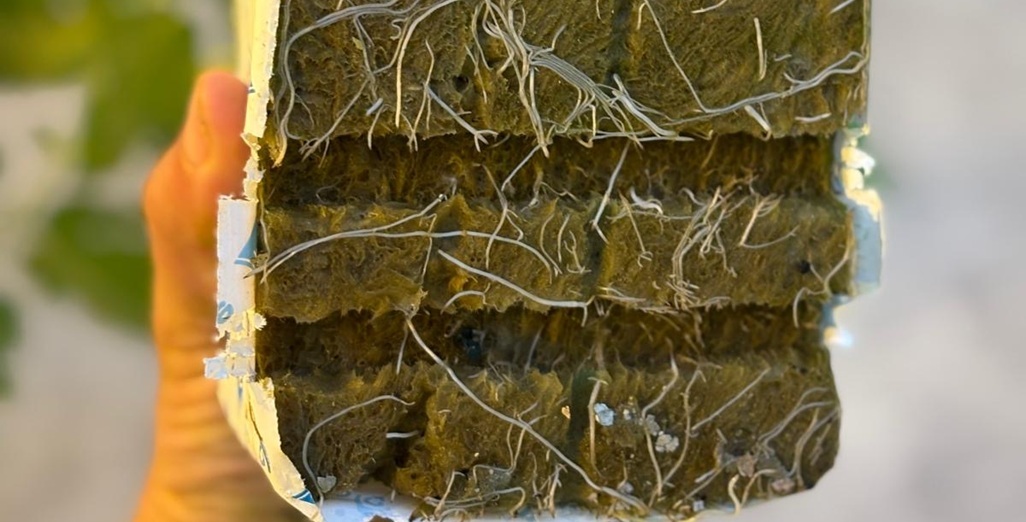
In high-tech greenhouse tomato and cucumber production, we carefully monitor EC, pH, radiation sums and irrigation strategy. However, one parameter that is often overlooked — yet can significantly influence plant performance — is dissolved oxygen (DO) in the nutrient solution.
February 10, 2026
Day-Length Decreasing = Time to Adjust Your Water Content
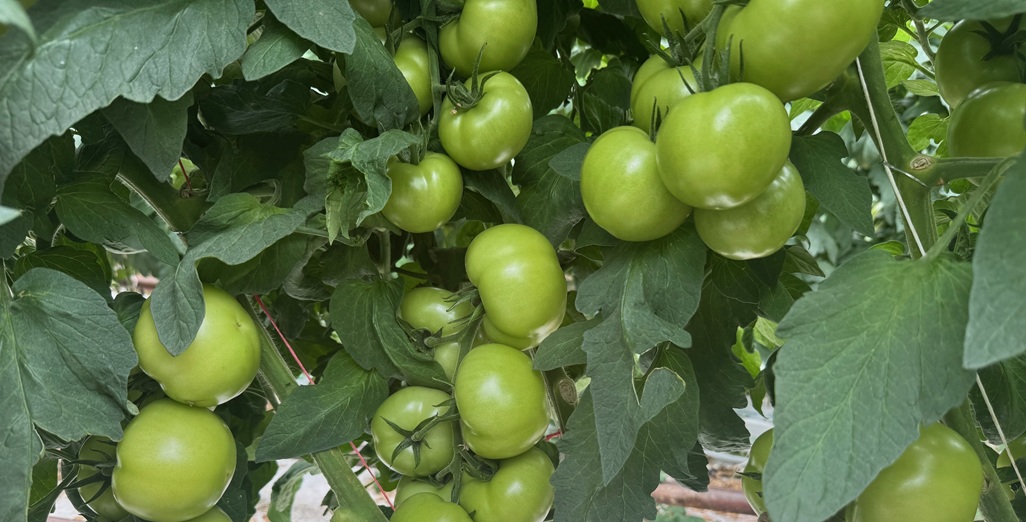
Amid the usual distractions of modern growing life, it’s easy to forget that Autumn 2026 is just around the corner. As day length shortens, now is the critical moment to review and adjust your irrigation strategy. Unlike previous years that brought prolonged dry spells or extreme heat, this year’s weather has been variable. Across the country, many regions are already seeing heavy rainfall and several cloudy days in a row. While this is great for replenishing water reservoirs, it also creates challenges once the sun returns: crops may wilt, and the temptation to overwater is high. My advice: keep substrate water content and EC close to pre-cloudy levels.
August 12, 2025
The Rise of Plant-Driven Irrigation
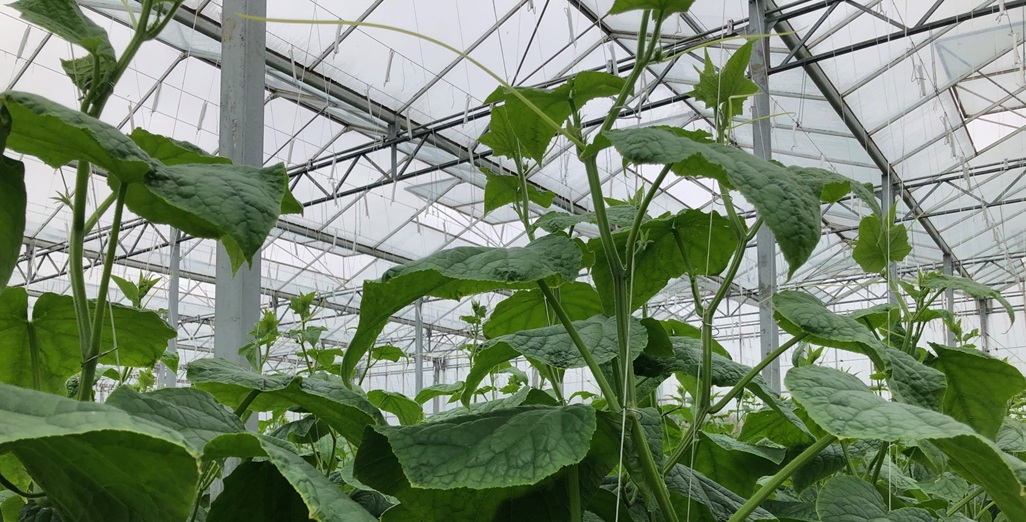
What if plants could tell us exactly when and how much water they need?
July 1, 2025
The BBRO Tackles Drought Risk in Sugar Beet Production
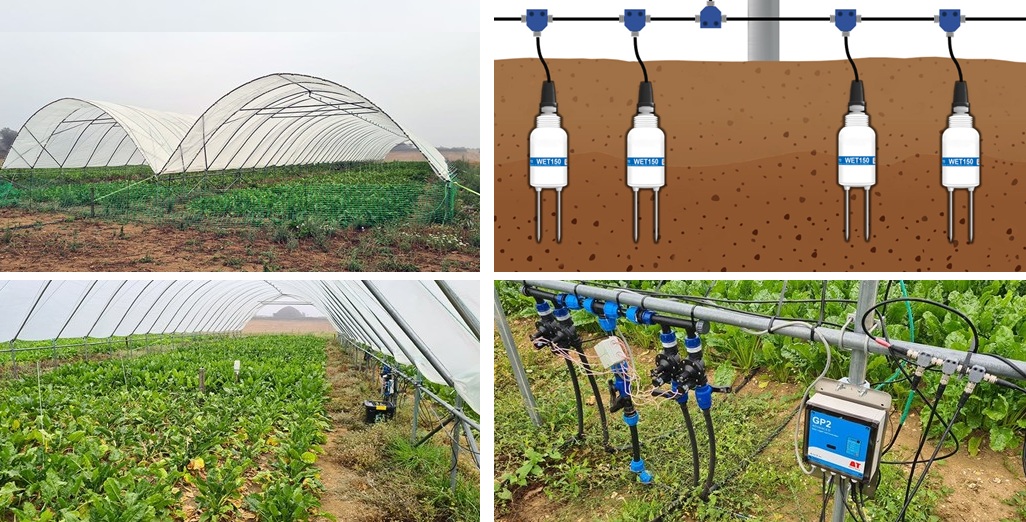
Delta-T Devices is providing WET150 multi-parameter soil sensors and GP2 advanced data loggers and controllers to the British Beet Research Organisation (BBRO) for use in important drought and water deficit research projects.
July 1, 2025
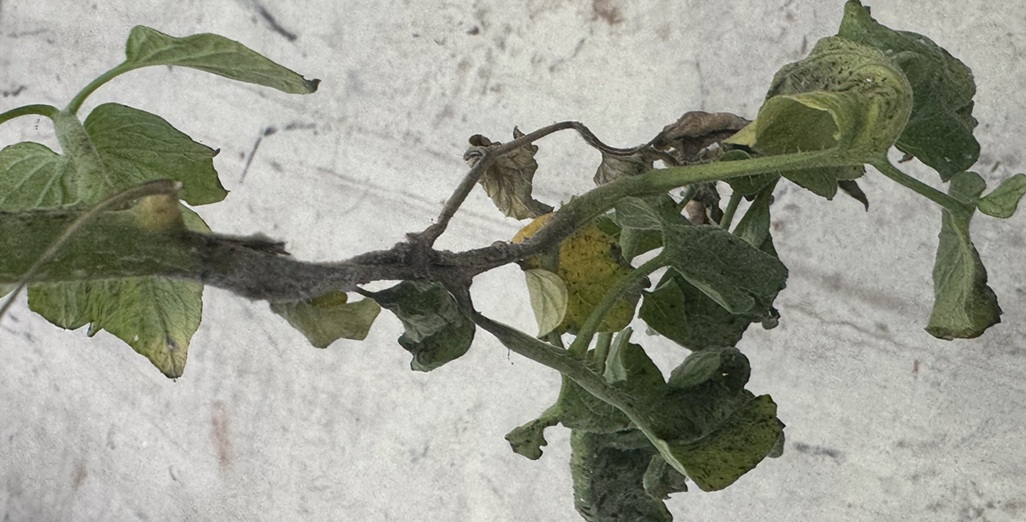
Botrytis Alert: Key Strategies to Minimize Losses
Following Blight, Botrytis now becomes the main threat — act early to avoid compounding issues. Energy costs are currently a major burden for greenhouse growers. As a result, many are forced to make difficult decisions about how much energy to invest in climate control........
January 14, 2025
(Best of 2024) Fleecegrow turning wool into substrates a reality
Sheep’s wool could be a solution for both the sustainability and supply challenges for indoor growers and nurseries.
CLASSIFIED