

Sign up here to subscribe to the Grower2grower Ezine. Every two weeks you will receive new articles, specific to the protected cropping industry, informing you of industry news and events straight to your inbox.
8
Sep 2020
Sep 2020
Queensland Farmers leave fruit to rot on the ground

Pay me $ 3,800 (Australian) per week please!
I was absolutely astounded when I read the article below (see link). The pandemic has closed borders and as a result means a shortage of back packers in Queensland, which has led to a massive shortage of labour to harvest produce. It is quite staggering that despite Australia being on the verge of a ginormous recession they are not able to entice young Australian workers offering up to $ 3,800 AUS per week. The work may be for a short term and it may be inconvenient to relocate, however even with those possible excuses it just beggar’s belief growers cannot attract pickers.
If this is currently the state of affairs in Australia then it may well be a much larger problem, than I anticipated, for New Zealand this season. Hopefully, the powers that be, are well aware and have a watchful eye on what has happened in Australia, to quickly come up with short term solutions. It has recently been in the news that NZ farm contractors require skilled overseas operators to drive very large harvesters. Due to Covid-19 border restrictions there is uncertainty of how or if special exceptions and Visa’s will be issued. Actually, this should not be in the news; the primary sector is so important to our economy and our rebuild, it astounds me that industry affected (probably through desperation) reached out to the media to highlight their concerns.
Wage Subsidy Ending:
With the NZ Covid-19 wage subsidy ending those who will now find themselves without a job and have the motivation, should be looking at NZ horticulture websites to see what types of work is available. Greenhouse horticulture businesses are generally on the search for regular or seasonal employees.
Greenhouse work is not that hard:
Just this week I was training a grower to clip, prune and drop his tomato plants. I spent an hour working side by side and it reminded me again how enjoyable the work is. There seems to be a perception that the work is dirty, hot and hard, actually it’s not that hard.
Technology:
What was also worth noting, and yes, I harp on about this, is that automation of harvesting is becoming increasingly essential. In the article regarding the Queensland strawberry grower I noticed (see pic below) the strawberry crop was grown traditionally, on the ground. Harvesting strawberries manually and bending over is back breaking work so unless this grower has robotic picking harvesters, it is no wonder staff don’t survive more than one day. Growing on tables/gutters is the best option moving forward.
Even if we are back to ‘Covid free normality’ within the next two to three years, the fact is the perception of the physical requirements involved in most vegetable or flower horticulture business may not change. Possibly only a great depression will force workers to the industry. Technology for reducing labour will continue to be required if Queensland is anything to go by.

Strawberry grower Gavin Scurr has spoken out about the lack of available pickers. Picture: Lachie Millard Source: News Corp Australia
Related content: Read Mikes report below. Always a great read.
https://twitter.com/HortNZ/status/1302761437249466369
I appreciate your comments. Please feel free to comment on the grower2grower Facebook page:
https://www.facebook.com/StefanGrower2grower/
Article Written and compiled by Stefan Vogrincic, Consultant, Grower2Grower
Article Edited by Marie Vogrincic, Editor, Grower2Grower
CLASSIFIED













Subscribe to our E-Zine
More
From This Category
April 20, 2026
The Environmental Protection Authority (EPA) has approved a new fungicide seed treatment to control disease on potatoes.
The New Zealand potato industry is valued at approximately $1 billion annually, according to Potatoes New Zealand.
April 20, 2026
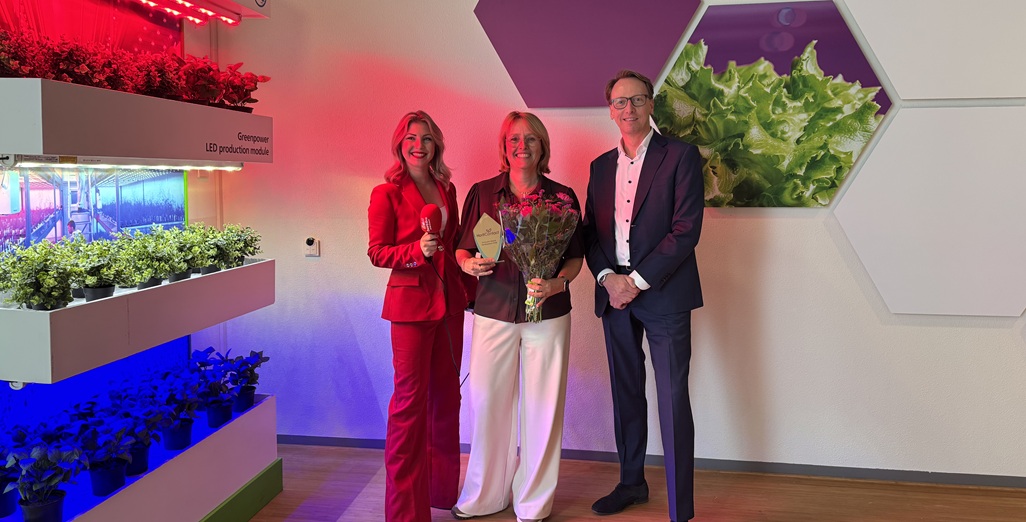
Signify wins HortiContact Innovation Award for Philips intelligent horticulture lighting solutions
“We are incredibly proud of this recognition”
April 7, 2026
Proposed import requirements for fresh blueberries (Vaccinium spp.) for human consumption
Make your submission
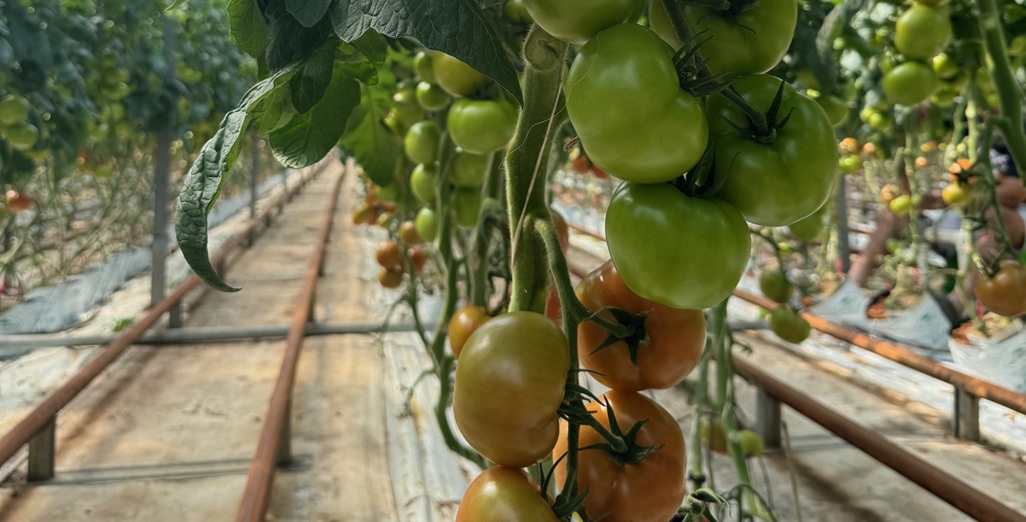
March 23, 2026
The Environmental Protection Authority (EPA) maintained the upward trend for hazardous substances decisions in the second quarter of the 2025-26 year.
Dr Lauren Fleury, Manager Hazardous Substances Applications, says the EPA continues to use rapid assessment pathways where possible. Of the 16 approved applications in the second quarter, 13 were decided by rapid assessment.
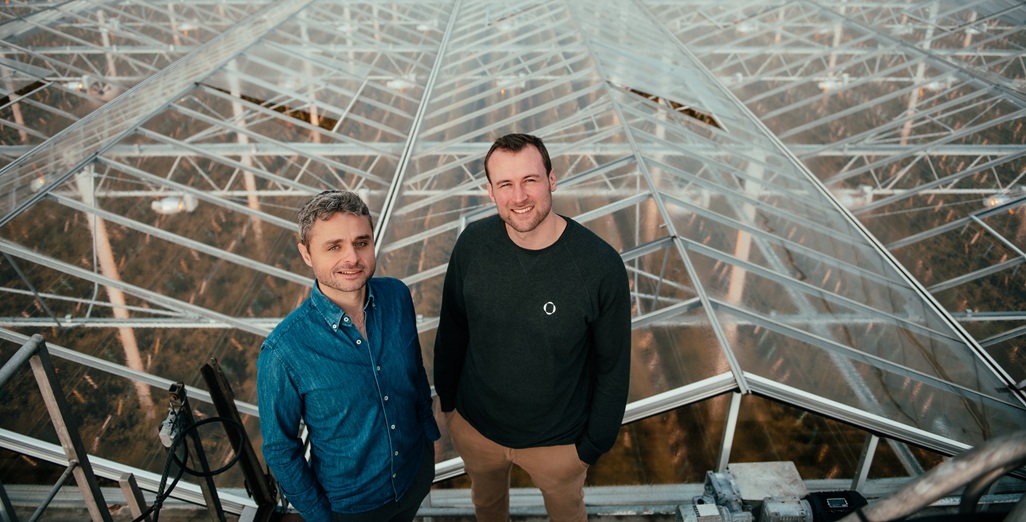
March 23, 2026
Source Advances Harvest Forecasting for Tomatoes with Next Generation AI Model
Fundamental changes to how the model learns and handles grower input mean significantly less manual work and meaningfully better accuracy.
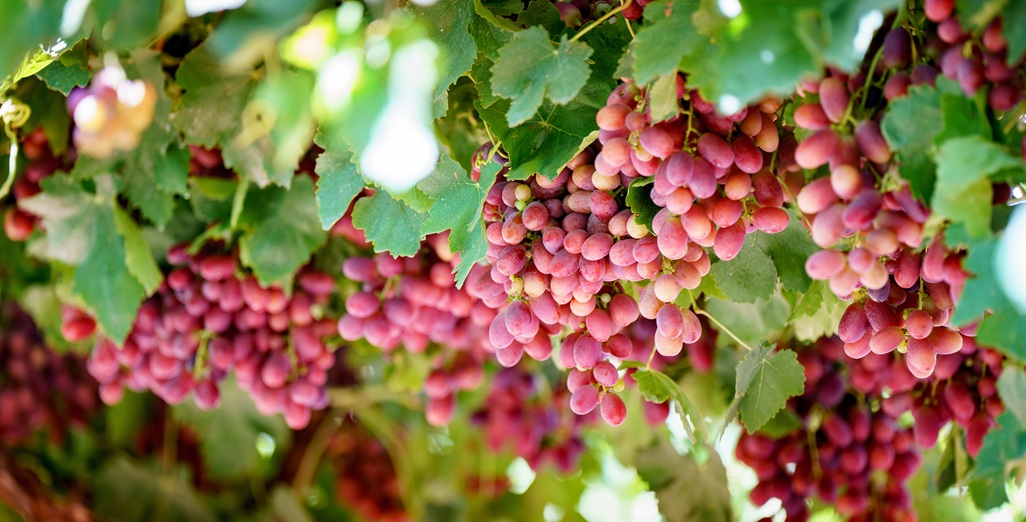
March 10, 2026
Australia’s horticulture sector has delivered a year of record‑breaking performance
Highest production value to date of $18.4 billion, up 6% on the previous year.
CLASSIFIED