

Sign up here to subscribe to the Grower2grower Ezine. Every two weeks you will receive new articles, specific to the protected cropping industry, informing you of industry news and events straight to your inbox.
7
Dec 2021
Dec 2021
Dealing with High Sodium

Collect Rain Water
High levels of sodium in bore water can be a major issue for growing in general. Properties that have multiple bores, at different depths, have been known to have differing amounts of sodium in them. A cucumber grower, that lives not too far from my old property, had constant issues with high sodium. This meant he had to run very low EC (electrical conductivity) in and out of the substrates as the plants would quickly ‘darken’ and show signs of stress.
This is problematic on several levels. Being restricted on what you can give your plants nutritionally is a compromise. It will require growing totally different on a property with high sodium levels compared to another property with low levels. Certain cultivars may be more susceptible to high sodium levels which may restrict what you can grow.
There a few ways you can deal with this issue. One way is to enquire into a reverse osmosis unit or another is to collect and store your rain water. The issue for smaller businesses is not just the initial investment of a reverse osmosis unit but also the waste water that has the high sodium levels you will need to dispose of. Most large operations have water storage ponds and therefore negate issues with bores with elevated sodium levels. It may however, become an issue in the summer if reservoirs become low and require a bore to top them up.
Capturing rain water and using these resources is always going to be a great option. Depending on the size of your operation you could either build a pond or I highly recommend using an option like the Flexi Tank water bladders for under two million litres. A perfect solution for smaller grower’s water storage.
If there is a drought, and you do not have enough water stored, it will be problematic. If you have to use water with elevated sodium levels due to a drought, then at least this is at a time of the year you can grow with a more vegetative approach and therefore lower EC levels, however, this is far from ideal. Another option may be to mix rain with bore water. There may be either a threshold for when you may consider mixing the fresh rain water, you have in your reservoir, with high sodium bore water to dilute the effect. This may also be an option all year round depending on the level of sodium in your bore water. Again, this is far from a perfect scenario but a potential short-term solution.
Water storage is a hot political topic, the major advantage we have in New Zealand is that it rains everywhere. There may or may not be droughts in the future, I don’t have a crystal ball but history would indicate they are common. Certainly, I would only consider growing using an insurance policy of stored rain water, even if I did not have high sodium levels in my bore it is still a great option.
There is an investment required but without a perfect source of water you will always be compromising and chasing your tail to grow effectively. If you don’t want this hassle then I highly recommend you collect your rain water.
Article written and compiled by Stefan Vogrincic
All Article’s checked and edited by Marie Vogrincic
I appreciate your comments. Please feel free to comment on the grower2grower Facebook page:
https://www.facebook.com/StefanGrower2grower/
CLASSIFIED









Subscribe to our E-Zine
More
From This Category
February 23, 2026
Dissolved Oxygen – The Hidden Driver of Root Performance in Greenhouse Crops
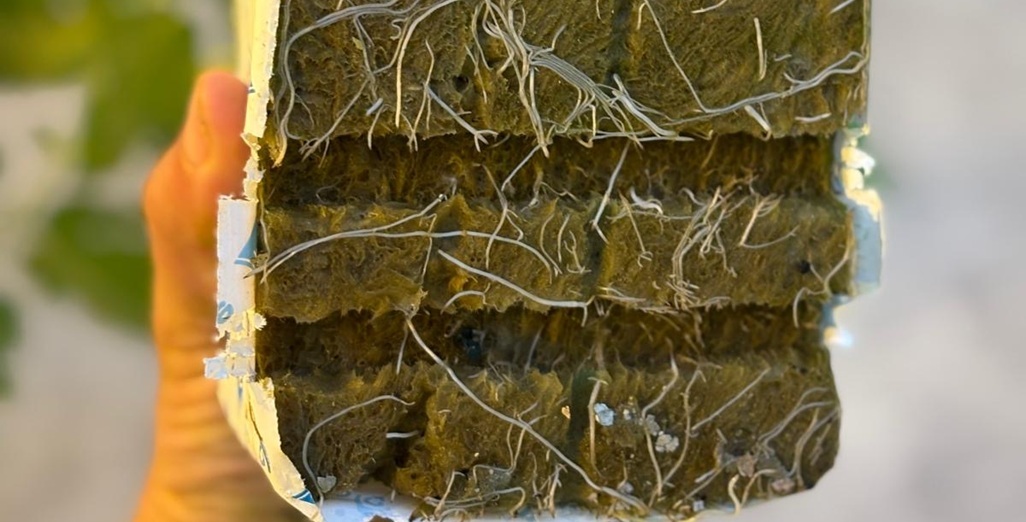
In high-tech greenhouse tomato and cucumber production, we carefully monitor EC, pH, radiation sums and irrigation strategy. However, one parameter that is often overlooked — yet can significantly influence plant performance — is dissolved oxygen (DO) in the nutrient solution.
February 10, 2026
Day-Length Decreasing = Time to Adjust Your Water Content
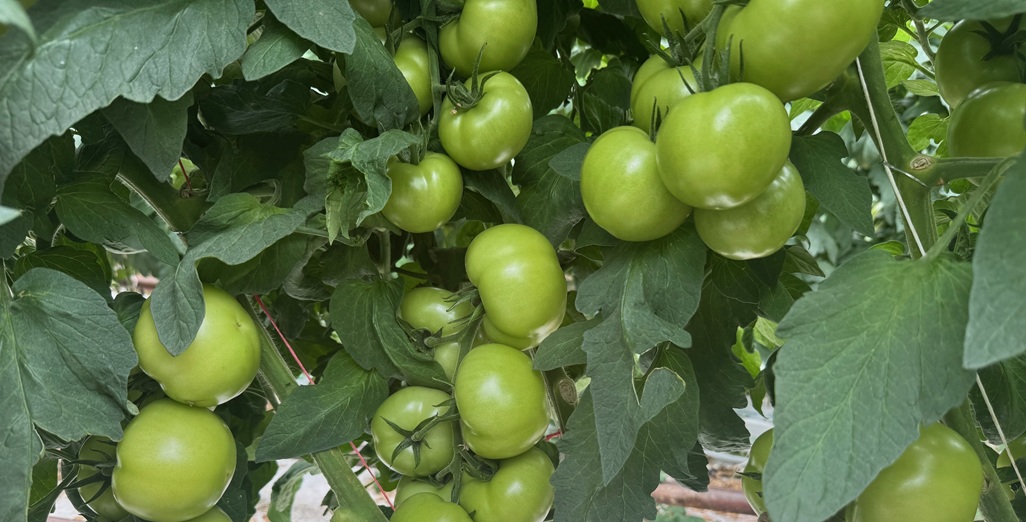
Amid the usual distractions of modern growing life, it’s easy to forget that Autumn 2026 is just around the corner. As day length shortens, now is the critical moment to review and adjust your irrigation strategy. Unlike previous years that brought prolonged dry spells or extreme heat, this year’s weather has been variable. Across the country, many regions are already seeing heavy rainfall and several cloudy days in a row. While this is great for replenishing water reservoirs, it also creates challenges once the sun returns: crops may wilt, and the temptation to overwater is high. My advice: keep substrate water content and EC close to pre-cloudy levels.
August 12, 2025
The Rise of Plant-Driven Irrigation
What if plants could tell us exactly when and how much water they need?
July 1, 2025
The BBRO Tackles Drought Risk in Sugar Beet Production
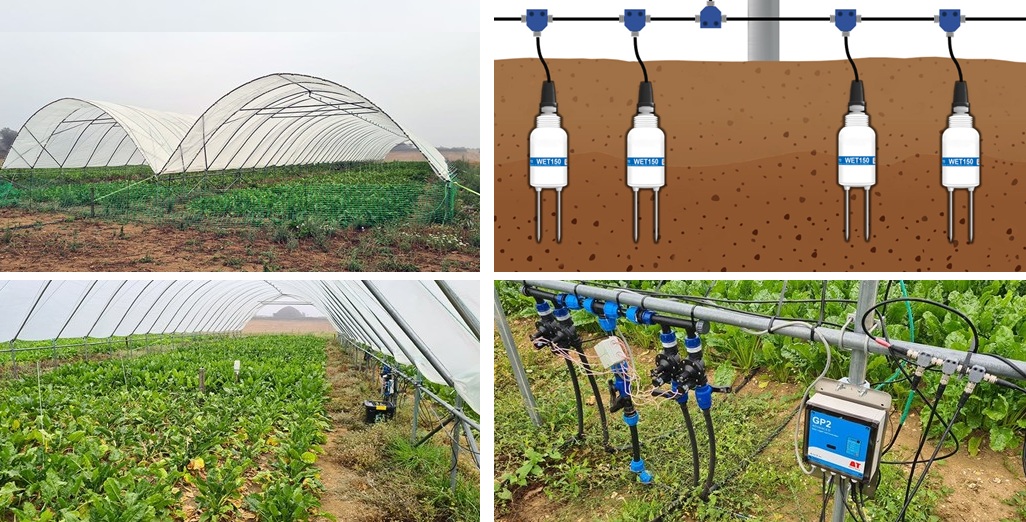
Delta-T Devices is providing WET150 multi-parameter soil sensors and GP2 advanced data loggers and controllers to the British Beet Research Organisation (BBRO) for use in important drought and water deficit research projects.
July 1, 2025
Botrytis Alert: Key Strategies to Minimize Losses
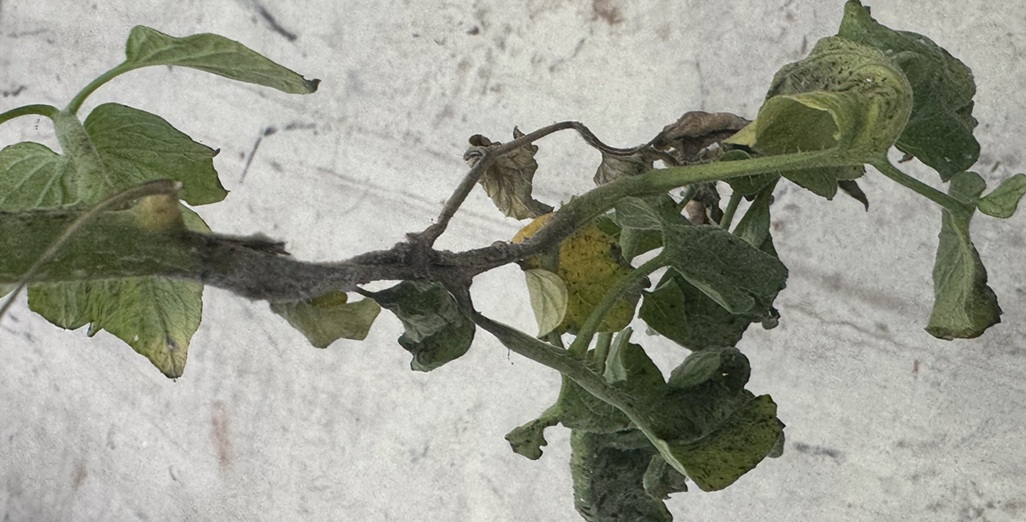
Following Blight, Botrytis now becomes the main threat — act early to avoid compounding issues. Energy costs are currently a major burden for greenhouse growers. As a result, many are forced to make difficult decisions about how much energy to invest in climate control........
January 14, 2025
(Best of 2024) Fleecegrow turning wool into substrates a reality
Sheep’s wool could be a solution for both the sustainability and supply challenges for indoor growers and nurseries.
CLASSIFIED