

Sign up here to subscribe to the Grower2grower Ezine. Every two weeks you will receive new articles, specific to the protected cropping industry, informing you of industry news and events straight to your inbox.
1
Aug 2022
Aug 2022
Things you always wanted to know about Cocopeat
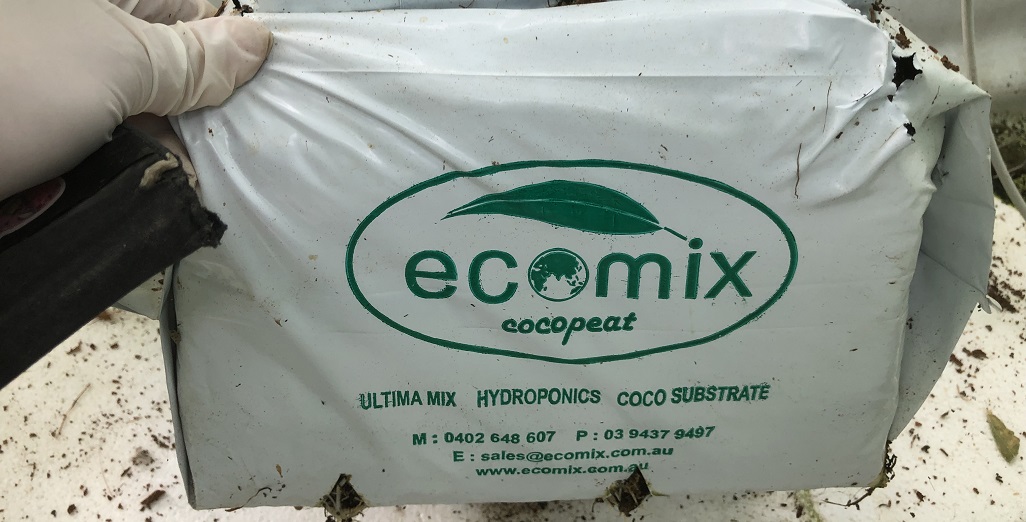
Several facts from a brand on the rise in New Zealand – Ecomix
Currently with shipping, a major issue, the cost to import stone wool is becoming prohibitive. The number of cocopeat slabs that can be loaded into a container compared to stone wool is almost a three to one ratio. This is due to the compression of the cocopeat. In the past ten years coir products have improved immensely from suppliers. If you are considering a change in substrates below is some basic facts about Cocopeat.
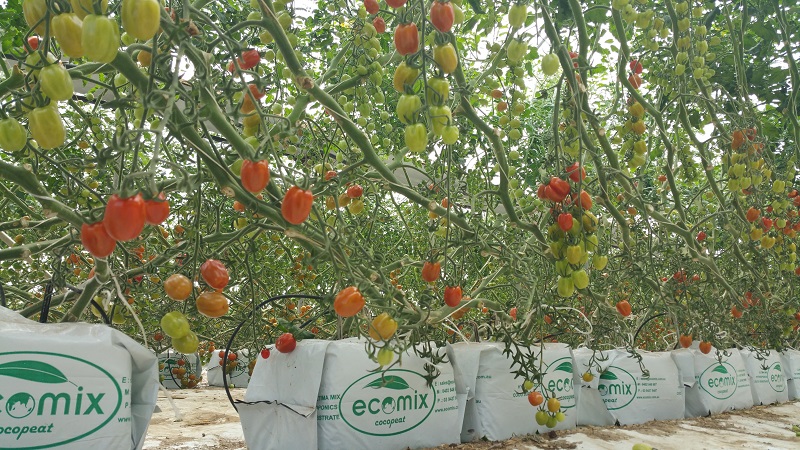
What is Cocopeat?
Coco Peat (Coir Fibre Pith), also known as coir pith or coir , is a by product after extracting fibres from the husk of a coconut. Coco peat is the binding material that comes from the fibre portion of the coconut husk.
The coco peat is washed, dried, screened and graded before being processed into various Coco peat products for Horticultural, Floriculture and Industrial Absorbent applications. Coco peat is usually shipped in the form of compressed bales, briquettes, Grow Bags, slabs and discs. The compressed coco peat is converted into fluffy coco peat by the addition of water. A single kilogram of coco peat will expand to 15 litres of moist coco peat.
When plants are grown exclusively in coco peat, it is important to add nutrients according to the specific plants’ needs.
Where does ECOMIX coco peat come from?
ECOMIX coco peat is sourced from Ecomix fiber manufacturing facility in the coconut triangle region of Western Ghats of South Australia.
What the differences are between washed, unwashed and buffered cocopeat?
Unwashed cocopeat is the natural raw form of the product, which has a higher EC level. Washed cocopeat has been washed using clean, natural spring water to lower the EC level.
Buffered cocopeat (sometimes known as treated) has been treated to reduce the Potassium and Sodium Chloride levels, and to increase the Nitrogen level. It also has a lower EC level.
Does cocopeat have high salt levels?
Many people have an image of coconut palms on beaches, and think that coco peat being washed in seawater lagoons. There is a practise of soaking coconut husk in sea water to process coconut fibre yarn. But that coco peat is not suitable for growing plants. Now with new machines, processing the husk into fibre yarns without soaking in water is possible. This type of coco peat is suitable for growing plants.
Coconut plants which are growing near coastal areas and hard water sources tend to show high EC levels naturally. But plants which grow inlands where low EC water available are much safer and low in Ec.
our factory is located inland, (average elevation of 293 metres (961 feet)) there is far less salt in the ground than regions closer to the coast, meaning that the coco peat we use has a significantly lower level of Sodium Chloride. We only use fresh water to wash our coir. We also take care to treat the coco peat when it is being used to grow plants which require a very low EC level.
How quickly does cocopeat break down?
Because cocopeat is natural, it is completely biodegradable. However, it retains its structure and absorbency for several years after planting, which means that the same coir can and is frequently used for several years. After use, it can be added to the ground as a soil conditioner without any adverse implications for the environment.
Can cocopeat be re-used?
As long as there is no contamination, cocopeat can be re-used for several crop cycles, depending on the plant requirements and the grower’s needs and preferences. We recommend flushing the coir between cycles and may be replenished with additional quantity if required.
Does cocopeat hold nutrients?
Cocopeat has excellent absorbent properties, meaning that it can hold nutrients very well, and release them to the plant over a prolonged period. We supply coir in its natural form with no nutrients added (except the buffered products).
To learn more about Ecomix products contact
Mel at sales@ecomix.com
Or go directly to the website https://www.ecomix.com.au/

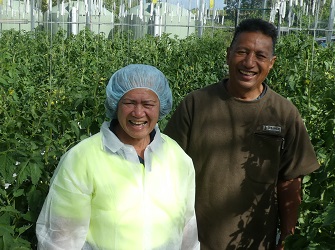
Owner of Ecomix Martin Vadakekuttu right with South Auckland cucumber grower Sunny Mahey (2019)
CLASSIFIED














Photo
Gallery





Subscribe to our E-Zine
More
From This Category
February 23, 2026
Dissolved Oxygen – The Hidden Driver of Root Performance in Greenhouse Crops
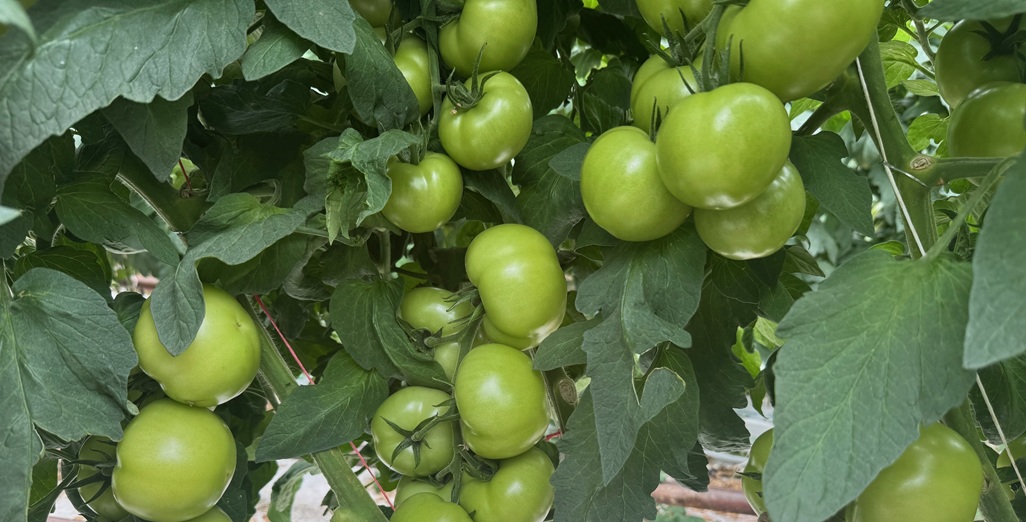
In high-tech greenhouse tomato and cucumber production, we carefully monitor EC, pH, radiation sums and irrigation strategy. However, one parameter that is often overlooked — yet can significantly influence plant performance — is dissolved oxygen (DO) in the nutrient solution.
February 10, 2026
Day-Length Decreasing = Time to Adjust Your Water Content
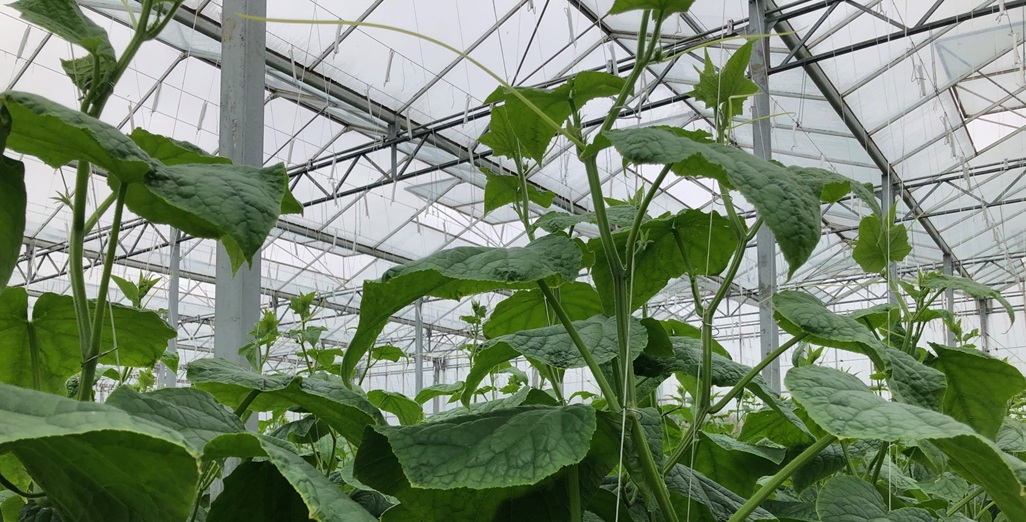
Amid the usual distractions of modern growing life, it’s easy to forget that Autumn 2026 is just around the corner. As day length shortens, now is the critical moment to review and adjust your irrigation strategy. Unlike previous years that brought prolonged dry spells or extreme heat, this year’s weather has been variable. Across the country, many regions are already seeing heavy rainfall and several cloudy days in a row. While this is great for replenishing water reservoirs, it also creates challenges once the sun returns: crops may wilt, and the temptation to overwater is high. My advice: keep substrate water content and EC close to pre-cloudy levels.
August 12, 2025
The Rise of Plant-Driven Irrigation
What if plants could tell us exactly when and how much water they need?
July 1, 2025
The BBRO Tackles Drought Risk in Sugar Beet Production
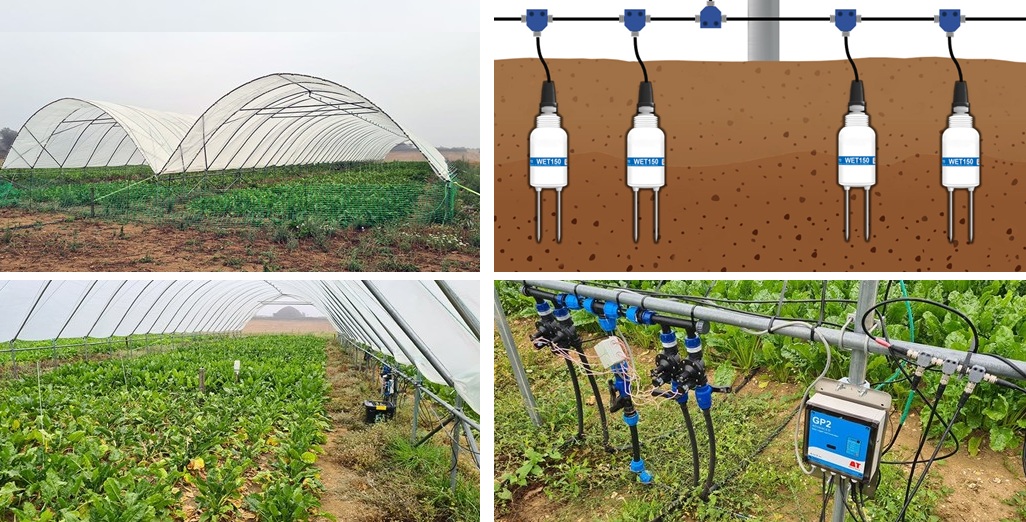
Delta-T Devices is providing WET150 multi-parameter soil sensors and GP2 advanced data loggers and controllers to the British Beet Research Organisation (BBRO) for use in important drought and water deficit research projects.
July 1, 2025
Botrytis Alert: Key Strategies to Minimize Losses
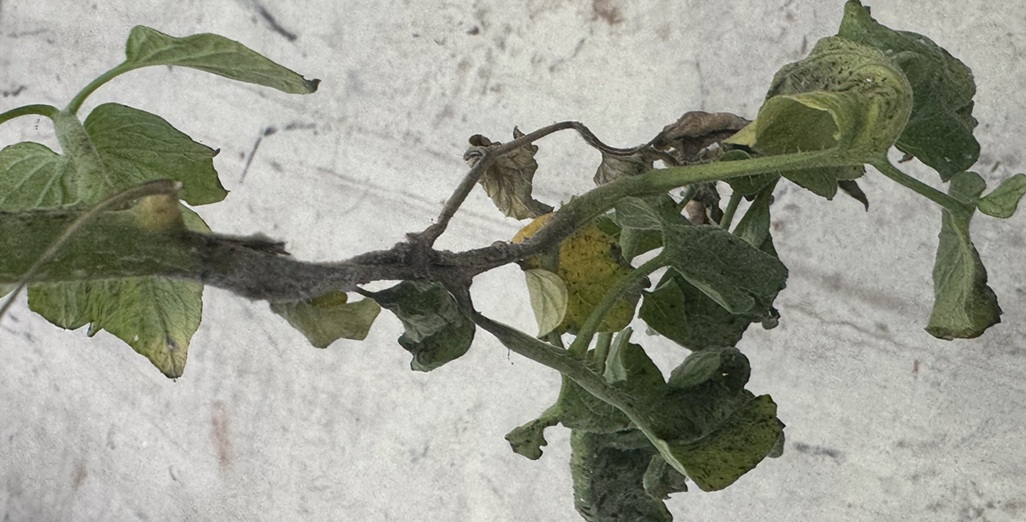
Following Blight, Botrytis now becomes the main threat — act early to avoid compounding issues. Energy costs are currently a major burden for greenhouse growers. As a result, many are forced to make difficult decisions about how much energy to invest in climate control........
January 14, 2025
(Best of 2024) Fleecegrow turning wool into substrates a reality
Sheep’s wool could be a solution for both the sustainability and supply challenges for indoor growers and nurseries.
CLASSIFIED