

Sign up here to subscribe to the Grower2grower Ezine. Every two weeks you will receive new articles, specific to the protected cropping industry, informing you of industry news and events straight to your inbox.
19
Jun 2023
Jun 2023
Cold root temperatures will affect nutrient uptake and plant balance.
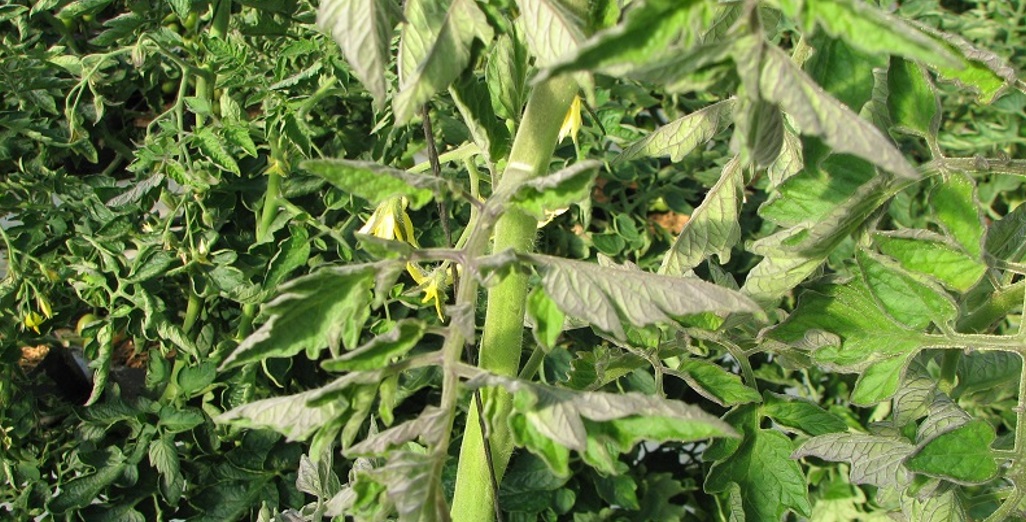
The recent wintry blast and the affordability of energy will have consequences. Heating irrigation water would be beneficial.
The weather has changed over the past few weeks. The trade off with beautiful sunny, cloudless winter days is that it is followed by very chilly night temperatures. The noticeable difference is cooler root temperatures. Even if heating the environment, twenty-four-hour temperatures will for most, be approximately 17-19 degrees (based on a harvesting cucumber/tomato greenhouse crop – shortest day). The irrigation water is generally not heated, this can then dramatically reduce root temperatures to below 13 degrees.
Cooler irrigation water is a blessing in the summertime when substrate and root temperatures are excessive, however, in the winter it can cause issues with nutrient uptake.
For growers who do not heat the irrigation water the benefits may out way the negative (energy cost), however, with the cost of energy growers will make decisions based on affordability. The period, during the year, that heating irrigation water is necessary may depend on location.
Below is an extract from an article supplied to Grower2Grower four years ago by Paddy de Vries a hydroponic specialist now living and working in New Zealand as Auckland South, Regional Manager for Horticentre Group. It clearly explains the effect cooler root temperatures have on the uptake of certain elements. (Please see below). There is a convincing argument to the importance for keeping root/substrates above 13 degrees to maintain positive plant growth. However, it will always come down to how this will influence in a positive or negative manner a grower’s bottom line.
Affordable energy may convince growers to heat irrigation water, this may lead to better tasting, healthier fruits or in the end less alteration or addition of other fertilisers.
Nutrient Challenges
During the cooler months, where the ambient air and foliar temperature as well as root-zone temperature is cooler, and light (quality and quantity) may be deficient, nutrient problems (visually “pre-symptom”) often occur.
During cooler root conditions, many nutrients are taken up less efficiently than during optimal root temperatures. While e.g., Potassium uptake is reduced, Nitrogen uptake is hardly affected. The net result is that the N:K ratio is skewed towards a less than optimal K value.
N:K ratio should be adapted for cooler weather, increasing Potassium (first check analysis). However, root K levels should be monitored carefully since this mineral can, if allowed to increase too high, depress the uptake of other critical nutrients
Potassium plays a major role in taste of fruit such as tomatoes. Some cultivars, especially vegetative types may require a substantial increase of K.
If symptoms are already visible or the fruit taste has already been affected by the cooler climate and poor light & shorter days, increase K in the fertigation mixture along with an increased EC.
Phosphate uptake is drastically reduced by cold roots. P is involved in critical processes including energy transfer, photosynthesis, nutrient movement and transformation of sugars and starches. At <13°C root temperature, P uptake may be inhibited by as much as 30%. The application of extra P in the nutrition will help, but the roots remain cold, and uptake is still slow.
If acids Sulphuric or Nitric acid is used for pH control, replace a portion (must be calculated on N, P, and bicarbonate levels) with Phosphoric Acid
Foliar application of a P containing product can be extremely beneficial in cold weather. Using products that contain both P and K (no or insignificant N) along with trans-cuticle transport additives and organic chelates will be a distinct advantage. (Paddy de Vries)
Article compiled by Stefan Vogrincic
All Article’s checked and edited by Marie Vogrincic. For all media releases please send to marie@grower2grower.co.nz or upload directly: https://www.grower2grower.co.nz/article-form/
I appreciate your comments. Please feel free to comment on the grower2grower Facebook page or email: stefan@grower2grower.co.nz
CLASSIFIED
















Photo
Gallery








Subscribe to our E-Zine
More
From This Category
February 23, 2026
Dissolved Oxygen – The Hidden Driver of Root Performance in Greenhouse Crops
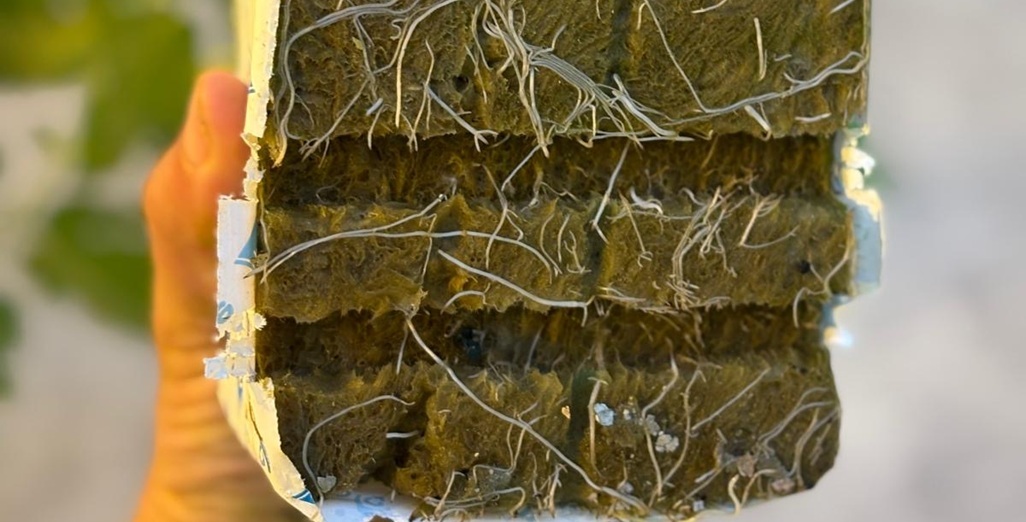
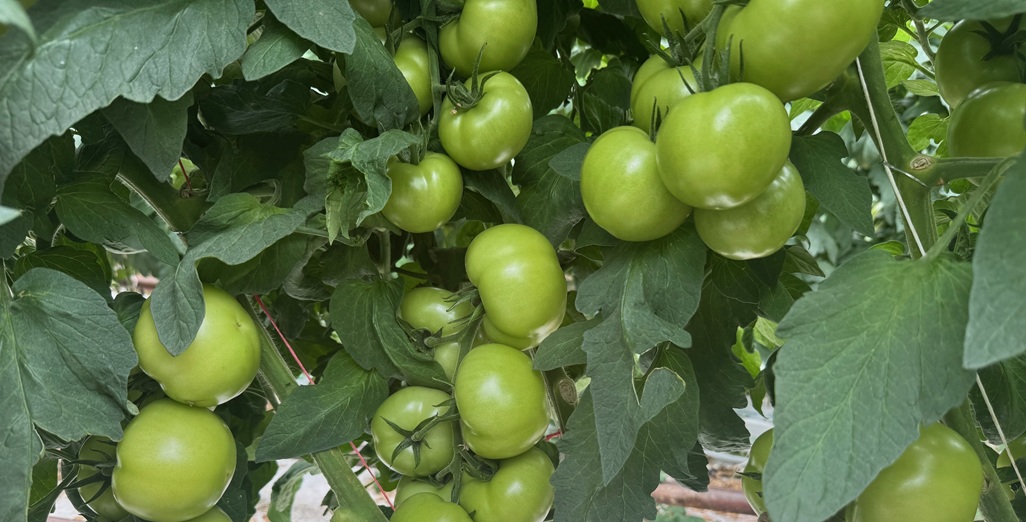
In high-tech greenhouse tomato and cucumber production, we carefully monitor EC, pH, radiation sums and irrigation strategy. However, one parameter that is often overlooked — yet can significantly influence plant performance — is dissolved oxygen (DO) in the nutrient solution.
February 10, 2026
Day-Length Decreasing = Time to Adjust Your Water Content
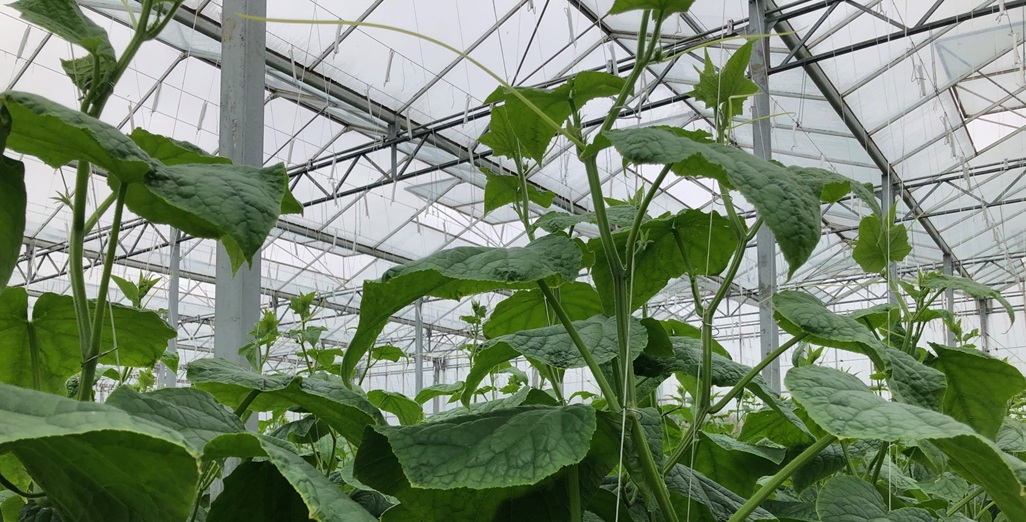
Amid the usual distractions of modern growing life, it’s easy to forget that Autumn 2026 is just around the corner. As day length shortens, now is the critical moment to review and adjust your irrigation strategy. Unlike previous years that brought prolonged dry spells or extreme heat, this year’s weather has been variable. Across the country, many regions are already seeing heavy rainfall and several cloudy days in a row. While this is great for replenishing water reservoirs, it also creates challenges once the sun returns: crops may wilt, and the temptation to overwater is high. My advice: keep substrate water content and EC close to pre-cloudy levels.
August 12, 2025
The Rise of Plant-Driven Irrigation
What if plants could tell us exactly when and how much water they need?
July 1, 2025
The BBRO Tackles Drought Risk in Sugar Beet Production
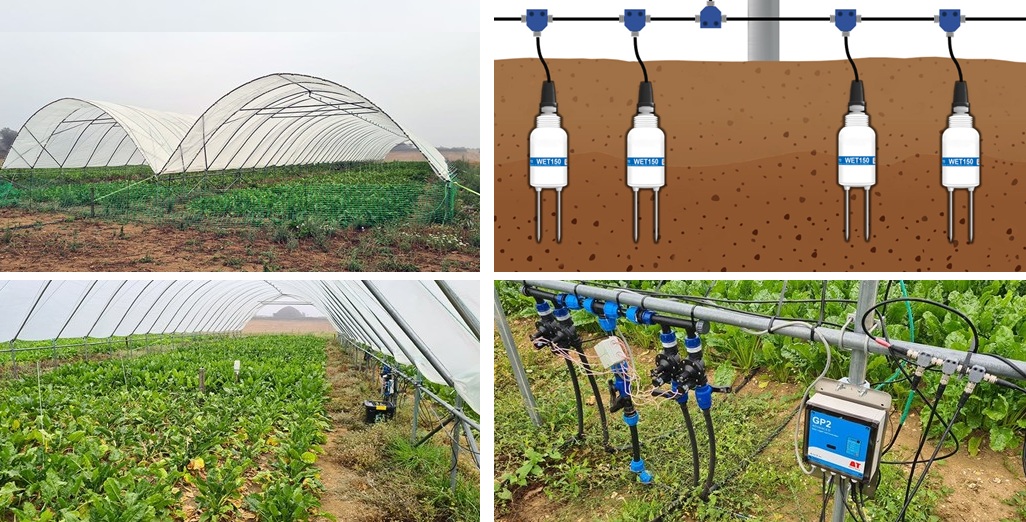
Delta-T Devices is providing WET150 multi-parameter soil sensors and GP2 advanced data loggers and controllers to the British Beet Research Organisation (BBRO) for use in important drought and water deficit research projects.
July 1, 2025
Botrytis Alert: Key Strategies to Minimize Losses
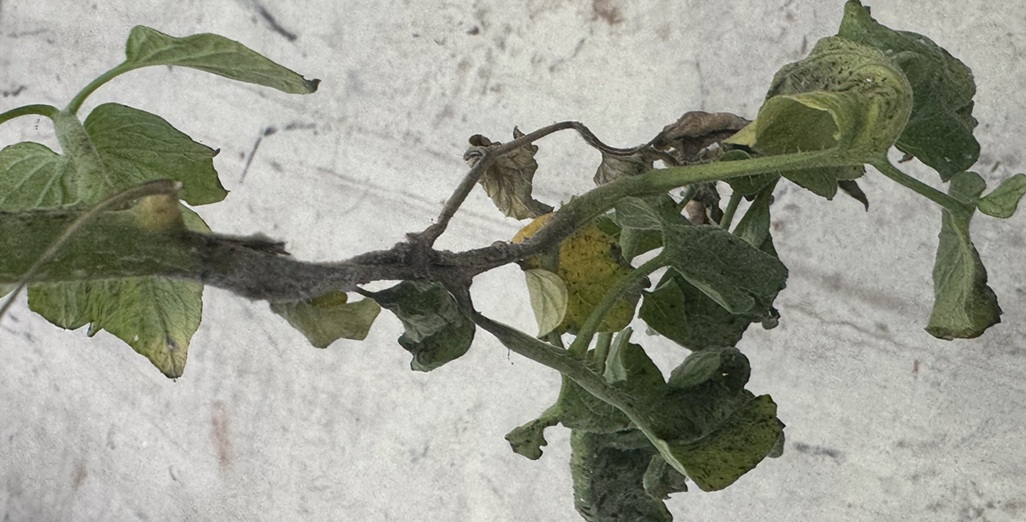
Following Blight, Botrytis now becomes the main threat — act early to avoid compounding issues. Energy costs are currently a major burden for greenhouse growers. As a result, many are forced to make difficult decisions about how much energy to invest in climate control........
January 14, 2025
(Best of 2024) Fleecegrow turning wool into substrates a reality
Sheep’s wool could be a solution for both the sustainability and supply challenges for indoor growers and nurseries.
CLASSIFIED