

Sign up here to subscribe to the Grower2grower Ezine. Every two weeks you will receive new articles, specific to the protected cropping industry, informing you of industry news and events straight to your inbox.
12
Feb 2024
Feb 2024
Price Matching of Tomatoes in the UK (would it benefit NZ growers and consumers?)
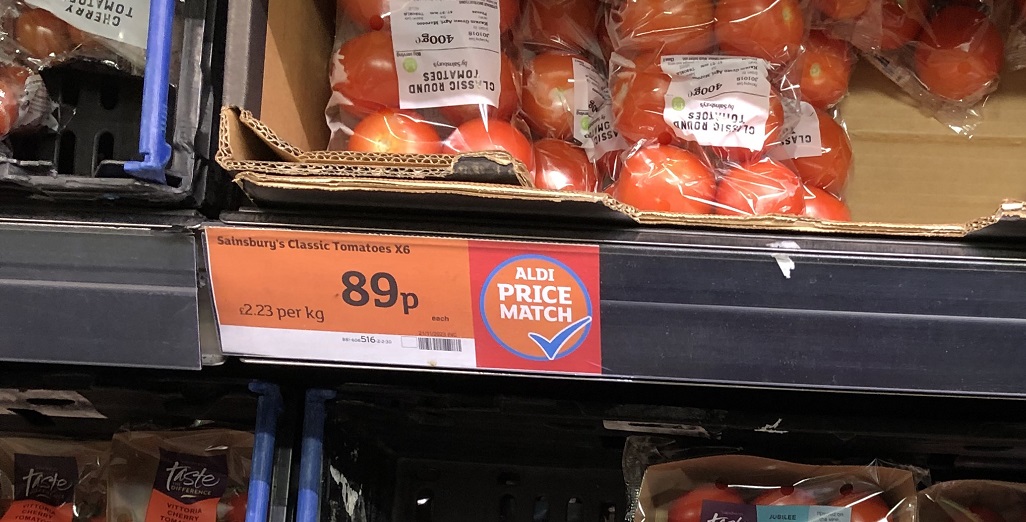
(Part 2) Supermarkets in England Price Match but is this comparing apples with apples or in this case tomatoes with tomatoes!
In the last edition I wrote about the packaging of tomatoes in the UK, the two images displayed were from different retailers that displayed ‘price match’ against another supermarket chain. Reassurance for customers, that their local supermarket is competitive! I am not for or against this, however, as the saying goes, I am not convinced this compares apple with apples or in this case tomatoes with tomatoes!
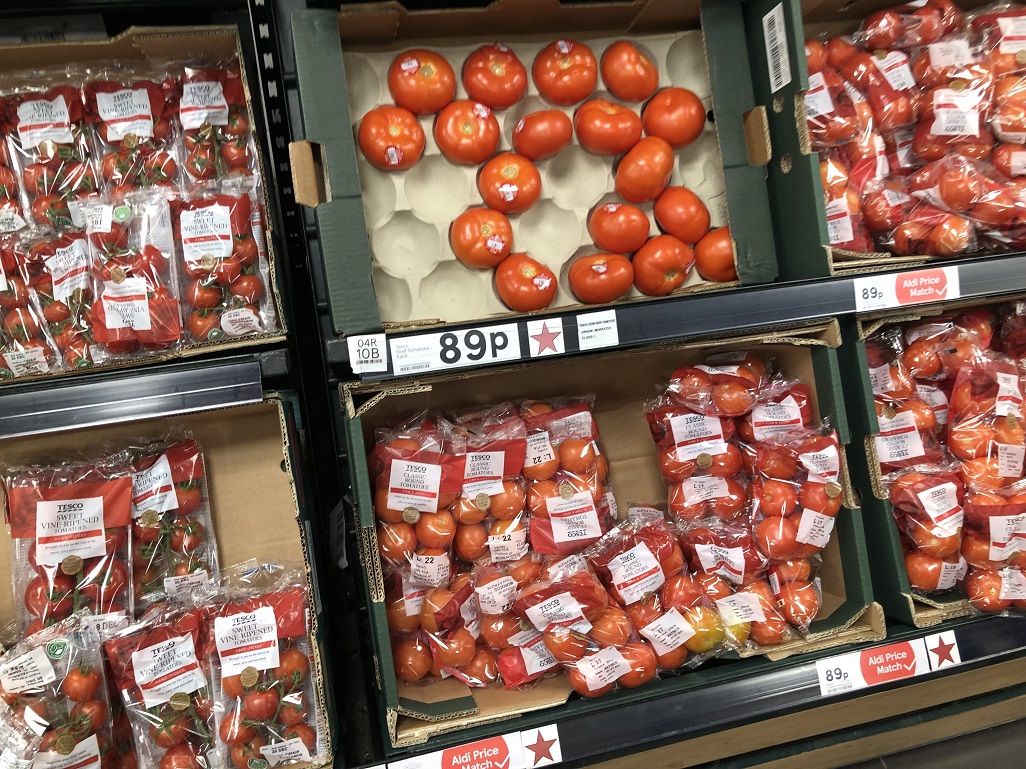
In the UK, tomatoes purchased from retailers, in all the stores I visited, were supplied from multiple locations within the UK and Europe. The visual quality of the tomatoes were chalk and cheese. Note, this was from my observations of someone with over thirty years growing and advising. I could not fault the superior high-quality fruit for sale, it was a deep red and firm to touch. The lower-quality tomatoes, I declined to purchase were often orange and soft to the touch and no surprise – cheap. Some of the cherry tomatoes looked like they had been semi boiled. You may be thinking I should have tasted these semi-boiled looking tomatoes, but I just couldn’t.
Price Match and Nutrition:
The price match concept is understandable to a point, but it doesn’t paint the entire picture. I think if it was going to be an apple with apples scenario it should include a location and nutritional value match. For example, if the product you want to purchase is grown in Holland and it is displaying a ‘price match’ I want to know that is being matched with a product, in the same category, grown from the same country, not a far far away land! It would also include a nutritional match (see below).
Output determined by input:
I have not come across a vegetable price match system in New Zealand. However, I have seen a difference in quality – especially in the loose category at both small and large retail chains. Sometimes the same retail chain, in two different locations, could have different quality on the same day.
There will be many factors that affect shelf life, including the growing conditions and strategy of each greenhouse crop, the fertiliser/irrigation applied (heating accordingly) and post-harvest handling, storage, and travel distance. All of this will determine the quality and shelf life of the product. It may even be variety choice the grower invariably decides on. What will happen as a grower if you cut corners and grow a water bomb it won’t last long and probably will have a bland taste and potentially lack nutritional value.
The New Zealand Market:
As predicted, there is an oversupply of tomatoes currently driving down the farm gate value – it is simple supply and demand. Record high prices last year has had price chases planting large volumes of tomatoes to harvest now, so now that prices are low inputs are reduced which leads to inferior fruit quality- which leads to lower prices all around. I don’t think a ‘price match’ system would help our growers right now but lead to even less inputs. What could help is if we fruit could be differentiated with a standardised quality or nutritional test. Slightly different I know when we were growing up on the dairy farm the milk that was picked up from each vat was tested for somatic cell counts – a quality check on the milk.
Question:
Something to consider and a question for you – how could we introduce a quality/nutritional rating that is easy to evaluate? Is this better than a ‘race to the bottom’ price match?
Image:
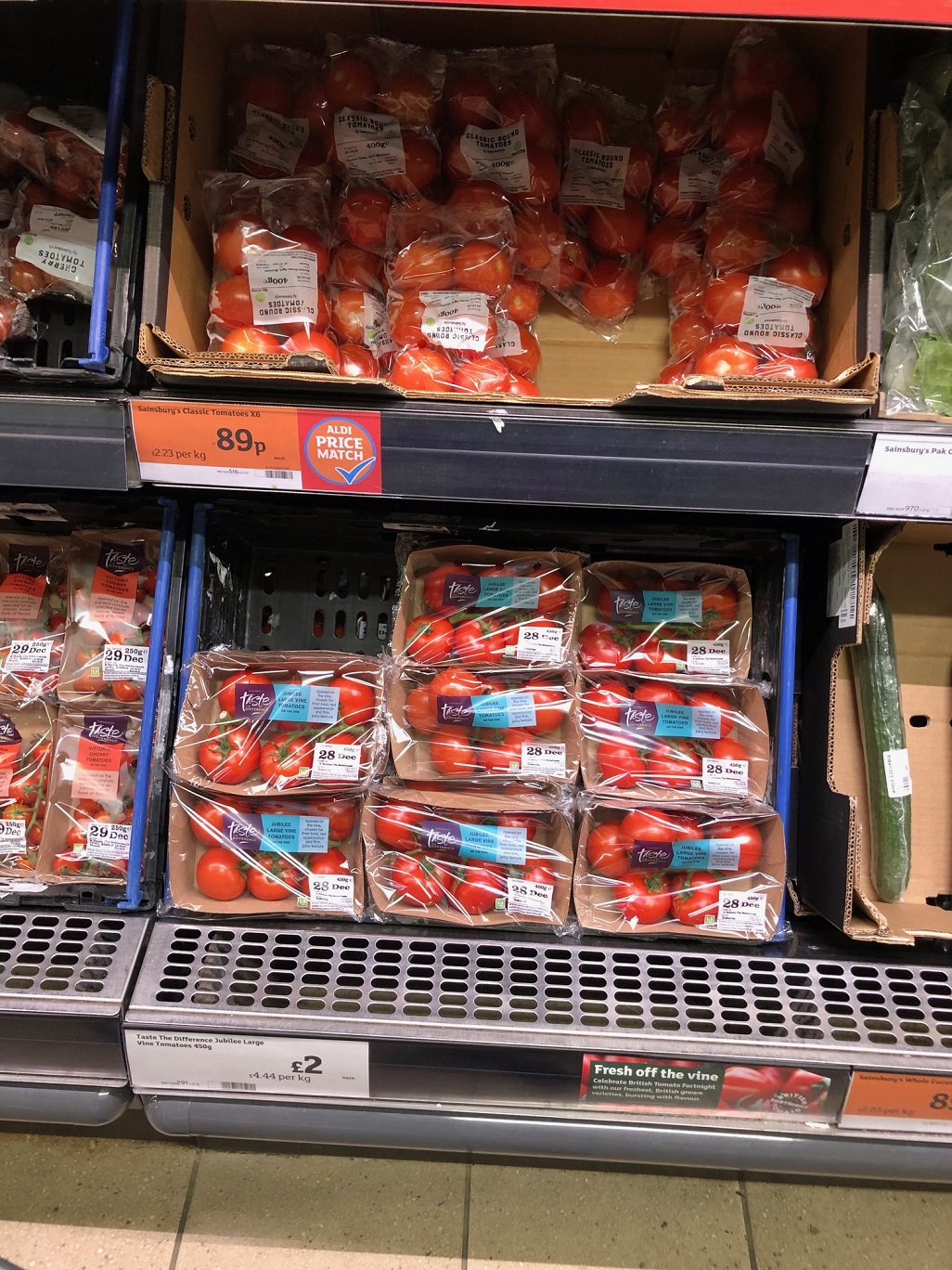
See price below – Price match loose tomatoes in a plastic bag £2.23 per kg and similar size tomatoes but on the truss at the bottom of the image £4.44 per kg (not price matched). The difference between the quality is obvious to the eye. Harvesting loose or truss does not make much of a difference in taste or goodness if harvested from the same property correctly. In this case the stark difference in quality was down to the location, grower and inputs in my humble opinion – only testing the fruit in a laboratory would prove my point.
Article compiled by Stefan Vogrincic.
All Article’s checked and edited by Marie Vogrincic. For all media releases please send to marie@grower2grower.co.nz or upload directly: https://www.grower2grower.co.nz/article-form/
I appreciate your comments. Please feel free to comment on the grower2grower Facebook page or email: stefan@grower2grower.co.nz
CLASSIFIED















Photo
Gallery






Subscribe to our E-Zine
More
From This Category
April 20, 2026
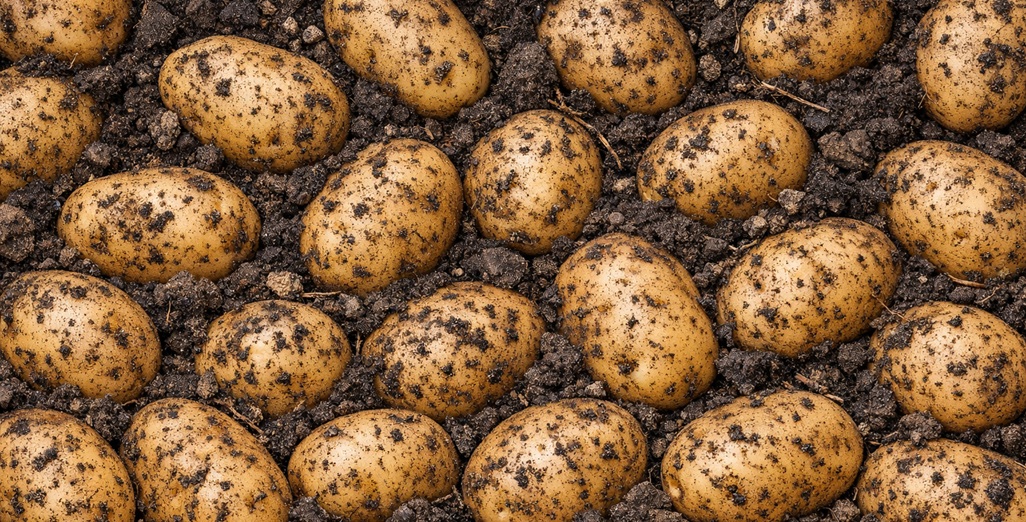
The Environmental Protection Authority (EPA) has approved a new fungicide seed treatment to control disease on potatoes.
The New Zealand potato industry is valued at approximately $1 billion annually, according to Potatoes New Zealand.
April 20, 2026
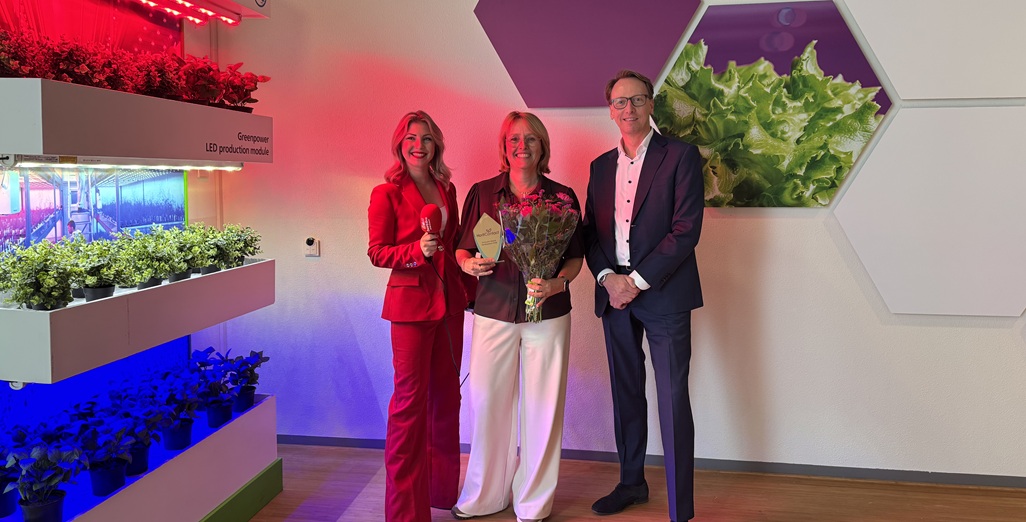
Signify wins HortiContact Innovation Award for Philips intelligent horticulture lighting solutions
“We are incredibly proud of this recognition”
April 7, 2026
Proposed import requirements for fresh blueberries (Vaccinium spp.) for human consumption
Make your submission
March 23, 2026
The Environmental Protection Authority (EPA) maintained the upward trend for hazardous substances decisions in the second quarter of the 2025-26 year.
Dr Lauren Fleury, Manager Hazardous Substances Applications, says the EPA continues to use rapid assessment pathways where possible. Of the 16 approved applications in the second quarter, 13 were decided by rapid assessment.

March 23, 2026
Source Advances Harvest Forecasting for Tomatoes with Next Generation AI Model
Fundamental changes to how the model learns and handles grower input mean significantly less manual work and meaningfully better accuracy.
March 10, 2026
Australia’s horticulture sector has delivered a year of record‑breaking performance
Highest production value to date of $18.4 billion, up 6% on the previous year.
CLASSIFIED