
Sign up here to subscribe to the Grower2grower Ezine. Every two weeks you will receive new articles, specific to the protected cropping industry, informing you of industry news and events straight to your inbox.
24
Aug 2025
Aug 2025
Strawberry New Zealand Conference Review

How to reduce heat from your structures during the warmer months to help maintain good pollination and fruit size
It was a real pleasure and privilege to co-present with Bert Van Giffen from Bert’s Berry Farm at the recent Strawberry New Zealand Conference. Our presentation focused on the importance of reducing heat in tunnels and greenhouses, and the positive impact this can have on pollination, fruit size, and overall crop quality.
How do we control air temperature?
Every growing setup and location is different—meaning there is no “one size fits all” solution. Tailored strategies are required. The key message we wanted to emphasise was simple: test and trial different options to find what works best for your operation.
Shading products and diffused coatings are available and should be considered by all growers, even those using plastic-covered tunnels. When applied at the correct times of year, they can help regulate air temperature and protect crops from the damaging effects of heat.
Why temperature control matters
High temperatures can dramatically affect a strawberry plant’s ability to set fruit and maintain fruit size. The longer you can reduce the negative impact of heat stress, the longer you can sustain consistent production, quality, and shelf life.
High temperature directly impacts:
- Fruit size
- Fruit setting
- Fruit quality
Growing speed: light vs. heat
There’s often a misconception that higher temperatures automatically lead to faster growth and more production. This is not the case. Light, not heat, is the key driver of production (to a point).
- The more light the plant receives, the more energy it can absorb, and the higher the potential yield.
- However, when plant temperatures rise too high, cells divide more rapidly but with less energy available per cell—resulting in smaller cells and, ultimately, smaller fruit.
In other words: light is more important than heat, provided it is managed carefully. Strawberries generally require between 600–700 W/m² of light, while New Zealand conditions often exceed 1,000 W/m². This makes it even more important to use tools that can temper excessive light and heat.
Managing excess light and heat
Of course, too much light can also be a problem. As highlighted in the chart provided by Signify’s Aart Slobbe, when high light levels are coupled with high temperatures, plant stress can increase dramatically.
A layered approach to coatings and shading can be very effective:
- Early in the season: apply a reflective coating to reduce heat while still allowing light through.
- In peak summer: add a second, different shade coating designed to reduce both light intensity and heat load.
This strategy provides flexibility and ensures plants remain productive, fruit quality is protected, and crops maintain resilience throughout the hottest months.

If you are interested to learn more:
Contact:
Bert van Geffen from Bert’s Berry Farm
E: bert@bertsberryfarm.com
or
Stefan Vogrincic
E: stefan@grower2grower.co.nz

Photo Gallery Below
Great to meet Sam Barker from Empak. Providing great tunnel solutions for growers.

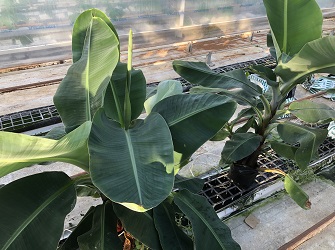
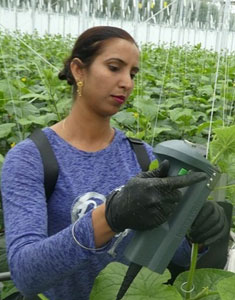
Thanks to Horticentre for allowing us to demonstrate their shade paints to help reduce heat stress. These products used with the correct advice will definitely assist growing operations.

Thanks to Sally King, Executive Manager SGNZ for inviting me to speak at the conference.

The room was full of growers and suppliers.

Great to see Yara supporting this event. This support is incredibly important.
CLASSIFIED














Photo
Gallery





Subscribe to our E-Zine
More
From This Category

April 20, 2026
IFPA Produce Executive Program returning to Auckland
Week-long fully residential program environment facilitates deep level collaboration, learning and engagement
April 20, 2026
Delphy Academy Training – Fertigation in Horticulture
In this online training (English spoken) you will learn about the chemical aspects of nutrients and fertigation, how to read an analysis, and how to make adjustments to the fertilizer recipe. Calculation of your own A and B tank filling from a recipe. The uptake of water and nutrients by the plant and the relationship with pH and EC.
April 7, 2026
The 2026 Hydroponic Farmers Federation Conference (Melbourne) Update
Fast approaching event: Final reminder to register for this important event.
March 23, 2026
Bringing the Sector Together: Covered Cropping NZ Launches
Greater collaboration, stronger representation, and better use of levy funding sit behind the new joint approach from Tomatoes New Zealand and Vegetables New Zealand Incorporated. There has been a call, for several years, that TNZ and VNZI should work together more closely as there are so many similarities amongst the greenhouse sector, including the growers themselves.
March 23, 2026
Energy Under Pressure: Growers Invited to Pukekohe Open Day
Join Tomatoes New Zealand and Vegetables New Zealand on 14 May for site visits and supplier discussions showcasing real-world energy solutions, cost savings, and practical pathways for the season ahead.
March 10, 2026
The 2026 Hydroponic Farmers Federation Conference (Melbourne)
2026 program has been carefully designed to address the key issues currently facing hydroponic growers
CLASSIFIED