

Sign up here to subscribe to the Grower2grower Ezine. Every two weeks you will receive new articles, specific to the protected cropping industry, informing you of industry news and events straight to your inbox.
27
Jul 2020
Jul 2020
A Swedish view on high-wire winter cucumber production
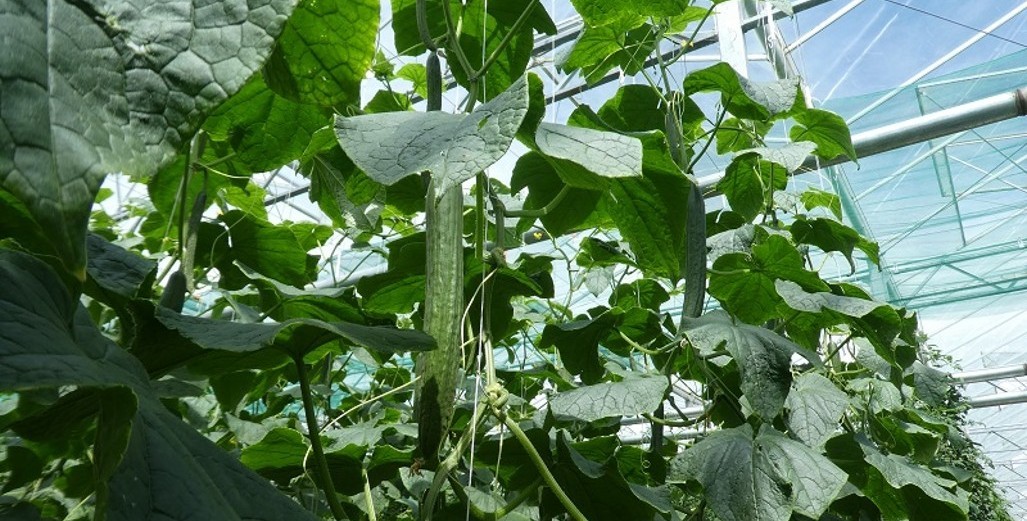
Automatic lowering system
Recently I came across the video, below, from BASF – Nunhems. As well as the fantastic high-tech growing facility in Sweden, the intriguing aspect of this clip was the automatic lowering system. The automatic lowering system is only a short segment of the video but sparked my interest. Profit has to be maintained. However, labour costs, compliance, ever-increasing costs of goods and services are rising faster than the rate of returns. In my opinion this type of automatic lowering system technology should be seriously investigated.
At the present time prices for cucumbers is great, this is generally the case in the NZ Winter. In the long-term growers, that manage costs and maintain productivity, will continue to do well. I can see this type of technology and investment being positive for small and large growers with relatively short return on investment. Well worth watching the video and I would appreciate any feedback. (Stefan Vogrincic)
Roy Rosendahl from Klagstorps Grukodling AB is one of the very few Swedish cucumber growers who are running winter production under lights.
9 years ago, Rosendahl changed from tomatoes to cucumbers. It was not a very big step for him, but growing cucumbers is surely tougher than growing tomatoes. “These plants grow 65 up to 75 centimeters per week in summertime. And the tomatoes maybe did 25. So, it is a much, much bigger challenge”, Roy says.
This is one of the reasons why he equipped his greenhouse with an automatic lowering system. “It means that you have about 60 meters on the roll. And you can lower the whole line in one shot”, he explains. “This also means that there has to be a very even temperature in the greenhouse because otherwise the plants grow much more on one side than on the other.”
Rosendahl explains the benefits of a lighted high-wire cucumber crop: “It is the perfect combination for better fruit quality and to avoid problems with mycosphaerella”. He believes that the Swedish market for winter production has opportunities to develop further, “but the investment in lights is very high so you need to be sure to get a fixed price for the cucumbers”, he adds.
For more information, please contact
Paula OHanlon
Market Development Vegetable Seeds
Mobile: +64 (0) 21 731 009,
Email: paula.ohanlon@vegetableseeds.basf.com
Postal Address: BASF New Zealand Ltd, Level 4, 4 Leonard Isitt Drive, 2022 Auckland, New Zealand
http://www.nunhems.com/www/NunhemsInternet.nsf/id/CW_EN_AUS

CLASSIFIED











Subscribe to our E-Zine
More
From This Category
September 7, 2026
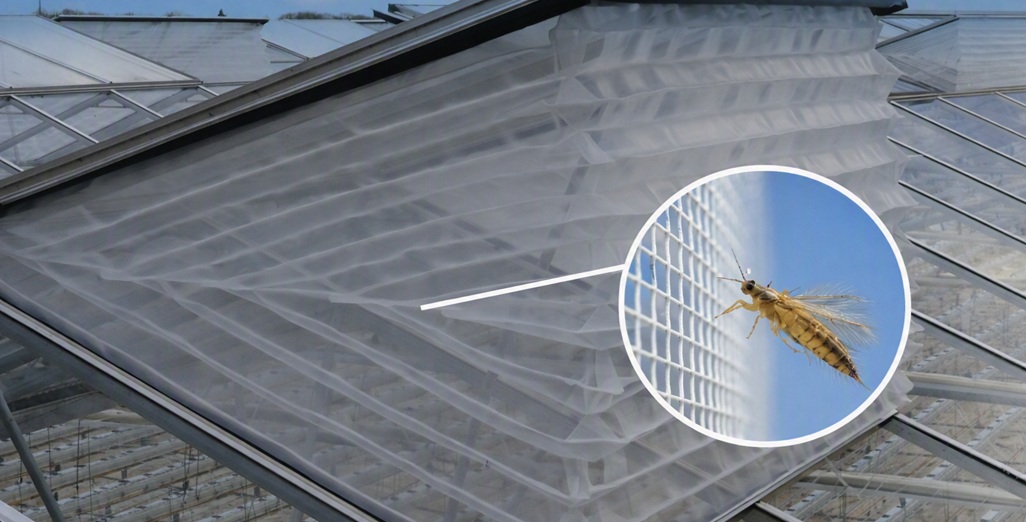
Keeping the Door Shut: Are Insect Screens the Next Step in Greenhouse IPM?
As thrips and other pest pressures continue to increase, it may be time to rethink how we stop pests entering the greenhouse in the first place. As we head into spring, and following the recent Mini Covered Cropping NZ Conference, one pest issue continues to stand out: the ever-increasing threat posed by thrips.
August 11, 2026
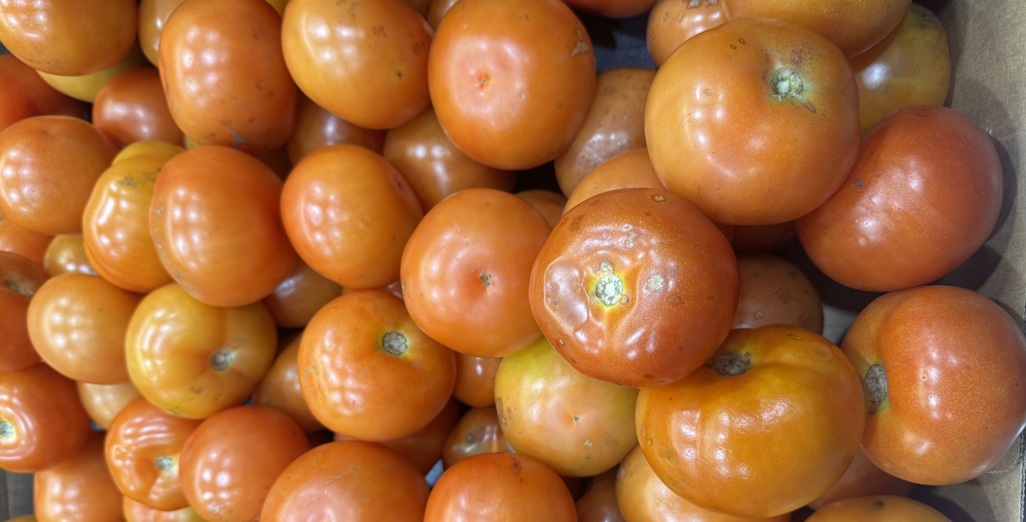
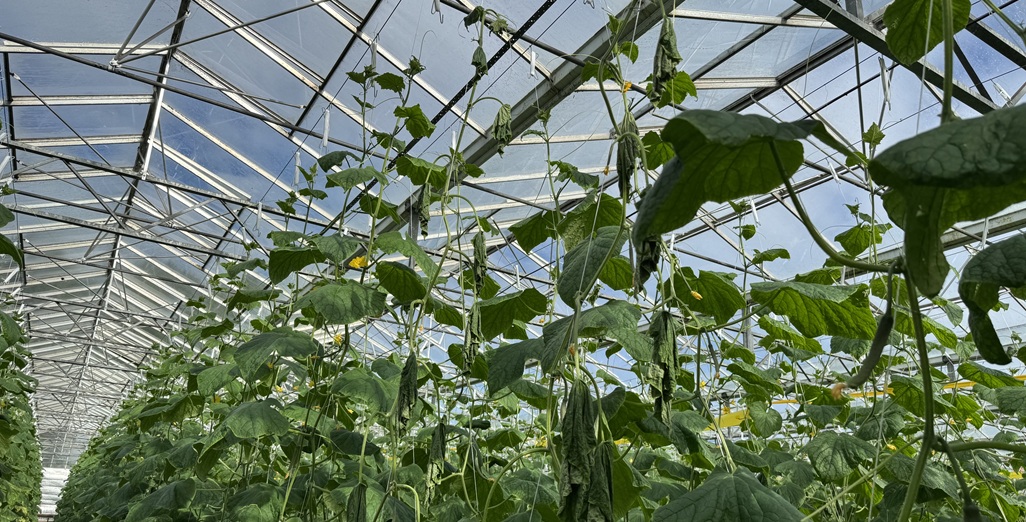
Cucumber Grafting: Insurance Policy or Unnecessary Cost?
Grafting can provide a stronger root system and valuable insurance against root-zone problems – but it won’t protect the canopy from fungal disease.
July 27, 2026
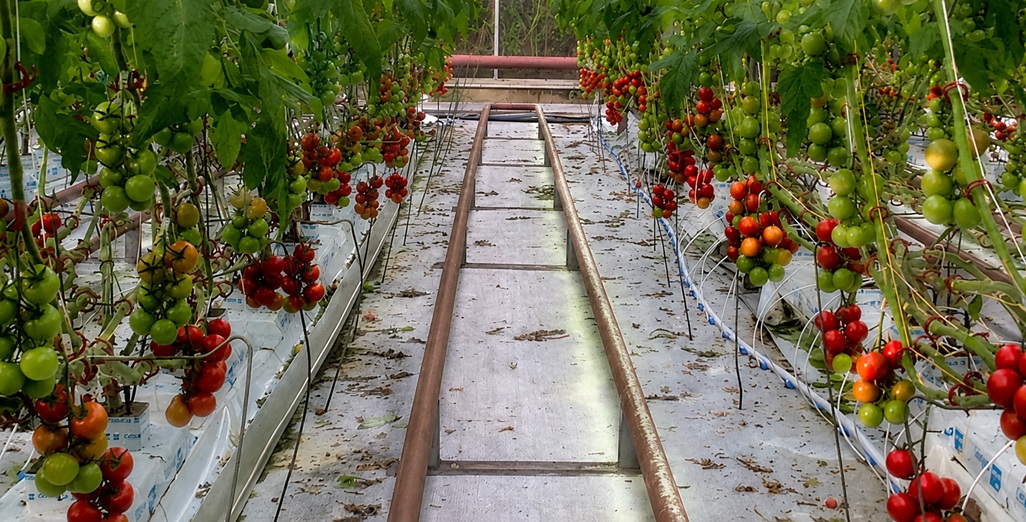
Combating Leaf Mould and Powdery Mildew in Greenhouse Tomatoes 2026
It's been eight years since I first wrote about controlling leaf mould. While many of the principles still apply, growers now have more tools available, making it a good time to revisit what works and where disease management is heading.
July 27, 2026
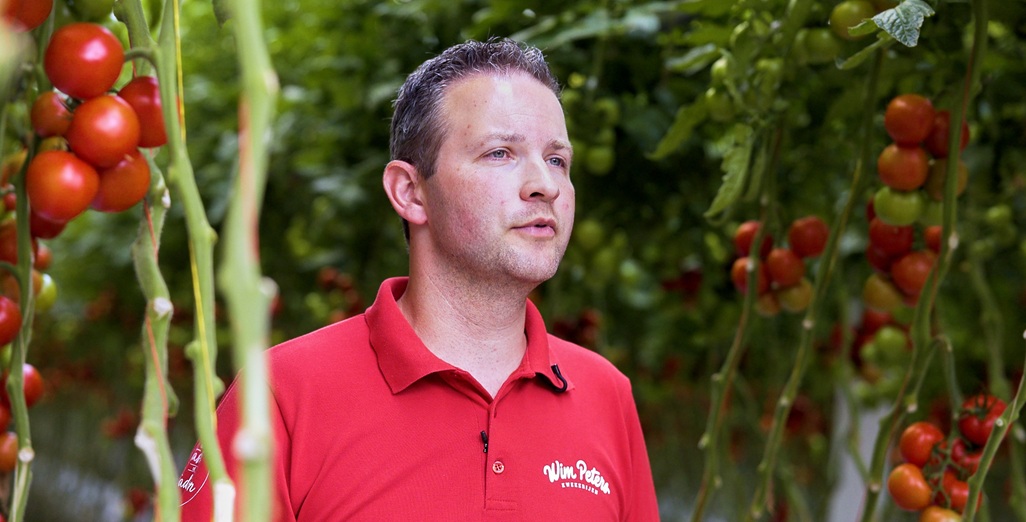
GrowWise smart spectrum helps growers save energy or boost crop growth through automated spectrum optimization
“With just a few clicks, we achieved approximately 2% more light on the crop”
July 13, 2026
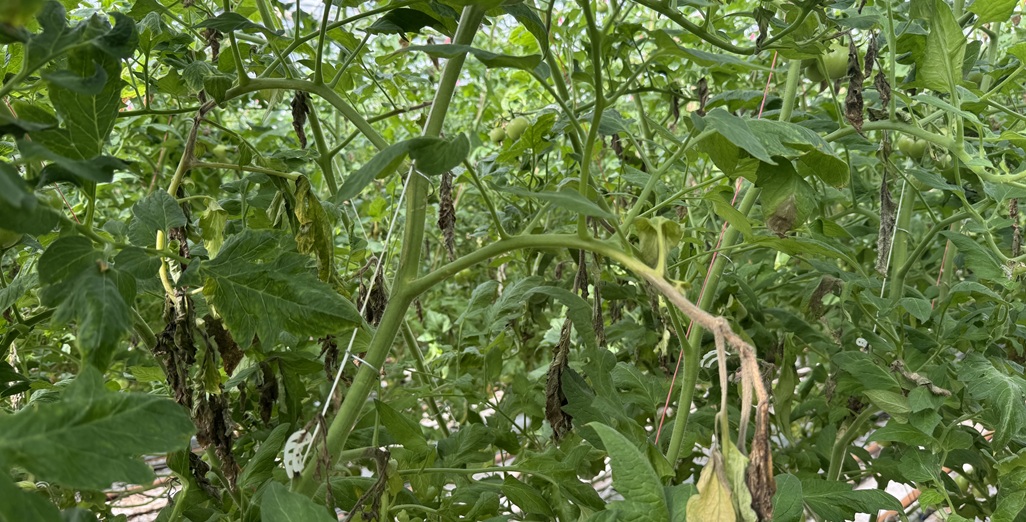
Why Botrytis has become such a challenge this winter
The objective is not to grow a vegetative crop or a weak generative crop. The objective is to grow a balanced crop with enough vigour to support the fruit load while maintaining healthy leaf quality.
CLASSIFIED