

Sign up here to subscribe to the Grower2grower Ezine. Every two weeks you will receive new articles, specific to the protected cropping industry, informing you of industry news and events straight to your inbox.
20
Jun 2022
Jun 2022
Another year and a similar story
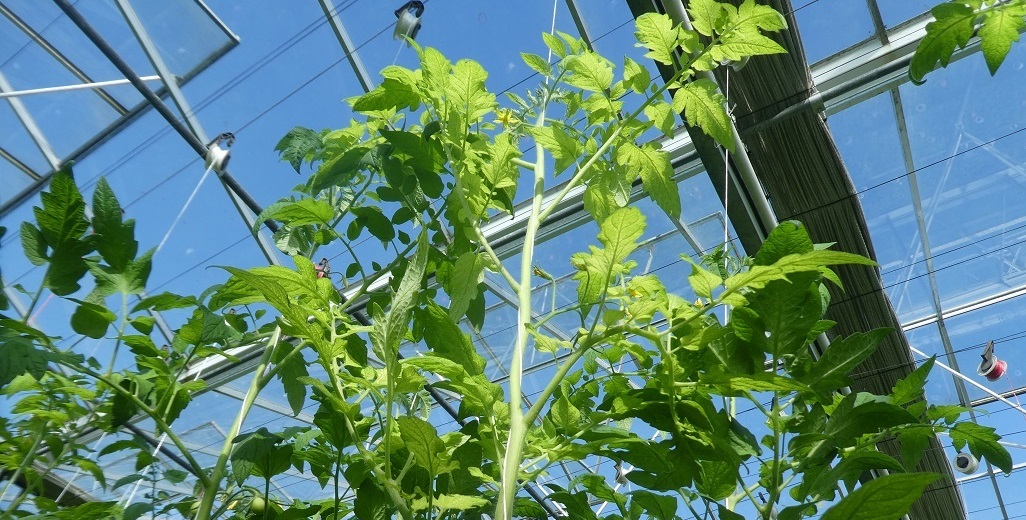
A reminder to growers as why they may be having issues with Chlorosis
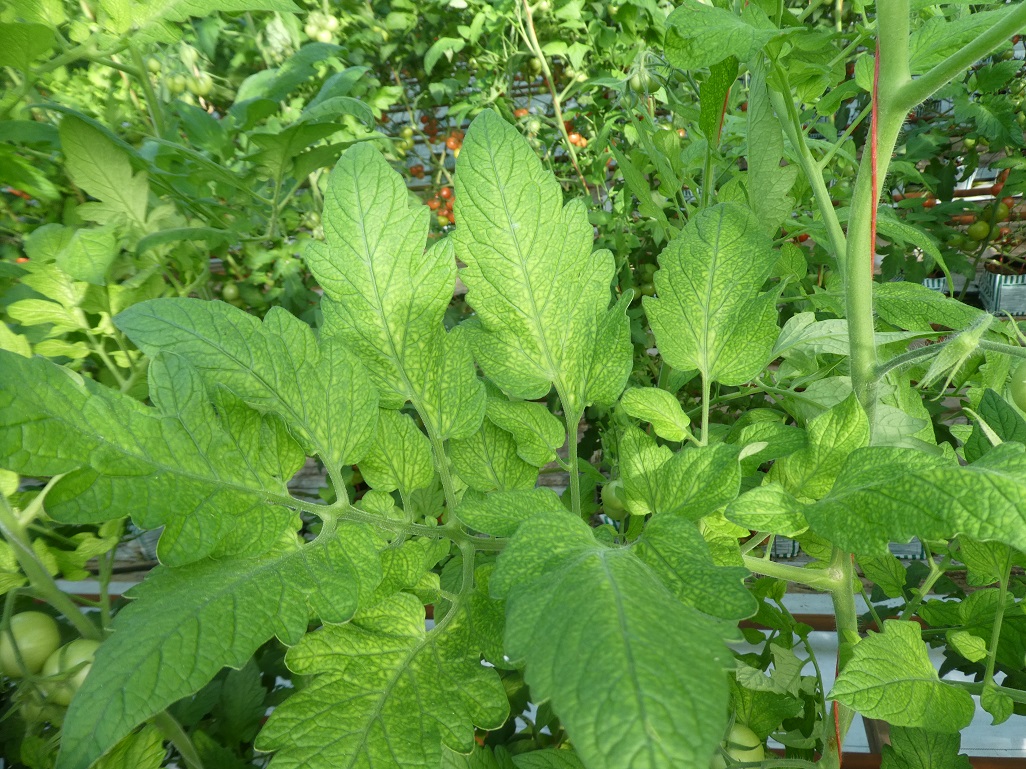
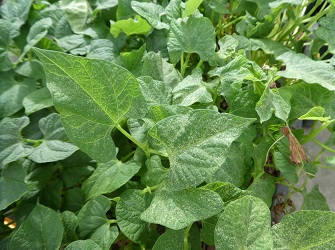
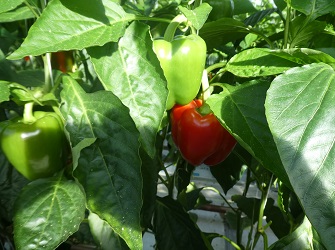
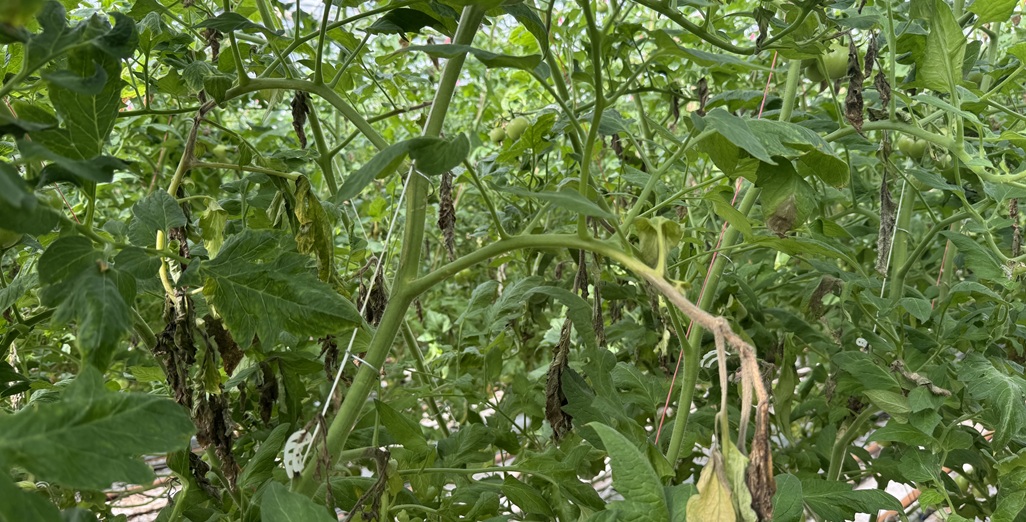
Last week I witnessed crops with severe chlorosis. It was on plants that were at full load and harvesting. The weather in April and May was ideal for greenhouse crops. This has had an effect on the size of the fruit, a positive impact, however as the weather quickly changed and we are on the shortest day the crops are now impacted by this higher than usual crop load. Plants were thinning and struggling with the high crop load. To make matters worse, due to low prices, growers in general were leaving the fruit on the plants longer in the hope ‘next week’ the price would improve. My word of advice, harvest normally, get the fruit of the plant and relieve the plant.
The risk with leaving the fruit on the plants will come back to bite as it will severely impact on production in August. The flowers that are setting now are going to be on a weak truss, the pruning will have to match the strength of the plant and the light levels. The trusses that are setting now will be worth a lot more in 8 weeks’ time so it is important to make sure the fruit setting now is good and the truss has vigour.
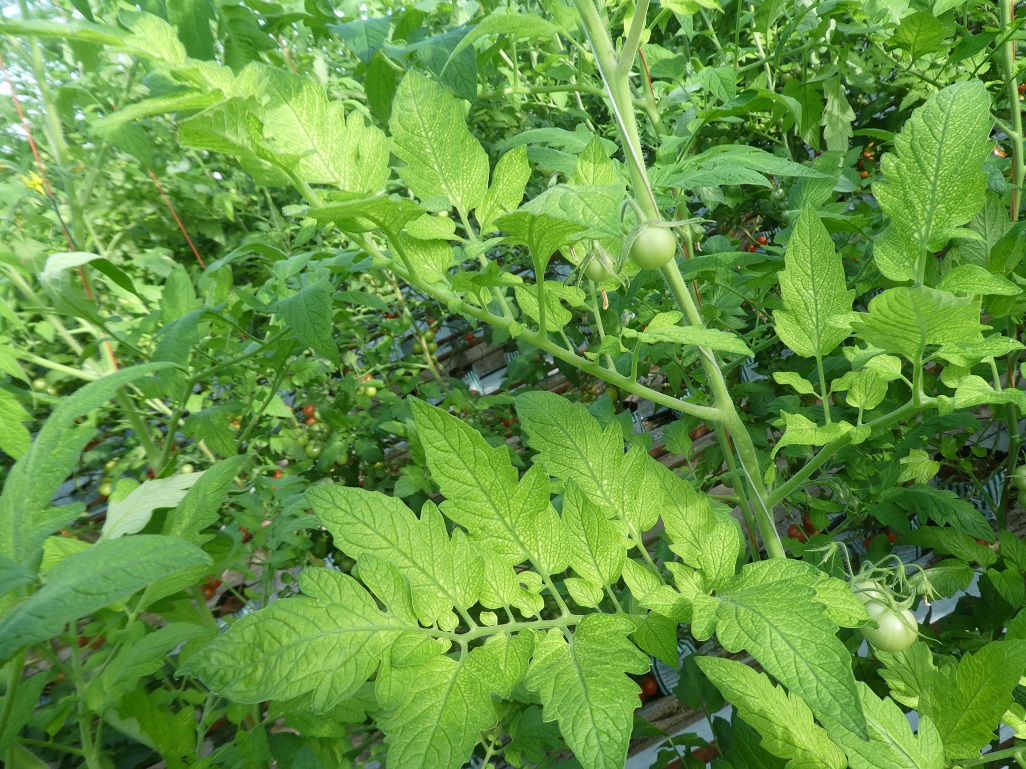
The deficiency can be helped by increasing Iron and Manganese and forcing the plant to uptake these elements. It is winter – you are irrigating less so make sure you increase fertiliser levels in general. If you are recycling have regular water analysis to check the levels in the combined fresh and recycled applied water. Talk to your local fertiliser specialist about this or if you are one of my customers, please contact me to discuss. However, there are some other important physical factors that will also help, very simply don’t let cold air on the heads. The weather will become cold and with prices so low I know growers are reluctant to heat but think of the long game.
Article written and compiled by Stefan Vogrincic
All Article’s checked and edited by Marie Vogrincic
I appreciate your comments. Please feel free to comment on the grower2grower Facebook page:
CLASSIFIED



















Photo
Gallery


Subscribe to our E-Zine
More
From This Category
August 11, 2026
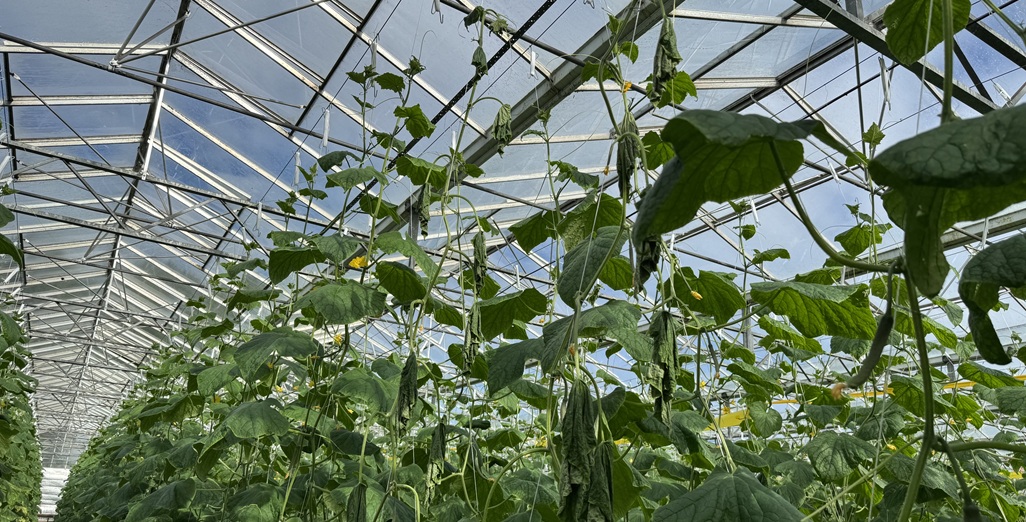
Cucumber Grafting: Insurance Policy or Unnecessary Cost?
Grafting can provide a stronger root system and valuable insurance against root-zone problems – but it won’t protect the canopy from fungal disease.
July 27, 2026
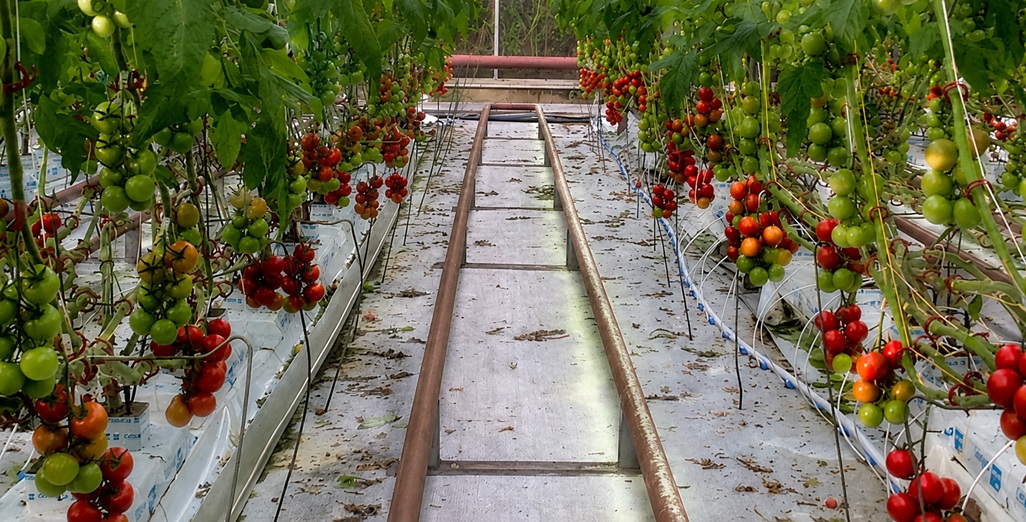
Combating Leaf Mould and Powdery Mildew in Greenhouse Tomatoes 2026
It's been eight years since I first wrote about controlling leaf mould. While many of the principles still apply, growers now have more tools available, making it a good time to revisit what works and where disease management is heading.
July 27, 2026
GrowWise smart spectrum helps growers save energy or boost crop growth through automated spectrum optimization
“With just a few clicks, we achieved approximately 2% more light on the crop”
July 13, 2026
Why Botrytis has become such a challenge this winter
The objective is not to grow a vegetative crop or a weak generative crop. The objective is to grow a balanced crop with enough vigour to support the fruit load while maintaining healthy leaf quality.
July 13, 2026
Philips LED lighting enables precise winter growing at Truly Green Farms (Canada)
For Truly Green Farms, winter tomato production depends on having the right lighting system in place.
CLASSIFIED