

Sign up here to subscribe to the Grower2grower Ezine. Every two weeks you will receive new articles, specific to the protected cropping industry, informing you of industry news and events straight to your inbox.
2
Jul 2018
Jul 2018
Aspects of Labour Management
Aspects of Labour Management
An insight into a large Australian greenhouse companies labour structures and policies
Chris Millis, director of Flavorite Hydroponic Tomatoes, has been growing tomatoes for 25 years. The family owned business consists of 25 ha of glasshouses in Warragul, Victoria, Australia, including a commercial propagation nursery, packing, distribution and production glasshouses. The business currently employs 350 staff.
At the HFF conference in Melbourne last week Chris presented aspects of his companies labour management policies. With an industry well known for a high annual turnover of staff, policies have been put in place to reduce staff turnover to 20% annually. The cost of labour is over 50% of Flavorite’s cost of production, it is a major priority to have good, fair, robust policies in place.
Flavorite use a strategy called SWOT analysis (Strengths, Weaknesses, Opportunities and Threats)
- Strengths: What does your organisation do better than your competition? (Internal)
- Weaknesses: What does your organisation need to improve upon? (internal)
- Opportunities: What market trends could lead to increased sales? (External)
- Threats: What are the advantages competitors have over your organisation (External)
There are many challenges that face the business. It is an industry that employs many young workers. There is a skill shortage, the location of the property adds more logistical and accommodation issues especially when the seasonal workers are employed in the summer months. These are some of the challenges taken into account when setting out employment policy.
With this in mind there are benefits having a recruitment strategy and structures in place to make sure the correct people are being employed.
Three key objectives the company is trying to achieve is:
- Strong pool of applicants
- Accurate screening
- Reduced turnover and higher morale
Remuneration practices:
- Recognise and Reward
- Benchmark (external and Internal)
- Fair pay practices
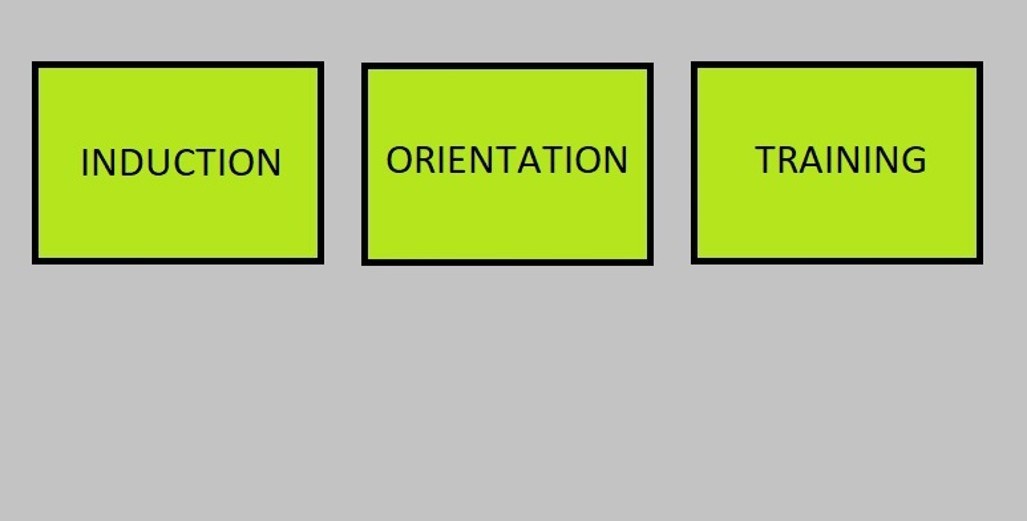
When a person is hired than there are three important phases:
- Induction
- Orientation
- Training
New employees are buddied up with experienced staff members who become their mentors. Before the new employee starts they are given the opportunity to experience being on a high trolley to get a feel for the work that is involved and that they are comfortable working up high. Employees expectations can differ so this eliminates disappointment when beginning work in the greenhouses. This reduces the number of staff who leave after one day or a short period of time as it was not what they expected.
Performance Review:
Orientation is conducted when an employee starts work. They are assessed after day one and again after the first two weeks. It is only if they are successful after these periods KPI’s are put in place. Probation reviews are conducted at 3 months and again at 5 months with a performance appraisal held at 12 months.
Flavorite encourage general workers to engage with senior staff about any concerns they might have. It is very important that any issues, such as not liking the music on a particular radio station, are addressed. The following points are parts of the philosophy behind their labour policies.
Engagement:
- Better engagement means better productivity
- Engaged employees are less likely to quit
- Engaged employees are positive
- Employees feel satisfied when they’re engaged
- Engaged employees are better communicators
- Engaged employees are more creative
Flavorite have an incentive plan in place maintaining a strong workforce by rewarding their staff for extra productivity. They acknowledge staff frequently with gifts, such as baby onesies for staff members who have new arrivals, of course with a Flavorite logo on them. Attracting new workers is hard work and marketing the industry from different pathways is crucial for capturing the attention of potential new workers. Some of the avenues are listed below:
To improve industry awareness and increase the talent pipeline the following initiatives are used:
- Farm Tours: expose students to the industry
- Job fairs: markets the industry to students
- Work Experience: ‘Taster’ employment during senior school years
- Broadening Horizons: Partner with high school students as mentors
- SBATs: School based traineeships
- Internships: Hosted internships for university students
- Academic Partnerships: Scholarships with TAFE and Universities
Company Feedback: "We all need people who will give us feedback. That’s how we improve". Bill Gates, Microsoft.
This is just a brief rundown of the presentation from Chris. It is an extremely large undertaking to employ over 350 people and it certainly demonstrates how important, in such a competitive job market, having a strong and robust labour management policy is.
I appreciate your comments. Please feel free to comment below or on the grower2grower Facebook page:
https://www.facebook.com/StefanGrower2grower/
Article Written by Stefan Vogrincic, Consultant, Grower2Grower
CLASSIFIED












Subscribe to our E-Zine
More
From This Category

October 20, 2026
Powerplants – Purpose built facility will support leading research in crop production
The University of Tasmania is investing in the future of Australian agriculture with the development of a state of the art research greenhouse complex at its Newnham Campus in Launceston.
August 25, 2026
EPA seeks feedback about treated seed
The Environmental Protection Authority (EPA) is asking for feedback on a proposed group standard for treated seed.

August 25, 2026
A Well-Deserved Thank You to Barry O’Neil
Eight years at the helm of TomatoesNZ recognised with Lifetime Achievement Award. At the recent Covered Cropping NZ Conference and TomatoesNZ AGM, Barry O’Neil was presented with a Lifetime Achievement Award in recognition of his outstanding contribution to TomatoesNZ and the wider covered cropping industry. The award also marked the end of an eight-year chapter, with Barry stepping down after eight years as Chair of the TomatoesNZ Board.
August 11, 2026
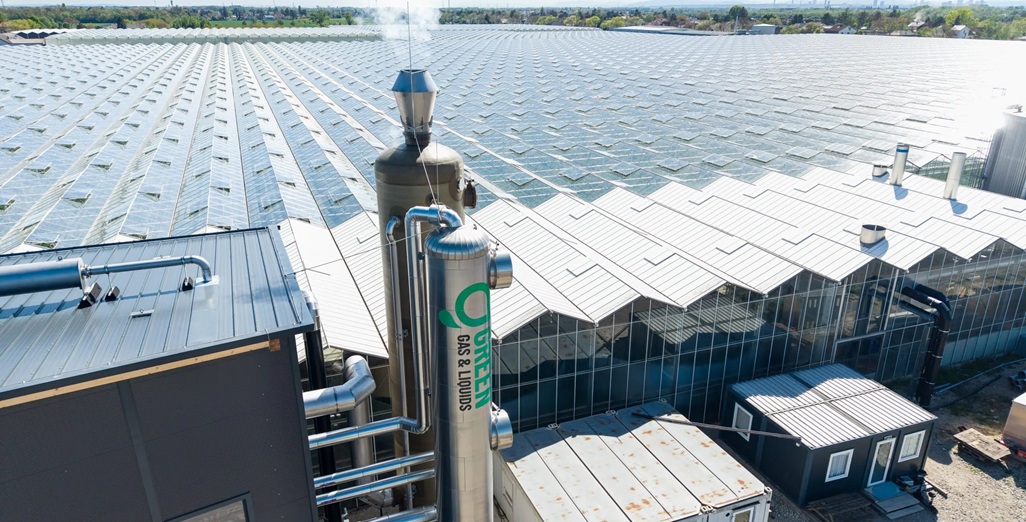
CO₂ Capture for Greenhouses Without Liquefaction —
How Galloxol® Changes the Economics
July 14, 2026
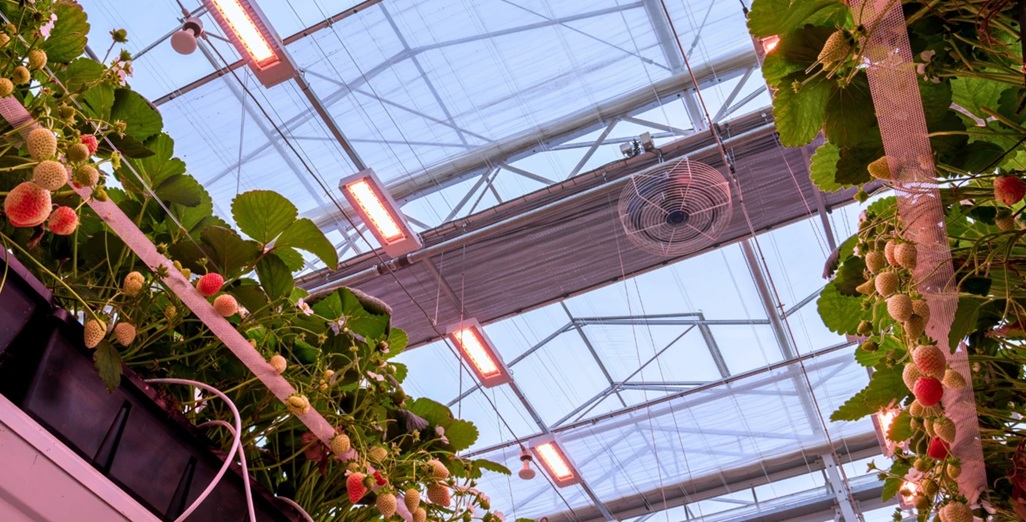
More air movement, fewer gaps, more energy savings
"The major challenge in the energy transition is to continue growing healthy and vital crops with less energy"
July 13, 2026
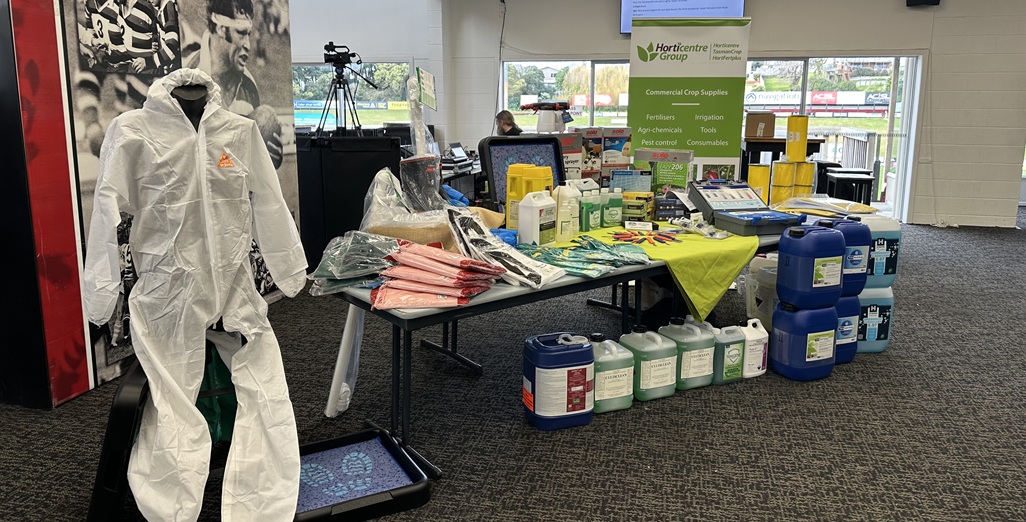
Covered Cropping NZ Conference: A Day of Practical Learning and Industry Connection
Wednesday, 12 August, at LaValla, Tuakau, South Auckland
CLASSIFIED