

Sign up here to subscribe to the Grower2grower Ezine. Every two weeks you will receive new articles, specific to the protected cropping industry, informing you of industry news and events straight to your inbox.
23
Dec 2021
Dec 2021
Auckland Regional Fuel Tax
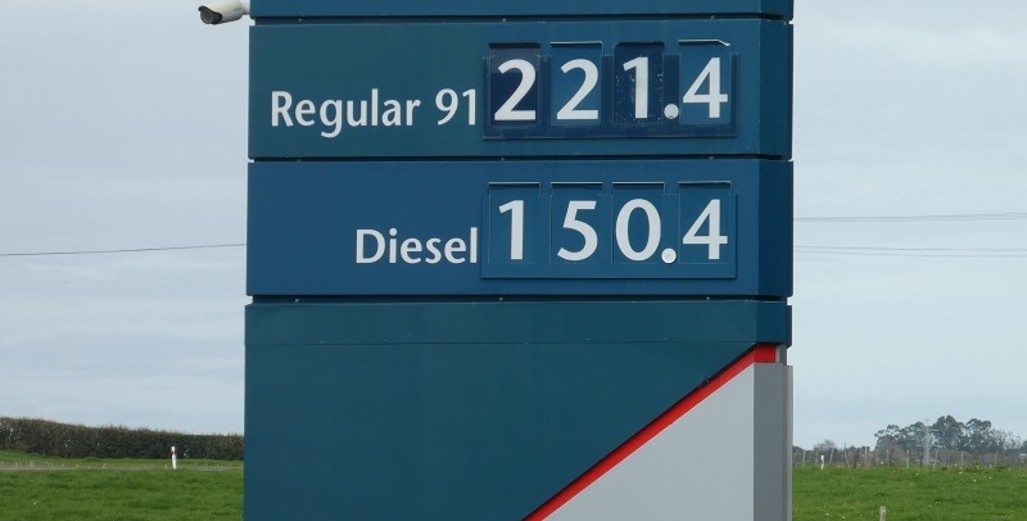
Another TAX for growers to add to their list
With the recently introduced Auckland Regional Fuel Tax (ARFT), Auckland growers now have increased fuel costs to pay for. Not only is there increased cost for the transport of produce and goods within the region for growers, there is also the increased cost for off road farm vehicles which has been pointed out. It has dawned on me that I am even being taxed more to mow my lawns! Unfortunately, it is not a simple case of being able to sell your product for more to recoup your increased costs, if only it was that easy.
For growers, close to but not in the Auckland region I would be concerned how the ARFT could potentially start to affect you. Over the past month I have done a quite a bit of travelling in Auckland, Waikato and the Bay of Plenty, thus refuelling in multiple destinations. As I was driving to Rotorua last month I decided to fill up in Matamata (Diesel), this turned out to be a great idea, it cost $1.39 per litre compared to $1.56 per litre in Pukekohe. During the return trip I decided to top up again in the Waikato and thought I would do so in Tirau but to my amazement the price was $1.51! I thought “wow in two days the price has risen in the Waikato!” Yeah right! I decided not to fill up but to drive back through Matamata to see what the fuel price was, to my relief still $ 1.39. What is going on! Is this just good competition between fuel companies.
Last weekend I was in Tauranga and noticed the price in the Bay of Plenty was as low as $1.34 and as high as $1.44 per litre. I drove back to Auckland on Monday morning only to notice that the closer I got to Auckland the difference in diesel prices at different stations. In Paeroa there was over 7 cents different in price between 3 suppliers only two kilometres apart. The further north the higher the price. Without, making any accusations and only from observation, the question I have is the ARFT causing a ‘knock on” effect with fluctuating pricing from surrounding regions. Personally, I have travelled a lot in these areas in the past ten years and it could be I have not taken much notice before but I don’t recall seeing such a difference in the price of fuel in the regions.
There are two things you can’t avoid in life – death and taxes. I understand the need to pay tax, it is what provides the pivotal services we all need. However, I question the fairness of the ARFT and the different playing field it appears to have created. I understand how improvements to the Auckland transport system, paid for by the ARFT, will potentially benefit Aucklanders and the rest of New Zealand but I also understand the need to be fair to prevent resentment.
I appreciate your comments. Please feel free to comment below or on the grower2grower Facebook page:
https://www.facebook.com/StefanGrower2grower/
Article Written by Stefan Vogrincic, Consultant, Grower2Grower
CLASSIFIED












Subscribe to our E-Zine
More
From This Category

October 20, 2026
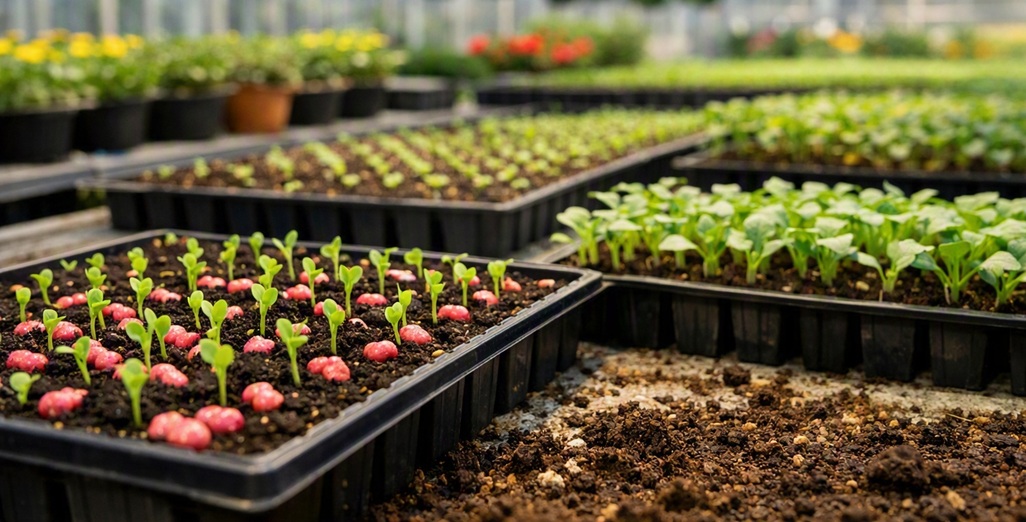
Powerplants – Purpose built facility will support leading research in crop production
The University of Tasmania is investing in the future of Australian agriculture with the development of a state of the art research greenhouse complex at its Newnham Campus in Launceston.
August 25, 2026
EPA seeks feedback about treated seed
The Environmental Protection Authority (EPA) is asking for feedback on a proposed group standard for treated seed.

August 25, 2026
A Well-Deserved Thank You to Barry O’Neil
Eight years at the helm of TomatoesNZ recognised with Lifetime Achievement Award. At the recent Covered Cropping NZ Conference and TomatoesNZ AGM, Barry O’Neil was presented with a Lifetime Achievement Award in recognition of his outstanding contribution to TomatoesNZ and the wider covered cropping industry. The award also marked the end of an eight-year chapter, with Barry stepping down after eight years as Chair of the TomatoesNZ Board.
August 11, 2026
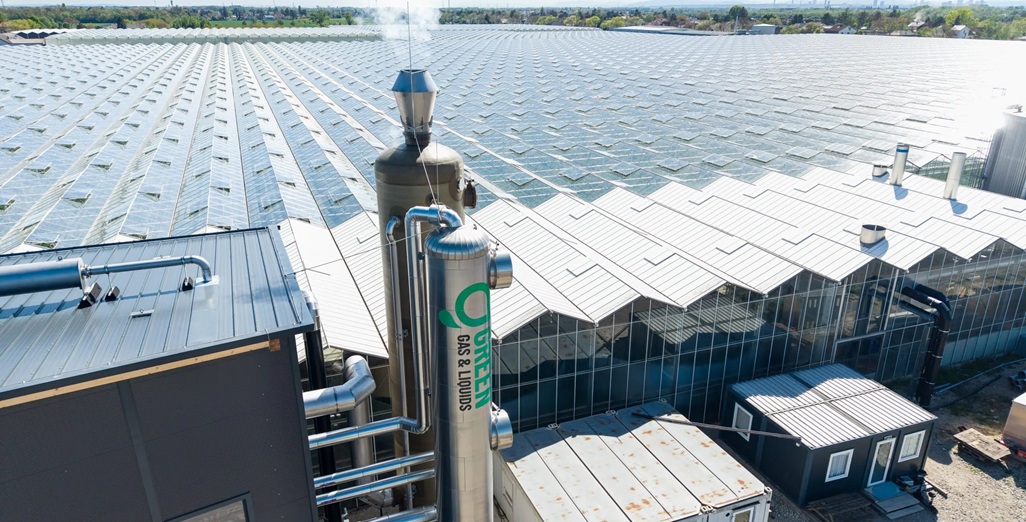
CO₂ Capture for Greenhouses Without Liquefaction —
How Galloxol® Changes the Economics
July 14, 2026
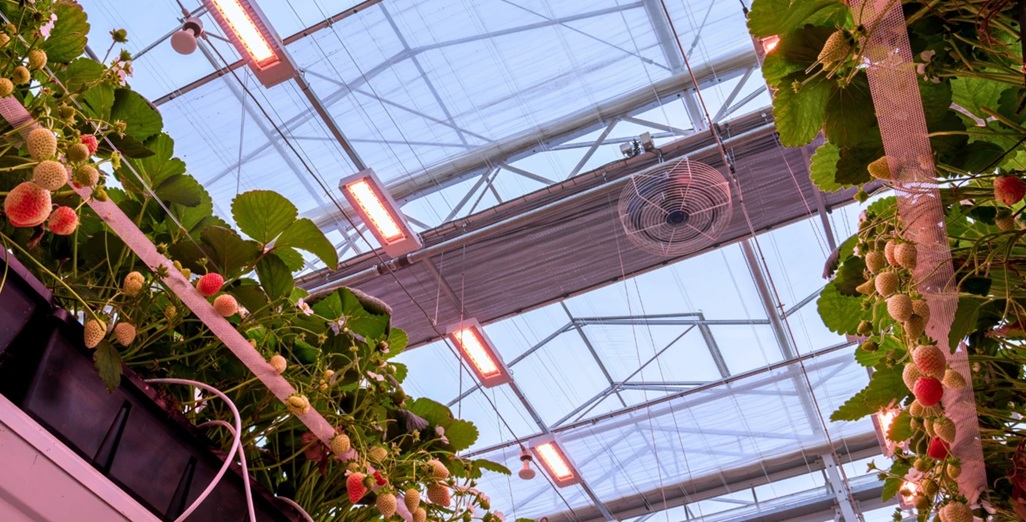
More air movement, fewer gaps, more energy savings
"The major challenge in the energy transition is to continue growing healthy and vital crops with less energy"
July 13, 2026
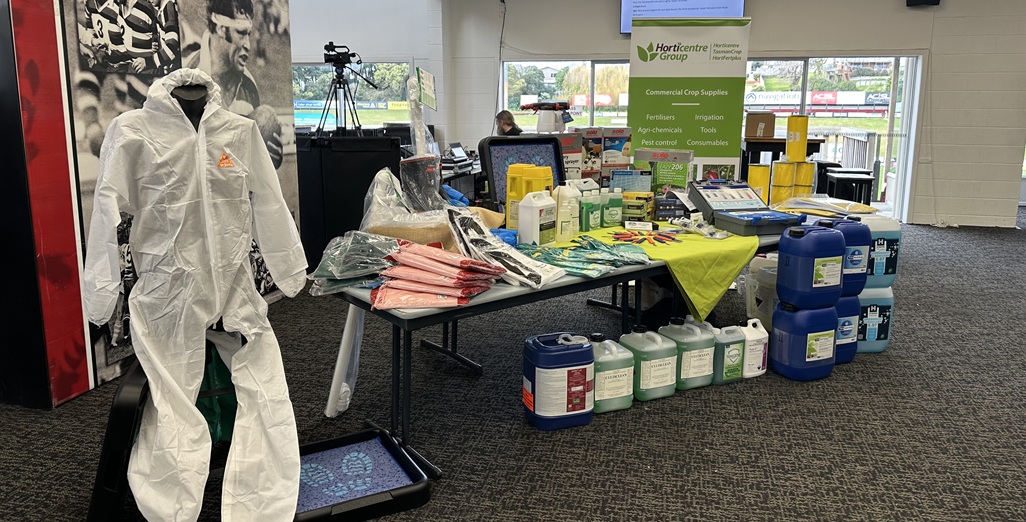
Covered Cropping NZ Conference: A Day of Practical Learning and Industry Connection
Wednesday, 12 August, at LaValla, Tuakau, South Auckland
CLASSIFIED