
Sign up here to subscribe to the Grower2grower Ezine. Every two weeks you will receive new articles, specific to the protected cropping industry, informing you of industry news and events straight to your inbox.
12
Oct 2021
Oct 2021
Autonomous Greenhouse Growing is a Reality
Growers’ roles will change
Opinion:
Recent autonomous greenhouse challenges have proven to be very interesting with the ‘non growers’ coming out on top. It is a reminder how the industry is evolving and plants could be grown autonomously.
This may cause some concerns for growers but it really excites me. I view this as an opportunity for any grower to concentrate on the day to day running of the operation without necessarily being bogged down analysing data. Instead of making experienced, informed but never the less ‘gut instinct’ decisions, growing of the plants could be made by an autonomous programme. As a grower or advisor, you form opinions and figure out what a balanced plant should looks like. However, we are mostly reactive to a plant showing signs of strength and weakness by altering temperatures, humidity, irrigation settings and fruit load. There is still planning, I always analyse the current balance of any crop and use this to advise on future fruit loading for instance but it is not an exact science.
A real time example is temperature – if you have a very sunny day, you may wish to increase 24-hour temperature and conversely less if the weather is poor. Manually changing the temperatures is possible but the setpoints we use are from experience rather than exactly what is required for ‘real time’ optimum growth. Even though there are already computer systems that can increase or decrease temperature, if certain light levels are reached, these are fixed settings and require manual changes/inputs. Imagine if every day your temperature achieved matched the exact light levels and if the plant still exceeded growth targets, which were automatically and real time observed via cameras, then the temperature was altered automatically to reach that growth and production optimisation.
I find the possibilities are mind boggling. You may think – ‘hang on this guy is going to do himself out of a job’, this may be true but you cannot stop progress and the ever-increasing requirement for sustainability, which in this case is making sure every resource you have is used to its optimum. If I was using too much temperature, wasting fertiliser or any other precious resource I would want to know, wouldn’t you? It can only be better for the environment, the consumer and your back pocket.
It may be possible that the grower (operator) of your business is sitting in an office on the other side the world analysing data and making alterations to your crops if necessary. These specialised growers/advisors will probably also send you a work schedule or they may even programme your automatic de-leafing machines to remove foliage when necessary. Those robots may even be integrated with the programme that when the plant reaches a certain leaf area index they start working instantly, yes even on a Sunday.
I think there will always be a need for onsite-growers but their roles may change to a manager/organisational role. Below is a link to the GreenTech website on Autonomous growing in the future. It is well worth viewing.
https://www.greentech.nl/news/food-for-thought/the-age-of-the-autonomous-greenhouse-has-begun/

Article written and compiled by Stefan Vogrincic
All Article’s checked and edited by Marie Vogrincic
I appreciate your comments. Please feel free to comment on the grower2grower Facebook page:
https://www.facebook.com/StefanGrower2grower/
CLASSIFIED











Subscribe to our E-Zine
More
From This Category
September 7, 2026
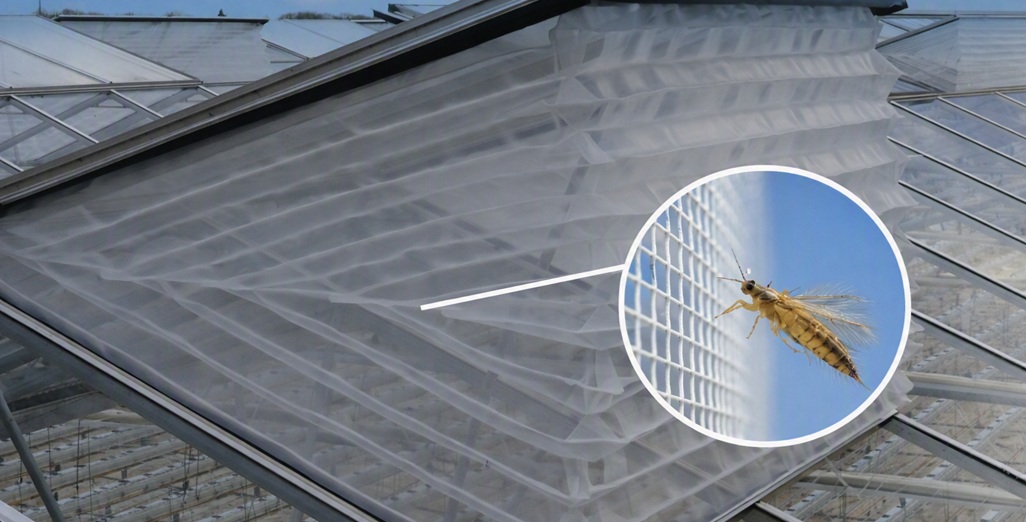
Keeping the Door Shut: Are Insect Screens the Next Step in Greenhouse IPM?
As thrips and other pest pressures continue to increase, it may be time to rethink how we stop pests entering the greenhouse in the first place. As we head into spring, and following the recent Mini Covered Cropping NZ Conference, one pest issue continues to stand out: the ever-increasing threat posed by thrips.
August 11, 2026
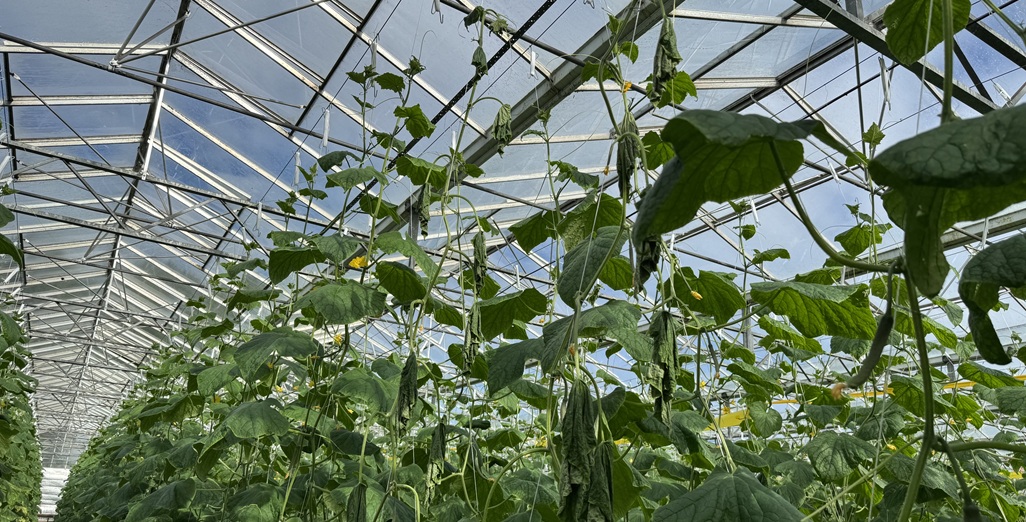
Cucumber Grafting: Insurance Policy or Unnecessary Cost?
Grafting can provide a stronger root system and valuable insurance against root-zone problems – but it won’t protect the canopy from fungal disease.
July 27, 2026
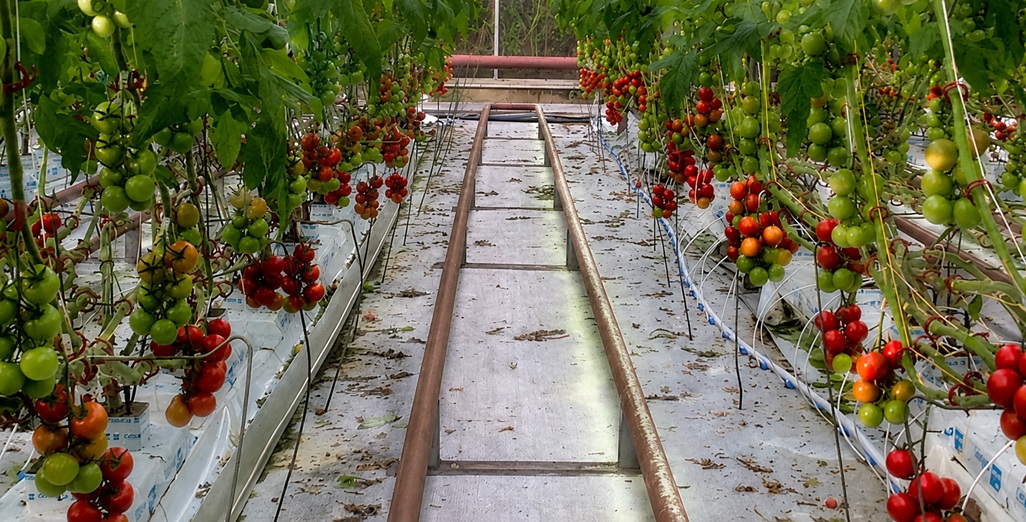
Combating Leaf Mould and Powdery Mildew in Greenhouse Tomatoes 2026
It's been eight years since I first wrote about controlling leaf mould. While many of the principles still apply, growers now have more tools available, making it a good time to revisit what works and where disease management is heading.
July 27, 2026
GrowWise smart spectrum helps growers save energy or boost crop growth through automated spectrum optimization
“With just a few clicks, we achieved approximately 2% more light on the crop”
July 13, 2026
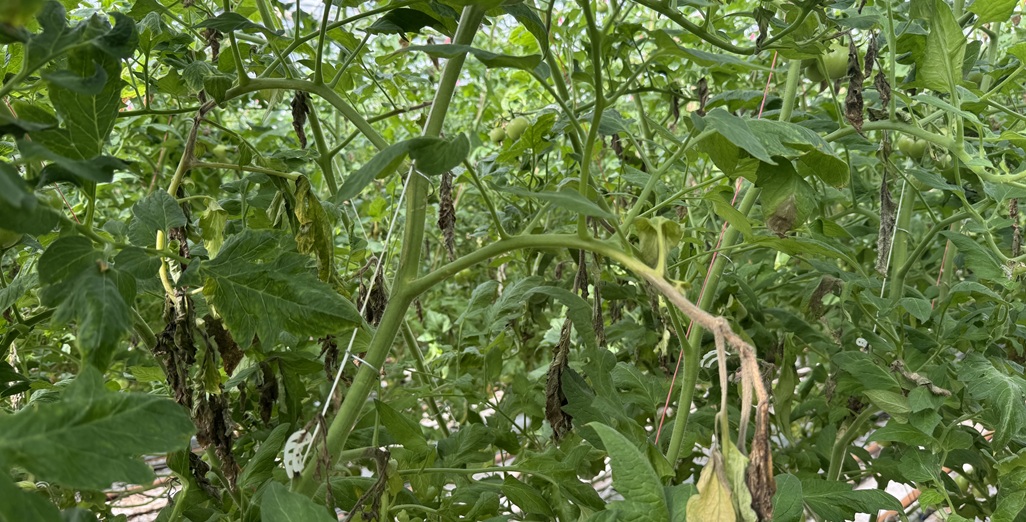
Why Botrytis has become such a challenge this winter
The objective is not to grow a vegetative crop or a weak generative crop. The objective is to grow a balanced crop with enough vigour to support the fruit load while maintaining healthy leaf quality.
CLASSIFIED