
Sign up here to subscribe to the Grower2grower Ezine. Every two weeks you will receive new articles, specific to the protected cropping industry, informing you of industry news and events straight to your inbox.
6
Oct 2020
Oct 2020
Banking a Greenhouse
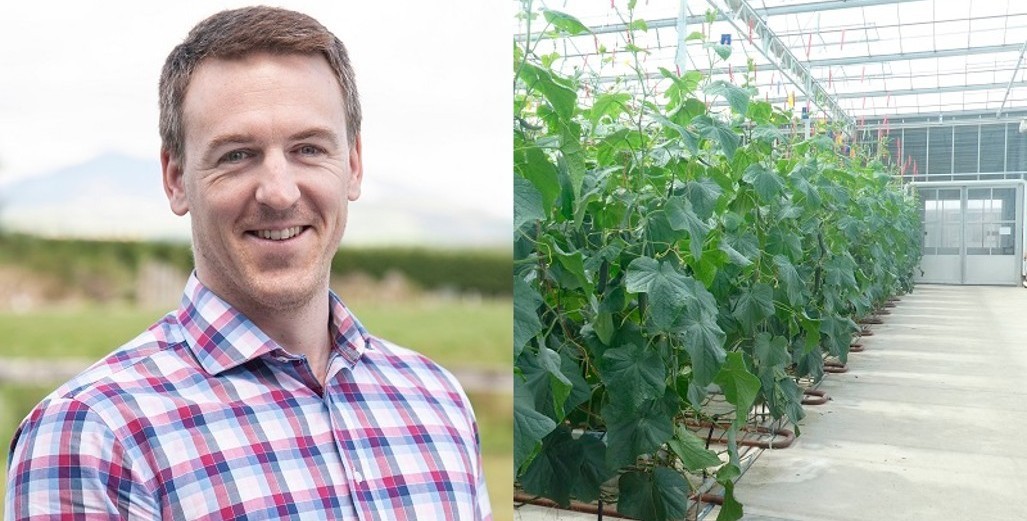
By Mat Wood – Partner at CrediFlex
The banking and finance sector in New Zealand is constantly changing which directly affects many industries, particularly in the agriculture and horticulture sectors – the backbone of NZ.
On top of upcoming regulatory changes around capital adequacy requirements (the amount of money banks must hold in relation to the money they lend out), lending appetites have changed with the emergence of Covid-19.
The good news is that finance for a greenhouse doesn’t need to be hard. It does need to be thorough and any bank will want to tick all their boxes before committing to a new or existing client. For instance, they will want to know how Covid has affected your business and the position you’re in post-covid vs pre-covid.
There are a number of things you as a business owner can do to get the best possible outcome when talking to your bank or broker, and to ensure you are prepared for market volatility.
- Banks will be looking for high quality financial reporting so make sure your financial accounts are current and that you have a quality reporting system that can produce interim trading figures if and when required.
- Many lenders will want to see forecasts and it does make sense to prepare business forecasts each year and measure your performance against projections. Forecasts should include commentary around key numbers so that lenders can clearly understand the information provided.
- Know what your assets are worth. Banks and finance companies will be looking closely at your loan to value ratio (LVR) so it pays to keep a register of key security (land, buildings, or machinery), review values annually and have a clear understanding of your bank’s LVR requirements if applicable.
- Most banks now require a current statement of personal position so don’t be offended if you are asked for one. Keep a copy to make things easier to update.
- Preserve liquidity. Make sure you have sufficient lines of credit to meet economic and seasonal challenges and don’t use your overdraft for capital purchases.
- Keep a careful eye on your debtor’s ledger and address any slow payers immediately.
Remember, banks and finance companies have different policies around horticultural finance. If it’s plant and machinery finance for instance, some lenders will insist on a deposit even for new equipment while others offer no deposit loans at good rates for second hand equipment. It all depends on you, your business, and the lender.

learn more about this article or to assist with finance solutions contact Mat today:
M: 027 346 6669
E: matwood@crediflex.co.nz
W: www.crediflex.co.nz
CrediFlex are New Zealand’s largest Commercial & Asset Finance Broker – specialists in finding finance solutions for your business
.jpg)
CLASSIFIED












Subscribe to our E-Zine
More
From This Category
June 29, 2026
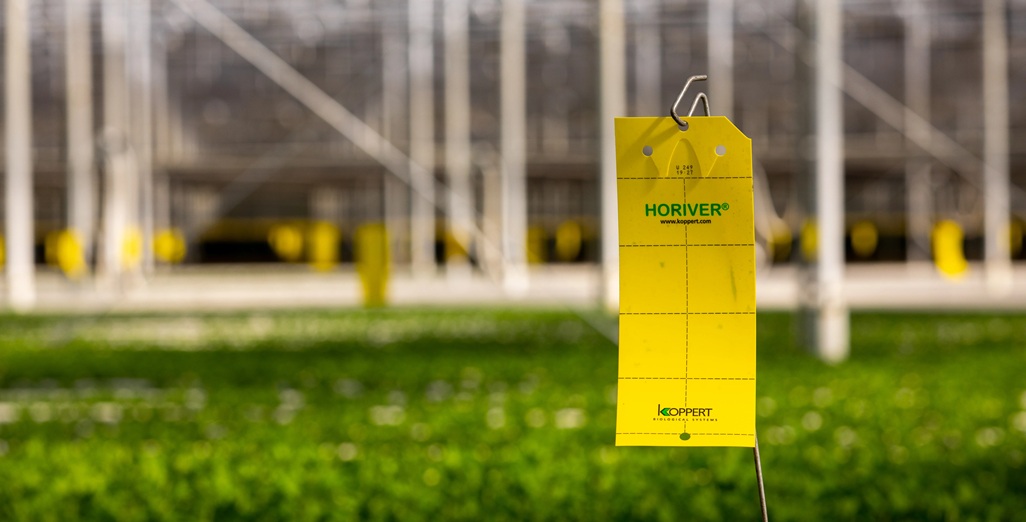
Sticky but not sticky, the new Horiver Drystick yellow sticky trap
Zonda Beneficials is introducing the new Horiver Drystick sticky trap from Koppert, this was released in Europe last year and already proven its strength in the market.

May 5, 2026
Increasing cash: why extra height makes the difference for return and future
Raising a greenhouse is not a stopgap measure, but rather a strategic choice:

April 7, 2026
Proposed import requirements for fresh blueberries (Vaccinium spp.) for human consumption
Make your submission
April 7, 2026
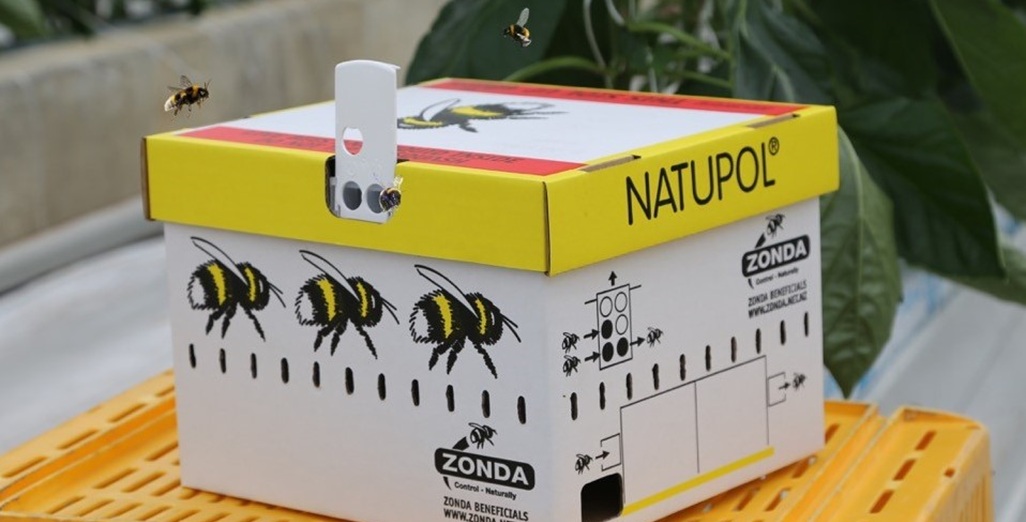
Think It’s the Bees? Think Again
Proven Hive Performance Suggests Auckland’s Climate and Crop Conditions Are the Key Limiters. Every year, Zonda receives calls from growers saying “the bees aren’t working” and requesting new hives. While hives are sometimes replaced, these cases consistently show that the bumblebees are performing as expected. The real challenge? Humidity, Auckland weather, and plant conditions.
March 23, 2026
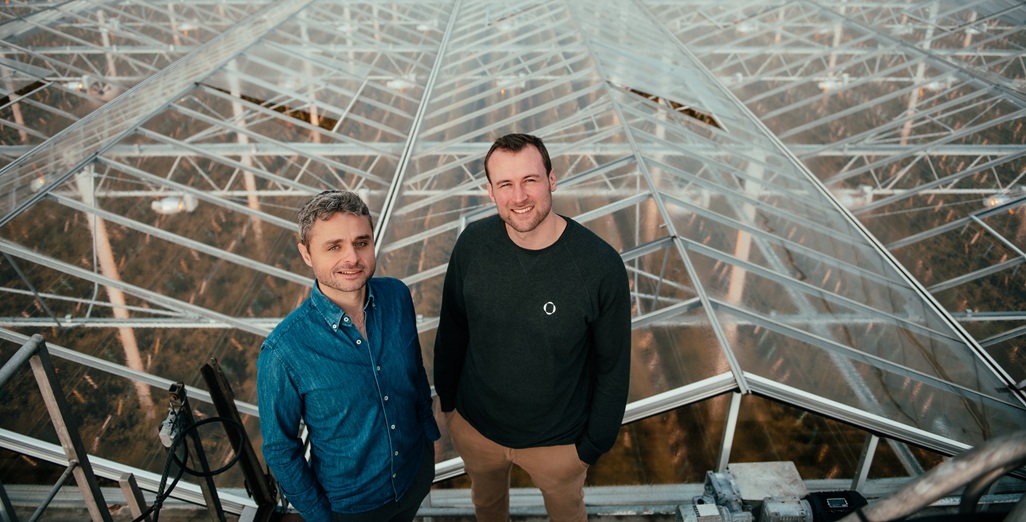
Source Advances Harvest Forecasting for Tomatoes with Next Generation AI Model
Fundamental changes to how the model learns and handles grower input mean significantly less manual work and meaningfully better accuracy.
December 17, 2025
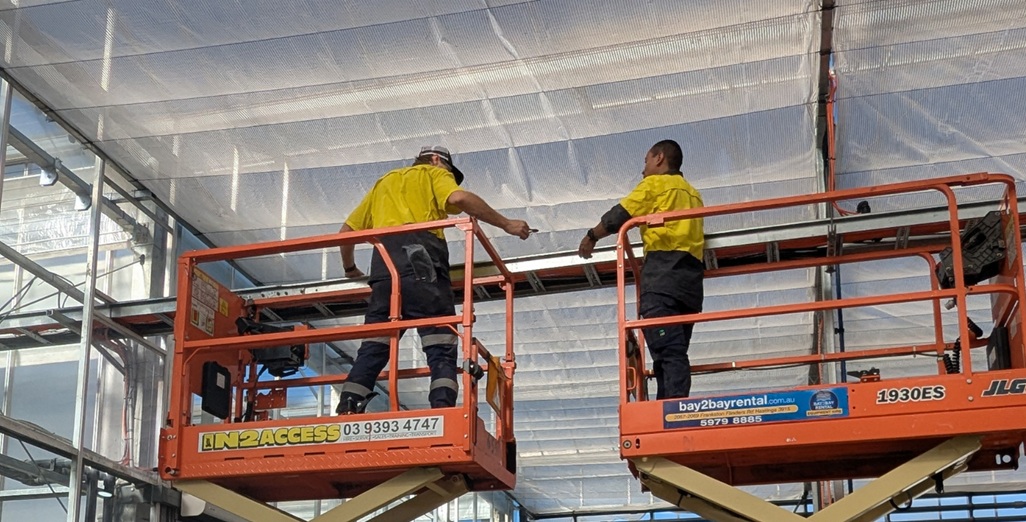
Ball Australia Boosts Climate Control with New Blackout Screen Upgrade
'Powerplants partnered with Ball Australia to deliver a full blackout screen replacement, supported by detailed mechanical, electrical, and irrigation work'
CLASSIFIED