

Sign up here to subscribe to the Grower2grower Ezine. Every two weeks you will receive new articles, specific to the protected cropping industry, informing you of industry news and events straight to your inbox.
14
Jan 2025
Jan 2025
(Best of 2024) Fleecegrow turning wool into substrates a reality
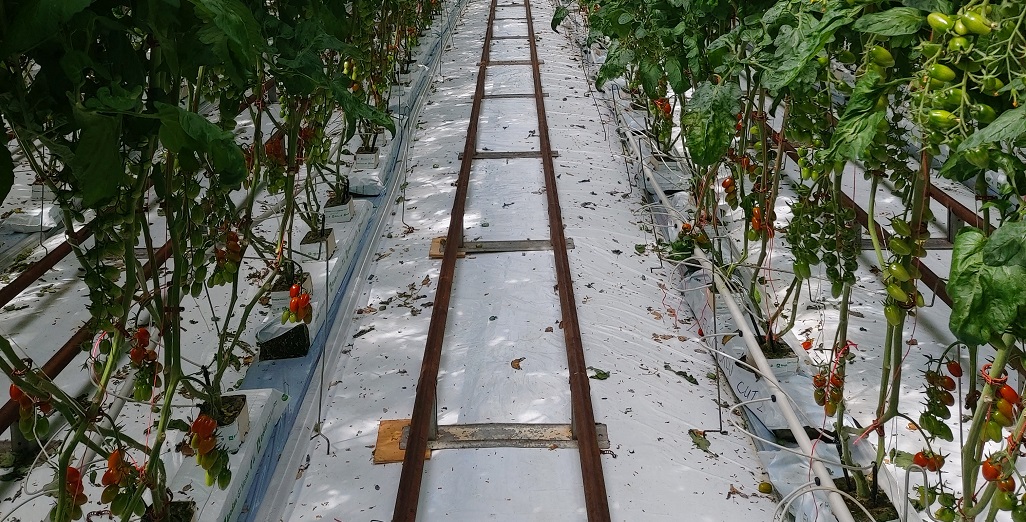
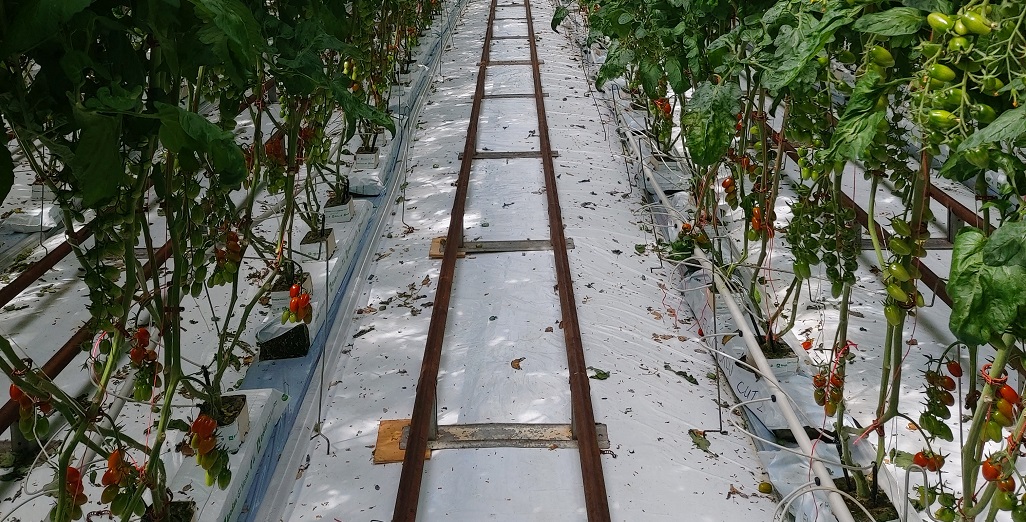
Sheep’s wool could be a solution for both the sustainability and supply challenges for indoor growers and nurseries.
Drought, floods, plagues and pestilence. It may sound like a reading from the bible but it’s just a year in the life for our New Zealand growers. Living in Pukekohe, Jacinta from Fleecegrow became acutely aware of the challenges our growers were facing. “I worked in technology but while doing my Masters I started to explore how future technologies could solve some of the challenges around weather and labour shortages. Then covid hit and the supply chain turned into the major issue of the day”.
While working with COVE Food & Fibre on an agritech STEM kit, Jacinta identified that sheep’s wool could be a solution for both the sustainability and supply challenges for indoor growers and nurseries. “Sheep’s wool is biodegradable but slowly, which means it can be used for long periods of time as a substrate.”
Notably almost all of our current substrates are imported so having a local supply can avoid those supply chain issues. While the shipping impacts of covid have lessened, drought in Panama and attacks by Houthis on ships using the Suez canal are still causing delays and price increases.
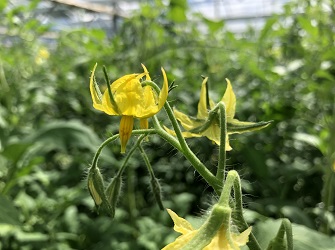
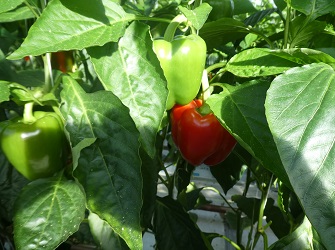
With encouragement from growers and grants from both Callaghan and Agmardt, Jacinta and husband Greg have created a research prototype and are working with experienced growers to establish feasibility with tomatoes and strawberries.
“So far, the plants have been growing extremely well with negligible difference to the current substrate being used. For an initial research prototype, that’s far exceeded our expectations”.
Recently Fleecegrow filed their patent on the process and can come out of stealth mode. “We’re hoping that this will provide an entirely new market for sheep farmers while solving several problems for growers.”
By collecting the product at the end of each trial, they can then turn the waste into fertiliser. This takes a dumping cost away from growers and provides a secondary market for Fleecegrow.
Right now, they are reaching out to the market with a survey to find out what growers are currently using and to gauge interest in Fleecegrow products. “Before we take on any investment or start any crowdfunding, we need to make sure that growers think there is a market fit.”
Fleecegrow plan to share the anonymised data about substrate use with the industry.
Next steps are secondary trials with refined prototypes, designing a production line and looking for investment to launch in 2025.
Link to survey: https://sbc3.typeform.com/to/C7iN8pEM
www.fleecegrow.com
CLASSIFIED













Photo
Gallery








Subscribe to our E-Zine
More
From This Category
February 23, 2026
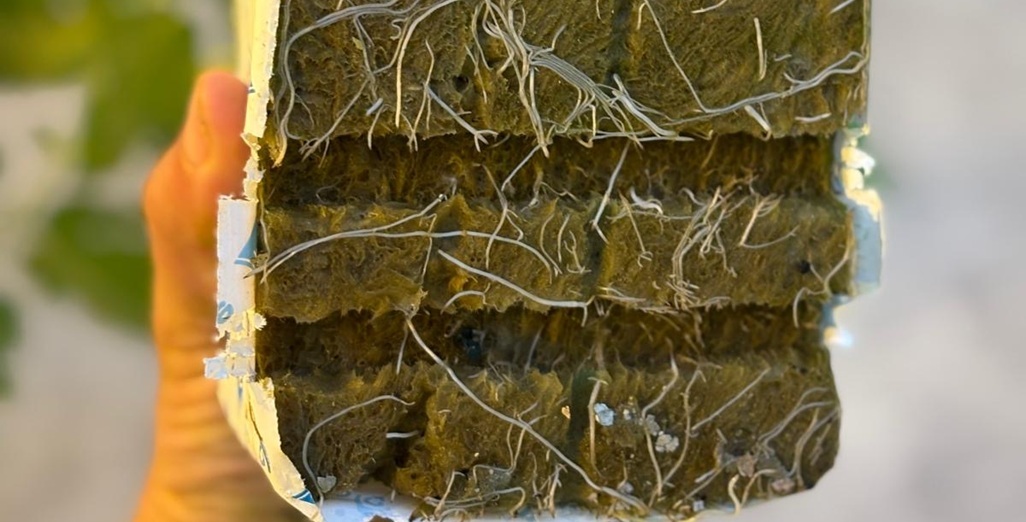
Dissolved Oxygen – The Hidden Driver of Root Performance in Greenhouse Crops
In high-tech greenhouse tomato and cucumber production, we carefully monitor EC, pH, radiation sums and irrigation strategy. However, one parameter that is often overlooked — yet can significantly influence plant performance — is dissolved oxygen (DO) in the nutrient solution.
February 10, 2026
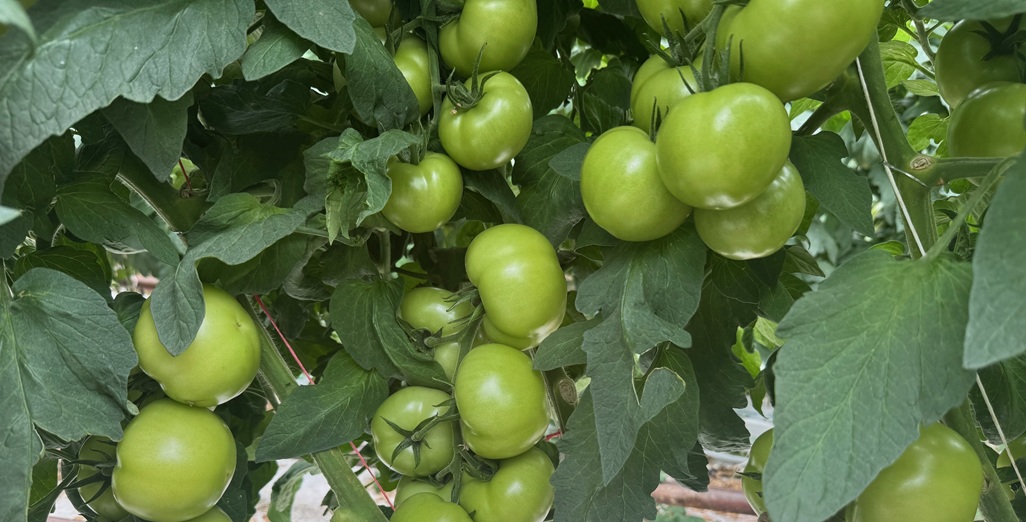
Day-Length Decreasing = Time to Adjust Your Water Content
Amid the usual distractions of modern growing life, it’s easy to forget that Autumn 2026 is just around the corner. As day length shortens, now is the critical moment to review and adjust your irrigation strategy. Unlike previous years that brought prolonged dry spells or extreme heat, this year’s weather has been variable. Across the country, many regions are already seeing heavy rainfall and several cloudy days in a row. While this is great for replenishing water reservoirs, it also creates challenges once the sun returns: crops may wilt, and the temptation to overwater is high. My advice: keep substrate water content and EC close to pre-cloudy levels.
August 12, 2025
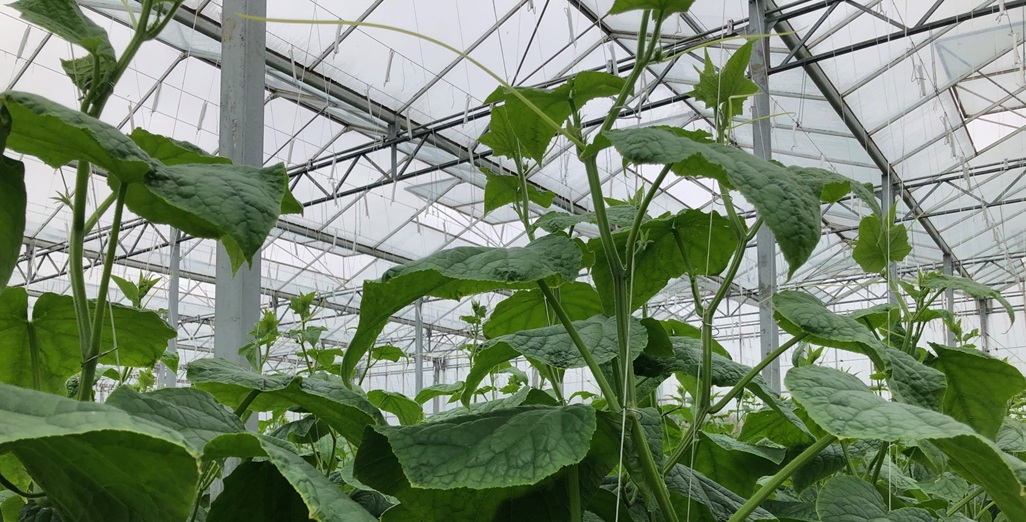
The Rise of Plant-Driven Irrigation
What if plants could tell us exactly when and how much water they need?
July 1, 2025
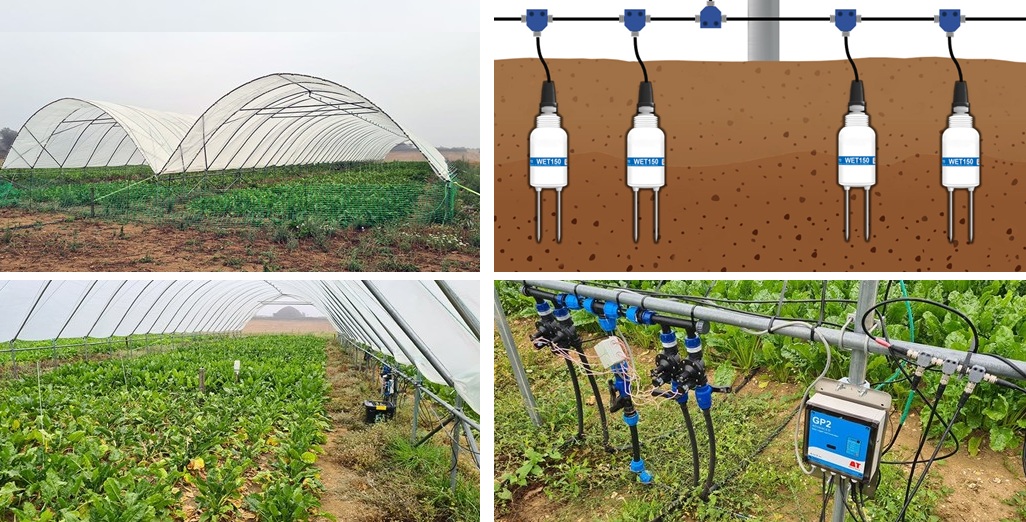
The BBRO Tackles Drought Risk in Sugar Beet Production
Delta-T Devices is providing WET150 multi-parameter soil sensors and GP2 advanced data loggers and controllers to the British Beet Research Organisation (BBRO) for use in important drought and water deficit research projects.
July 1, 2025
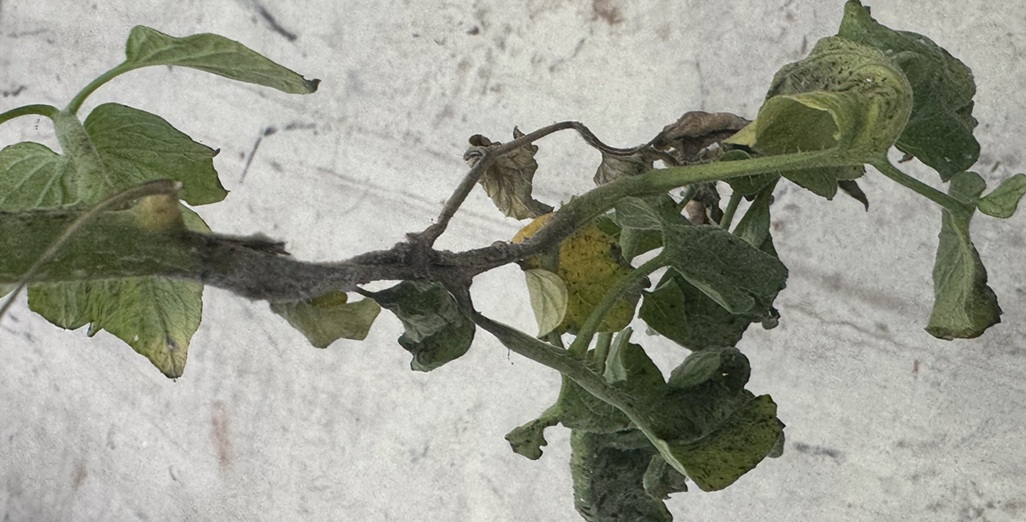
Botrytis Alert: Key Strategies to Minimize Losses
Following Blight, Botrytis now becomes the main threat — act early to avoid compounding issues. Energy costs are currently a major burden for greenhouse growers. As a result, many are forced to make difficult decisions about how much energy to invest in climate control........
January 14, 2025
(Best of 2024) Fleecegrow turning wool into substrates a reality
Sheep’s wool could be a solution for both the sustainability and supply challenges for indoor growers and nurseries.
CLASSIFIED