
Sign up here to subscribe to the Grower2grower Ezine. Every two weeks you will receive new articles, specific to the protected cropping industry, informing you of industry news and events straight to your inbox.
13
May 2019
May 2019
Bio Digesters

Cows, are they the NZ greenhouse industry next energy source?
I grew up on a Dairy Farm and I loved it. I could not imagine having a better up bringing as a child. I have so many happy memories milking cows with dad, rearing animals, making hay, driving tractors, riding motorbikes and I can’t forget to mention the great times spent with my best mate Deano the lazy Labrador. My mum and dad were first-generation NZ dairy farmers and if not for political change, in the 1980’s, I would not have become a tomato grower, and now horticulture advisor, I would still be milking cows. I have a huge passion for the Dairy industry and admire farmers who are are tremendously important for this country.
For a few years it feels like Dairy Farmers have become a political and environmental football who, in my mind, are being perpetrated as evil polluters, who are destroying the world. Honestly what do I believe, I believe in asking questions and discussing if there are potential solutions to issues posed by both sides of the argument.
Is there a way of turning Dairy farming into a sustainable energy market?
I am immensely passionate about the greenhouse industry but one of the issues, that as an industry will more than likely be up for consideration in the future, is our energy consumption and needs. Greenhouses are heated and, in the future, many may be fitted with supplementary lighting. Currently unless properties have access to geothermal, they are heating with coal, natural gas, recycled oil, diesel and some wood chip. So, what will the options be in the next 20-40 plus years? Geothermal and wood chip are two options that hopefully are here for the foreseeable future but what about other options?
Last week I was contacted by a Dutch energy company enquiring about the greenhouse market in New Zealand. They are investigating opportunities for them to provide energy systems/solutions to the New Zealand greenhouse industry. I ended up chatting with a representative for just over thirty minutes. It was fascinating listening to what the company is involved with. One topic that came up in the conversation was bio-digesters and turning green waste into energy. There is currently a grower in NZ using methane, from a green waste dump, to provide heating and C02 to his greenhouses. I asked the question if it could be done using animal manure. “Yes”, was the answer I received.
I decided to search the internet to investigate the possibilities. It did not take long to find some really interesting reading material. Now, please be mindful that this is not a business proposal it is a concept at this stage. I have not completed a business case, on the option of turning dairy waste into methane, but simply looked at the opportunity and am posing the question, could it work here?

The diagram above shows the opportunities this could offer the greenhouse industry and how cogeneration boiler systems could come into play. It presents an opportunity for someone, smarter than myself, to work out how much energy 500 cows could produce and how much area of greenhouse this could supply energy and C02 to? And how many dairy farmers could this convert into greenhouse growers. Food for thought or should I say poo for thought.
Click on the link below to see the energy one American dairy farmer is producing from his cows’ manure
https://www.oregonlive.com/environment/2011/05/lochmead_farms_on_the_cutting.html


The cover photo was taken in South Auckland.
I appreciate your comments. Please feel free to comment below or on the grower2grower Facebook page:
https://www.facebook.com/StefanGrower2grower/
Article Written by Stefan Vogrincic, Consultant, Grower2Grower
Article Edited by Marie Vogrincic, Editor, Grower2Grower
CLASSIFIED











Subscribe to our E-Zine
More
From This Category
October 20, 2026
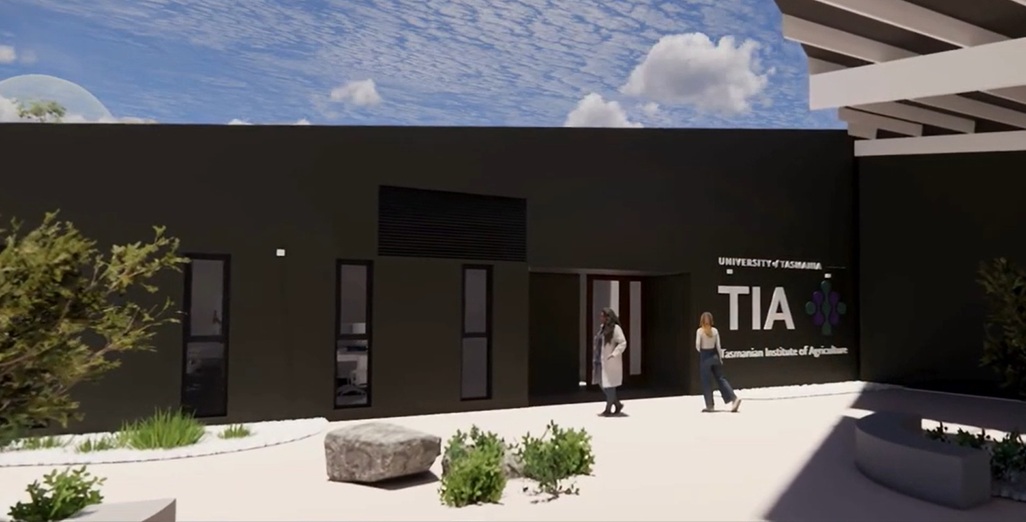
Powerplants – Purpose built facility will support leading research in crop production
The University of Tasmania is investing in the future of Australian agriculture with the development of a state of the art research greenhouse complex at its Newnham Campus in Launceston.
August 25, 2026
EPA seeks feedback about treated seed
The Environmental Protection Authority (EPA) is asking for feedback on a proposed group standard for treated seed.

August 25, 2026
A Well-Deserved Thank You to Barry O’Neil
Eight years at the helm of TomatoesNZ recognised with Lifetime Achievement Award. At the recent Covered Cropping NZ Conference and TomatoesNZ AGM, Barry O’Neil was presented with a Lifetime Achievement Award in recognition of his outstanding contribution to TomatoesNZ and the wider covered cropping industry. The award also marked the end of an eight-year chapter, with Barry stepping down after eight years as Chair of the TomatoesNZ Board.
August 11, 2026
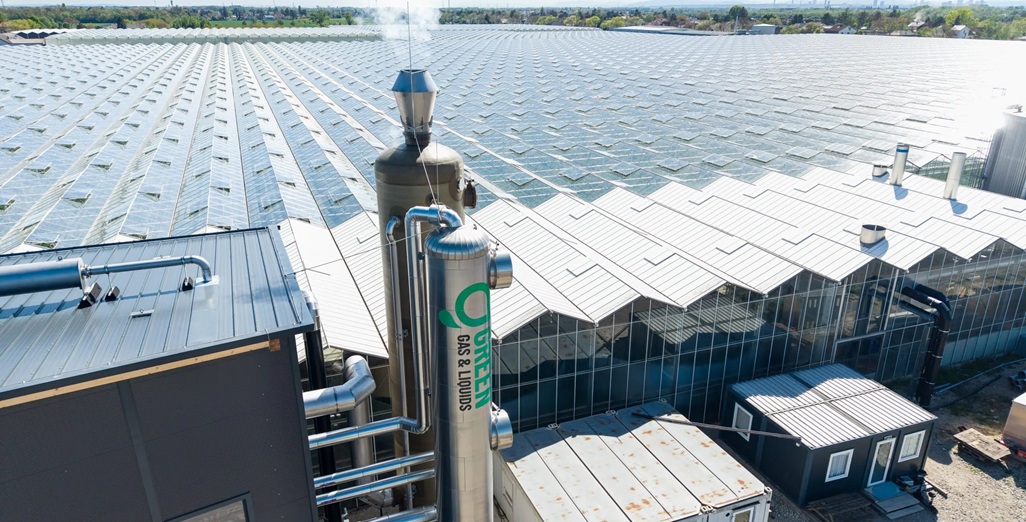
CO₂ Capture for Greenhouses Without Liquefaction —
How Galloxol® Changes the Economics
July 14, 2026
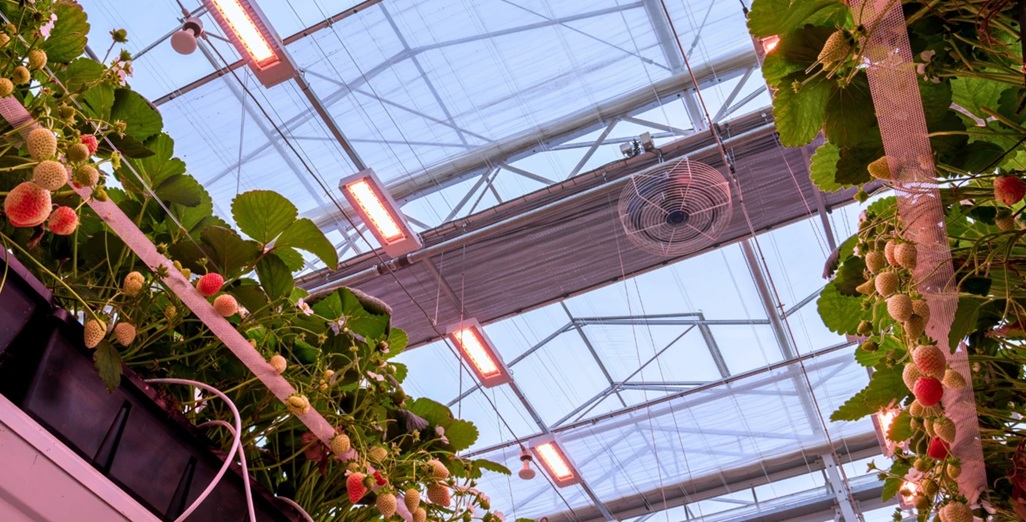
More air movement, fewer gaps, more energy savings
"The major challenge in the energy transition is to continue growing healthy and vital crops with less energy"
July 13, 2026
Covered Cropping NZ Conference: A Day of Practical Learning and Industry Connection
Wednesday, 12 August, at LaValla, Tuakau, South Auckland
CLASSIFIED