

Sign up here to subscribe to the Grower2grower Ezine. Every two weeks you will receive new articles, specific to the protected cropping industry, informing you of industry news and events straight to your inbox.
10
Jun 2019
Jun 2019
Black spots collapsing fruit post-harvest
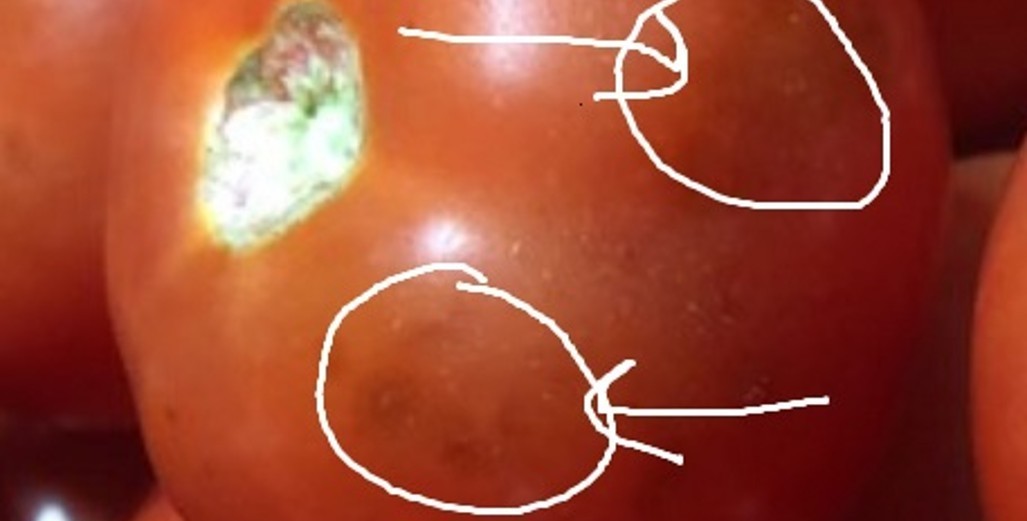
Sunken water-soaked area on the outside of the tomato
Last week I had an enquiry regarding the blackspots appearing on fruit post-harvest. This is nothing new, I’ve had this happen to me on several occasions during twenty years of growing. Quite often, when you are picking the fruit, it is not visible, it’s not until 24 to 48 hours post-harvest that it starts to become noticeable. It is very frustrating to receive a phone call, from the markets, to say your fruit is collapsing. I believe the photo, above, to be Anthracnose, it is hard to be 100% certain without it being sent to a laboratory for analysis and confirmation.
Two weeks ago I came across Blight for the first time in a while. It is no surprise that now, with the poor weather we are being belted with, fungus issues are appearing. It has cooled down but humidity is high and even growers, with the best heating systems, can fall foul to all types of fungal infections. Left untreated, these brown Anthracnose type spots, on the fruit will more than likely continue to cause issues.

Cover Photo: The fruit collapsing from the brown fungal spots
Most experienced growers will have come across this at some point in time, and like me, would’ve sourced a recommended fungicide from their local horticulture supplier. Which, in my experience has done the trick each time. Now new products, like HuwaSan, are available and on the market, these can be used as a post-harvest treatment.
Having these options for growers is hugely beneficial. Please ensure you get all the information, regarding application, from the supplier before applying to your crops pre or post-harvest.
For more information on HuwaSan Contact:
Grant Beare
M – 021 020 08040
E – grant@educhem.co.nz
.png)
I appreciate your comments. Please feel free to comment below or on the grower2grower Facebook page:
https://www.facebook.com/StefanGrower2grower/
Article Written by Stefan Vogrincic, Consultant, Grower2Grower
Article Edited by Marie Vogrincic, Editor, Grower2Grower
CLASSIFIED











Subscribe to our E-Zine
More
From This Category
September 7, 2026
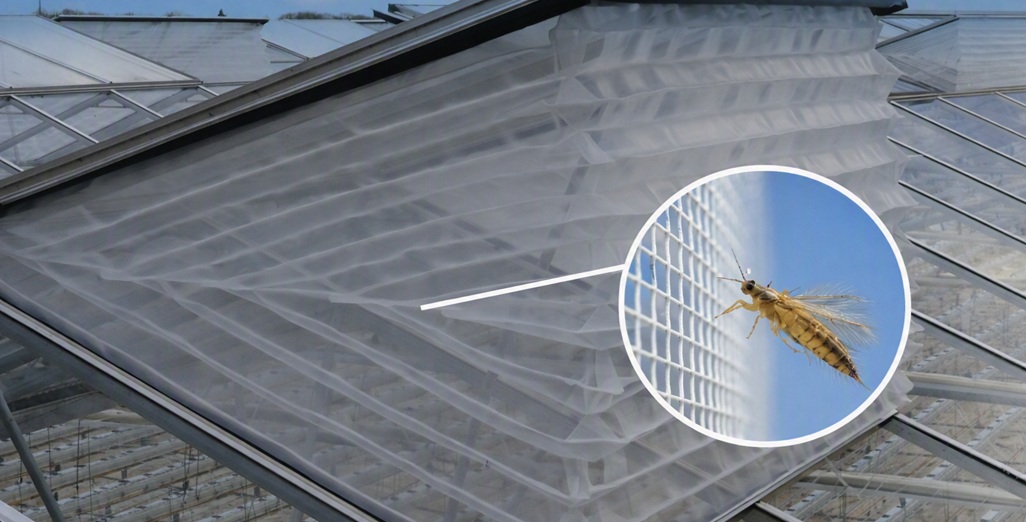
Keeping the Door Shut: Are Insect Screens the Next Step in Greenhouse IPM?
As thrips and other pest pressures continue to increase, it may be time to rethink how we stop pests entering the greenhouse in the first place. As we head into spring, and following the recent Mini Covered Cropping NZ Conference, one pest issue continues to stand out: the ever-increasing threat posed by thrips.
August 11, 2026
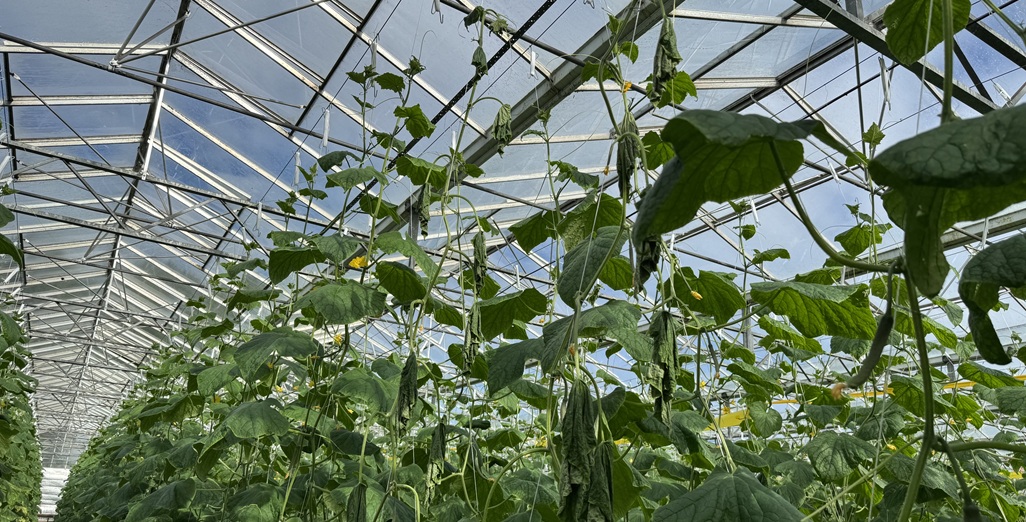
Cucumber Grafting: Insurance Policy or Unnecessary Cost?
Grafting can provide a stronger root system and valuable insurance against root-zone problems – but it won’t protect the canopy from fungal disease.
July 27, 2026
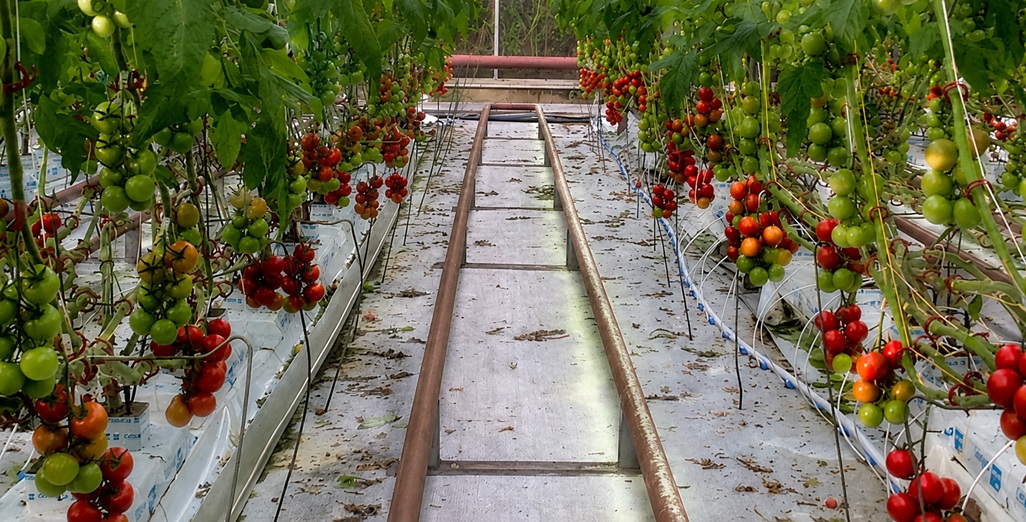
Combating Leaf Mould and Powdery Mildew in Greenhouse Tomatoes 2026
It's been eight years since I first wrote about controlling leaf mould. While many of the principles still apply, growers now have more tools available, making it a good time to revisit what works and where disease management is heading.
July 27, 2026
GrowWise smart spectrum helps growers save energy or boost crop growth through automated spectrum optimization
“With just a few clicks, we achieved approximately 2% more light on the crop”
July 13, 2026
Why Botrytis has become such a challenge this winter
The objective is not to grow a vegetative crop or a weak generative crop. The objective is to grow a balanced crop with enough vigour to support the fruit load while maintaining healthy leaf quality.
CLASSIFIED