

Sign up here to subscribe to the Grower2grower Ezine. Every two weeks you will receive new articles, specific to the protected cropping industry, informing you of industry news and events straight to your inbox.
17
Jun 2020
Jun 2020
Blueberries – Covered Cropping
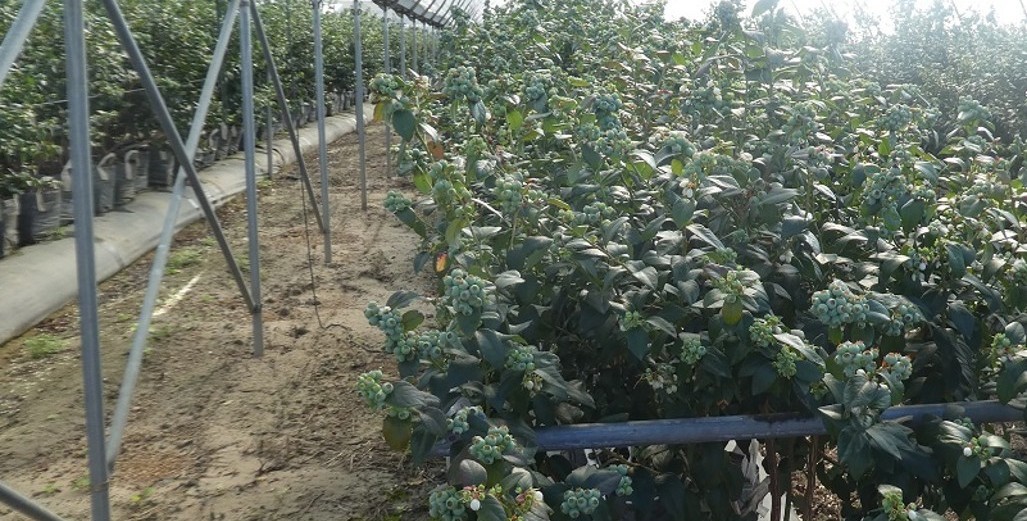
Land use fact sheet Tupu.nz
Blueberries have traditionally been grown outside in free draining soils, but the move to growing under cover has tremendous growth opportunities.
Low tech tunnel houses let work continue regardless of the weather. Fruit is kept dry and picked rain or shine. Spraying is easier and you don't need as much chemical, as there's little or no spray drift. Pests and diseases can be controlled more effectively. Water and nutrition can be managed to provide the highest yield and the best quality fruit, improving returns for the landowner.
Tupu.nz recently released a land use fact sheet regarding covered cropping of Blueberries. Grower2Grower supplied much of the information for this fact sheet. Recently Miro, a company based in the Bay of Plenty, has seen a large expansion in the covered cropping of blueberries using low tech structures.
From figures Grower2Grower obtained there is (approximately) seven hundred hectares of blueberries currently grown outdoors in NZ. My prediction is that the growth in covered cropping of blueberries will grow rapidly. The structures used will mainly be lower tech structures with some high-tech facilities growing for ‘off peak’ winter production. The more this industry matures, and if export markets expanded and values increased, then I predict, like the greenhouse vegetable market, that the industry, technologically will evolve.
Below are links that may interest you if you are already an established blueberry grower or if you are considering a move into this industry.
Well done to Tupu.nz for their fantastic work in promoting the different and diverse options for landowners. In the future for blueberries and as other covered cropping industries expand, I fully expect the fact sheets to evolve with continued change and growth of this wonderful, sustainable industry.
https://www.tupu.nz/en/fact-sheets/blueberries-covered-cropping
https://www.miroberries.com/miro-blog/2019/1/31/miro-pnui-february-2019

.JPG)
I appreciate your comments. Please feel free to comment on the grower2grower Facebook page:
https://www.facebook.com/StefanGrower2grower/
Article Written and compiled by Stefan Vogrincic, Consultant, Grower2Grower
Article Edited by Marie Vogrincic, Editor, Grower2Grower
CLASSIFIED












Subscribe to our E-Zine
More
From This Category
October 20, 2026
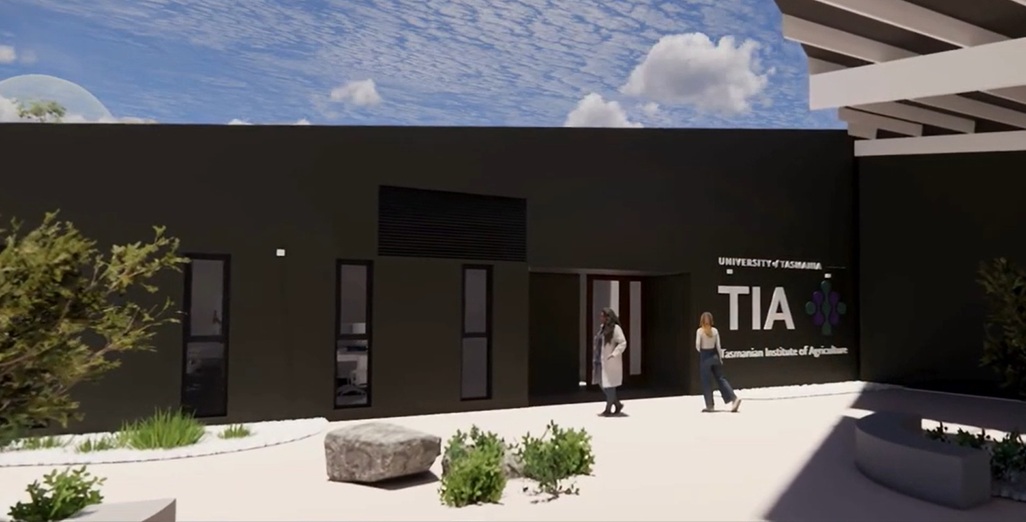
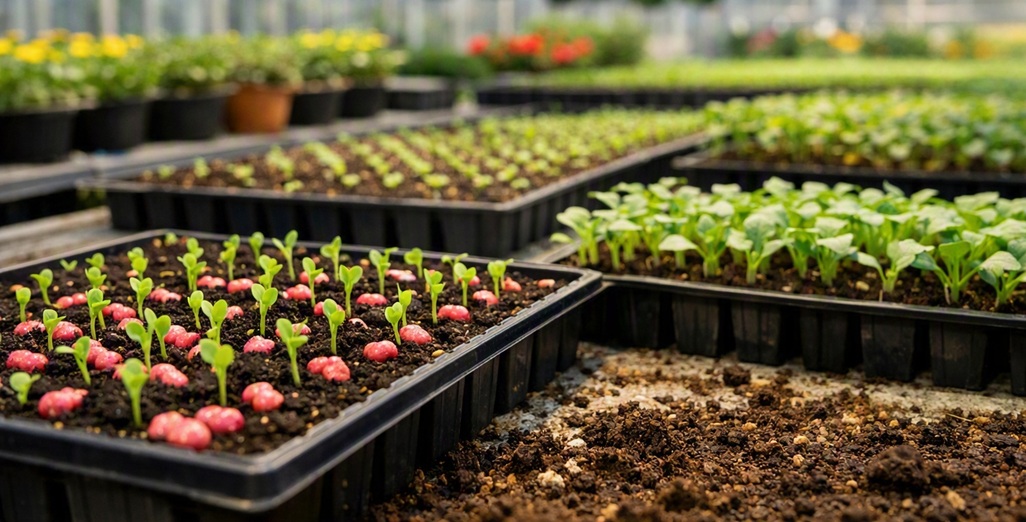
Powerplants – Purpose built facility will support leading research in crop production
The University of Tasmania is investing in the future of Australian agriculture with the development of a state of the art research greenhouse complex at its Newnham Campus in Launceston.
August 25, 2026
EPA seeks feedback about treated seed
The Environmental Protection Authority (EPA) is asking for feedback on a proposed group standard for treated seed.

August 25, 2026
A Well-Deserved Thank You to Barry O’Neil
Eight years at the helm of TomatoesNZ recognised with Lifetime Achievement Award. At the recent Covered Cropping NZ Conference and TomatoesNZ AGM, Barry O’Neil was presented with a Lifetime Achievement Award in recognition of his outstanding contribution to TomatoesNZ and the wider covered cropping industry. The award also marked the end of an eight-year chapter, with Barry stepping down after eight years as Chair of the TomatoesNZ Board.
August 11, 2026
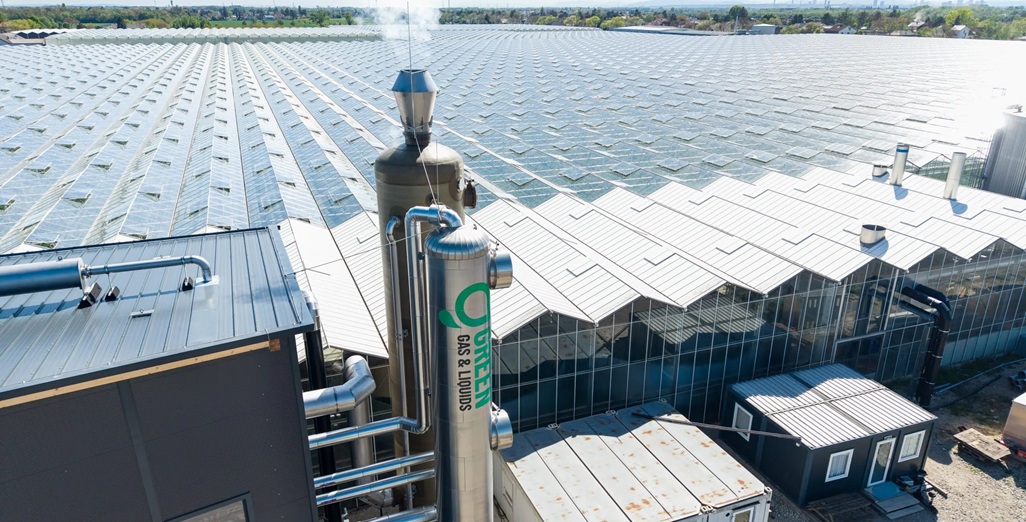
CO₂ Capture for Greenhouses Without Liquefaction —
How Galloxol® Changes the Economics
July 14, 2026
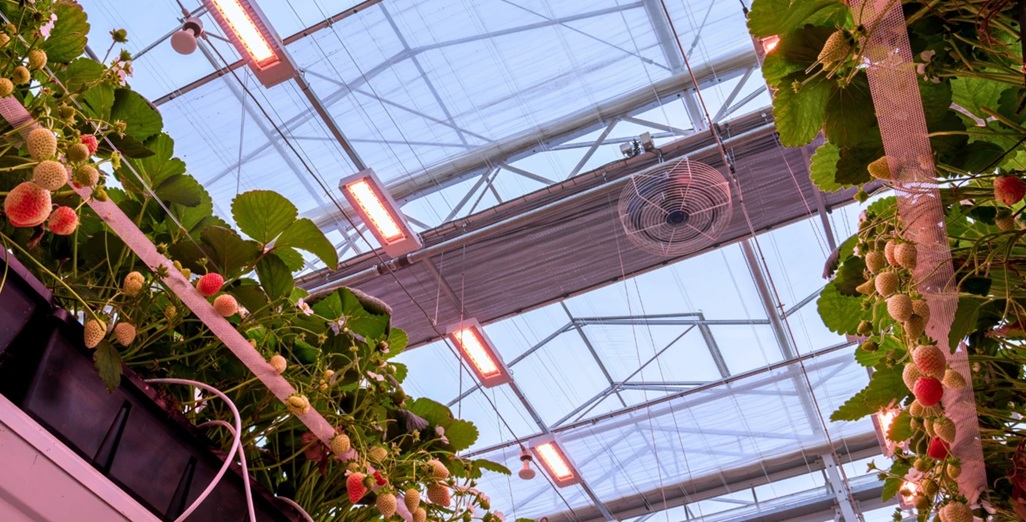
More air movement, fewer gaps, more energy savings
"The major challenge in the energy transition is to continue growing healthy and vital crops with less energy"

July 13, 2026
Covered Cropping NZ Conference: A Day of Practical Learning and Industry Connection
Wednesday, 12 August, at LaValla, Tuakau, South Auckland
CLASSIFIED