

Sign up here to subscribe to the Grower2grower Ezine. Every two weeks you will receive new articles, specific to the protected cropping industry, informing you of industry news and events straight to your inbox.
8
Feb 2018
Feb 2018
Bumble Bees and Pollination

Bumble Bees and Pollination
I quickly established, within the 20 years I grew tomatoes, my best workers were bumble bees. They never took a sick day and worked 365 days of the year. Bumble bees are the cheapest workers you will hire. Our cousins over the ditch still set manually, by using vibrators or tapping crop wires, which is far more expensive than using bumble bees.
I think bumble bees should be treated kindly. I always thought it was a good idea to make sure the bee hives had a polystyrene sheet on the top of the hive, like a small roof protecting them from high temperatures.
I placed the hives in different areas within my glasshouse. I made stands next to the glasshouse frame/legs, I would position each hive approximately half a metre from the top of the plant, always having the in/out door facing east. This was more theory than scientific, as bees use the sun to navigate, I thought if the morning sun was the first thing they would ‘see’ it would make it easier for them to find their bearings and navigate to and from the hive!! (see how bumble bees navigate on the web) I advise to avoid stacking hives on top of each other, as on several occasions I observed bumble bees entering the wrong hive.
The mark the bee imprints on the flower is always a good sign they have set the fruit. I was always encouraged when I saw a deep dark bruising on the flower but when it was faint or not visible I took notice, I’d count ‘how many flowers are still open on each truss’. If 4-5 were open (large loose tomato variety) on the current truss setting, with no visible bruising to the flower, I would take action. How many flowers can one bee physically set? How many will they set when the temperatures are high? I don’t know the exact answers but the first thing I would do is order extra hives.

This flower has good bruising

This flower has a very light bruising but is still set.
When spring arrived, and there were tastier treats outside for my hard-working bumble bees, like naughty children they would regularly be seen flying out of the vents to the lolly shop (orchid) next door! Therefore, I would have trouble with a consistent set. High temperatures or heat waves in summer also could impact on the set. This could’ve been a combination of things like more flowers for the bees to set, plants under stress from the hot temperatures effecting the pollen viability or perhaps it was just too warm and the bees went on strike!! This January has been the hottest since records began 150 years ago.
Tomato growers, who grow ‘truss’ for the market, can not afford fruit to set slowly or they might end up with large amounts of red/green fruit on the truss at time of harvest. Monitoring is the best way to determine if this is happening.
Bees have an important role in setting speed on a tomato plant, the faster it can set the faster the next flower can open and so on.
Article written by Stefan Vogrincic Grower2Grower
CLASSIFIED













Subscribe to our E-Zine
More
From This Category

October 20, 2026
Powerplants – Purpose built facility will support leading research in crop production
The University of Tasmania is investing in the future of Australian agriculture with the development of a state of the art research greenhouse complex at its Newnham Campus in Launceston.
August 25, 2026
EPA seeks feedback about treated seed
The Environmental Protection Authority (EPA) is asking for feedback on a proposed group standard for treated seed.

August 25, 2026
A Well-Deserved Thank You to Barry O’Neil
Eight years at the helm of TomatoesNZ recognised with Lifetime Achievement Award. At the recent Covered Cropping NZ Conference and TomatoesNZ AGM, Barry O’Neil was presented with a Lifetime Achievement Award in recognition of his outstanding contribution to TomatoesNZ and the wider covered cropping industry. The award also marked the end of an eight-year chapter, with Barry stepping down after eight years as Chair of the TomatoesNZ Board.
August 11, 2026
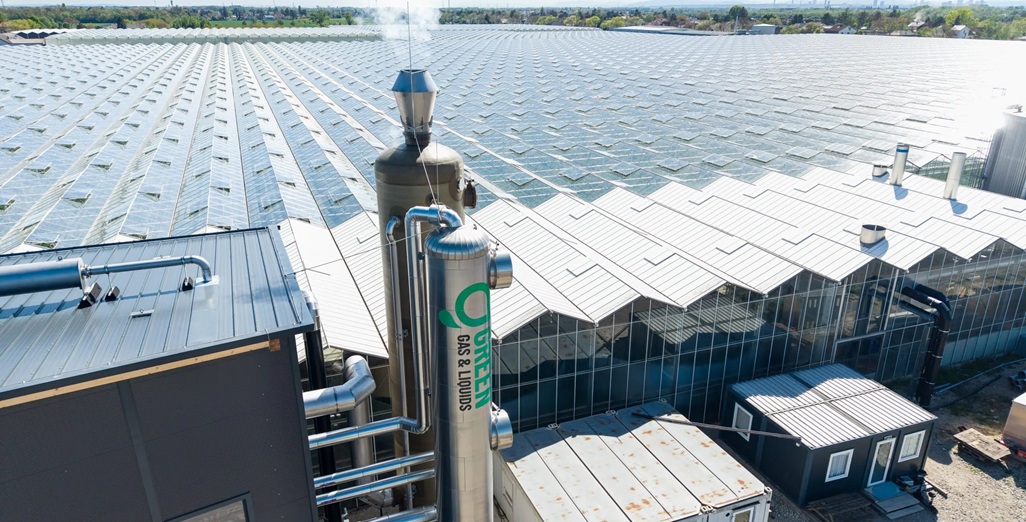
CO₂ Capture for Greenhouses Without Liquefaction —
How Galloxol® Changes the Economics
July 14, 2026
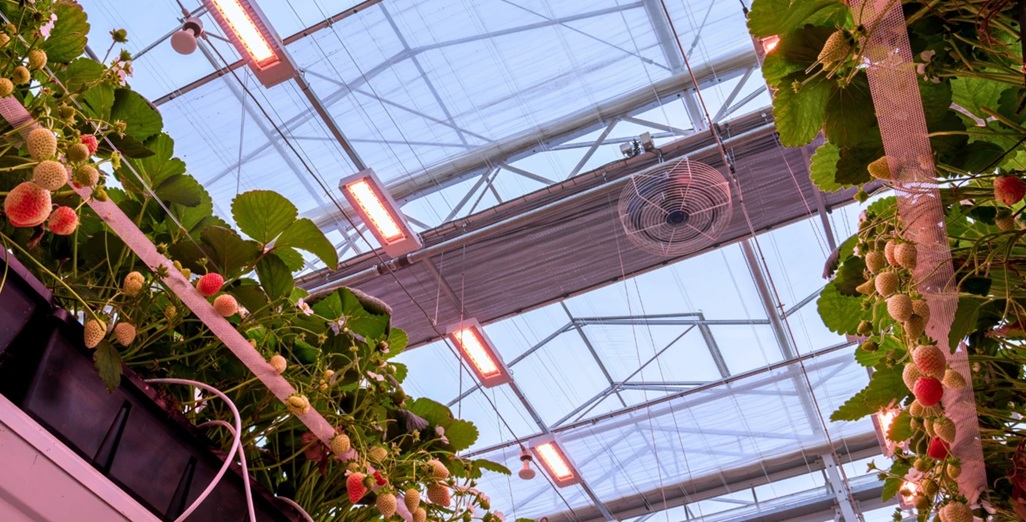
More air movement, fewer gaps, more energy savings
"The major challenge in the energy transition is to continue growing healthy and vital crops with less energy"
July 13, 2026
Covered Cropping NZ Conference: A Day of Practical Learning and Industry Connection
Wednesday, 12 August, at LaValla, Tuakau, South Auckland
CLASSIFIED