

Sign up here to subscribe to the Grower2grower Ezine. Every two weeks you will receive new articles, specific to the protected cropping industry, informing you of industry news and events straight to your inbox.
23
Dec 2021
Dec 2021
Canadian experts give insights to Pepino Mosaic Virus
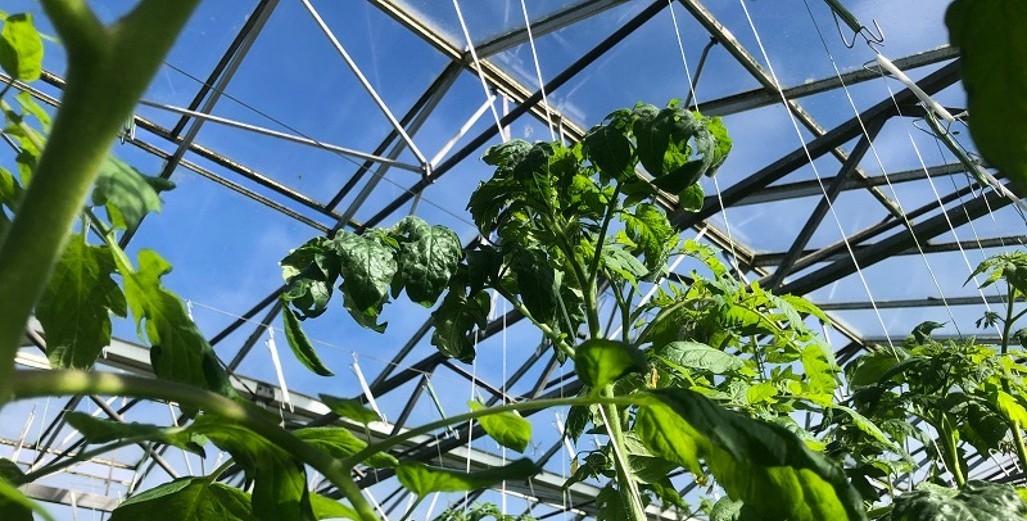
Pepino can make everything else worse
Last week I attended a zoom meeting with experts and growers from Canada regarding their experiences with PepMV. Even though PepMV is not seen as detrimental to tomato production in Canada, the problem has been taken seriously, protections and precautions have been implemented.
During the early to mid-2000’s PepMV became an issue for the Canadian industry. Like NZ the strain was of a ‘mild nature’ that caused up to 10% losses. It was noted during low light periods or during high light/temperature intervals, when plants were under stress, the virus caused the most issues. Growers with artificial lighting had less issues.
The Canadians were able to access vaccines/inoculation from 2018, after government approval was granted. The process to register and import the products from Europe sounded familiar to NZ. The risks of mutation were one aspect authorities worked through with the industry. I noted this comment from the meeting: ‘The difference between a mild strain and bad strain is about nine different mutations and this has not yet been seen and it was unlikely.’
The Canadian growers, that used the inoculation, introduced it as early as possible into the growing phase generally at the propagation houses. Like we were informed by our English counterparts, PepMV will have different symptoms/outcomes depending on the variety of tomato.
They observed that if a grower (before vaccines/inoculation were available) had experienced symptoms/losses, from the virus, early in their crop cycle (winter) the plant would appear to grow out of these symptoms when the light improved(spring). However, there was a chance when the high light and temperature peaked (hot and high humid and over 30 degrees centigrade) the PepMV would remerge causing major issues/losses. However, the earlier the crop gets the virus the better chance is has to grow through it and be stronger towards the end of the crop. If PepMV develops later into the crop cycle potentially the worse the final outcomes.
For growers in NZ that have experienced issues with PepMV during the past winter, the summer will be key to determining the magnitude of the damage PepMV could pose into the future.
Even though the Canadians are concerned with PepMV they are increasingly anxious about Tomato brown rugose fruit virus (ToBRFV). They are keeping an eye on the possibility of a vaccine for this virus and even the possibility of a ‘transgenic vaccine’ that could be effective on both PemMV and ToBRFV.
Hygiene
Eradication is unlikely once PepMV has infected a country. Like the English the Canadians have found PepMV responds well (dies) to sanitation and thorough cleaning of the facility between crop cycles.

Thanks to all of our Canadian colleagues and Jeremy R. Thompson, PhD
Lead Virologist/Manager from MPI for organising this meeting along with Helen Barnes from Tomatoes NZ.
Article written and compiled by Stefan Vogrincic
All Article’s checked and edited by Marie Vogrincic
I appreciate your comments. Please feel free to comment on the grower2grower Facebook page:
https://www.facebook.com/StefanGrower2grower/
CLASSIFIED












Subscribe to our E-Zine
More
From This Category

October 20, 2026
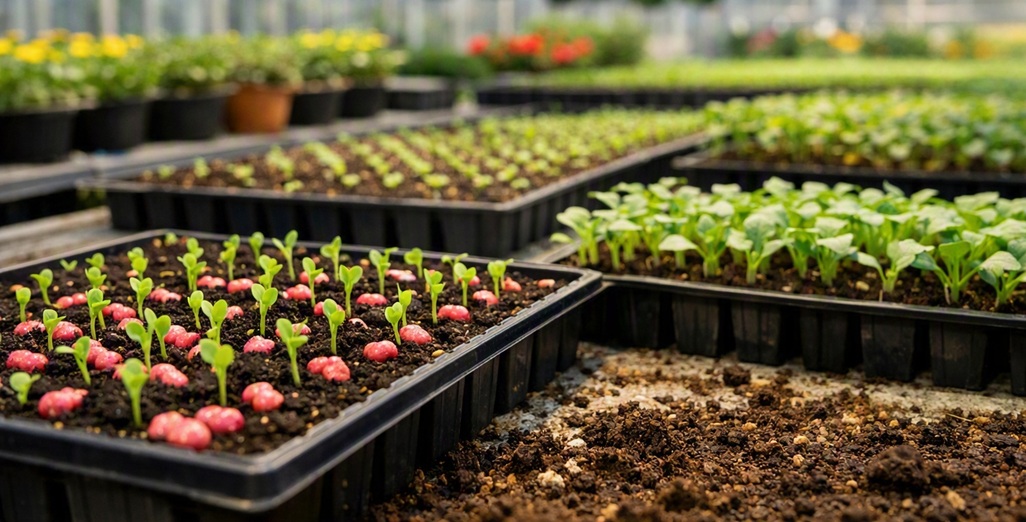
Powerplants – Purpose built facility will support leading research in crop production
The University of Tasmania is investing in the future of Australian agriculture with the development of a state of the art research greenhouse complex at its Newnham Campus in Launceston.
August 25, 2026
EPA seeks feedback about treated seed
The Environmental Protection Authority (EPA) is asking for feedback on a proposed group standard for treated seed.

August 25, 2026
A Well-Deserved Thank You to Barry O’Neil
Eight years at the helm of TomatoesNZ recognised with Lifetime Achievement Award. At the recent Covered Cropping NZ Conference and TomatoesNZ AGM, Barry O’Neil was presented with a Lifetime Achievement Award in recognition of his outstanding contribution to TomatoesNZ and the wider covered cropping industry. The award also marked the end of an eight-year chapter, with Barry stepping down after eight years as Chair of the TomatoesNZ Board.
August 11, 2026
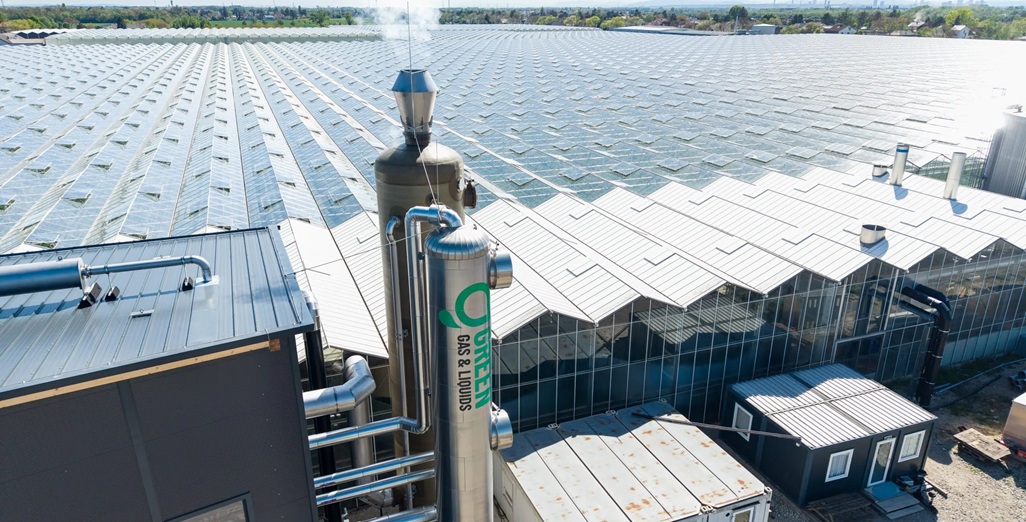
CO₂ Capture for Greenhouses Without Liquefaction —
How Galloxol® Changes the Economics
July 14, 2026
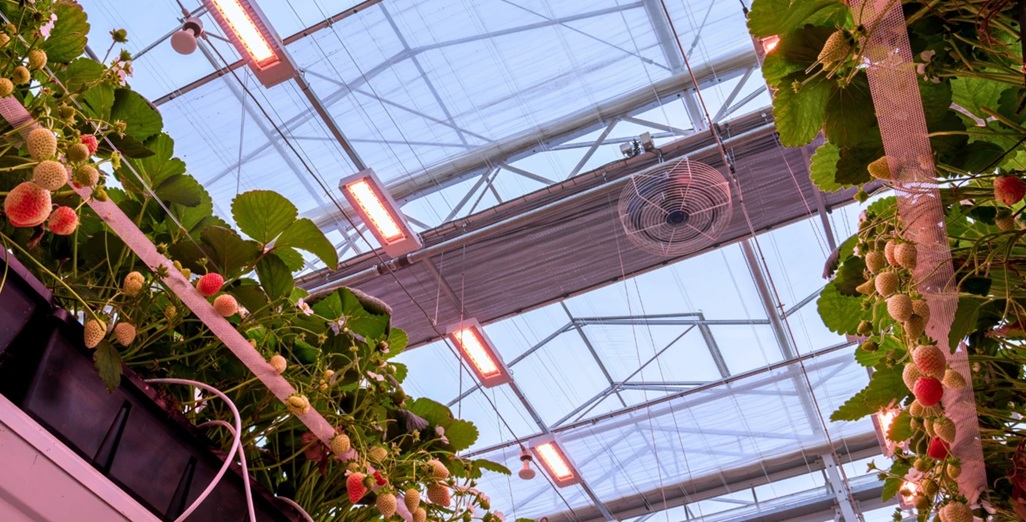
More air movement, fewer gaps, more energy savings
"The major challenge in the energy transition is to continue growing healthy and vital crops with less energy"
July 13, 2026
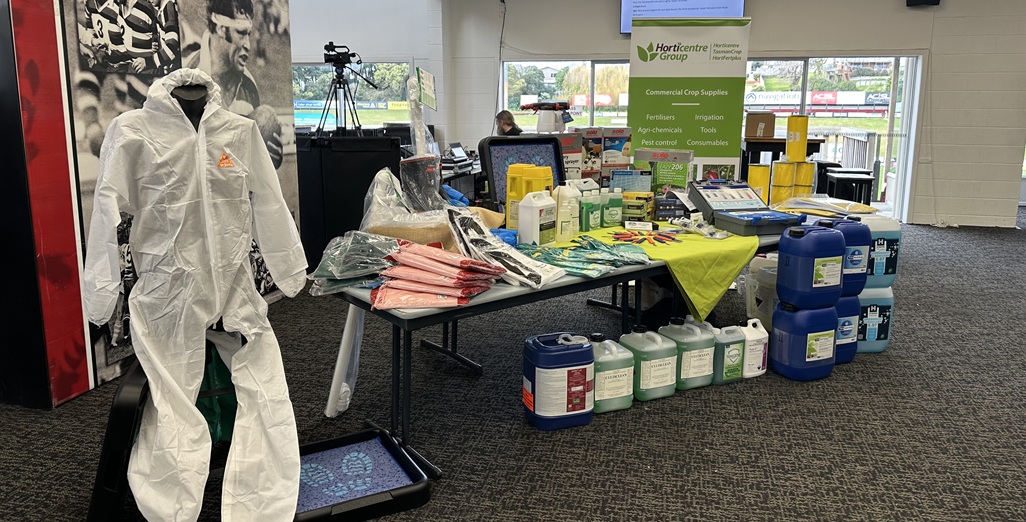
Covered Cropping NZ Conference: A Day of Practical Learning and Industry Connection
Wednesday, 12 August, at LaValla, Tuakau, South Auckland
CLASSIFIED