
Sign up here to subscribe to the Grower2grower Ezine. Every two weeks you will receive new articles, specific to the protected cropping industry, informing you of industry news and events straight to your inbox.
10
Feb 2026
Feb 2026
Day-Length Decreasing = Time to Adjust Your Water Content
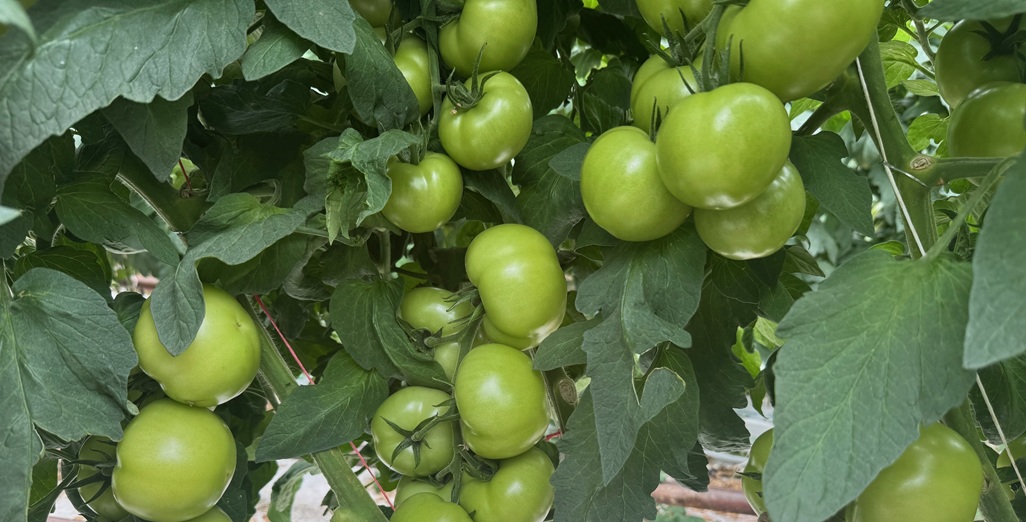
Amid the usual distractions of modern growing life, it’s easy to forget that Autumn 2026 is just around the corner. As day length shortens, now is the critical moment to review and adjust your irrigation strategy.
Unlike previous years that brought prolonged dry spells or extreme heat, this year’s weather has been variable. Across the country, many regions are already seeing heavy rainfall and several cloudy days in a row. While this is great for replenishing water reservoirs, it also creates challenges once the sun returns: crops may wilt, and the temptation to overwater is high. My advice: keep substrate water content and EC close to pre-cloudy levels.
Even experienced growers will benefit from revisiting these Autumn irrigation principles, as this period is vital for preparing strong root systems for winter and early spring growth.
Reducing Water Content as Day-Length Decreases
Autumn is the ideal time to consider the timing of your first and last daily irrigations. Reducing water content in the substrate before nightfall helps protect roots and ensures crops are resilient through the cooler months.
If you grow in substrates, managing EC during this adjustment is often a concern. Substrate type, water-holding capacity, and substrate volume per square metre vary across sites, so there’s no universal “stop at 4 pm” rule. Timing must be tailored to your crop, substrate, and local conditions.
Dry-Down, Delta EC, and Fruit Quality
Monitoring dry-down percentage and Delta EC is critical. Substrates that dry out excessively overnight can develop EC spikes under irrigation points, and when irrigation resumes in the morning, rapid EC changes can trigger fast water uptake, contributing to fruit splitting or crazing (tomatoes are a prime example, though other crops are affected too).
Some growers use night-time irrigation shots to moderate substrate dry-down, reducing the “impact” of the first irrigations each day.
For actively harvesting crops, aim for an 8–12% substrate dry-down. Achieving this target is only half the battle—sustaining it requires careful monitoring. Environmental conditions are critical: cold nights, high heater output, or scorching pipes can increase substrate evaporation and dry-down. Tools like minimum/maximum pipe temperature monitoring remain invaluable for fine-tuning irrigation.
Optimal Irrigation: Protecting Plants and Production
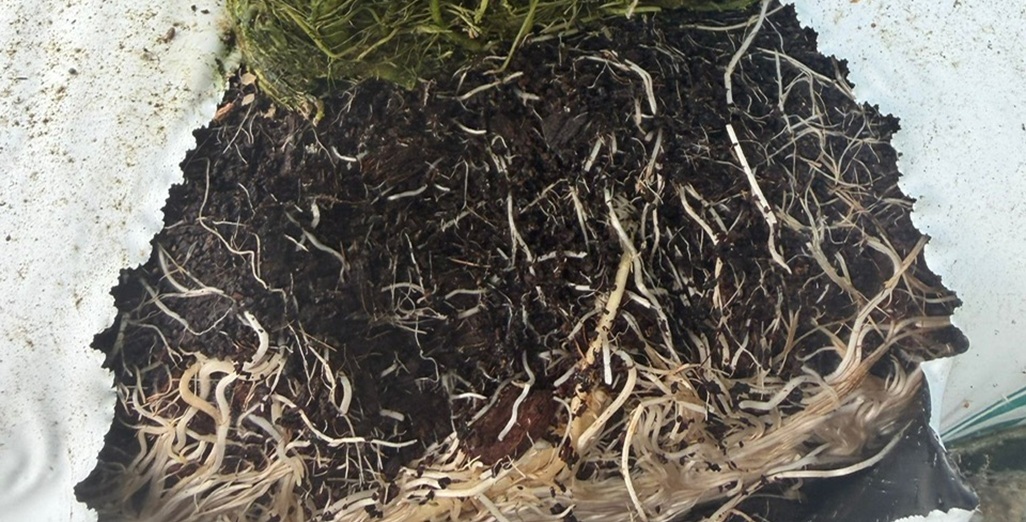
The goal is optimal irrigation: enough to protect roots and plant health, without compromising production or fruit quality. Overwatering may seem safe short-term, but through winter it can increase plant stress and disease risk.
While there’s no one-size-fits-all approach, growers who use sensors, scales, and data-driven irrigation monitoring are best positioned to maintain water content and EC within the optimal range. As we move into Autumn 2026, now is the time to refine your irrigation strategy and ensure your crops are strong, healthy, and ready for the months ahead.
CLASSIFIED












Photo
Gallery






Subscribe to our E-Zine
More
From This Category
February 23, 2026
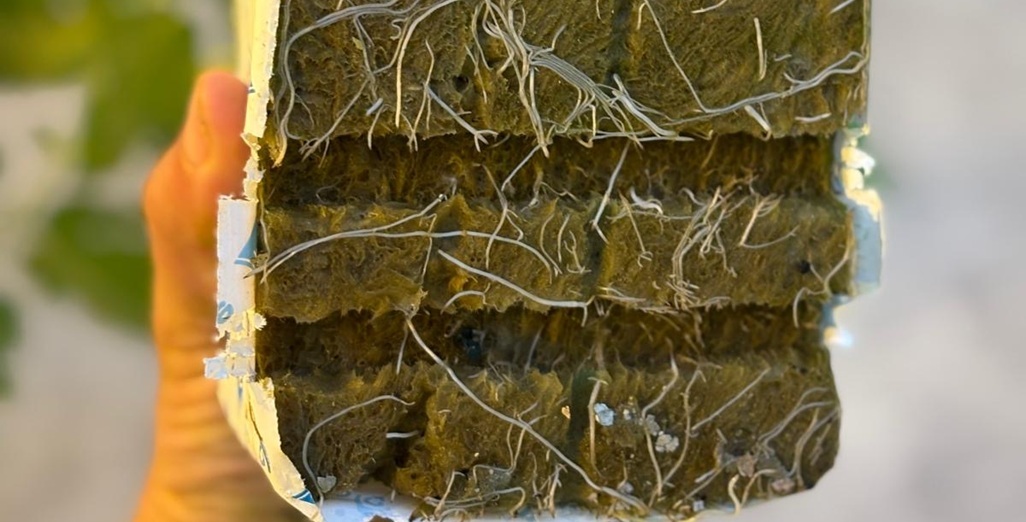
Dissolved Oxygen – The Hidden Driver of Root Performance in Greenhouse Crops
In high-tech greenhouse tomato and cucumber production, we carefully monitor EC, pH, radiation sums and irrigation strategy. However, one parameter that is often overlooked — yet can significantly influence plant performance — is dissolved oxygen (DO) in the nutrient solution.
February 10, 2026
Day-Length Decreasing = Time to Adjust Your Water Content
Amid the usual distractions of modern growing life, it’s easy to forget that Autumn 2026 is just around the corner. As day length shortens, now is the critical moment to review and adjust your irrigation strategy. Unlike previous years that brought prolonged dry spells or extreme heat, this year’s weather has been variable. Across the country, many regions are already seeing heavy rainfall and several cloudy days in a row. While this is great for replenishing water reservoirs, it also creates challenges once the sun returns: crops may wilt, and the temptation to overwater is high. My advice: keep substrate water content and EC close to pre-cloudy levels.
August 12, 2025
The Rise of Plant-Driven Irrigation
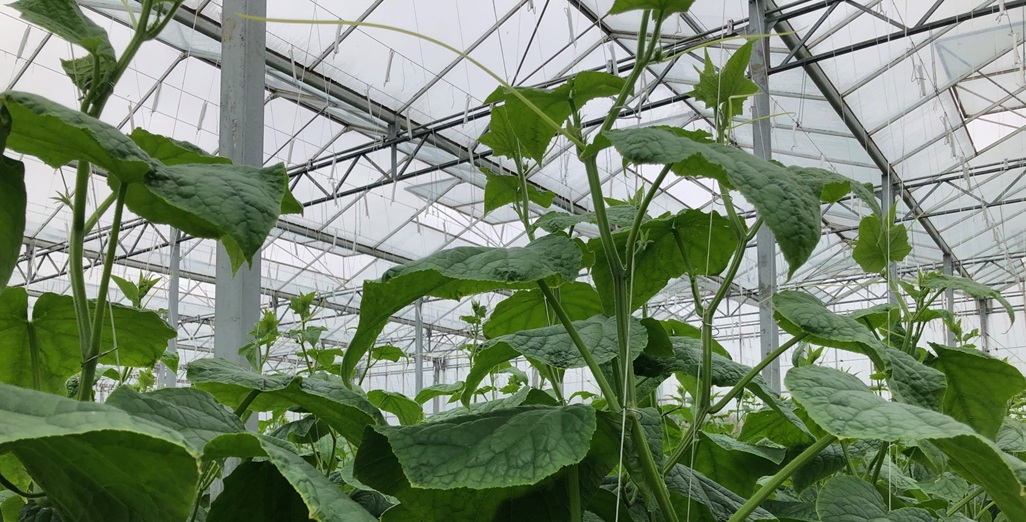
What if plants could tell us exactly when and how much water they need?
July 1, 2025
The BBRO Tackles Drought Risk in Sugar Beet Production
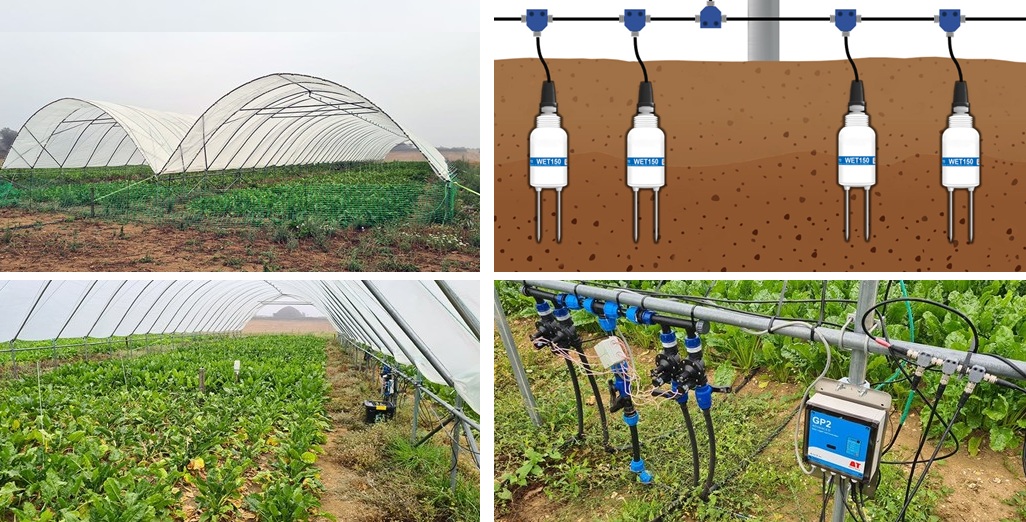
Delta-T Devices is providing WET150 multi-parameter soil sensors and GP2 advanced data loggers and controllers to the British Beet Research Organisation (BBRO) for use in important drought and water deficit research projects.
July 1, 2025
Botrytis Alert: Key Strategies to Minimize Losses
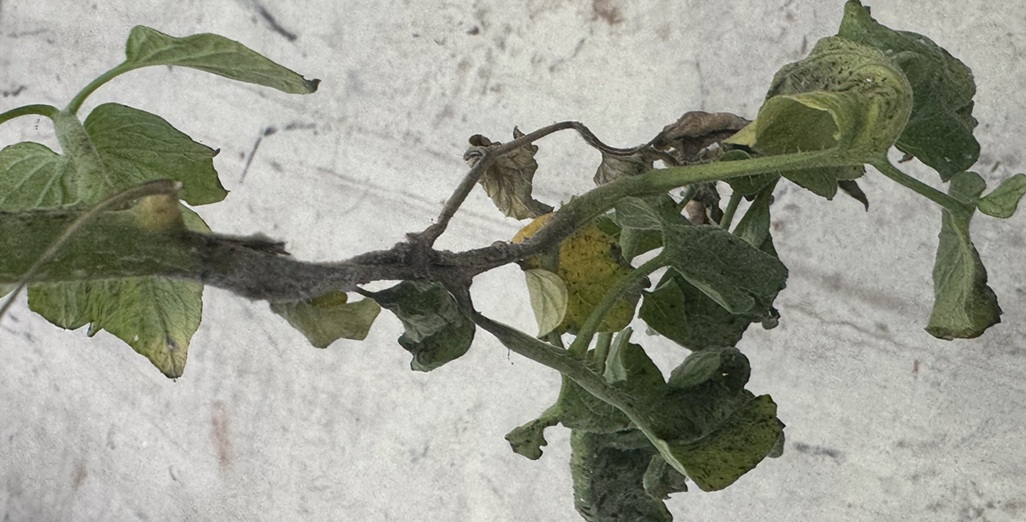
Following Blight, Botrytis now becomes the main threat — act early to avoid compounding issues. Energy costs are currently a major burden for greenhouse growers. As a result, many are forced to make difficult decisions about how much energy to invest in climate control........
January 14, 2025
(Best of 2024) Fleecegrow turning wool into substrates a reality
Sheep’s wool could be a solution for both the sustainability and supply challenges for indoor growers and nurseries.
CLASSIFIED