

Sign up here to subscribe to the Grower2grower Ezine. Every two weeks you will receive new articles, specific to the protected cropping industry, informing you of industry news and events straight to your inbox.
15
Mar 2022
Mar 2022
Disruption caused by Omicron

A real mixed bag
Late last week I canvassed growers regarding the impact of Omicron restrictions. There was a mixed bag of responses, from very disruptive to barely manageable. It was clear the smaller the business the less effected, the larger the business the bigger the ripple effect due to the reliance of larger workforces.
One grower, who asked not to be named, said his greenhouse operation had multiple staff away for more than three weeks, which was placing huge strain on the remaining staff. Pre-covid contracting additional workers to cover the seasonal workflow was available but currently there is no opportunities to bring in contractors as there simply are not any available.
Other growers have been pre-planning by changing planting dates to try and navigate through the omicron peak and hope the second wave is in the distant future.
Cucumbers and Tomatoes: Without understanding every grower’s circumstances, it is near impossible to predict if volumes will be similar this winter to last years. Delayed autumn plantings may be useful in providing a strong April-June return and it may help flatten out the market with the delayed plantings coming into production in July and August.
Importing:
Depending on the market in Australia and if shipping movements are back to 3-5 days, we could see a large influx of Australian tomatoes this winter.
Cost of Goods:
The inflationary pressures are being felt by all growers with the cost of supplies increasing. The only option to absorb these costs is to pass it on. In a commodity driven supply and demand market this is difficult, and this may stop growers from planting at all. Growers that able to continue as planned should, unless effected by external factors, should see stable returns again this winter.
Energy:
The energy availability and affordability may have a bearing on production outcomes. Not enough heat equals less production, which means less fruit, which equals higher prices or more imported (huge carbon footprint) vegetables to fill the gap.
Pepino Mosaic Virus (PepMV tomatoes):
For the tomato growers the effects of Pepino Mosaic Virus seem to be playing by the rule book so far. High light levels have appeared to help reduce the worst effects of the virus. Fruit blotching issues seen last winter have been harder to spot in the supermarkets over summer. However, the true test will be this winter, it will be a nervous wait for growers unsure how their crops will perform if they had a green bridge or were not able to sterilise the greenhouses completely between crops.
Article written and compiled by Stefan Vogrincic
All Article’s checked and edited by Marie Vogrincic
I appreciate your comments. Please feel free to comment on the grower2grower Facebook page:
https://www.facebook.com/StefanGrower2grower/
CLASSIFIED





















Photo
Gallery





Subscribe to our E-Zine
More
From This Category
August 25, 2026
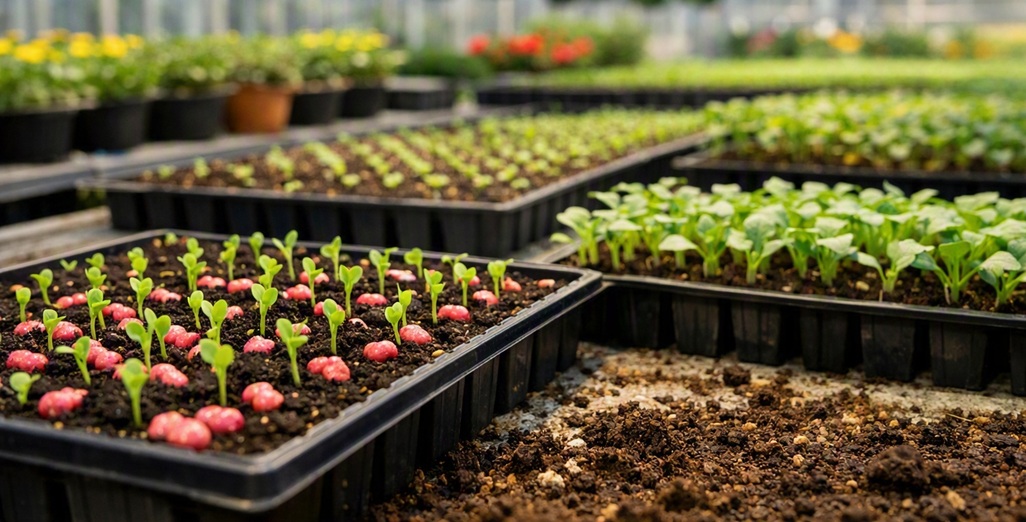
EPA seeks feedback about treated seed
The Environmental Protection Authority (EPA) is asking for feedback on a proposed group standard for treated seed.

August 25, 2026
A Well-Deserved Thank You to Barry O’Neil
Eight years at the helm of TomatoesNZ recognised with Lifetime Achievement Award. At the recent Covered Cropping NZ Conference and TomatoesNZ AGM, Barry O’Neil was presented with a Lifetime Achievement Award in recognition of his outstanding contribution to TomatoesNZ and the wider covered cropping industry. The award also marked the end of an eight-year chapter, with Barry stepping down after eight years as Chair of the TomatoesNZ Board.

August 11, 2026
CO₂ Capture for Greenhouses Without Liquefaction —
How Galloxol® Changes the Economics
July 14, 2026
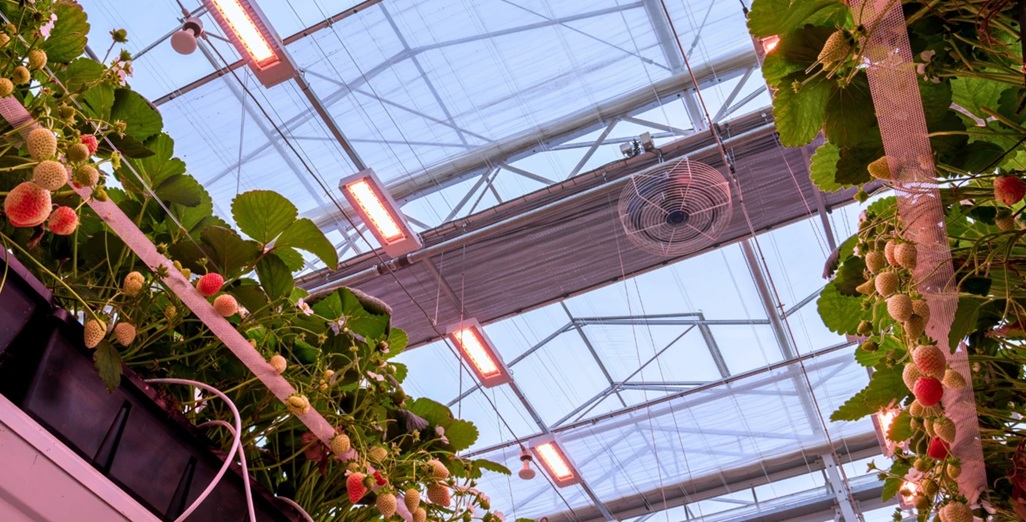
More air movement, fewer gaps, more energy savings
"The major challenge in the energy transition is to continue growing healthy and vital crops with less energy"

July 13, 2026
Covered Cropping NZ Conference: A Day of Practical Learning and Industry Connection
Wednesday, 12 August, at LaValla, Tuakau, South Auckland

June 15, 2026
New spray approved for professional control of insect pests (Buildings only)
The Environmental Protection Authority (EPA) has approved Seclira WSG, a spot-treatment surface spray for the control of insect pests in and around buildings.
CLASSIFIED