

Sign up here to subscribe to the Grower2grower Ezine. Every two weeks you will receive new articles, specific to the protected cropping industry, informing you of industry news and events straight to your inbox.
23
Feb 2026
Feb 2026
Dissolved Oxygen – The Hidden Driver of Root Performance in Greenhouse Crops
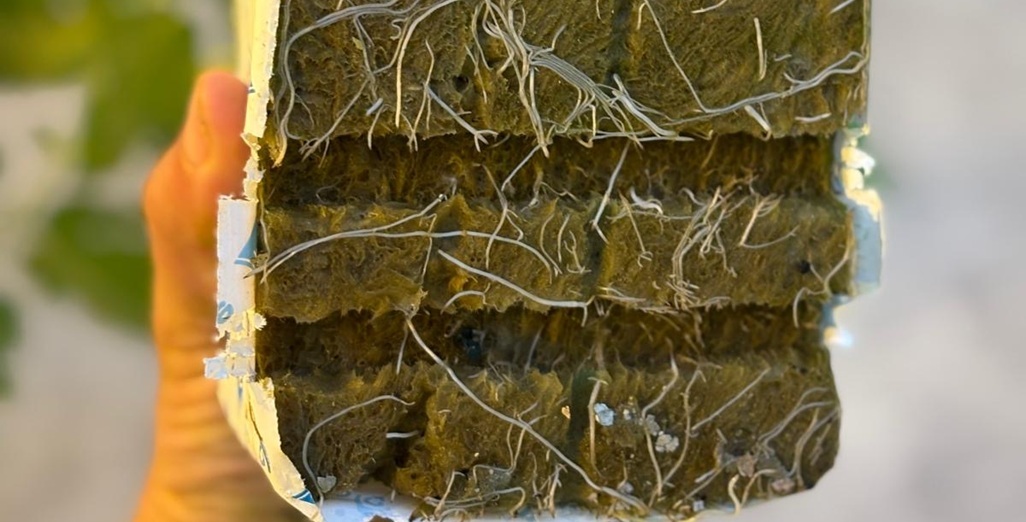
In high-tech greenhouse tomato and cucumber production, we carefully monitor EC, pH, radiation sums and irrigation strategy. However, one parameter that is often overlooked — yet can significantly influence plant performance — is dissolved oxygen (DO) in the nutrient solution.
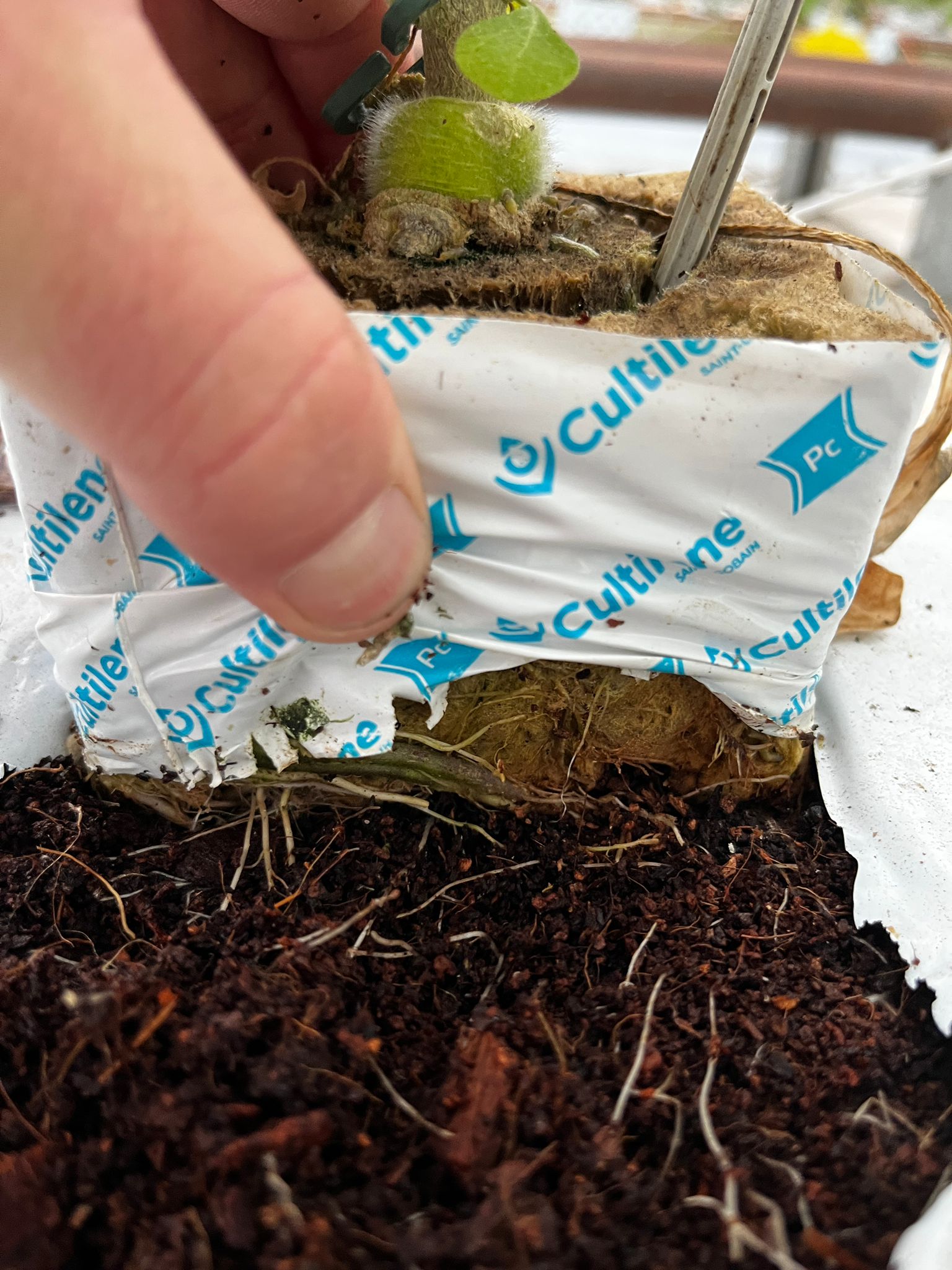
Roots require oxygen to respire. Without adequate oxygen, even a perfectly balanced nutrient recipe will not perform as expected. When dissolved oxygen levels are low, roots cannot efficiently absorb water and nutrients. The result is often subtle at first: slightly dull roots, reduced vigour, inconsistent calcium uptake, or plants that shift vegetative when they should be generative. As stress increases, root tips brown, nutrient uptake becomes erratic, and the crop becomes more susceptible to pathogens such as Pythium.
This issue becomes particularly relevant during warm summer periods. The physical reality is simple: warm water holds less oxygen. At 20°C, water can hold significantly more oxygen than at 24°C. Yet summer conditions often push nutrient solution temperatures above 22°C — exactly when plant demand for oxygen is highest due to increased radiation and transpiration. In recirculating systems, this effect can be amplified if return water carries organic matter that consumes oxygen within the storage tank. (As well the return tanks generally smaller, will warm up faster)
As a guideline, dissolved oxygen levels above 6 mg/L are acceptable, while 7–9 mg/L is considered ideal. Once levels fall below 5 mg/L, root stress becomes increasingly likely. Many growers are surprised to discover how variable DO levels can be between the main tank and the slab drain return.
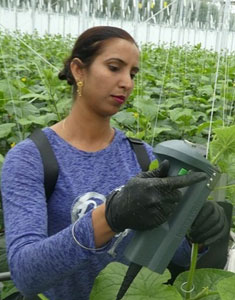
Measurement is straightforward using a portable dissolved oxygen meter. Companies such as Hanna Instruments and YSI produce reliable handheld meters suitable for greenhouse use. Optical probes are generally more stable and require less maintenance than older membrane-style sensors. Measuring both tank solution and return drain water provides valuable insight into system performance.
If dissolved oxygen levels are low, the first focus should be solution temperature. Maintaining nutrient solution between 18–20°C provides a strong foundation for oxygen availability. Insulating tanks, managing heat exchange systems effectively, and avoiding excessive daytime warming are practical starting points.
Increasing turbulence in the tank can also improve oxygen transfer. Simple adjustments such as allowing return lines to splash into the tank rather than discharging below the surface can make a measurable difference. Venturi injectors or air diffusers can further enhance aeration, particularly in larger recirculating systems.
Some growers consider hydrogen peroxide-based products to lift oxygen levels. While these products temporarily release oxygen as they break down, they should be viewed primarily as system hygiene tools rather than true oxygen management strategies. Long-term oxygen stability comes from temperature control and aeration, not chemical intervention.
In modern greenhouse production, where margins are tight and plant performance must be precise, dissolved oxygen should not be ignored. When roots are healthy and well oxygenated, nutrient uptake is more consistent, plants remain balanced, and disease pressure is reduced. As we continue to refine irrigation and climate strategies, it may be time to give dissolved oxygen the attention it deserves.
Article complied by Stefan Vogrincic. To discuss this and more email: stefan@grower2grower.co.nz
CLASSIFIED















Photo
Gallery








Subscribe to our E-Zine
More
From This Category
February 23, 2026
Dissolved Oxygen – The Hidden Driver of Root Performance in Greenhouse Crops
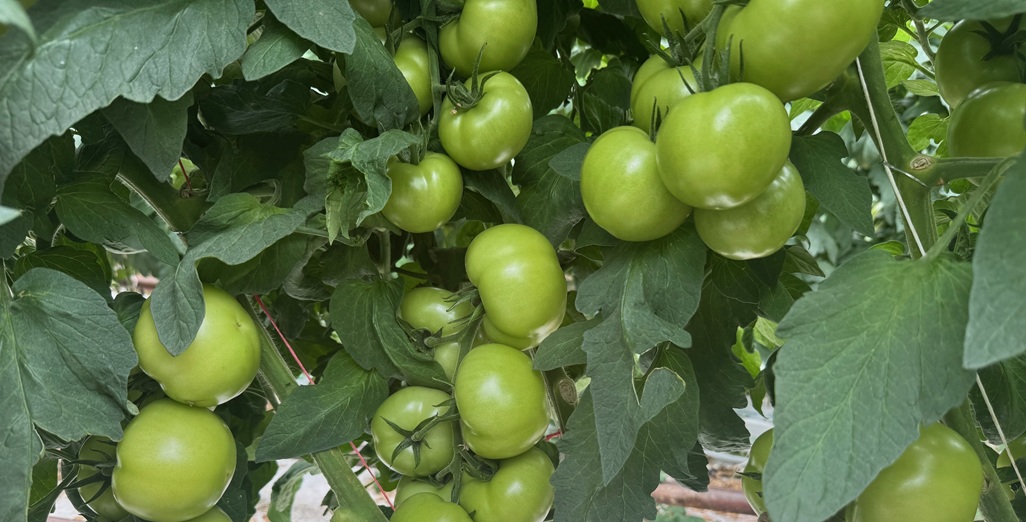
In high-tech greenhouse tomato and cucumber production, we carefully monitor EC, pH, radiation sums and irrigation strategy. However, one parameter that is often overlooked — yet can significantly influence plant performance — is dissolved oxygen (DO) in the nutrient solution.
February 10, 2026
Day-Length Decreasing = Time to Adjust Your Water Content
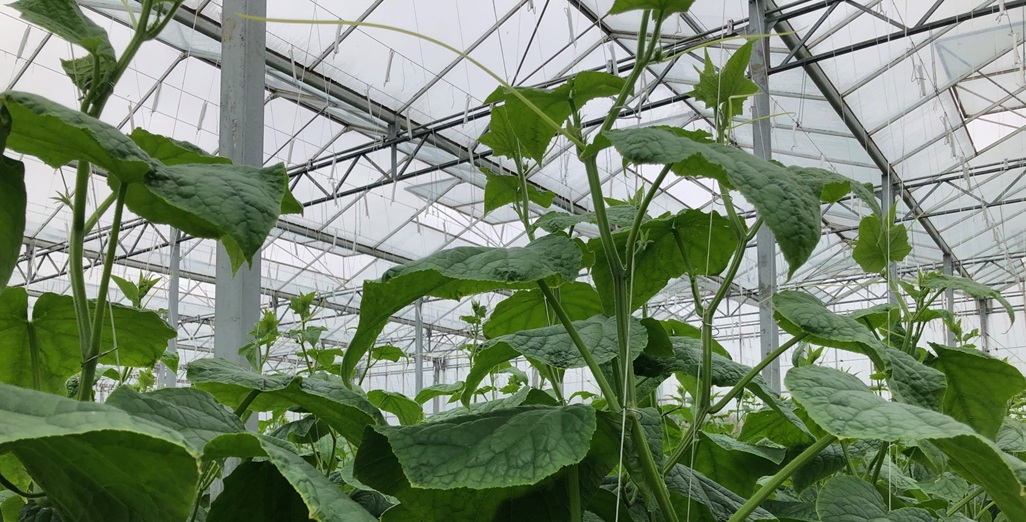
Amid the usual distractions of modern growing life, it’s easy to forget that Autumn 2026 is just around the corner. As day length shortens, now is the critical moment to review and adjust your irrigation strategy. Unlike previous years that brought prolonged dry spells or extreme heat, this year’s weather has been variable. Across the country, many regions are already seeing heavy rainfall and several cloudy days in a row. While this is great for replenishing water reservoirs, it also creates challenges once the sun returns: crops may wilt, and the temptation to overwater is high. My advice: keep substrate water content and EC close to pre-cloudy levels.
August 12, 2025
The Rise of Plant-Driven Irrigation
What if plants could tell us exactly when and how much water they need?
July 1, 2025
The BBRO Tackles Drought Risk in Sugar Beet Production
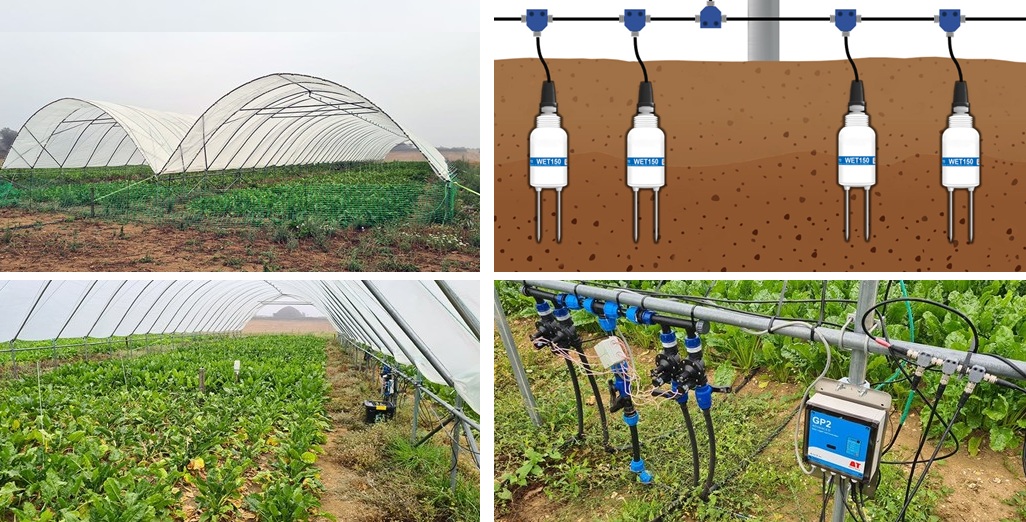
Delta-T Devices is providing WET150 multi-parameter soil sensors and GP2 advanced data loggers and controllers to the British Beet Research Organisation (BBRO) for use in important drought and water deficit research projects.
July 1, 2025
Botrytis Alert: Key Strategies to Minimize Losses
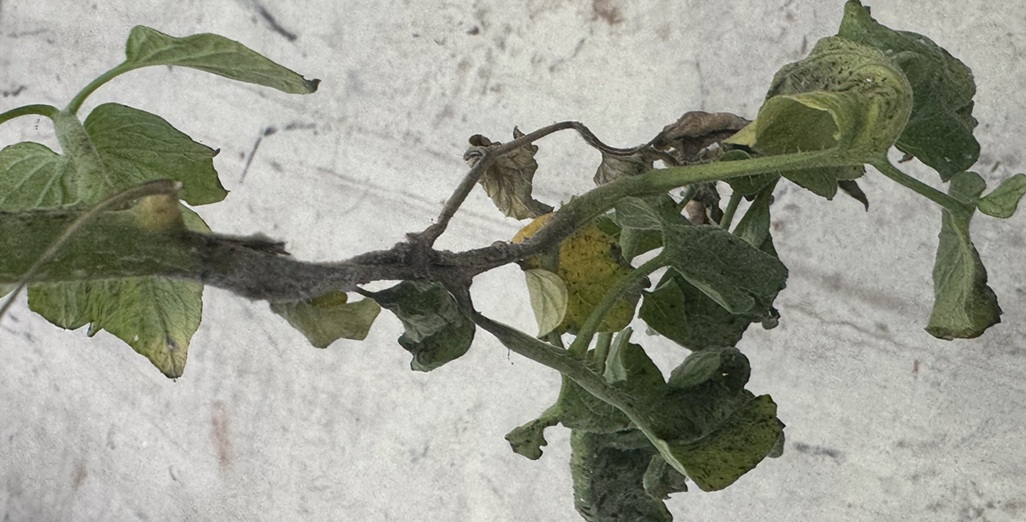
Following Blight, Botrytis now becomes the main threat — act early to avoid compounding issues. Energy costs are currently a major burden for greenhouse growers. As a result, many are forced to make difficult decisions about how much energy to invest in climate control........
January 14, 2025
(Best of 2024) Fleecegrow turning wool into substrates a reality
Sheep’s wool could be a solution for both the sustainability and supply challenges for indoor growers and nurseries.
CLASSIFIED