

Sign up here to subscribe to the Grower2grower Ezine. Every two weeks you will receive new articles, specific to the protected cropping industry, informing you of industry news and events straight to your inbox.
18
Jan 2021
Jan 2021
Do you have a backup electricity supply?
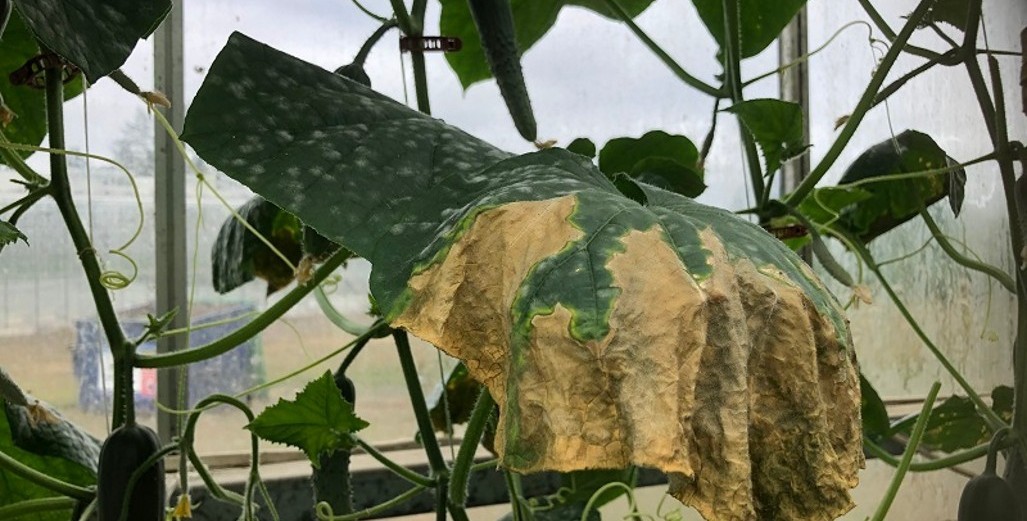
What happens when there is an unplanned power outage?
When I was growing one of my major fears was how to deal with an electricity breakdown. Too lose power on a hot summer’s day, and have no way of irrigating a crop or controlling the environment, could quickly turn into a disaster. Without a backup generator, that many growers do not have, you will be at the mercy of someone else to help bring the power back.
A few weeks ago a contractor, mowing grass, accidentally cut the main power source to some greenhouses nearby. The issue occurred close lunch time, the sun was shining bright so it was hot, which is to be expected at this time of the year. As a result the crops in question were not irrigated until the early evening, when the issues had been fixed and the power was back on. Something you cannot plan for is unexpected accidents, but the consequences can be quite devastating.
The crops suffered, they wilted quickly. I visited four days later, and the effects were already visible with miss-set and fruit abortion. It is too early to determine the long-term effects. When crops are stressed, as they were in this case, it may take several days or even weeks to start seeing the physical effects. Even though the different crops had recovered in the proceeding days to some degree, long term damage (depending on factors such as the amount of time without water, age of crop, crop load and cultivar) is a very high possibility. Root systems will potentially die back, fruit abortion will most likely occur, fungus and insects may well become issues, due to the plant’s natural defence systems being subjected to a stressful event.
If insurance is involved then it is not quite as simple as the loss of production, as the production that is harvested from that point onwards may fall short of the expected quality. Even if the crop is still replaced on the scheduled replanting date the actual loss incurred by the grower will not be just a matter of the production but the extra time spent trying to fix or nurse the crop to its planned termination.
Note: In this case tomatoes and cucumber crop have been affected. Cucumbers are very sensitive and once they are under this type of stress it will be hard to fully recover without major damage. Tomatoes will suffer from such an event. However, if it is an immature crop, with good root systems and good water buffer, the damage may be less severe than for a cucumber crop.
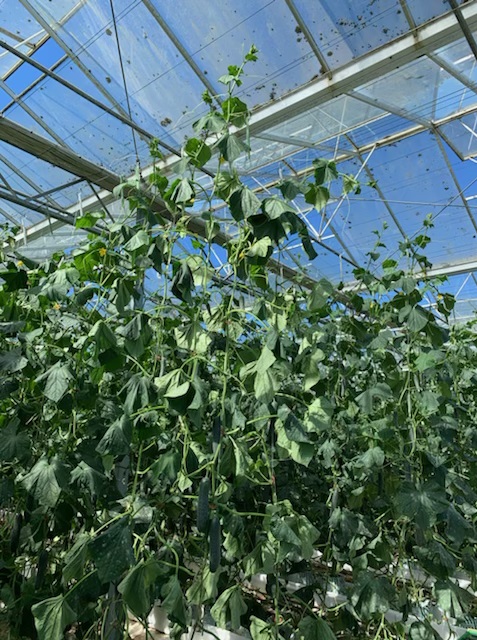
Wilting will occur very quickly if a greenhouse crop cannot be irrigated regularly on a hot day in January.
Be prepared- have a back-up plan
A generator. No matter how big or small a grower you may be you should discuss with your electrician the cost to install a generator at least big enough to supply enough energy to be able to manually irrigate and also run your heating system in the winter.
Insurance
Discuss with your insurance provider regarding crop loss insurance. I would think it is expensive to have but if you are vulnerable then it may be a solution worth investigating. I am aware of a glasshouse that lost hundreds of panes of glass during a freak storm, which in turn destroyed the crop. The grower had an insurance policy that not only meant they were able to get the glasshouse fixed but also compensation for loss of earnings due to the destruction of that crop.
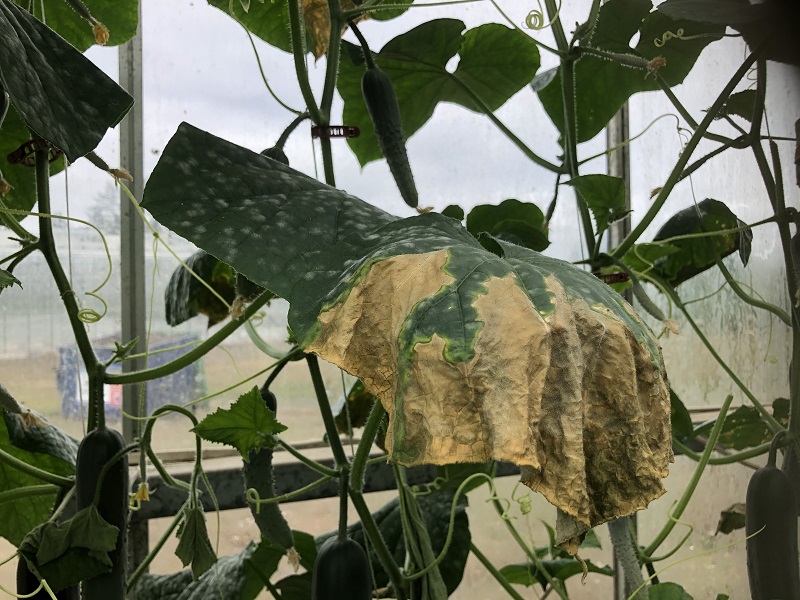
Cover-photo, permanant damge/scars appear only a few days later.
I appreciate your comments. Please feel free to comment on the grower2grower Facebook page:
https://www.facebook.com/StefanGrower2grower/
Article Written and compiled by Stefan Vogrincic, Consultant, Grower2Grower
Article Edited by Marie Vogrincic, Editor, Grower2Grower
CLASSIFIED












Subscribe to our E-Zine
More
From This Category

September 22, 2026
New screens as a response to rising energy cost
"The cheapest energy ultimately remains the energy you do not need to purchase"
August 25, 2026
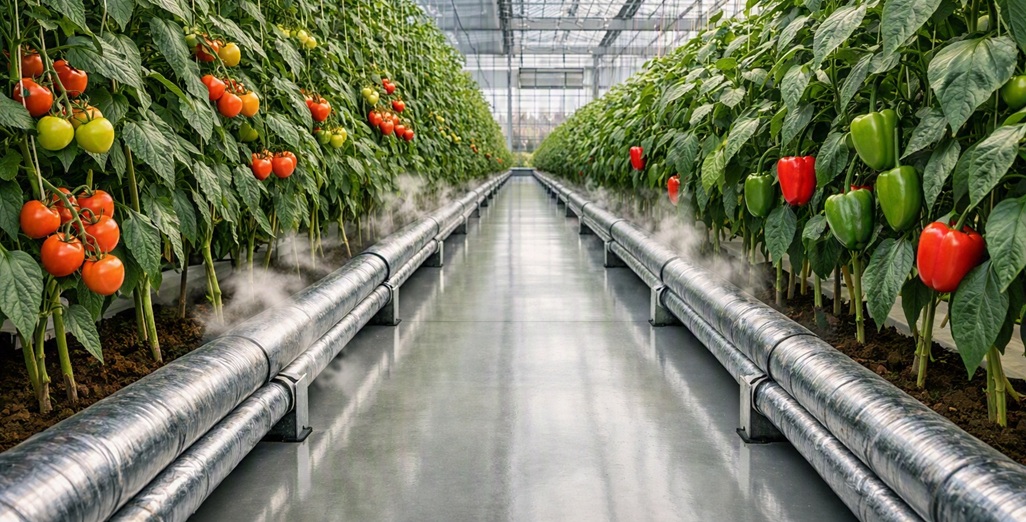
Why Are Growers Not Using the Geothermal Calculator?
A free tool has been developed specifically for New Zealand’s covered crop industry – so why aren't more growers using it?
August 11, 2026
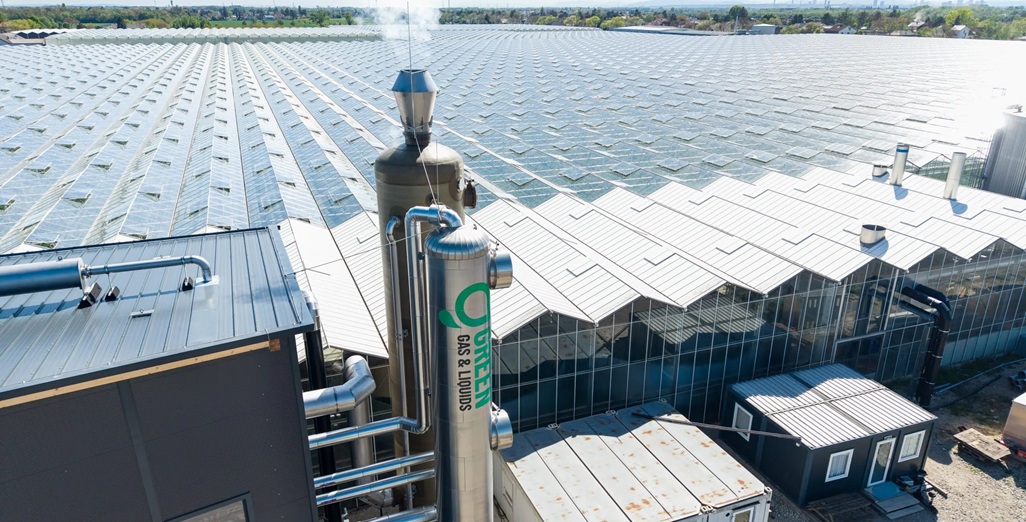
CO₂ Capture for Greenhouses Without Liquefaction —
How Galloxol® Changes the Economics
July 14, 2026
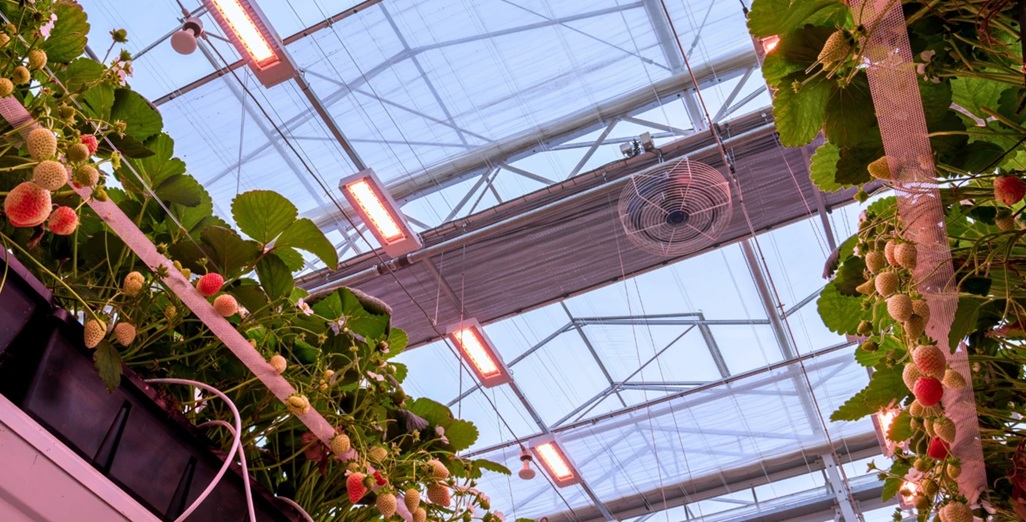
More air movement, fewer gaps, more energy savings
"The major challenge in the energy transition is to continue growing healthy and vital crops with less energy"
June 1, 2026
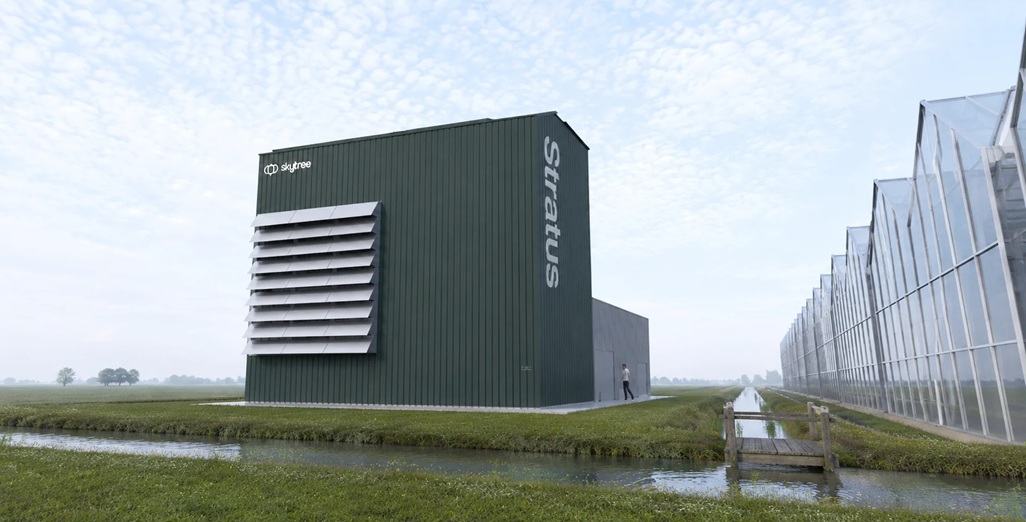
A major milestone has been reached in Direct Air Capture and agriculture
Strategic alliance will establish a decentralized, fossil-free CO₂ supply for a vital greenhouse cluster in the Netherlands that spans 80 hectares
June 1, 2026
Phormium launches a new ultra-transparent energy screen: Diamond
The leading Belgian climate screen manufacturer Phormium announces the introduction of a brand-new revolutionary energy screen:
CLASSIFIED