
Sign up here to subscribe to the Grower2grower Ezine. Every two weeks you will receive new articles, specific to the protected cropping industry, informing you of industry news and events straight to your inbox.
14
Dec 2020
Dec 2020
Early Christmas Present
Energy 2021 and Beyond
For many energy costs are the second biggest expense after labour. Even if heating is not essential for your current greenhouse structures, but maybe in the future, then this article is worth reading. A Government fund has been approved to help decarbonise industrial processes and process heat, through energy efficiency, the application of innovative technologies, and fuel switching.
Natural Gas is still the easiest way to heat a greenhouse with the by-product CO2 the huge bonus for increasing plant yield. However, how long will it be until growers using Natural Gas will be priced out of the market? For coal, the days are numbered and for those growers the immediate future is less certain. The GIDI fund that has been approved could benefit our entire industry because the technology that will be developed and co-funded will be available for all growers to access. How I understand it is the IP from one successful project can then be used to help others. The other really interesting part of this fund is it will be available for multiple growers. The only catch is the feasibility study and business case study need to be completed before applying for a capital grant. With no guarantee of a successful application this will possibly deter growers from applying as the work involved with the forementioned is onerous.
However, this is a great opportunity and for companies with their ducks in a row then the opportunity to have part of their capital costs covered is a huge incentive. The first round to apply for funding has already closed but there will be two more opportunities next year.
The realistic opportunities in my view are:
- Geothermal – for heating and electricity
- Biomass – for heating, electricity and CO2 (Either woodchip or industrial waste)
- Heap Pump – for heating
- Biodigesters – for heating, electricity and CO2 (food waste, animal waste (poo))
Note: I have categorized them like this but some may feel Biodigesters and Biomass fall in the same category.
Below is an extract from the Genless website.
THE GOVERNMENT INVESTMENT IN DECARBONISING INDUSTRY (GIDI) FUND
The GIDI Fund is a partnership between Government and business to accelerate the decarbonisation of industrial process heat and contribute to the COVID-19 recovery by stimulating the domestic economy and supporting employment.
Process heat makes up around a third of New Zealand’s overall energy use, and 60% of process heat is fossil-fuelled, mainly by gas and coal.
EECA (The Energy Efficiency and Conservation Authority) administers the GIDI Fund on behalf of the Government through a contestable process that will see $69M of capital grants co-investment made available to support good projects.
The Fund is available to New Zealand-based private sector businesses who have committed to decarbonising their business and industrial processes, where Government co-investment will help remove barriers to accelerating their decarbonisation goals.
OBJECTIVES OF THE FUND
- Decarbonise industrial processes and process heat through energy efficiency, the application of innovative technologies, and fuel switching.
- Economic stimulus of the domestic economy and supporting local employment.
- Encouraging innovation by supporting early adopters of technologies that demonstrate wide replication and emissions reduction potential.
- Accelerating action as a key part of the Government’s 2021 Emissions Reduction Plan in response to the Climate Change Commission’s first emissions budgets.
SCOPE OF THE FUND
Projects considered for co-investment to decarbonise industrial process heat through energy efficiency, technology innovation, and fuel switching where they directly reduce the use of fossil fuels and can include support for electricity network infrastructure upgrades where they directly enable an electrification project.
PROJECTS FOCUSING ON THESE AREAS ARE OUT OF SCOPE:
- residential or commercial buildings and campuses
- transport initiatives including decarbonisation of off-road vehicles, and marine vessels
- waste minimisation
- electricity generation
- reducing agricultural emissions or embodied carbon
- Research & development, and the implementation of technologies that are not commercially available
If you have a query about whether your project is eligible for funding, get in touch with the EECA point of contact: GIDIFund@eeca.govt.nz
Click on the link below to go to the website:

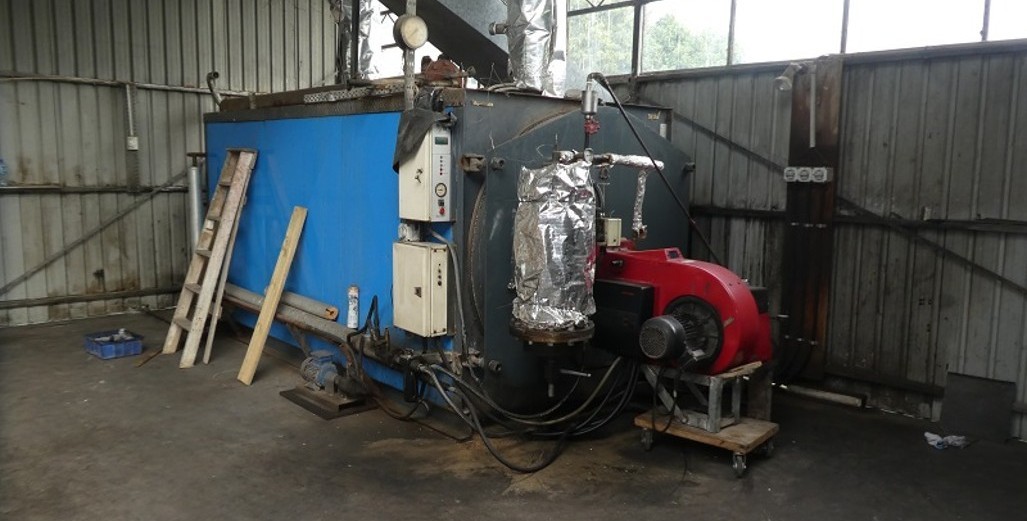
Cover image is a used waste oil heating system.
I appreciate your comments. Please feel free to comment on the grower2grower Facebook page:
https://www.facebook.com/StefanGrower2grower/
Article Written and compiled by Stefan Vogrincic, Consultant, Grower2Grower
Article Edited by Marie Vogrincic, Editor, Grower2Grower
CLASSIFIED










Subscribe to our E-Zine
More
From This Category

September 22, 2026
New screens as a response to rising energy cost
"The cheapest energy ultimately remains the energy you do not need to purchase"
August 25, 2026
Why Are Growers Not Using the Geothermal Calculator?
A free tool has been developed specifically for New Zealand’s covered crop industry – so why aren't more growers using it?
August 11, 2026
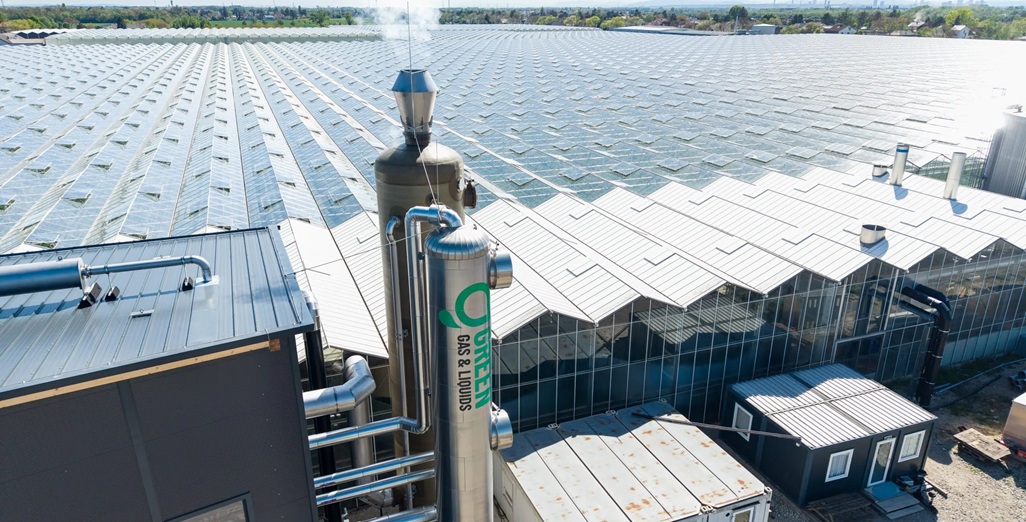
CO₂ Capture for Greenhouses Without Liquefaction —
How Galloxol® Changes the Economics
July 14, 2026
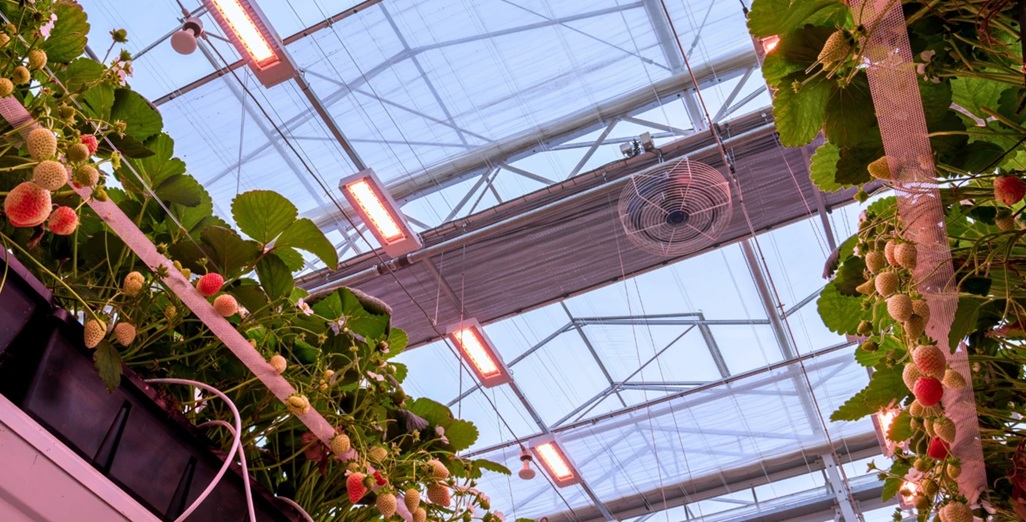
More air movement, fewer gaps, more energy savings
"The major challenge in the energy transition is to continue growing healthy and vital crops with less energy"
June 1, 2026
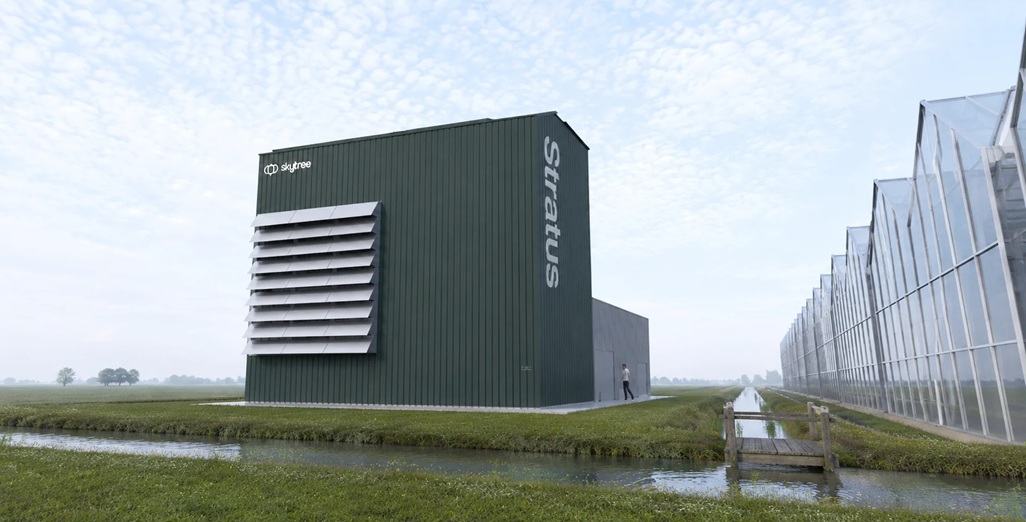
A major milestone has been reached in Direct Air Capture and agriculture
Strategic alliance will establish a decentralized, fossil-free CO₂ supply for a vital greenhouse cluster in the Netherlands that spans 80 hectares
June 1, 2026
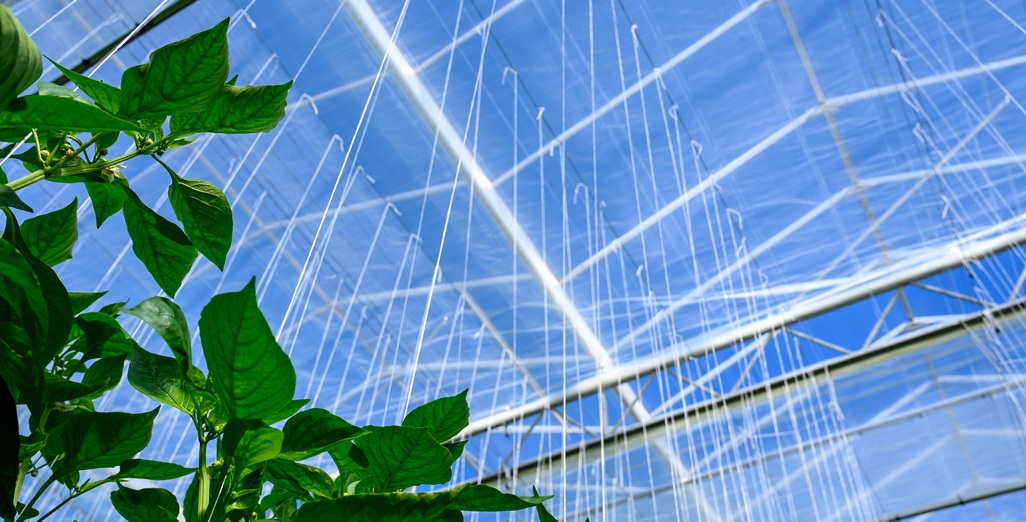
Phormium launches a new ultra-transparent energy screen: Diamond
The leading Belgian climate screen manufacturer Phormium announces the introduction of a brand-new revolutionary energy screen:
CLASSIFIED