
Sign up here to subscribe to the Grower2grower Ezine. Every two weeks you will receive new articles, specific to the protected cropping industry, informing you of industry news and events straight to your inbox.
9
Nov 2021
Nov 2021
Energy Crisis in Europe
Skyrocketing Gas prices disrupt planting schedule
Spare a thought for our counterparts in parts of Europe as gas prices sky rocket. For those grower’s dependent on natural gas the staggering increase in the price will have consequences. For Dutch and Belgium growers this current energy crisis has serious implications, for Ukrainian growers it could be terminal.
I understand due to the sudden increase in gas prices (Spot gas prices in the EU at the end of September are about ten times higher than at the same time in 2020) that some businesses that had plants ordered from nurseries/plant raisers have deferred them, leaving greenhouses empty until December and for some cucumber crops into next year. As Europe is now heading into winter, unless growers have access to alternative energy sources it seems some greenhouses may be empty for a prolonged period. The downstream effect of this must be enormous for staff, suppliers and the local market. For countries not affected, by these increases in costs, they will be in a much stronger position to supply what could be a market short on local supply in the early part of next year. For every grower that will loose from these high gas prices there will be growers in other parts of Europe that could prosper, ultimately, I believe the consumer will be the biggest looser with either increased prices or having less options to eat locally grown produce.
I remember in the early 2000’s, during one period in spring, we were seeing returns much higher than I budgeted for or anticipated, at the time there were floods in Australia. It was a bonanza for NZ growers harvesting but must have been a terrible time for those growers in Australia. That was a natural disaster, the gas price increase in Europe is not a natural disaster. High production from a high-tech greenhouse is actually relatively easy to achieve, you plant, give water and fertiliser, heat it and watch it grow. The difficulty is the innovation required to keep producing with less inputs or with increased efficiency to sustain profitability. The grower and direct employees, are the heart of the industry, if they do not have a viable business all of the support industries become collateral damage with decisions out their control – like the cost of energy. The cost of energy, and the lack of alternative sustainable clean or non-fossil fuel options, will determine how our industry looks in ten years’ time. In New Zealand we have a head start on what is on the horizon so we will hopefully have enough time and support to adapt with a lot of assistance. I am not sure how growers in the Netherlands or Belgium will cope without alternate energy options of which I understand at this point in time are limited.
I recommend reading the following articles:
.JPG)
Article written and compiled by Stefan Vogrincic
All Article’s checked and edited by Marie Vogrincic
I appreciate your comments. Please feel free to comment on the grower2grower Facebook page:
https://www.facebook.com/StefanGrower2grower/
CLASSIFIED













Subscribe to our E-Zine
More
From This Category
February 23, 2026
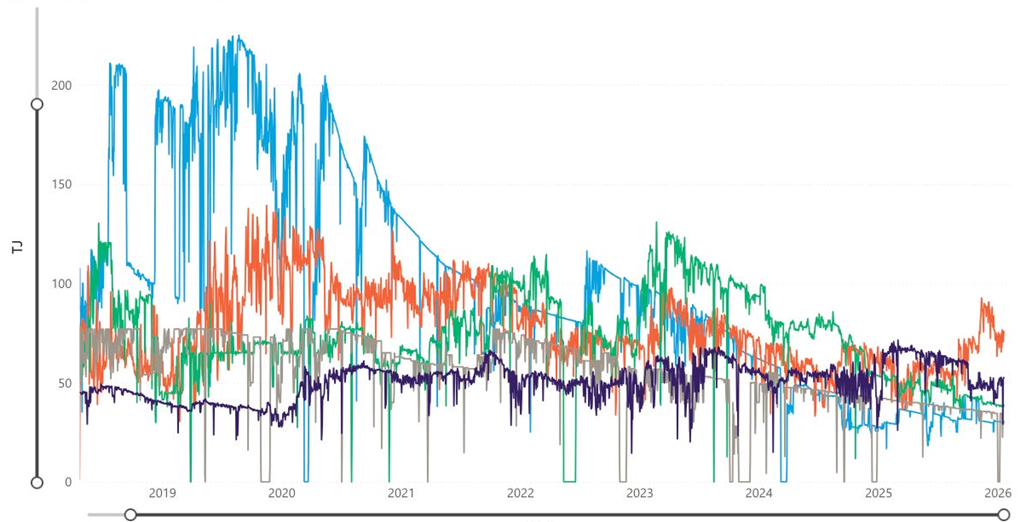
New Zealand’s 2026 Energy Stock-Take – Part 2 – Natural Gas
New Zealand’s Nord Stream moment. That sucking-straw sound at the bottom of the glass and suddenly a gaping hole emerges in the New Zealand energy landscape
December 29, 2025
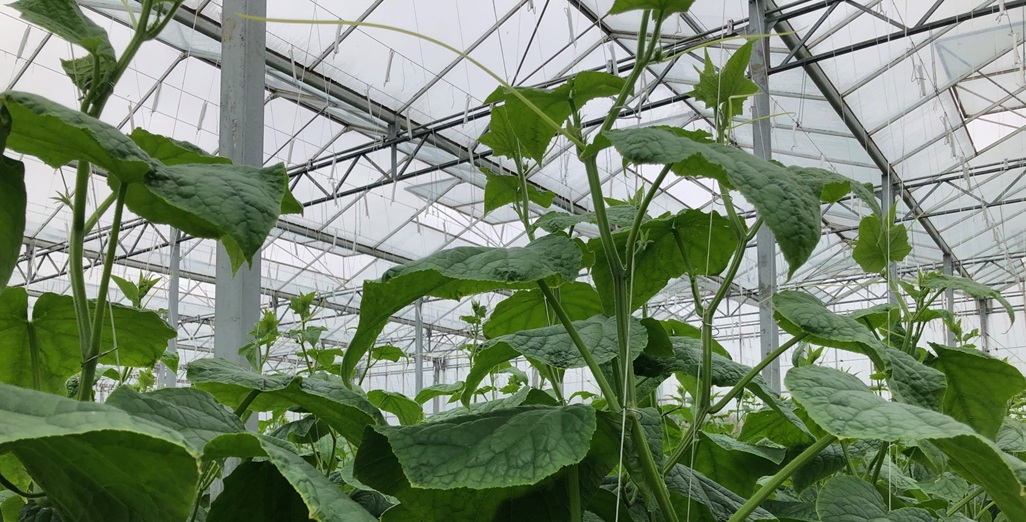
Best of 2025 – 79.2% decrease in Emission Trading Scheme (ETS) allocations for South Auckland Cucumber Grower
Chickens come home to roost for Greenhouse Growers
December 17, 2025
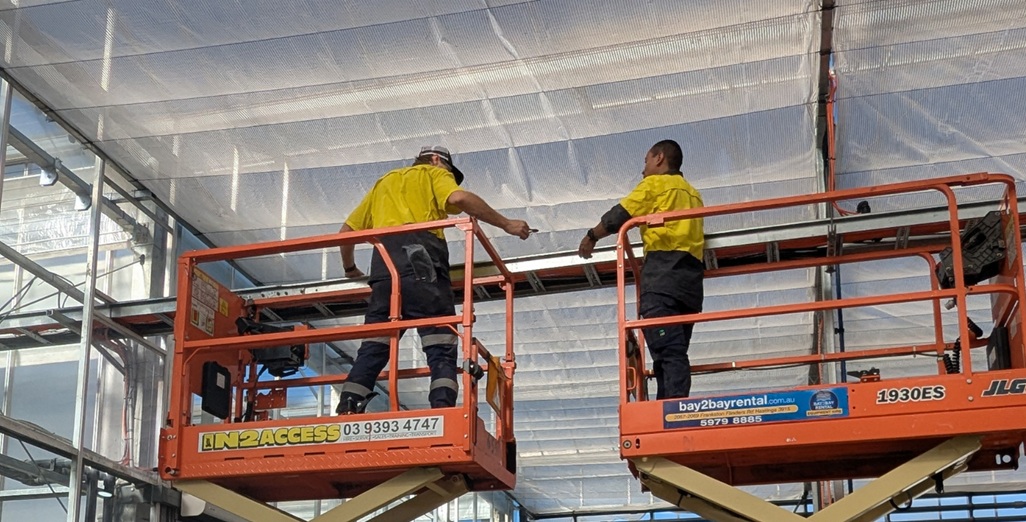
Ball Australia Boosts Climate Control with New Blackout Screen Upgrade
'Powerplants partnered with Ball Australia to deliver a full blackout screen replacement, supported by detailed mechanical, electrical, and irrigation work'
December 17, 2025
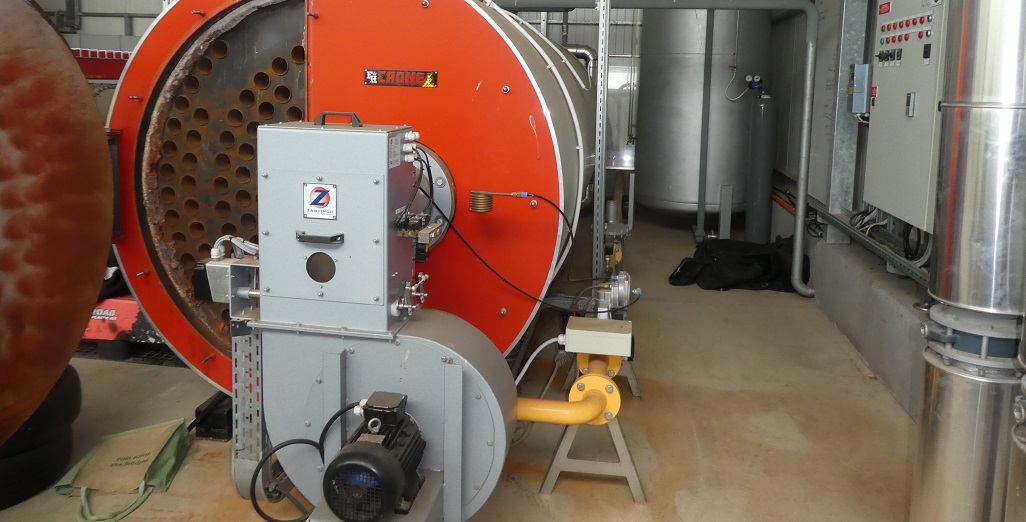
Why energy is now a strategic risk (2025 Grower2Grower overview of energy and looking forward)
What Tomato, Cucumber, Capsicum and Capsicum Growers Need to Know (And other heated greenhouse crops). Energy has shifted from a manageable operating cost to a strategic production risk for New Zealand’s protected-cropping sector. In 2025, growers are facing a convergence of structural changes that directly affect whether heat is available when it is needed, not just what it costs.
September 23, 2025
Online workshop : learnings from the low-energy input trial for greenhouse tomatoes
If you are not a tomato grower or you do not grow with lights, the approach to energy saving is also transferable to your situation.
September 8, 2025
Tomato grower warns the gas supply crisis could threaten the hothouse industry
When NZ Hothouse built its tomato growing operation 25 years ago in South Auckland, hooking up to the nearby Maui pipeline was a key factor.
CLASSIFIED