

Sign up here to subscribe to the Grower2grower Ezine. Every two weeks you will receive new articles, specific to the protected cropping industry, informing you of industry news and events straight to your inbox.
5
Oct 2020
Oct 2020
Exciting New Greenhouse Project for Marsden Point
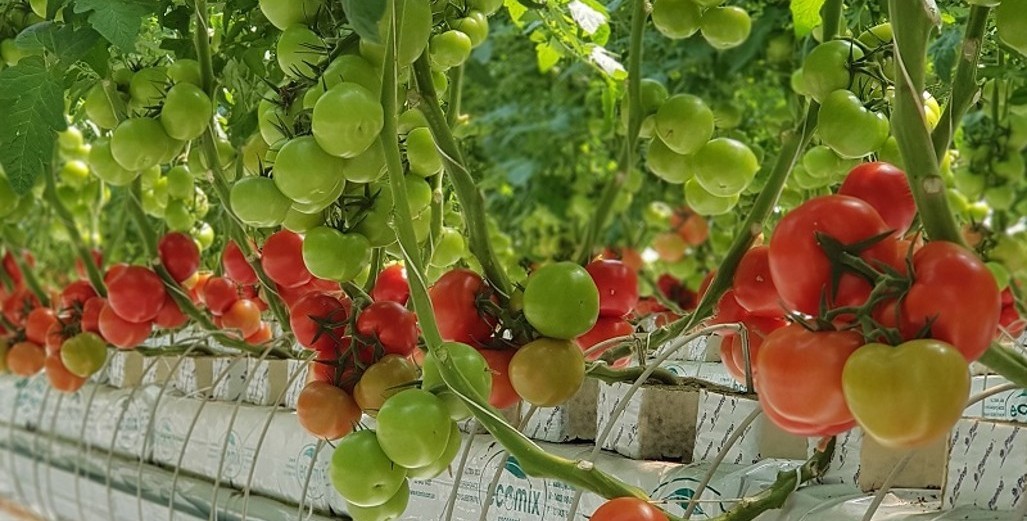
8.9ha of lit tomatoes
By now you may be aware of the new greenhouse project planned for Marsden Point. The project is valued at $70 million and has received a $14 million loan from the PGF (Provincial Growth Fund). The new high-tech glasshouse will be installed with 100% LED supplementary lighting to produce 8.9ha of tomatoes. Increasing New Zealand’s domestic market winter supply will primarily be the focus.
From my knowledge of supplementary lighting, this glasshouse, depending on many variables, could produce summer time production in winter. I predict the production achieved (using LED’s) may be equivalent to 30 ha of what is produced currently during our winter period.
Information below from the media releases indicates this project will be growing organic tomatoes, which will be incredibly challenging especially with New Zealand’s huge insect pressure and lack of natural predators unlike other locations. This leads me to think it may be a closed greenhouse or have insect protection/netting.
When I worked for Wight Salads, Isle of Wight in England, they specialised in growing organic tomatoes. The advantage that Wight Salads, as do other organic producers in England, is that they have access to an array of natural beneficial insect predators that New Zealand growers do not have access to. As an example, the insect Macrolophus to control Whitefly.
Growing organically also makes it very difficult to achieve similar production to conventional growing methods. Apart from the huge challenge of insect control you really need everything to go right, no root disease, no fungus and bacterial diseases like blight, etc. A perfect environment is very hard to achieve despite the most modern technology it is still going to be a constant challenge.
The last time a structure of this size was built in New Zealand was 2003. There have been additions to smaller and larger sized business over the past 17 years but not all in one go. The extra production in winter may well reduce the need to import Australian fruit. Long crops grow for 49 weeks so not all the production will be harvested in winter. It is important to note that organic crops may not quite have the legs, even if grafted.
From a technology perspective I am very excited this project is going ahead. Suppliers to the greenhouse industry will be happy as there will be a brand-new customer to supply. However, I am mindful it will cause a few jitters amongst growers that feel our market is currently sufficiently supplied. A few years ago, 3ha of new cucumber production caused the same concerns but the market adjusted and settled down, and over recent times the area of cucumbers would easily have increased by a further 3 ha.
In my opinion it was only a matter of time before an organisation moved in this direction. It will possibly cause other companies to re-invest into new technology to become equally competitive or investigate alternate uses for their greenhouses. This is a very exciting, major new development for the industry. I am looking forward to the open day.
Below are the news links from which information for this post was obtained.
https://www.ruralnewsgroup.co.nz/rural-news/rural-general-news/30m-pgf-funding-for-northland
https://www.beehive.govt.nz/release/crucial-pgf-investments-northland
https://www.nzherald.co.nz/the-country/news/article.cfm?c_id=16&objectid=12367912
https://www.hortidaily.com/article/9253656/new-zealand-project-to-increase-tomato-yield-in-winter/
.jpg)
local builders will be excited with the potential opportunity
I appreciate your comments. Please feel free to comment on the grower2grower Facebook page:
https://www.facebook.com/StefanGrower2grower/
Article Written and compiled by Stefan Vogrincic, Consultant, Grower2Grower
Article Edited by Marie Vogrincic, Editor, Grower2Grower
CLASSIFIED












Subscribe to our E-Zine
More
From This Category
October 20, 2026
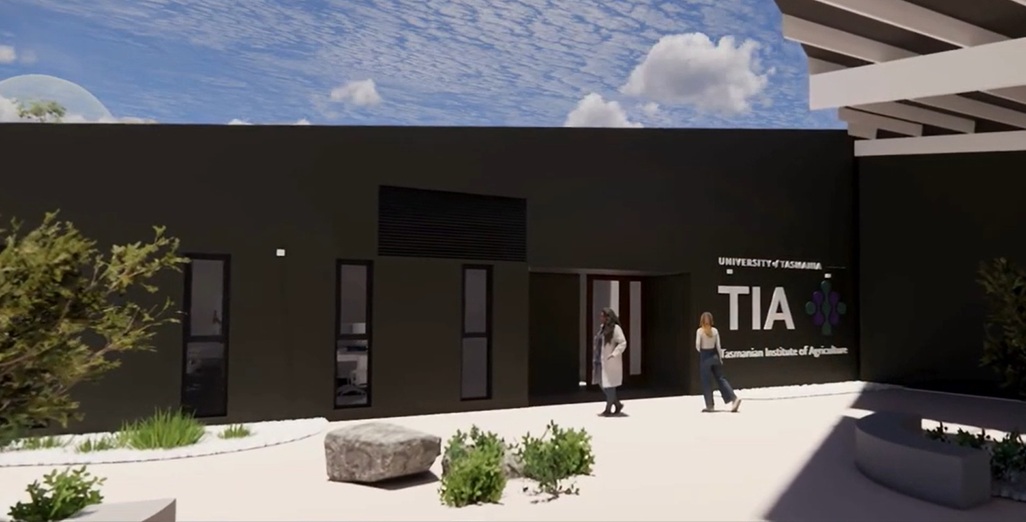
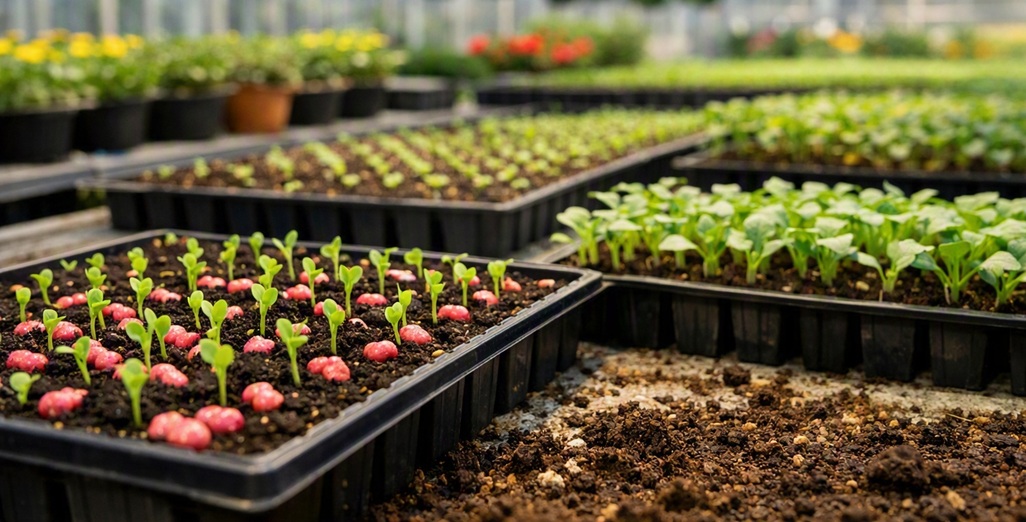
Powerplants – Purpose built facility will support leading research in crop production
The University of Tasmania is investing in the future of Australian agriculture with the development of a state of the art research greenhouse complex at its Newnham Campus in Launceston.
August 25, 2026
EPA seeks feedback about treated seed
The Environmental Protection Authority (EPA) is asking for feedback on a proposed group standard for treated seed.

August 25, 2026
A Well-Deserved Thank You to Barry O’Neil
Eight years at the helm of TomatoesNZ recognised with Lifetime Achievement Award. At the recent Covered Cropping NZ Conference and TomatoesNZ AGM, Barry O’Neil was presented with a Lifetime Achievement Award in recognition of his outstanding contribution to TomatoesNZ and the wider covered cropping industry. The award also marked the end of an eight-year chapter, with Barry stepping down after eight years as Chair of the TomatoesNZ Board.
August 11, 2026
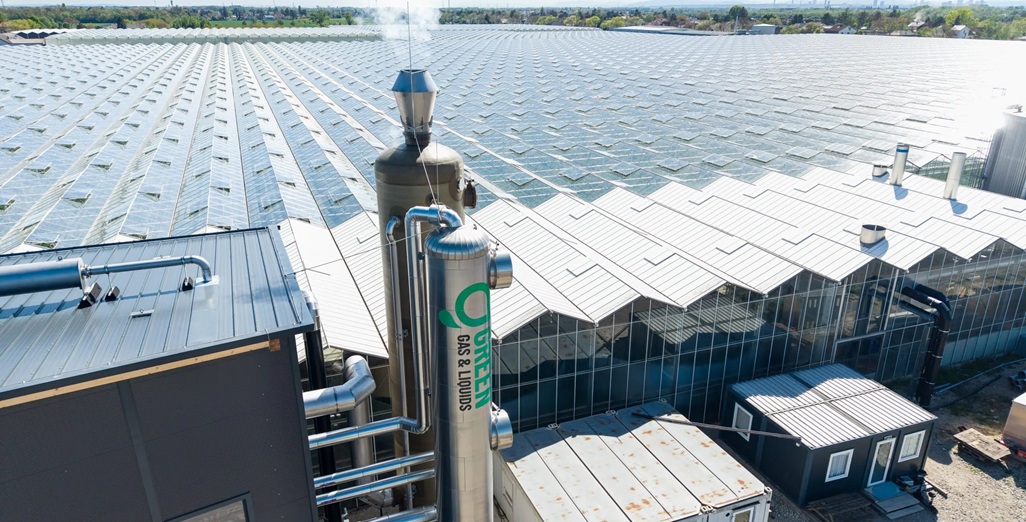
CO₂ Capture for Greenhouses Without Liquefaction —
How Galloxol® Changes the Economics
July 14, 2026
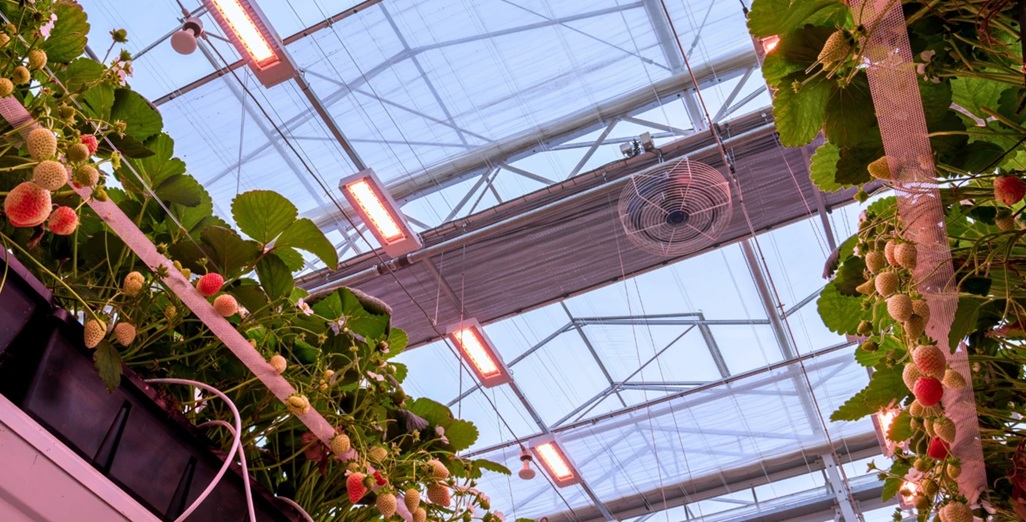
More air movement, fewer gaps, more energy savings
"The major challenge in the energy transition is to continue growing healthy and vital crops with less energy"
July 13, 2026
Covered Cropping NZ Conference: A Day of Practical Learning and Industry Connection
Wednesday, 12 August, at LaValla, Tuakau, South Auckland
CLASSIFIED