

Sign up here to subscribe to the Grower2grower Ezine. Every two weeks you will receive new articles, specific to the protected cropping industry, informing you of industry news and events straight to your inbox.
15
Feb 2022
Feb 2022
Extreme Weather Batters New Zealand

Extreme Weather Batters New Zealand
Blossom End Rot, Leaf Mould and Pests have increased noticeably
Over the last week the weather has reminded me of past years, when in February we had steaming hot and humid weather for a period of a week or more. This last week was remarkably similar with the addition of Cyclone Dovi. Does anyone remember Cyclone Bola in late February early March 1988? I do, we lost five cows, could not milk, as we had no power, and the farm had trees and fences down in multiple locations.
Weather Impacts:
The South Island has had some ridiculously hot temperatures, one grower reporting greenhouse temperature of 40 degrees for two days in a row, followed by a terribly dull day. Crop registrations have shown an increase in ambient night-time temperatures well over 22 degrees average. Light levels have also been well down, combine this with elevated temperatures it is a recipe for decreasing plant health.
This weather means a large volume of product will be harvested this week; this may have a short-term effect on the market – good for the consumer for the next few weeks. However, like with any storm significant issues for growers will start to accumulate. Roots will be under huge strain, and I can see the plants have lost vigour. Fruit pruning would be high on my agenda to build needed strength back into your plants. This will influence production but unless you have an incredibly young crop – the ongoing effects from the weather will cause issues unless you release the pressure valve.
Some cooler nights recently are welcomed but the days are still extremely hot, and you have no control over the daytime averages. Growers that have diffused coatings will be thankful they have them on this week for sure.

Fungal and Insects:
The wet, humid, and hot weather has been perfect for fungal infections. Noticeably leaf mould, if a variety is susceptible rapid reproduction will occur as in the photo taken on the 14/2 below.
 White-fly numbers have also exploded. I have also noticed a sharp increase in caterpillar damage. The weather has created the perfect storm unless you are on top of the situation with your treatments you will quickly find yourself in trouble.

Susceptible varieties will, be prone to Blossom End Rot -BER. Any stress from lack of water, not enough leaf area index or no roof diffusion will contribute to BER. The current conditions will make this even harder to control.
Increased Growth:
Plants will be growing like triffids, this will place huge pressure on staff maintaining the crops. Growers are already severely short staffed; this extra pressure will just add to what is already an incredibly stressful period.
Article written and compiled by Stefan Vogrincic
All Article’s checked and edited by Marie Vogrincic
I appreciate your comments. Please feel free to comment on the grower2grower Facebook page:
https://www.facebook.com/StefanGrower2grower/
CLASSIFIED



















Photo
Gallery



Subscribe to our E-Zine
More
From This Category
August 25, 2026
EPA seeks feedback about treated seed
The Environmental Protection Authority (EPA) is asking for feedback on a proposed group standard for treated seed.

August 25, 2026
A Well-Deserved Thank You to Barry O’Neil
Eight years at the helm of TomatoesNZ recognised with Lifetime Achievement Award. At the recent Covered Cropping NZ Conference and TomatoesNZ AGM, Barry O’Neil was presented with a Lifetime Achievement Award in recognition of his outstanding contribution to TomatoesNZ and the wider covered cropping industry. The award also marked the end of an eight-year chapter, with Barry stepping down after eight years as Chair of the TomatoesNZ Board.
August 11, 2026
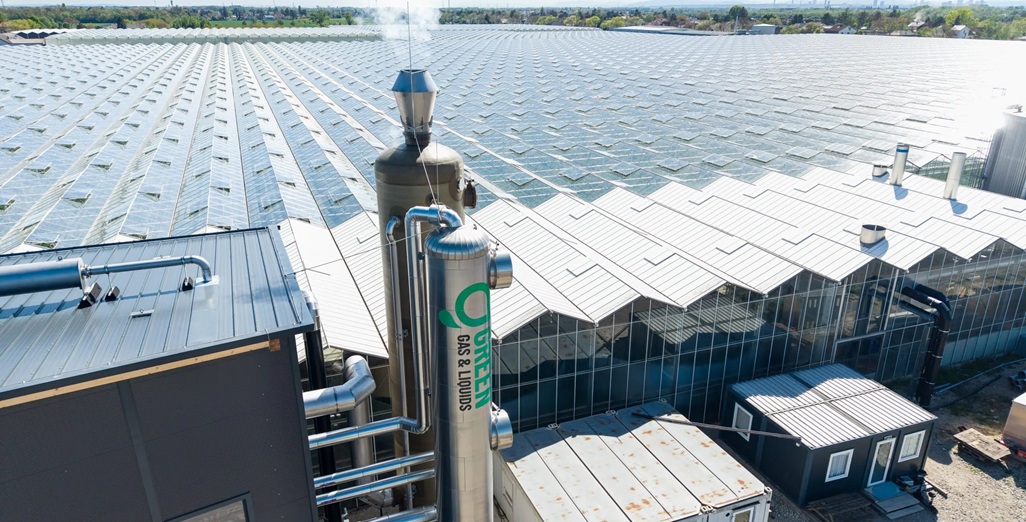
CO₂ Capture for Greenhouses Without Liquefaction —
How Galloxol® Changes the Economics
July 14, 2026
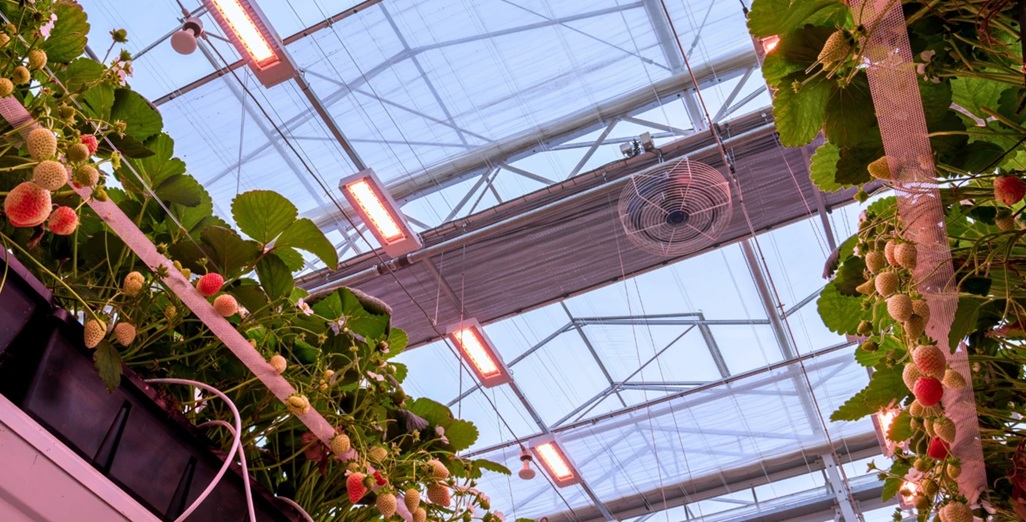
More air movement, fewer gaps, more energy savings
"The major challenge in the energy transition is to continue growing healthy and vital crops with less energy"
July 13, 2026
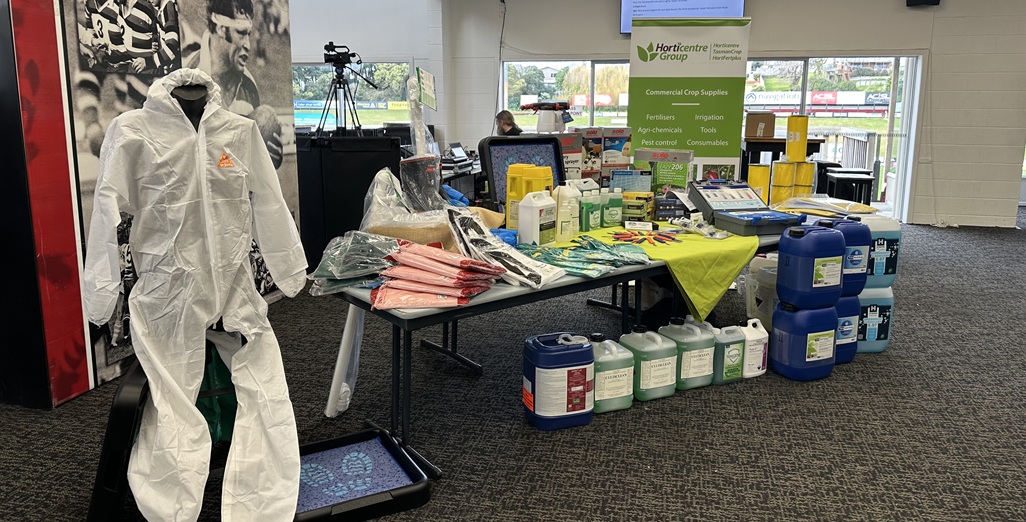
Covered Cropping NZ Conference: A Day of Practical Learning and Industry Connection
Wednesday, 12 August, at LaValla, Tuakau, South Auckland
June 15, 2026
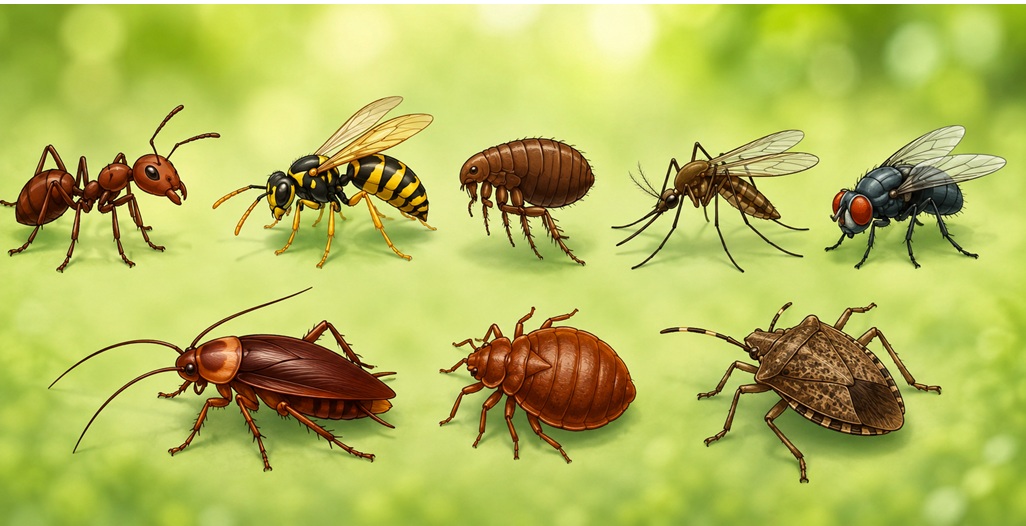
New spray approved for professional control of insect pests (Buildings only)
The Environmental Protection Authority (EPA) has approved Seclira WSG, a spot-treatment surface spray for the control of insect pests in and around buildings.
CLASSIFIED