

Sign up here to subscribe to the Grower2grower Ezine. Every two weeks you will receive new articles, specific to the protected cropping industry, informing you of industry news and events straight to your inbox.
28
Mar 2022
Mar 2022
Fuel Switching Enabler Fund (EECA)
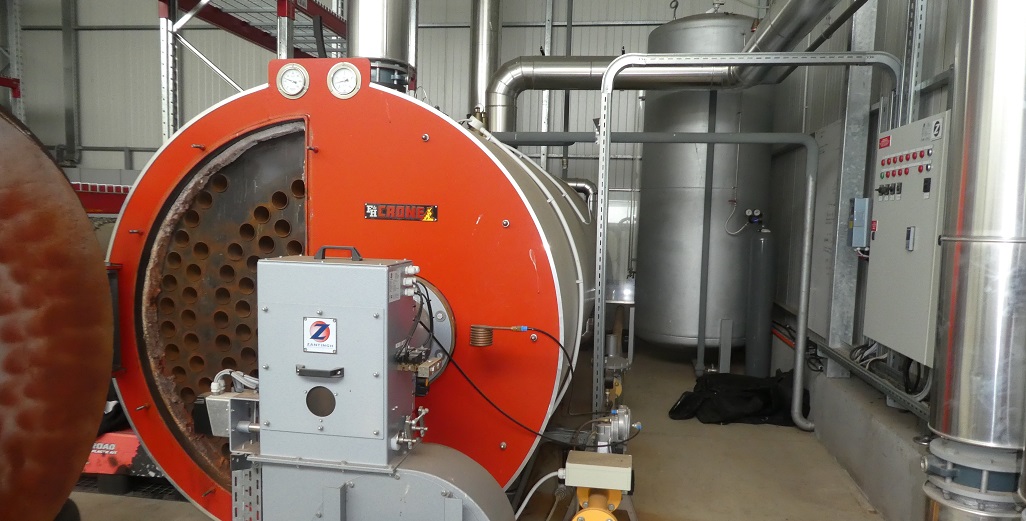
Fuel Switching Enabler Fund (EECA)
Energy efficiency and fuel-switching to renewable sources are vital to reducing New Zealand’s emissions and deliver real benefits to business.
As we move towards winter, energy availability and its cost will be two of the largest issues facing growers that heat greenhouse crops. Growers are looking for alternative options to reduce emissions by moving to alternative heating sources and cut spiralling fossil fuel costs and taxes – and in the case of natural gas the ongoing uncertainty around availability. There are hurdles to overcome when changing energy sources, none of the options are straight forward. EECA recognise this and are listening to our sector. They can resource funds and are promoting the Fuel Switch Enabler Fund.
Changing or integrating new systems into your current operation is complex. There is an understanding from EECA that the feasibility around alternative systems is not 100% clear and from the initial interactions I have had with them I understand they are willing to help where they can in this area.
For growers wanting to explore their options access the link below, to understand the requirements to apply to the fund. You may or may not meet certain criteria, but this should not stop you from trying. I am under no illusion this will take a great deal of effort and time from the grower/businesses applying. Nothing is easy but as I have always been told nothing ventured nothing gained.
https://www.eeca.govt.nz/co-funding/energy-and-carbon-reduction/fuel-switch-enabler-fund/
Energy efficiency and fuel-switching to renewable sources are vital to reducing New Zealand’s emissions and deliver real benefits to business. This fund co-invests in smaller-scale energy efficiency projects needed to unlock subsequent fuel switching opportunities. These are projects already in your emissions reduction plan that may need some support to get over the line.
What’s on offer
Co-funding of up to 50% of project costs, between $50,000 and $200,000, with a minimum total project cost of $100,000.
The programme is open to businesses who want to install energy efficient and/or process technology change projects that will enable a subsequent process heat fuel switching project.
Projects must meet minimum cost-effectiveness requirements for energy benefits and carbon reductions and have a clear role in enabling a future fuel switching project. We will not consider projects that have already started or would happen anyway.
EECA will not fund projects involving the following:
- Standalone fuel switching projects.
- Residential products.
- Transport initiatives including decarbonisation of off-road vehicles and marine vessels.
- Solar hot water and photovoltaic panels.
- Wind, hydro, and marine electricity generation.
- Waste minimisation.
- Products under research and development.
- Reducing agricultural emissions or embodied carbon.
CLASSIFIED


















Photo
Gallery









Subscribe to our E-Zine
More
From This Category
August 25, 2026
Why Are Growers Not Using the Geothermal Calculator?
A free tool has been developed specifically for New Zealand’s covered crop industry – so why aren't more growers using it?
August 11, 2026
CO₂ Capture for Greenhouses Without Liquefaction —
How Galloxol® Changes the Economics
July 14, 2026
More air movement, fewer gaps, more energy savings
"The major challenge in the energy transition is to continue growing healthy and vital crops with less energy"
June 1, 2026
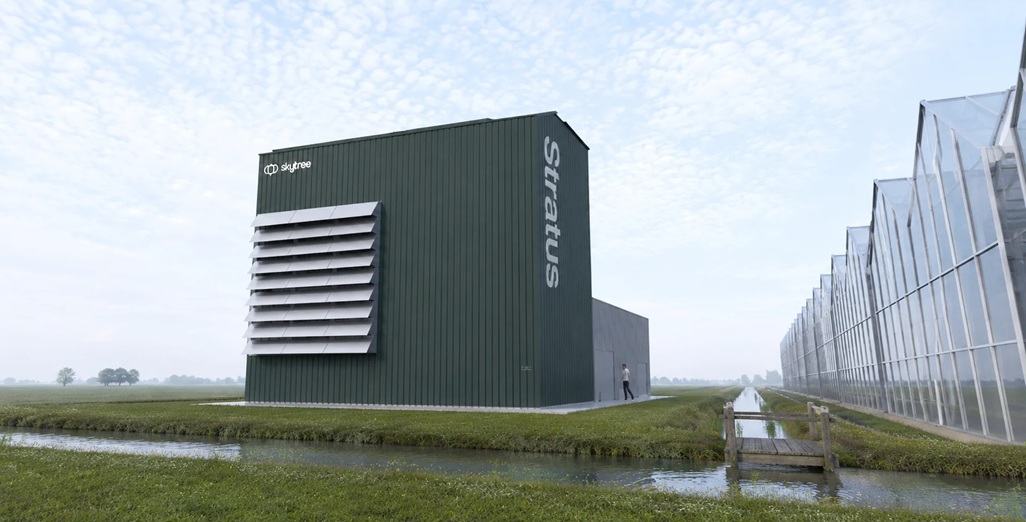
A major milestone has been reached in Direct Air Capture and agriculture
Strategic alliance will establish a decentralized, fossil-free CO₂ supply for a vital greenhouse cluster in the Netherlands that spans 80 hectares

June 1, 2026
Phormium launches a new ultra-transparent energy screen: Diamond
The leading Belgian climate screen manufacturer Phormium announces the introduction of a brand-new revolutionary energy screen:
June 1, 2026
Ground-Source Heating: Lessons from a Leading UK Greenhouse Operation
An in-depth look at the ground-source heat pump system heating Stewarts Garden Centre in England and the opportunities this technology may offer commercial greenhouse growers in New Zealand.
CLASSIFIED