

Sign up here to subscribe to the Grower2grower Ezine. Every two weeks you will receive new articles, specific to the protected cropping industry, informing you of industry news and events straight to your inbox.
2
Aug 2021
Aug 2021
Greenhouse Energy Field Trip
Energy Crisis is at a Critical Point
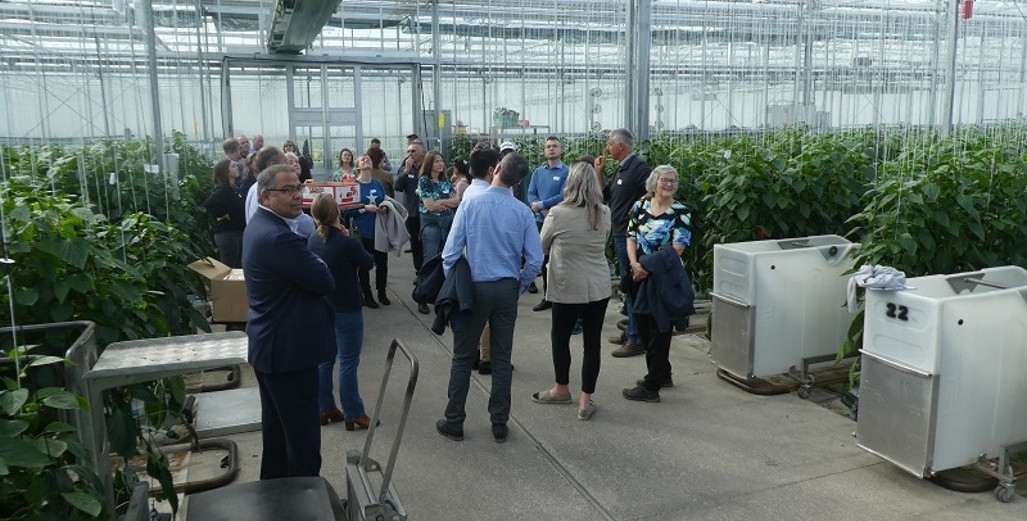
Last week I was invited, by Tomatoes NZ and Vegetables NZ, to attend a greenhouse energy field trip with officials from government ministries. The visit was to discuss how growers apply energy efficiency measures and the importance of heating greenhouse crops. The hopeful outcome was to help bridge the gap between Government and growers during this energy crisis.
It was pleasing to see three members of parliament attend, two from the National Party, MP for Port Waikato Andrew Bayly and list MP David Bennett and one from the Green Party, list MP Eugenie Sage. It was unfortunate that no Labour MPs could attend. It was very good to have employees from Council, MPI and EECA attend.
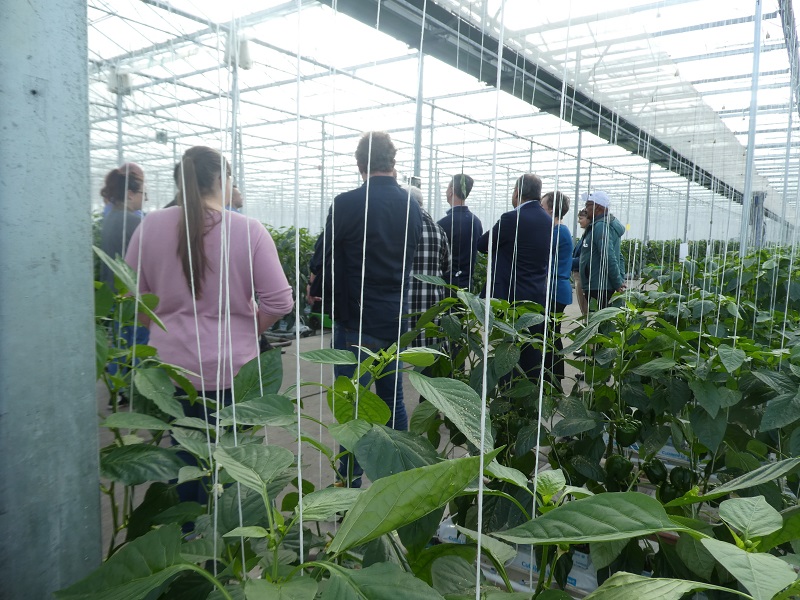
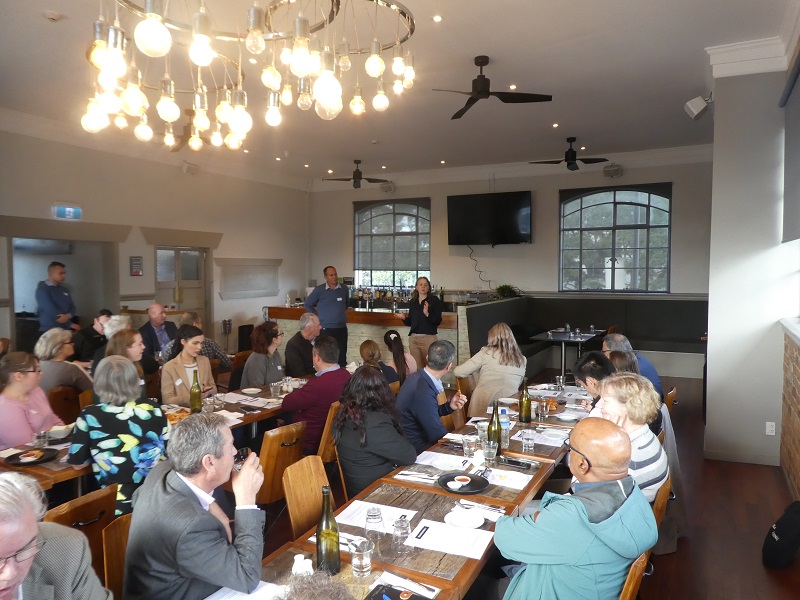
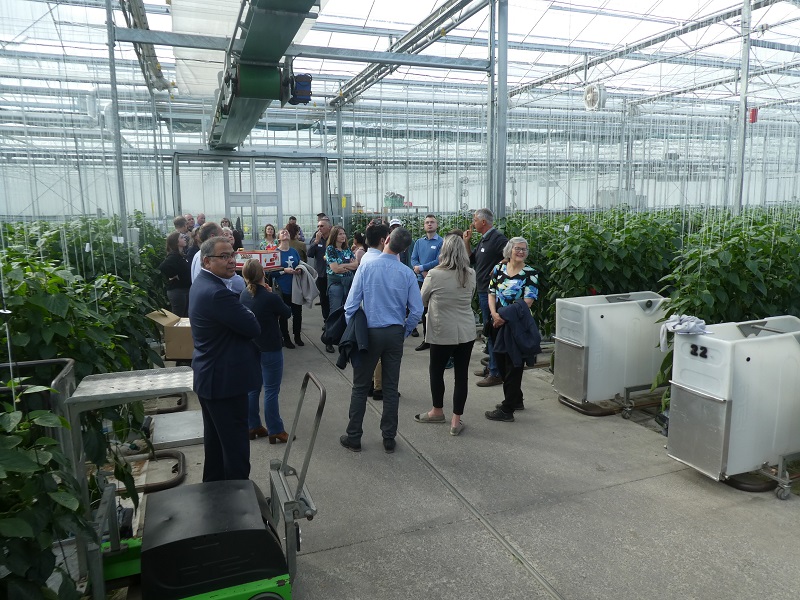
The first visit was to the NZ Gourmet site in Waiuku, followed by lunch in Pukekohe, finished off with a trip to Exception Ltd in Tuakau. At lunch we heard from two growers affected by the energy crisis. One was from the North Island, supplied by natural gas and the other from the South Island using biomass as their primary energy source for heating. Both gave very useful insights into the difficulties they are currently facing.
The unthinkable: returning to coal:
In an unthinkable move for growers to remain profitable they may have to revert back to using coal for their heating, even though coal has an incredibly high ETS charge per ton. It is astonishing, but due to the predicted huge increases in gas price in the coming seasons growers will financially be left with little other option. Bio-mass has been touted as a replacement energy but the lack of current supply and “build it and they will come mentality” is far from guaranteed when it comes to the companies required to supply the biomass/chip. There is already competition for wood fuel amongst growers and other industries transitioning to biomass, which is making supply harder to secure and will inevitably push the wood fuel prices up. It also requires a mention that changing heating systems is an extremely expensive exercise.
As a consequence, growers will have to demand higher prices for their products domestically. This will affect the consumer and limit who can purchase fresh locally grown greenhouse winter crops. As for the different products, especially capsicums that are exported, this may jeopardise their competitiveness in overseas markets. There are also countless numbers of greenhouse staff, suppliers and contractors’ livelihoods at stake.
It would be perfect if all greenhouse growers were able to transition to renewable energy effectively and without disruption to them and the consumer – unfortunately the infrastructure is not available everywhere and long-term solutions, in most cases, have not been identified. There is also uncertainty and a lack of confidence around continuity of supply of the biomass. I still consider biomass could offer a good opportunity if there is certainty around supply and transport. The consequence of the 2018 future gas exploration ban, increasing ETS on Coal and the uncertainty around biomass operations all cumulate to what, I predict, is many unnecessary turbulent years for the greenhouse industry that rely on fossil fuel heating systems.
Article written and compiled by Stefan Vogrincic
All Article’s checked and edited by Marie Vogrincic
I appreciate your comments. Please feel free to comment on the grower2grower Facebook page:
https://www.facebook.com/StefanGrower2grower/
CLASSIFIED













Subscribe to our E-Zine
More
From This Category

September 22, 2026
New screens as a response to rising energy cost
"The cheapest energy ultimately remains the energy you do not need to purchase"
August 25, 2026
Why Are Growers Not Using the Geothermal Calculator?
A free tool has been developed specifically for New Zealand’s covered crop industry – so why aren't more growers using it?
August 11, 2026
CO₂ Capture for Greenhouses Without Liquefaction —
How Galloxol® Changes the Economics
July 14, 2026
More air movement, fewer gaps, more energy savings
"The major challenge in the energy transition is to continue growing healthy and vital crops with less energy"
June 1, 2026
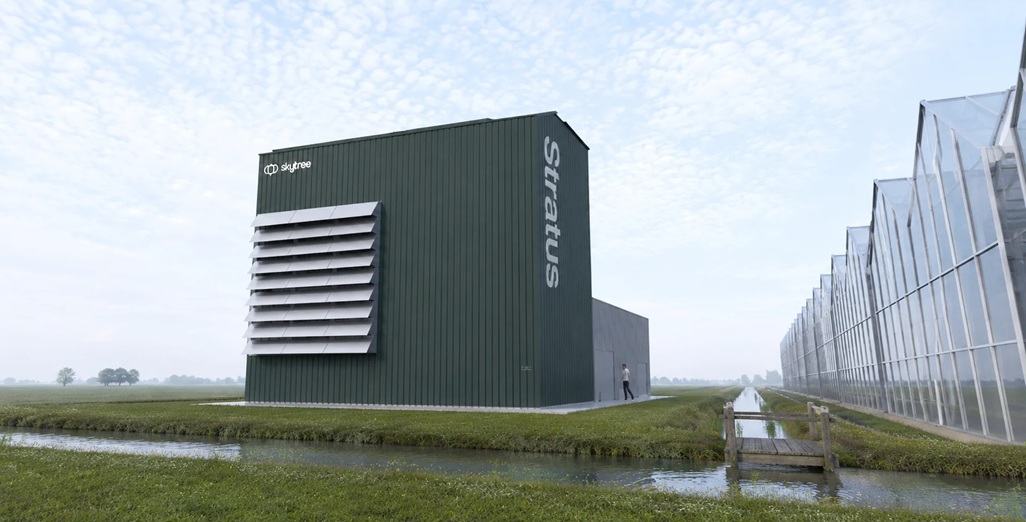
A major milestone has been reached in Direct Air Capture and agriculture
Strategic alliance will establish a decentralized, fossil-free CO₂ supply for a vital greenhouse cluster in the Netherlands that spans 80 hectares
June 1, 2026
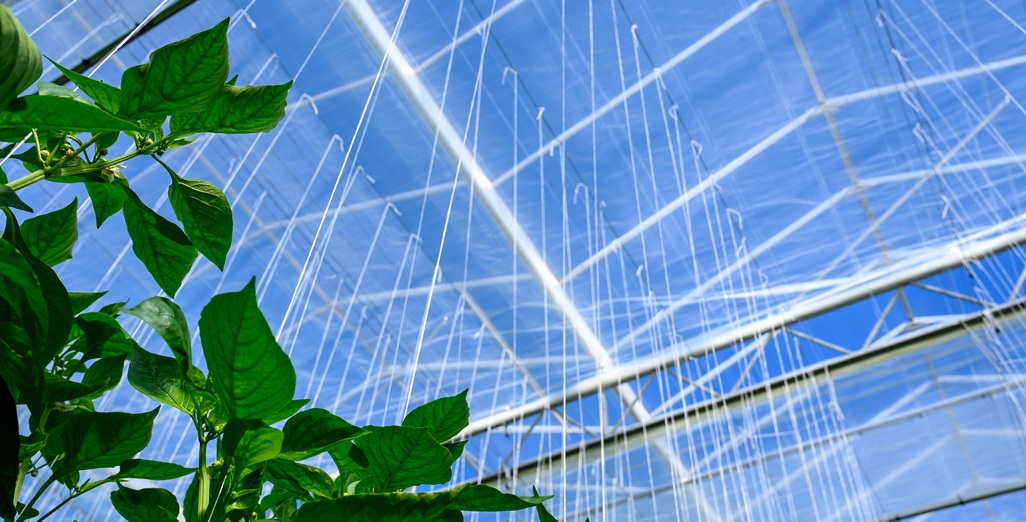
Phormium launches a new ultra-transparent energy screen: Diamond
The leading Belgian climate screen manufacturer Phormium announces the introduction of a brand-new revolutionary energy screen:
CLASSIFIED