

Sign up here to subscribe to the Grower2grower Ezine. Every two weeks you will receive new articles, specific to the protected cropping industry, informing you of industry news and events straight to your inbox.
2
Nov 2020
Nov 2020
Greenhouse Harvesting Robots
Covid-19 and minimum wage increases accelerates the need for alternative solutions
The cost of labour is rising and with imminent wage increases there is a real possibility we are cutting our noses off to spite our faces’ (collectively). Is it possible that greenhouse vegetables become so expensive to grow, in comparison to other vegetable lines grown outdoors, that it could affect purchasing habits?
Compared to greenhouse vegetable growing certain outdoor product lines will have a distinct advantage, in terms of the mechanical nature required for growing and harvesting. Preparing a greenhouse for replanting and ongoing crop maintenance requires large amounts of manual labour compared to planting and harvesting a paddock of potatoes where a tractor can do the bulk of the work. So will potato chips become more affordable to purchase than greenhouse vegetables? If labour units currently required don’t change/reduce for greenhouse production then it may become harder to compete with cultivars grown outside where automation is easier to apply.
The greenhouse industry is growing steadily and will keep providing healthy food options for those of us that are able to afford it. However, unless we address the issue around efficiencies then not everyone may be able to regularly afford to eat fresh, healthy greenhouse vegetables. If people want healthy eating options then growers must make money. One way to achieve this is to increase efficiencies and reduce labour costs. Robots will be required to replace human labour, just like they did in the car industry. Throughout time progress has been made via automation it will be no different in our industry – but it is not an overnight fix.
Strawberry picking robots:
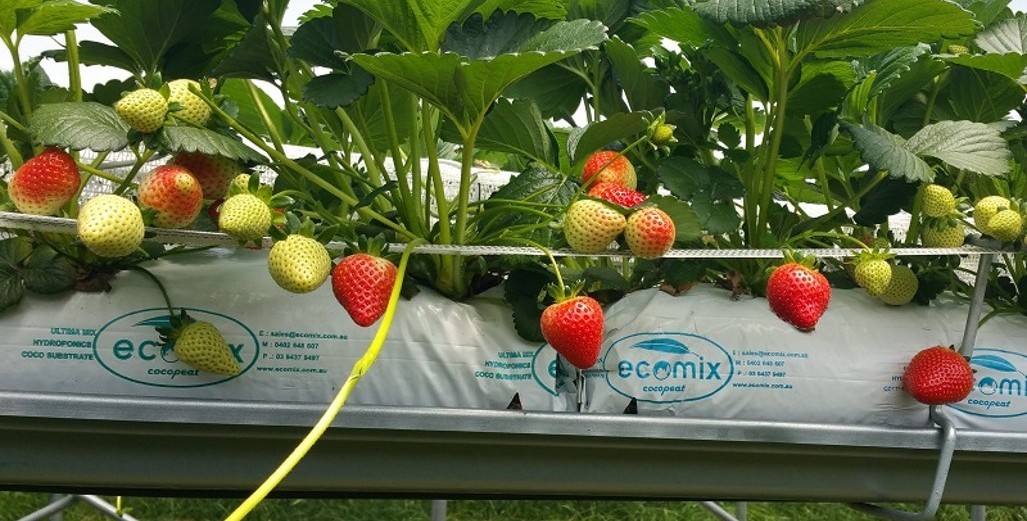
Strawberry prices are currently good, growers are making solid returns (if growers currently have someone able and willing to pick fruit). Harvesting strawberries is a costly exercise and a physically hard job, especially if it involves picking berries grown in the ground. Any job where you have to bend over slows the rate of harvest and is hard on the old back. In the future, due to its seasonal nature, then strawberry picking robots may become a necessity to safeguard the industry from labour shortages and to provide affordable produce for all. I am quietly confident that for both outdoor and indoor production there will be options available in the future.
Below are easy to find examples on youtube with demonstrations of what may happen in the not to distant future.
I appreciate your comments. Please feel free to comment on the grower2grower Facebook page:
https://www.facebook.com/StefanGrower2grower/
Article Written and compiled by Stefan Vogrincic, Consultant, Grower2Grower
Article Edited by Marie Vogrincic, Editor, Grower2Grower
CLASSIFIED












Subscribe to our E-Zine
More
From This Category

October 20, 2026
Powerplants – Purpose built facility will support leading research in crop production
The University of Tasmania is investing in the future of Australian agriculture with the development of a state of the art research greenhouse complex at its Newnham Campus in Launceston.
August 25, 2026
EPA seeks feedback about treated seed
The Environmental Protection Authority (EPA) is asking for feedback on a proposed group standard for treated seed.

August 25, 2026
A Well-Deserved Thank You to Barry O’Neil
Eight years at the helm of TomatoesNZ recognised with Lifetime Achievement Award. At the recent Covered Cropping NZ Conference and TomatoesNZ AGM, Barry O’Neil was presented with a Lifetime Achievement Award in recognition of his outstanding contribution to TomatoesNZ and the wider covered cropping industry. The award also marked the end of an eight-year chapter, with Barry stepping down after eight years as Chair of the TomatoesNZ Board.
August 11, 2026
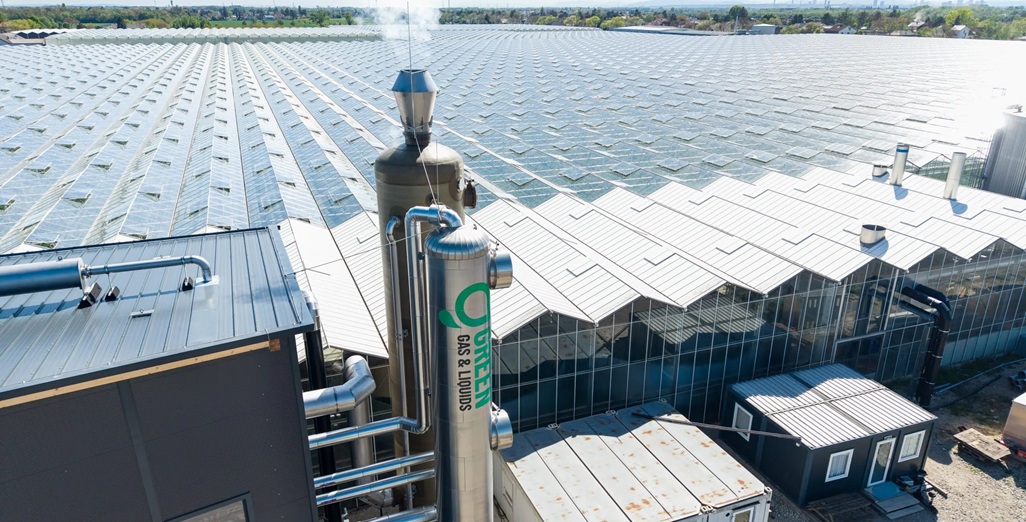
CO₂ Capture for Greenhouses Without Liquefaction —
How Galloxol® Changes the Economics
July 14, 2026
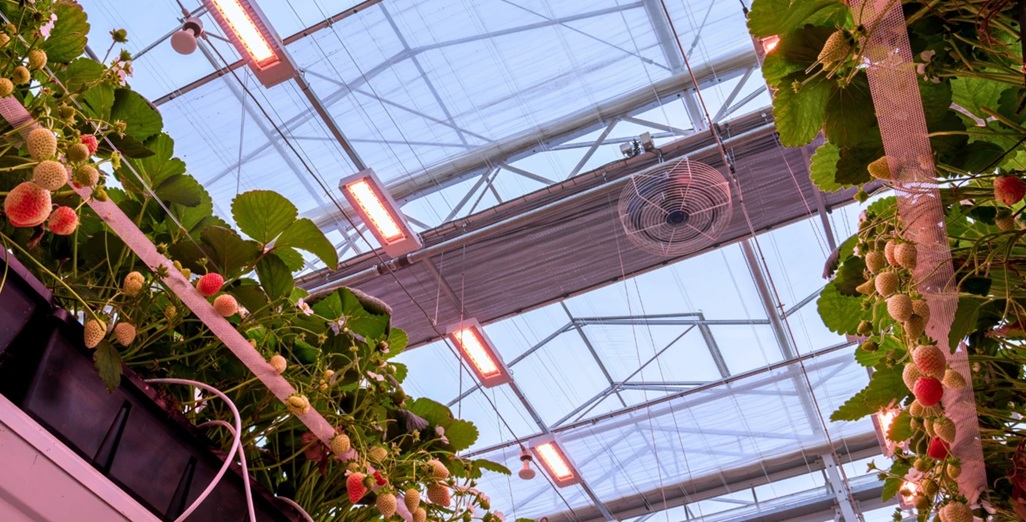
More air movement, fewer gaps, more energy savings
"The major challenge in the energy transition is to continue growing healthy and vital crops with less energy"
July 13, 2026
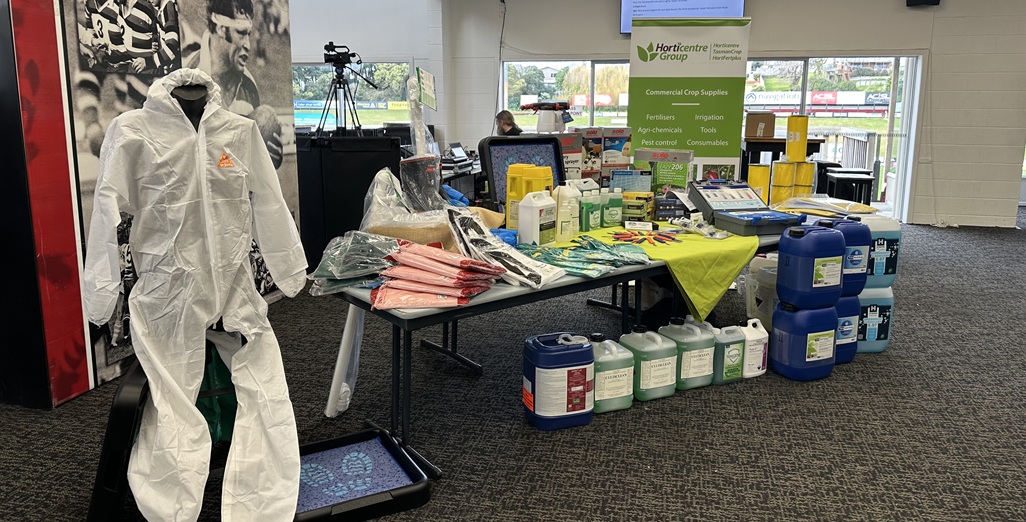
Covered Cropping NZ Conference: A Day of Practical Learning and Industry Connection
Wednesday, 12 August, at LaValla, Tuakau, South Auckland
CLASSIFIED