

Sign up here to subscribe to the Grower2grower Ezine. Every two weeks you will receive new articles, specific to the protected cropping industry, informing you of industry news and events straight to your inbox.
31
Jul 2018
Jul 2018
Growing on the West Coast

Last week, after attending the NZ Horticulture Conference in Christchurch, I visited Karamea Growers who have 1.2ha of greenhouses growing loose and specialty tomatoes. There are three greenhouses on the property all with late summer or early autumn plantings. To get to Karamea from Christchurch we drove via Lewis Pass onto the West Coast. The trip took over five hours, but the stunning, changing scenery made the trip seem a lot shorter. The remote location of Karamea Growers is unique to any other growing operation in New Zealand. There are both advantages and disadvantages for this property, the obvious disadvantage being the distance to Christchurch the main market for the produce. It has just become routine for Tom, co-owner of the business, to transport the Tomatoes from Karamea to Westport twice a week in the winter and three times a week in the summer. The tomatoes are then transferred to a freight company which backloads their produce to Christchurch. Tom then backloads goods for the greenhouse and the community of Karamea, a population of approximately 500. The system works really well and offsets the cost of the transport, which makes the trip viable.
The remote location is one disadvantage, the other includes the climate. Light levels are low during the winter, Karamea is actually similar to Nelson in light hours, however there is a higher rainfall to contend with contributing to higher humidity’s to deal with. This makes advising here different to other locations and the close proximity to the Tasman Sea means storms and high winds are a constant threat. Travelling to Karamea, to advise, generally includes an early start to the day, two flights and a ninety-minute drive from Westport, it is possible to be on site by 2-3pm the same day. It is not hard to visit when the scenery is so breath taking, but there is a cost for such travel which makes using crop registration and technology available extremely important.
I have pointed out the downsides but the upsides far out way the downsides for growing in such a remote location. Attracting locals to work in the greenhouses has been of huge benefit for both Karamea growers and the community. Rochelle Trethowen, co-owner and Head Grower has a great and loyal team of local workers. The advantage, having long term staff is very valuable in helping the business maintain its success. Transport to and from work for most of the staff is easy with the town only a few kilometres from the greenhouse. It sure beats sitting in Auckland traffic! The primary energy being used to heat the greenhouses’ is coal, being so close to the raw resource has a large saving in the cost of transporting the coal. Controlling insects is still a battle but the amount of pressure, compared to other greenhouse growing areas, gives Karamea growers a real advantage for successful continued pest control.
It is truly a unique property, there is no other like it in New Zealand. Its stunning location, so close to national parks and beautiful West Coast beaches, is a huge attraction. There is no traffic congestion or a set of traffic lights in sight. Karamea Growers is a great example of how important and viable the greenhouse industry is not just in the larger centres but to our smaller communities.

I took this picture while we were driving through Lewis Pass last Wednesday.
I appreciate your comments. Please feel free to comment below or on the grower2grower Facebook page:
https://www.facebook.com/StefanGrower2grower/
Article Written by Stefan Vogrincic, Consultant, Grower2Grower
CLASSIFIED










Subscribe to our E-Zine
More
From This Category
October 19, 2026
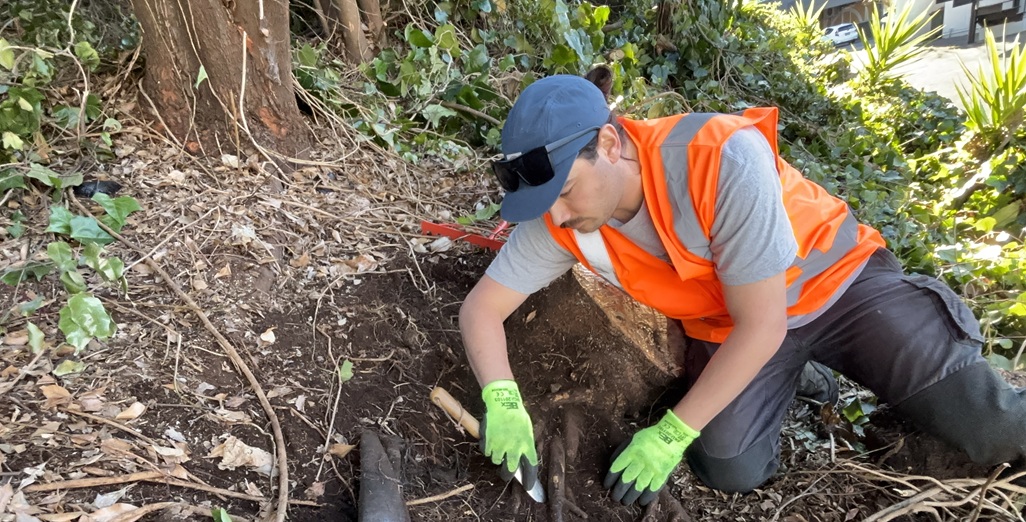
Dane’s deep-rooted passion for conservation
Young Horticulturist of the Year finalist Dane Sales is fervent about looking after native trees – and he wants to educate others.
October 19, 2026
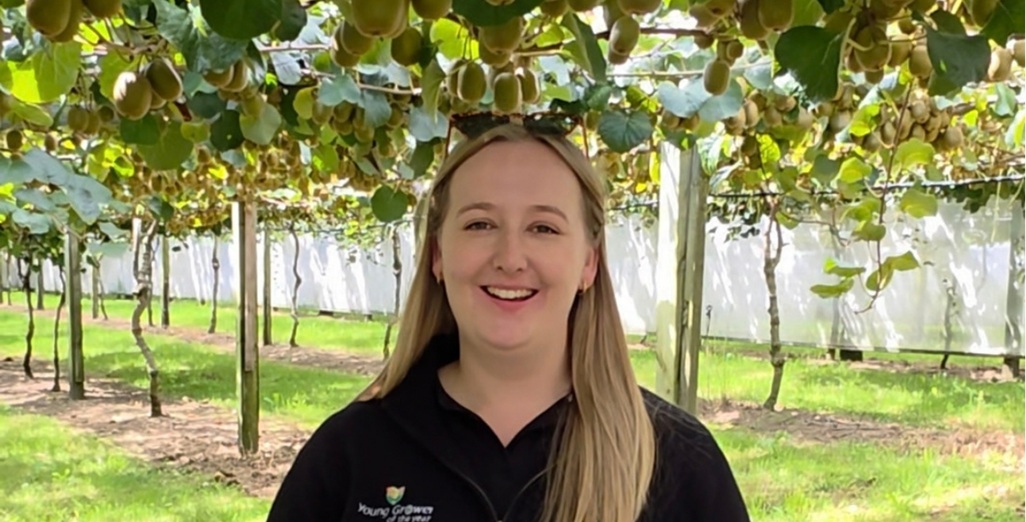
Phoebe Scherer is the first to point out the irony – she is an award-winning kiwifruit grower but she isn’t an orchardist
Instead the 30-year-old helps hundreds of other growers improve kiwifruit yield and quality, skills she hopes will set her apart when she competes in this year’s Young Horticulturist of the Year.
October 6, 2026
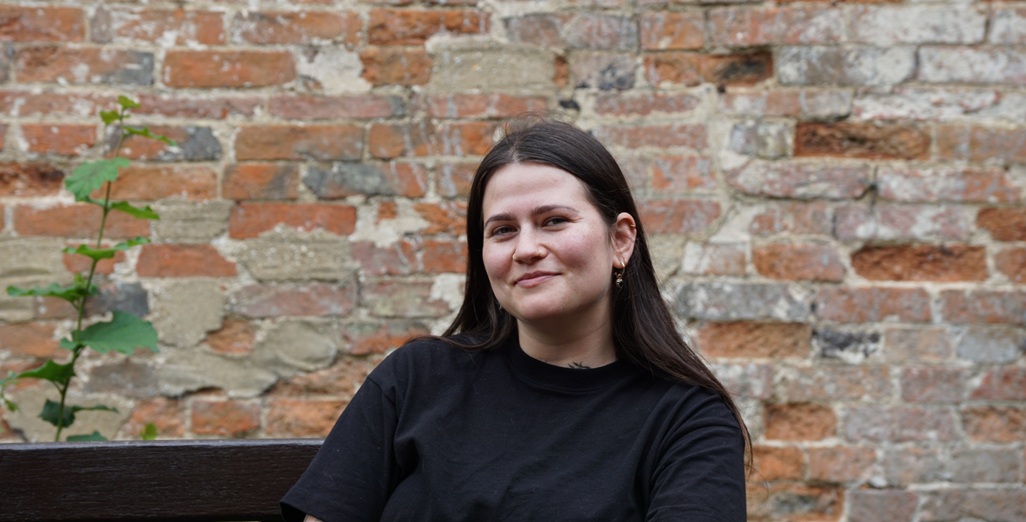
Meg wears her work on her sleeve
Meg Spittal sees horticulture as an art form, so much so that many of the tattoos she has inked are species – both wildlife and plant form.
October 5, 2026
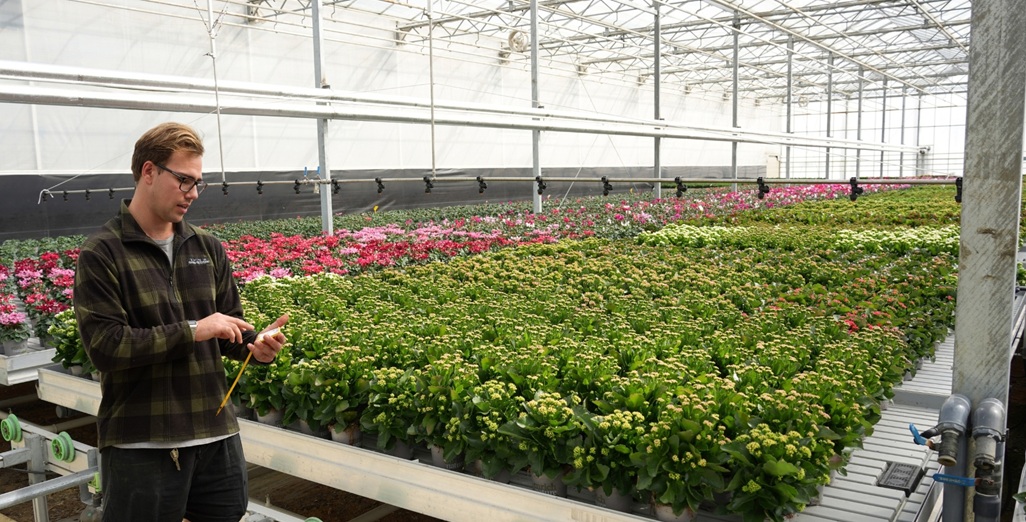
No opportunity wasted for plant producer
Clayton Hart is an opportunist – he is always on the hunt for ways to grow and develop his career as a plant producer. So much so, that every job he has had, came from opening doors, not responding to job vacancies.
Ten years in the horticulture industry is the result of equal measures of tenacity and skill for the Auckland 27-year-old who will compete in this year’s Young Horticulturist of the Year competition in November.
October 5, 2026
Viticulturist’s thirst for knowledge started at seven
Anna Kelland was more than a decade away from being legally able to drink when she declared she wanted to be a winemaker when she grew up.
December 29, 2025
Best of 2025 – Wally van de Westerlo nearing retirement
After thirty-three years of loyal service Wally van de Westerlo is nearing retirement from Horticentre (originally Veg Gro) Drury branch. He will be missed by all the greenhouse growers he has helped over the years.
CLASSIFIED