

Sign up here to subscribe to the Grower2grower Ezine. Every two weeks you will receive new articles, specific to the protected cropping industry, informing you of industry news and events straight to your inbox.

23
Dec 2021
Dec 2021
Heavy rain at last
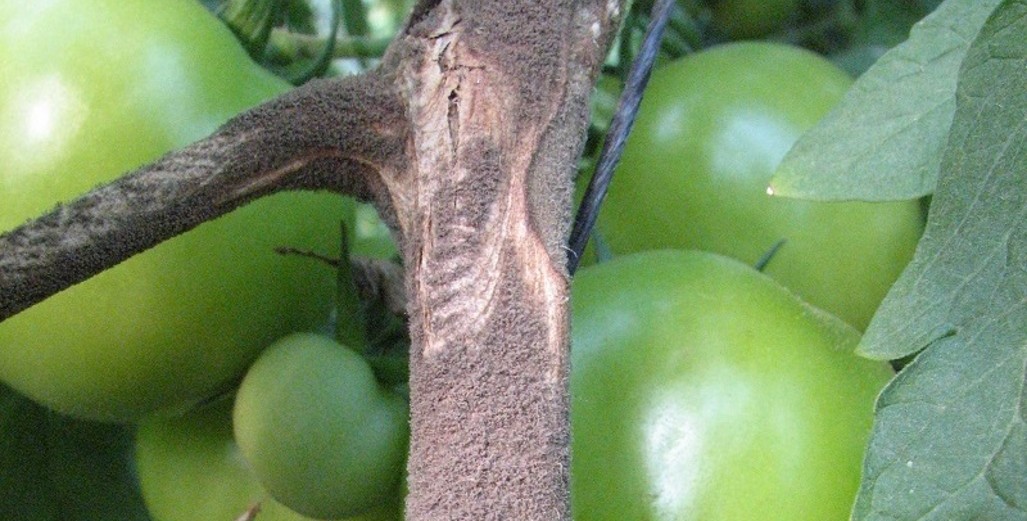
Botrytis to follow?
What a great three or four days we’ve had with some welcomed heavy showers in the Auckland area. It was very concerning to see how low the water reservoirs, that support Auckland’s residential population, had become in several news bulletins this week. The combined capacity of Auckland’s dams sat at 46% before the much-needed downpour. It is quite staggering that the one thing we complain about the most (the rain) is without doubt the biggest reason why this country is so successful, but possibly the primary sector appreciates this just a wee bit more than our city folk.
Two weeks ago, I wrote about powdery mildew rapidly multiplying on a non-resistant commercial cherry tomato crop. I also mentioned being aware that pressure, from other fungus, may start to increase. Well this weather is a perfect invitation, and without any doubt trouble will be on its way. Personally, I would not hesitate to get those preventatives on. Botrytis, blight, downy mildew for all growers will be a concern. For those growers who have not kept running boilers, or who have tried to save on expenses, this makes no sense. Please use your equipment, otherwise you will be in for a long Winter.
On TV last week a greenhouse tomato grower was filmed spraying his crop. We all spray, I don’t think the public should be concerned if they see this because organic growers spray, they spray vegetable crops all of the time, I know I worked for a (massive) company that grew organic tomatoes, cucumbers and eggplants. Spraying does not automatically imply chemicals are being applied as there are natural and biological products used more and more. I have been amazed by the introduction of new very friendly products in recent times. Products like HuwaSan and many other products have been great for the industry to dramatically reduce or even replace the need for older chemistry.
Larger companies in New Zealand need a massive pat on the back as they have been the catalyst for introducing friendly biological products. Spraying is inevitable, organic or not, and if you don’t have to apply a spray at all during a one-year crop cycle please tell me and the world your secret. Growers and industry bodies are constantly working hard to make sure Integrated Pest Management works effectively, this can only be achieved with a much lower rate of crop spraying so it is in the interest of growers to spray, even biological applications, to a minimum.
With pricing holding up and returns stabilising, growers I hope will maintain best practice. Food is a need not a want so until a pill is invented, so we don’t need to eat for a week, you are the most important industry.
Source of information and supporting content below:
news/post/production-pitfalls–part-2-/
If you do need your sprayer serviced or calibrated – Contact Grant Beare from Educhem. news/post/optimising-spray-coverage/ . Educhem also run Growsafe courses. W: http://www.educhem.co.nz/
.jpg)
I appreciate your comments. Please feel free to comment on the grower2grower Facebook page:
https://www.facebook.com/StefanGrower2grower/
Article Written and compiled by Stefan Vogrincic, Consultant, Grower2Grower
Article Edited by Marie Vogrincic, Editor, Grower2Grower
CLASSIFIED











Subscribe to our E-Zine
More
From This Category

October 20, 2026
Powerplants – Purpose built facility will support leading research in crop production
The University of Tasmania is investing in the future of Australian agriculture with the development of a state of the art research greenhouse complex at its Newnham Campus in Launceston.
August 25, 2026
EPA seeks feedback about treated seed
The Environmental Protection Authority (EPA) is asking for feedback on a proposed group standard for treated seed.

August 25, 2026
A Well-Deserved Thank You to Barry O’Neil
Eight years at the helm of TomatoesNZ recognised with Lifetime Achievement Award. At the recent Covered Cropping NZ Conference and TomatoesNZ AGM, Barry O’Neil was presented with a Lifetime Achievement Award in recognition of his outstanding contribution to TomatoesNZ and the wider covered cropping industry. The award also marked the end of an eight-year chapter, with Barry stepping down after eight years as Chair of the TomatoesNZ Board.
August 11, 2026
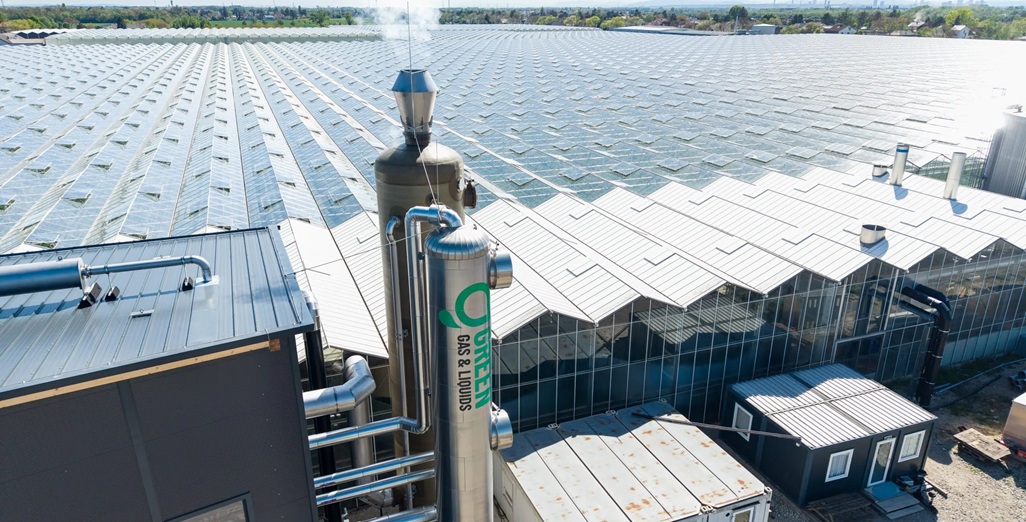
CO₂ Capture for Greenhouses Without Liquefaction —
How Galloxol® Changes the Economics
July 14, 2026
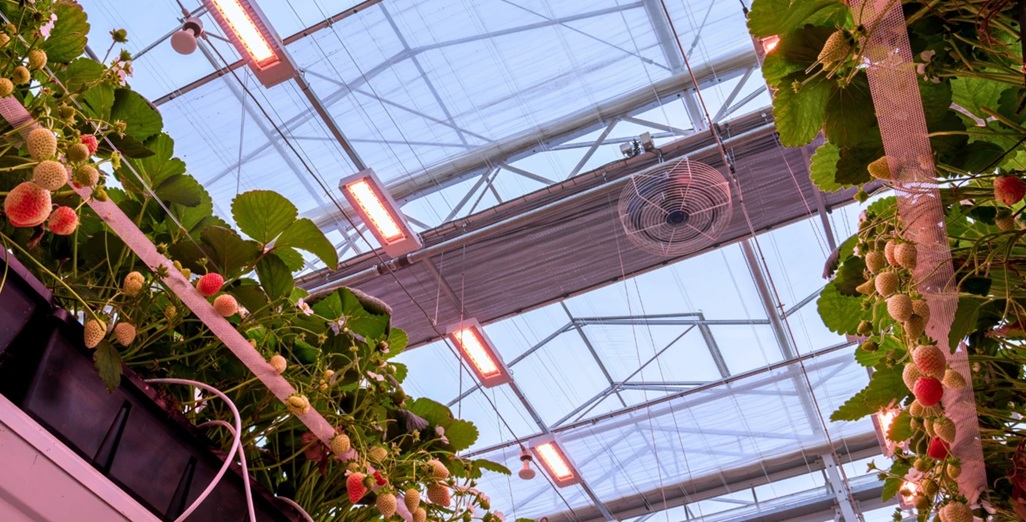
More air movement, fewer gaps, more energy savings
"The major challenge in the energy transition is to continue growing healthy and vital crops with less energy"
July 13, 2026
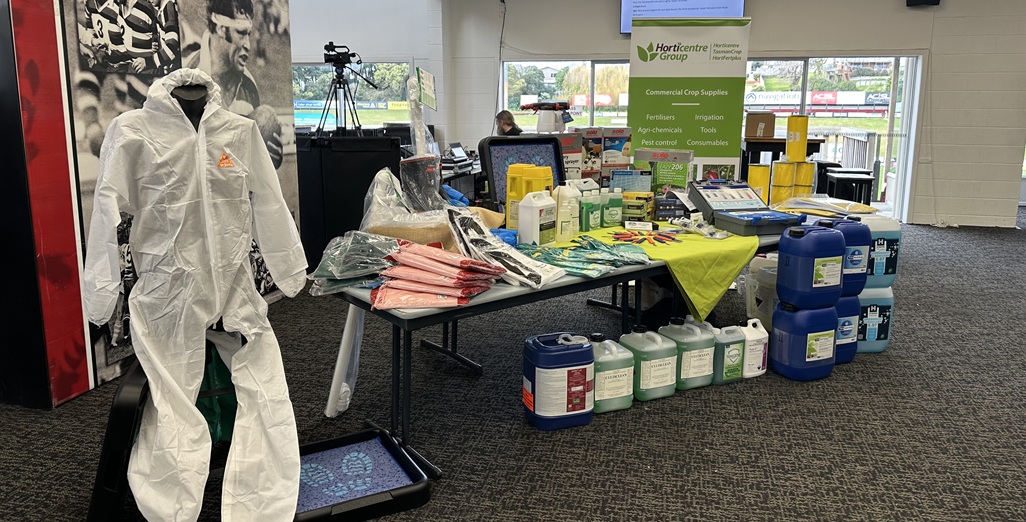
Covered Cropping NZ Conference: A Day of Practical Learning and Industry Connection
Wednesday, 12 August, at LaValla, Tuakau, South Auckland
CLASSIFIED