
Sign up here to subscribe to the Grower2grower Ezine. Every two weeks you will receive new articles, specific to the protected cropping industry, informing you of industry news and events straight to your inbox.
11
Aug 2020
Aug 2020
Historic Greenhouse Energy Project Begins

Food waste-to-bioenergy facility

Last week, it was both interesting and pleasing to see updates, in the media and via LinkedIn, regarding the construction of a food waste-to-bioenergy plant in Reperoa. The project has received a 7 million dollar loan from the Government https://tandg.global/waste-to-energy-plant-announced-by-minister-shane-jones/
This incredible project will be keenly observed by the industry. Bio-digestors are one of the options I have encouraged growers to investigate and possibly (dairy) farmers looking to diversify land usage to heated greenhouses may see an opportunity to turn poo into revenue.
The benefits for T@G and the environment are to be applauded. Growers that currently use geothermal or methane, from green waste sites, already have the distinct advantage of much lower energy bills. Ultimately, if all growers could reduce energy costs, not only would it be better for the consumer but also provide New Zealand companies with the opportunity to be even more competitive when striving for export markets. Around 10% of all tomatoes grown in NZ greenhouses are exported, even if this lifts to 15%, because NZ grown tomatoes have a lower production cost, it would be a major win for not only growers but NZ in general.
Not all growers are of equal size, and are geographically spread over the entire country, so I will be very interested and hopeful if similar projects of smaller or larger scale, in other parts of the country may be feasible. Last month I posed the question regarding energy solutions that are becoming common and implemented in other parts of the world and the need for more case studies. news/post/heat-pump-technology-/. I am sure our South Island growers will be keeping a keen eye on this project also.
Below comments from Andrew Keaney, Managing Director at T&G Fresh LinkedIn posts,
At T&G, we have firm targets to reduce our carbon emissions by 22% by 2025 so we’re continually exploring innovative solutions to source renewable energy, just like this. Once completed, (Waste to energy system) it’ll recover 75,000 tonnes of organic waste from businesses and kerbside food scrap collections throughout the North Island and turn it into sustainable renewable clean energy. It will provide CO2 and heat to enhance the growing conditions of our tomatoes in our glasshouses, power up the local community with renewable electricity and enrich the local soils with biofertilizer. A fantastic carbon-neutral solution!
Using world-leading, innovative technology, the anaerobic digestion facility, owned by Ecogas ( Pioneer Energy Limited, Eco Stock Supplies) and on T&G land, will not only help address New Zealand’s food waste challenge – it’ll create enough energy to power up the equivalent of around 2,500 households, produce clean bio-fertiliser for approximately 2,000 hectares of local farmland, and provide CO2 and heat to enhance the growth of our delicious tomatoes at our glasshouses.
Find out more: https://lnkd.in/gGSETij[p00p285[p00p2851552581754

Above is a general illustration from a different bio-energy project. The principals used for the project in NZ may differ from the image.
I appreciate your comments. Please feel free to comment on the grower2grower Facebook page:
https://www.facebook.com/StefanGrower2grower/
Article Written and compiled by Stefan Vogrincic, Consultant, Grower2Grower
Article Edited by Marie Vogrincic, Editor, Grower2Grower
CLASSIFIED











Subscribe to our E-Zine
More
From This Category

September 22, 2026
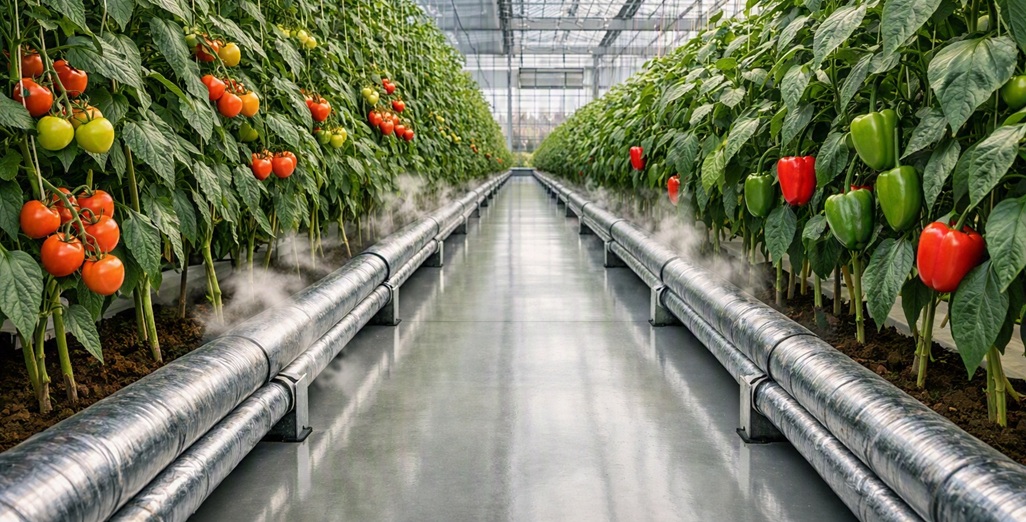
New screens as a response to rising energy cost
"The cheapest energy ultimately remains the energy you do not need to purchase"
August 25, 2026
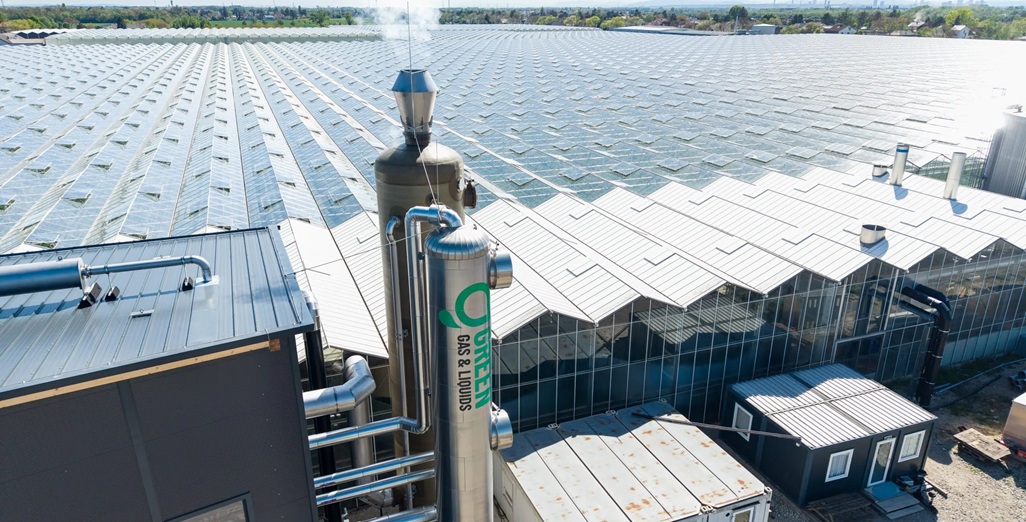
Why Are Growers Not Using the Geothermal Calculator?
A free tool has been developed specifically for New Zealand’s covered crop industry – so why aren't more growers using it?
August 11, 2026
CO₂ Capture for Greenhouses Without Liquefaction —
How Galloxol® Changes the Economics
July 14, 2026
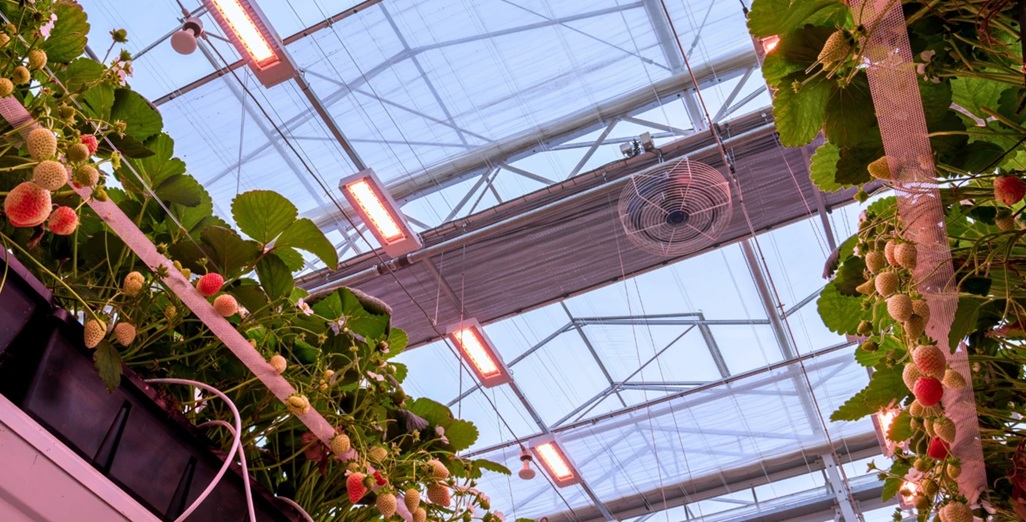
More air movement, fewer gaps, more energy savings
"The major challenge in the energy transition is to continue growing healthy and vital crops with less energy"
June 1, 2026
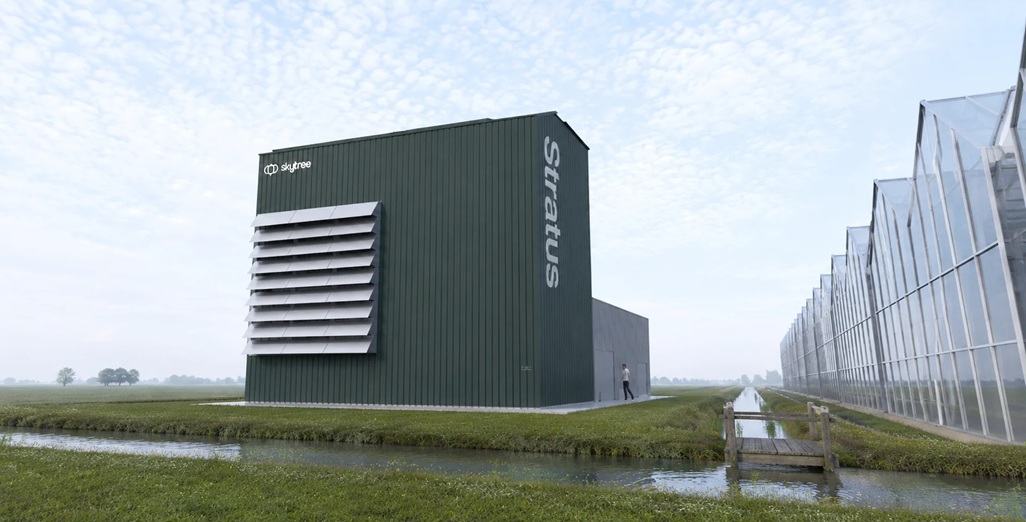
A major milestone has been reached in Direct Air Capture and agriculture
Strategic alliance will establish a decentralized, fossil-free CO₂ supply for a vital greenhouse cluster in the Netherlands that spans 80 hectares
June 1, 2026
Phormium launches a new ultra-transparent energy screen: Diamond
The leading Belgian climate screen manufacturer Phormium announces the introduction of a brand-new revolutionary energy screen:
CLASSIFIED