
Sign up here to subscribe to the Grower2grower Ezine. Every two weeks you will receive new articles, specific to the protected cropping industry, informing you of industry news and events straight to your inbox.
15
Feb 2021
Feb 2021
It’ that time again
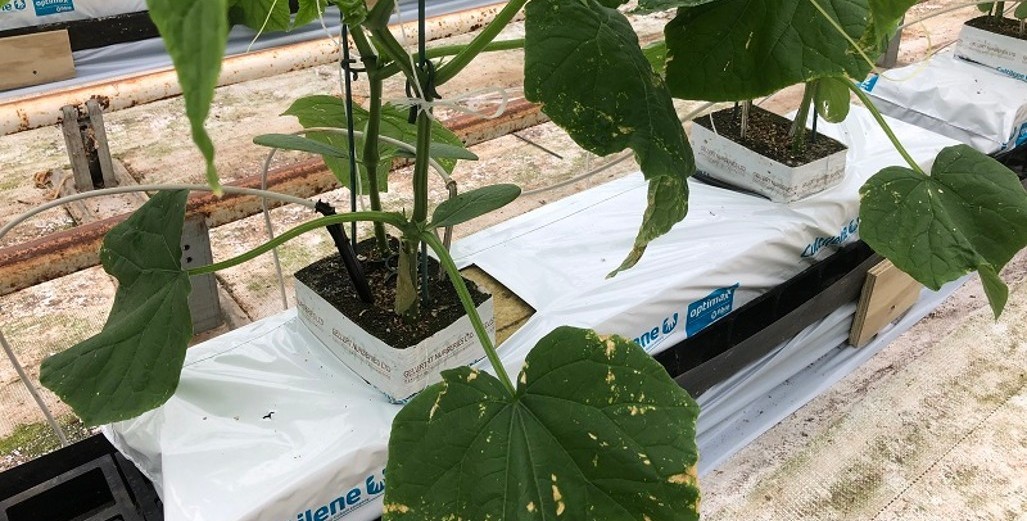
Day-length decreasing = reducing water content
While there is a huge amount of covid-19 distraction currently it could be easy to forget we are just two weeks away from the beginning of Autumn. Light hours are reducing so now is the time to consider an adjustment to your irrigation strategy.
Unlike last year when we had no rain, an extremely hot, windy and dry summer, this year has been different. All over the country this week it is bucketing it down, we may end up with 2/3 continuous days with little sunlight. This is perfect for filling the water storage but it will add a few issues when the sun comes out on Wednesday. Crops may wilt and there may be a temptation to over water. My advice is to try and keep the substrate water content and electrical conductivity similar to what it was before the clouds rolled in.
Below is my advice from two years ago. If you have time it is worth reading just to rejog the memory on how important this time of the year is to start prepearing the root systems for the months ahead.
Time to reduce your water content?
Daylength is Decreasing
Now is a good time to consider when the first and, more importantly, when your last daily irrigation should be to start reducing water content of your substrate going into the night. Protecting root systems in the autumn is highly critical in my view. If you are a grower using substrates then this article is for you.
One concern for many growers is how will they keep their EC under control if they stop earlier. It does depend on your substrate, which I always say, but it’s true because they all have different water holding capacity, not to mention the varying substrate per m2 each grower has. So, I will not say stop at 4pm because that is too broad, the advice for each grower is slightly or even very different, only by understanding each individual circumstance would I offer more precise advice. If high EC does become an issue then find a period in the mid-late morning where you have the ability to increase frequency. Only if you are struggling to maintain your target EC figure. What is your target EC figure?
Dry down percentage and Delta EC is critical and, in some cases, can adversely affect fruit quality. For example, certain substrates dry down excessively overnight so the EC build up directly under the irrigation spike/block can increase to such a high level, that when it first irrigates the next morning you can have a rapid change (decrease) in EC. As a consequence, rapid uptake by the plant, contributing to crazing or splitting of fruit (tomato as the example, but this still effects other crops negatively as well). Some growers will use night shots to correct this and to make sure the dry down % is not too excessive therefor reduce the ‘impact’ of the first few irrigations of each day.
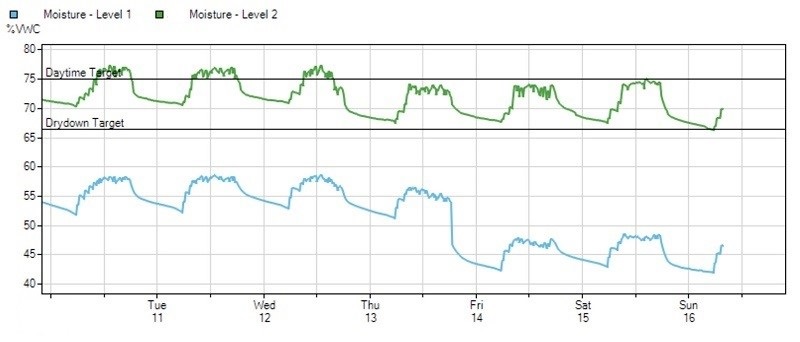
For a crop that is picking the rule of thumb is to achieve 8-12% dry down in the substrate. Once you have achieved your targets then sustaining them is the challenge. Environmental conditions have a huge impact. If it is cold outside, your heaters are on full noise and your pipes scorching this will increase the dry down if substrates via extra evaporation (another reason why I like the minimum/maximum pipe temperatures that Frank Florus introduced me to all those years ago).
The optimum use of irrigation is the goal I want all growers to achieve. This will ensure the best chance of protecting root and plant health without negative impacts on production. It is currently very easy to overwater and in the short term probably safer, but looking at this in the long term for the crops growing through the winter period I feel this increases the risk of good plant health. There is no real consensus amongst growers, there is a range of theories, but what is evident is that the growers with the ability to collect information, via sensors or scales, have a better chance of maintaining water content and EC within a range that is considered optimum.
.JPG)
Article written by Stefan Vogrincic
All Article’s checked and edited by Marie Vogrincic
I appreciate your comments. Please feel free to comment below or on the grower2grower Facebook page:
https://www.facebook.com/StefanGrower2grower/
CLASSIFIED










Subscribe to our E-Zine
More
From This Category
February 23, 2026
Dissolved Oxygen – The Hidden Driver of Root Performance in Greenhouse Crops
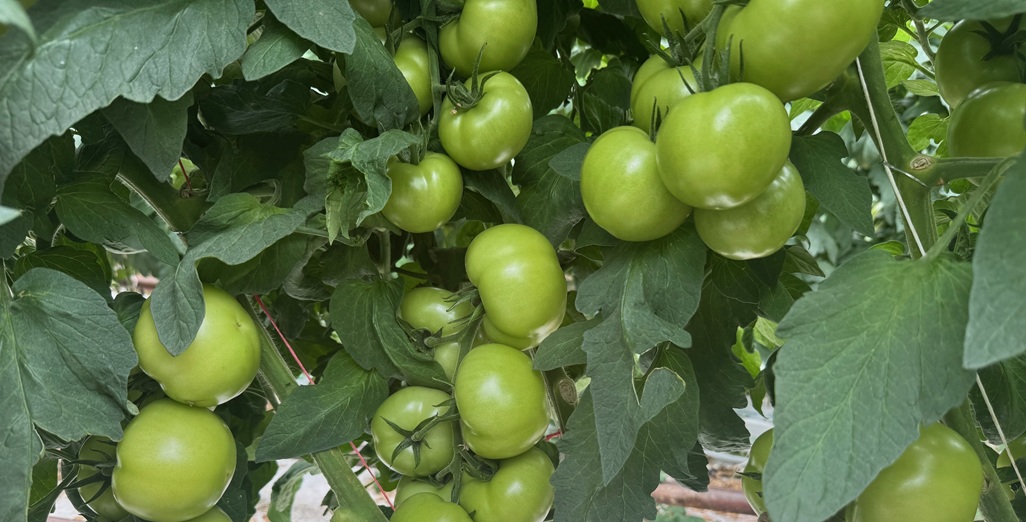
In high-tech greenhouse tomato and cucumber production, we carefully monitor EC, pH, radiation sums and irrigation strategy. However, one parameter that is often overlooked — yet can significantly influence plant performance — is dissolved oxygen (DO) in the nutrient solution.
February 10, 2026
Day-Length Decreasing = Time to Adjust Your Water Content
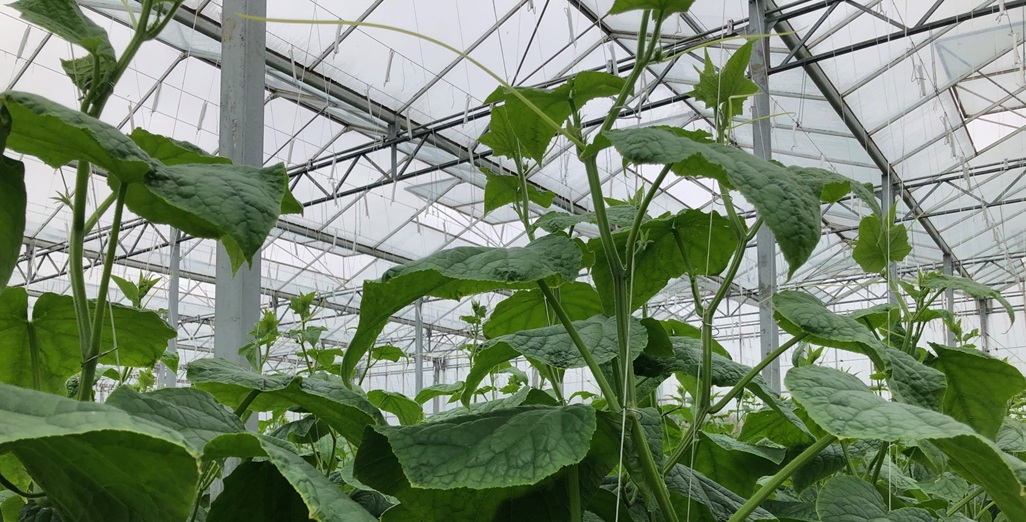
Amid the usual distractions of modern growing life, it’s easy to forget that Autumn 2026 is just around the corner. As day length shortens, now is the critical moment to review and adjust your irrigation strategy. Unlike previous years that brought prolonged dry spells or extreme heat, this year’s weather has been variable. Across the country, many regions are already seeing heavy rainfall and several cloudy days in a row. While this is great for replenishing water reservoirs, it also creates challenges once the sun returns: crops may wilt, and the temptation to overwater is high. My advice: keep substrate water content and EC close to pre-cloudy levels.
August 12, 2025
The Rise of Plant-Driven Irrigation
What if plants could tell us exactly when and how much water they need?
July 1, 2025
The BBRO Tackles Drought Risk in Sugar Beet Production
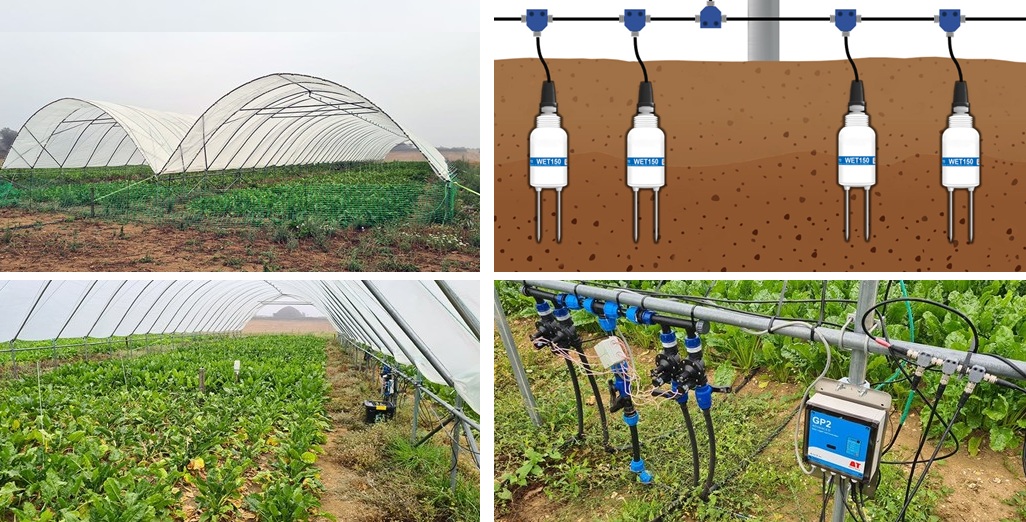
Delta-T Devices is providing WET150 multi-parameter soil sensors and GP2 advanced data loggers and controllers to the British Beet Research Organisation (BBRO) for use in important drought and water deficit research projects.
July 1, 2025
Botrytis Alert: Key Strategies to Minimize Losses
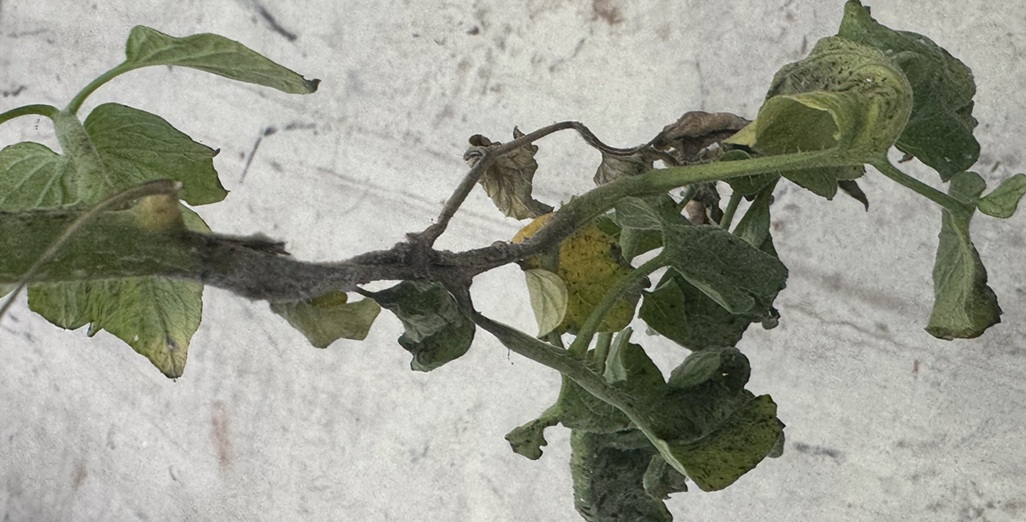
Following Blight, Botrytis now becomes the main threat — act early to avoid compounding issues. Energy costs are currently a major burden for greenhouse growers. As a result, many are forced to make difficult decisions about how much energy to invest in climate control........
January 14, 2025
(Best of 2024) Fleecegrow turning wool into substrates a reality
Sheep’s wool could be a solution for both the sustainability and supply challenges for indoor growers and nurseries.
CLASSIFIED