

Sign up here to subscribe to the Grower2grower Ezine. Every two weeks you will receive new articles, specific to the protected cropping industry, informing you of industry news and events straight to your inbox.
20
Oct 2020
Oct 2020
Light fluctuates like a yoyo

More challenges for growers
Last week light levels were erratic with some fantastic days proceeded by very dull, wet and windy days. Some crop reports showed 25% less light compared to the previous week. The weather pattern is not uncommon for this time of the year but never the less it is extremely hard on older crops or crops with high fruit load. Sun is definitely a grower’s best friend; however, it is those pesky clouds which throw spanners into the works.
When the sun does burst through it is extreme and crops can flag very quickly, even if they have the best root system a sudden shock can cause plant stress. Even though I promote the use of both wind and lee vents equally it has become necessary, in certain situations to reduce wind side vent activity to maintain relative humidity and protect crops. The changing of seasons creates additional challenges with increased wind gusts, which again makes it difficult to liberally use the wind side vent. Personally, I like to ensure the wind side vent is active to allow good airflow patterns and distribute ambient Co2 evenly. This is especially important for growers that do not use supplementary Co2. My advice though is to protect the crop, it is a change of season so be mindful of your wind side vent settings/influences.
Light Diffusion:
For glasshouse growers it is ideal to apply diffused products such as Redufuse or Redufuse IR. Growers that have access to roof sprayers, or able to justify a helicopter, to apply the products are reaping huge benefits from plant health and an increase in crop production. The issue is unless you have a custom-made sprayer, or are prepared to engage with a helicopter spraying contractor, it is perceived cost prohibitive to apply the products. I floated the idea of using drones for smaller growers but this idea is yet to come into fruition (to my disappointment as it is rather appealing). Smaller growers need a system that can spray their greenhouse safely and efficiently using a spray boom that is light and easily transferred from gutter to gutter. Temperatures are increasing and the weather more extreme, these products offer growers a huge opportunity to improve not just production but help maintain quality outcomes for their produce.
I have personally seen the huge benefits of using coatings such as Redufuse. I fully endorse the product and believe all growers could benefit from spreading light more evenly throughout their crops and if you use Redufuse IR you could also reduce heat radiation, by it bouncing back off from the glass or plastic greenhouse.
When it is time to remove the diffused coatings, you will require Reduclean to remove the coating in the Autumn. This has to be done. By doing this you also kill two birds with one stone, you remove the diffused coating and clean the glasshouse at the same time.

Cover image taken this week.
I appreciate your comments. Please feel free to comment on the grower2grower Facebook page:
https://www.facebook.com/StefanGrower2grower/
Article Written and compiled by Stefan Vogrincic, Consultant, Grower2Grower
Article Edited by Marie Vogrincic, Editor, Grower2Grower
CLASSIFIED












Subscribe to our E-Zine
More
From This Category
September 7, 2026
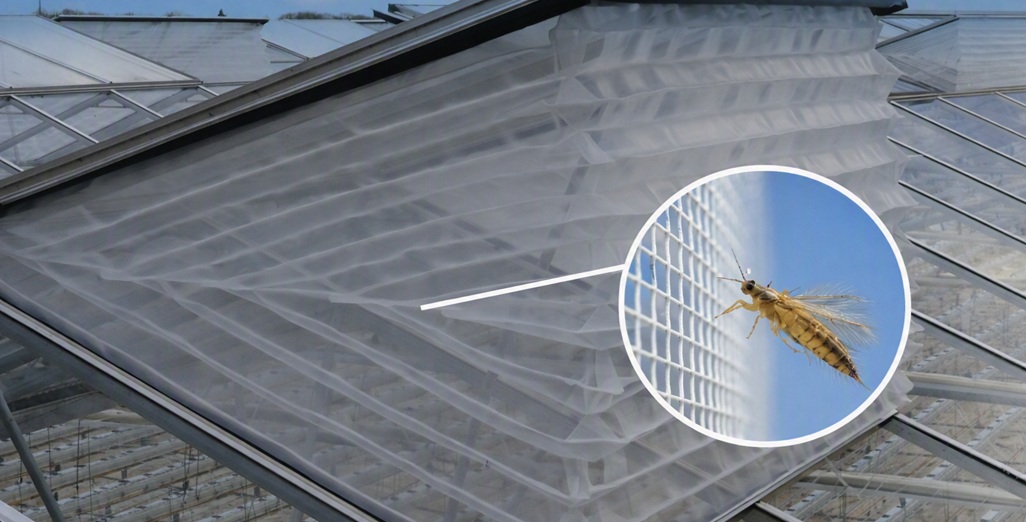
Keeping the Door Shut: Are Insect Screens the Next Step in Greenhouse IPM?
As thrips and other pest pressures continue to increase, it may be time to rethink how we stop pests entering the greenhouse in the first place. As we head into spring, and following the recent Mini Covered Cropping NZ Conference, one pest issue continues to stand out: the ever-increasing threat posed by thrips.
August 11, 2026
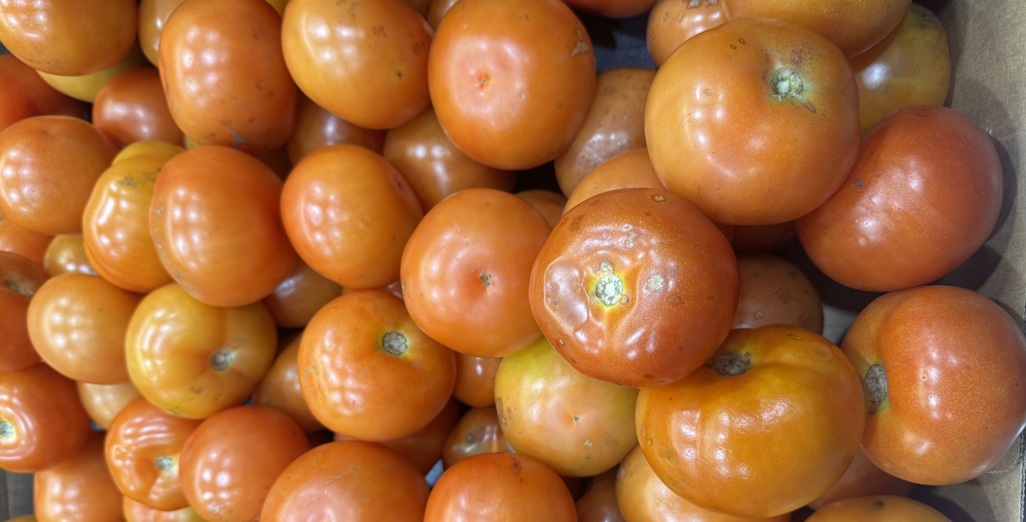
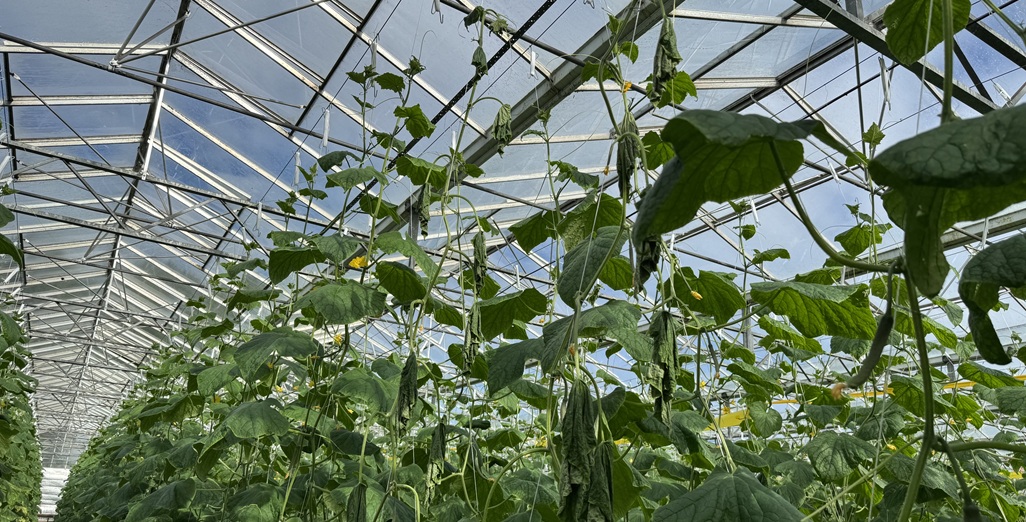
Cucumber Grafting: Insurance Policy or Unnecessary Cost?
Grafting can provide a stronger root system and valuable insurance against root-zone problems – but it won’t protect the canopy from fungal disease.
July 27, 2026
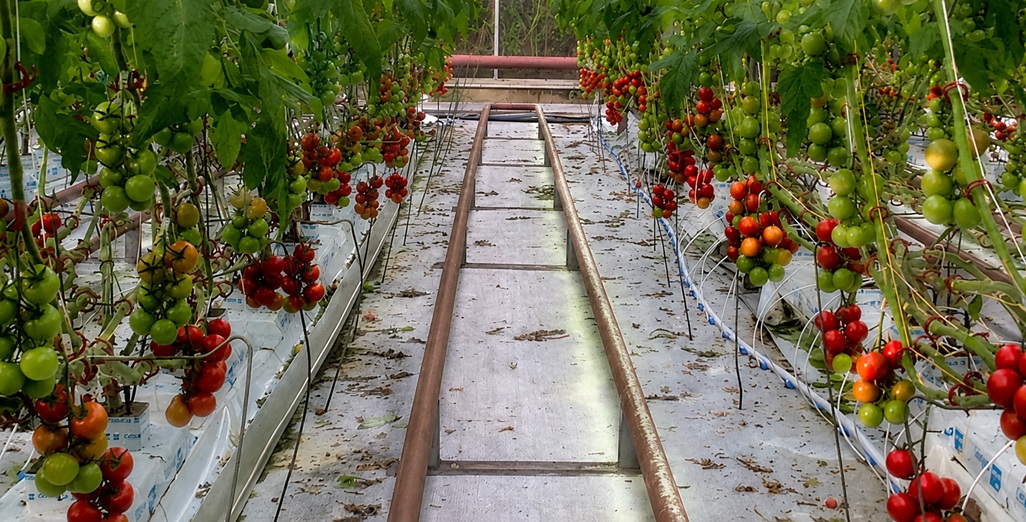
Combating Leaf Mould and Powdery Mildew in Greenhouse Tomatoes 2026
It's been eight years since I first wrote about controlling leaf mould. While many of the principles still apply, growers now have more tools available, making it a good time to revisit what works and where disease management is heading.
July 27, 2026
GrowWise smart spectrum helps growers save energy or boost crop growth through automated spectrum optimization
“With just a few clicks, we achieved approximately 2% more light on the crop”
July 13, 2026
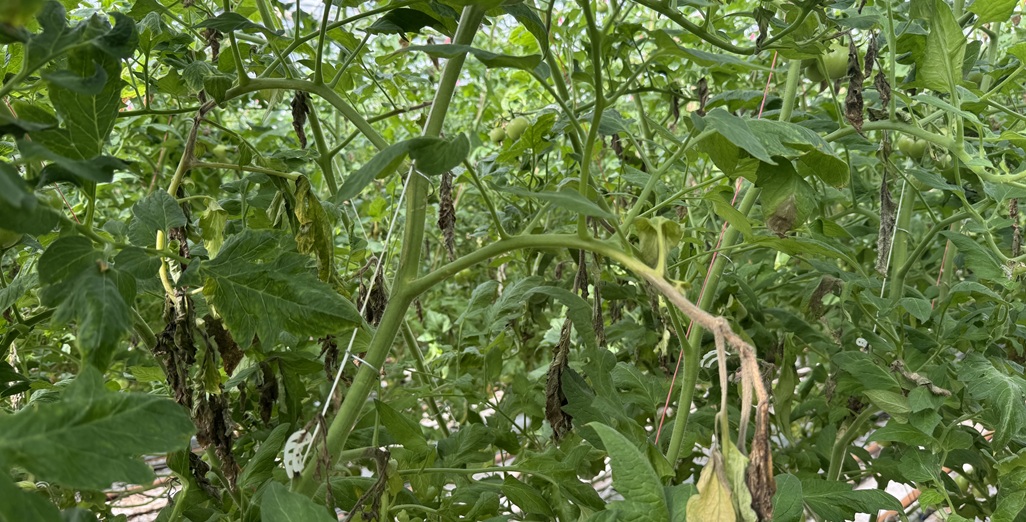
Why Botrytis has become such a challenge this winter
The objective is not to grow a vegetative crop or a weak generative crop. The objective is to grow a balanced crop with enough vigour to support the fruit load while maintaining healthy leaf quality.
CLASSIFIED