

Sign up here to subscribe to the Grower2grower Ezine. Every two weeks you will receive new articles, specific to the protected cropping industry, informing you of industry news and events straight to your inbox.
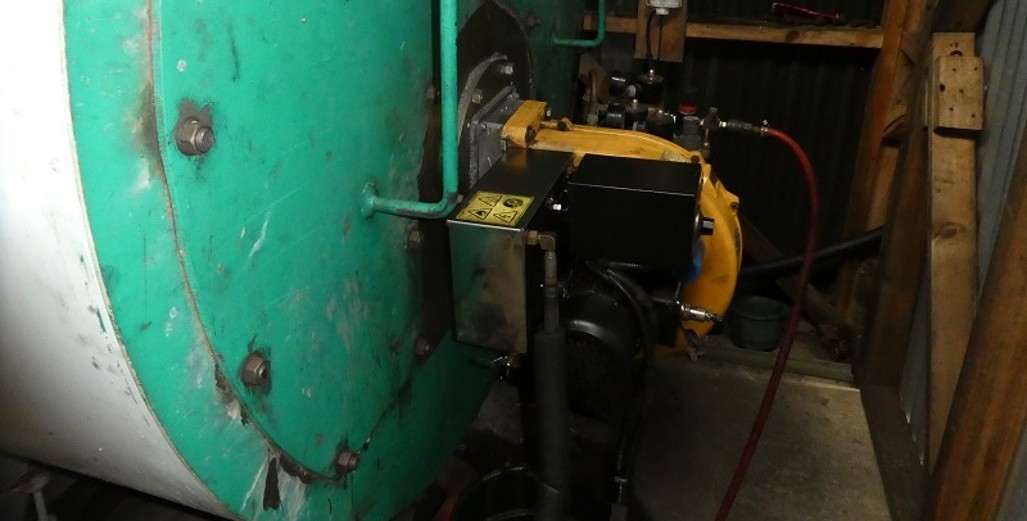
Regular cleaning and maintenance are key
For 15 years I burned oil to heat my greenhouse. Some call it waste oil or recycled oil, basically it is oil that comes out of your car or truck, collected by a certified company. Impurities are then removed through a cooking and cleaning process before delivering the reconditioned product back.
In the mid 1990’s it was very different, the waste oil would be delivered with minimal treatment and you got what you got. Once I received oil with sand in it. Yes, this totally blocked my filter system and blocked my gold spot burner. Fun times. However, in the early 2000’s, with improvements in the ‘filtering process’ of the used oil, the number of breakdowns declined.
Many growers still use oil to heat greenhouses today. It is still a relatively non expensive way to heat your greenhouse and serves as a way of safely disposing of oil otherwise bound for who knows wear.
Mastering how to efficiently use an oil burner is complicated. The air flow and oil pressure have to be aligned. Preheating of oil is another must, if you don’t regularly maintain the pre-heater then it is very hard to ignite oil. The temperature of the oil needs to be high for ignition. In winter I always found that when the oil, in the holding tank outside, became colder it would affect its flow and the dab-pump, which pushed the oil to the preheater, would have to work harder. To minimise the electricity cost, of the preheater, my engineer father diverted the cold oil via an inventive coil, which wrapped the already warm boiler, so when it entered the preheater it was already tepid. This would reduce the time from when the boiler was started to when the oil ignited.
Different systems require different needs for filtration of the oil. The outlet from our storage tank, to the preheater, was 10cm up from the base of the oil tank. We had another outlet below which acted as a water trap. This was essential in the early years before the oil was processed correctly.
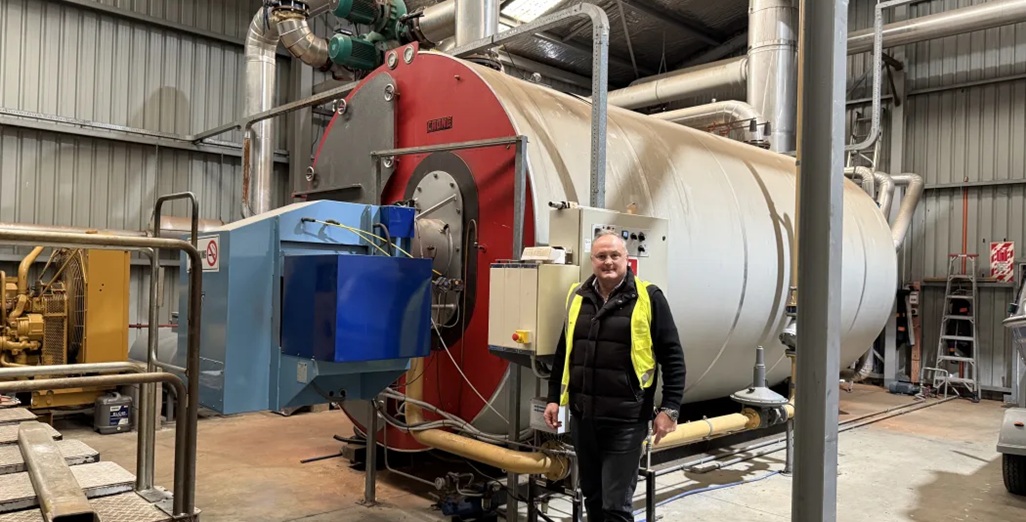
However, the biggest job with the oil burner was the cleaning. For a boiler to run as efficiently as possible regular cleaning is essential. Depending on the number of hours it operated, in the middle of Winter it was every week and sometimes twice a week it would require cleaning. For Autumn and Spring every two weeks. I had a three-pass boiler so there was the main chamber, the second and third pass smaller tubes to be cleaned. There is no sugar coating it, this was the hardest job I ever did as a grower, but if you want to sleep well at night it has to be done. If the boiler is running to its maximum potential you will still end up with soot. All the tubes were cleaned each time. The largest chamber is where the flame is the hottest, so this is the most important part to clean.
Gowers that use oil, and don’t have access to other heating sources, will continue to use oil to heat their greenhouses. It is hard work maintaining an oil system but extremely necessary.
To do list:
- Oil Pumps: clear of blockages
- Air compressor: Air pressure is constant
- Pre heater: Elements are clean and all working
- Filters are regularly checked and cleaned
- Main boiler chamber and tubes regularly cleaned
- Main oil holding tank is free of water
- Safety: Mineral sponge or similar products are on hand in case of accidental spills.
- Make sure you wear full protective clothing and face masks when cleaning the boiler. I believe this to be just as important as when you are spraying.

I appreciate your comments. Please feel free to comment below or on the grower2grower Facebook page:
https://www.facebook.com/StefanGrower2grower/
Article Written by Stefan Vogrincic, Consultant, Grower2Grower
Article Edited by Marie Vogrincic, Editor, Grower2Grower
CLASSIFIED












Subscribe to our E-Zine
More
From This Category
February 23, 2026
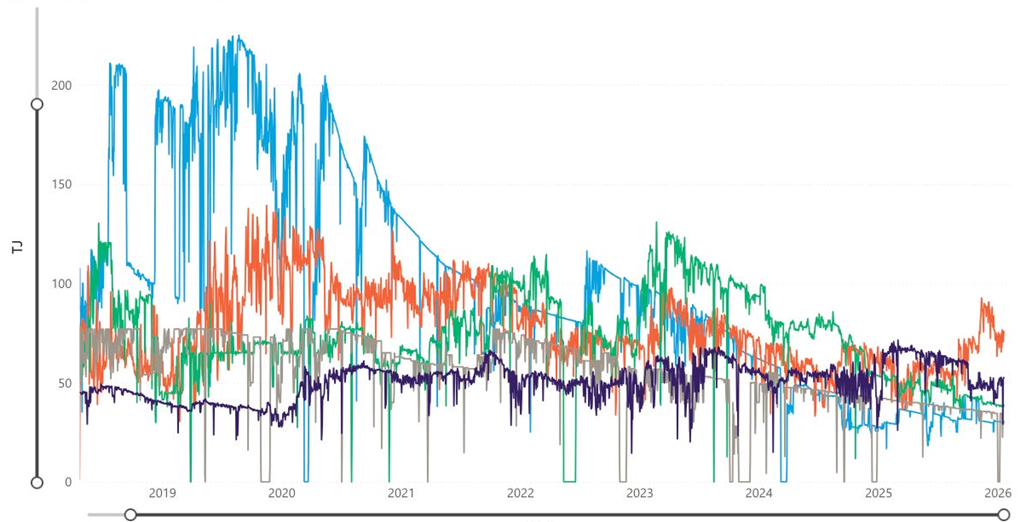
New Zealand’s 2026 Energy Stock-Take – Part 2 – Natural Gas
New Zealand’s Nord Stream moment. That sucking-straw sound at the bottom of the glass and suddenly a gaping hole emerges in the New Zealand energy landscape
December 29, 2025
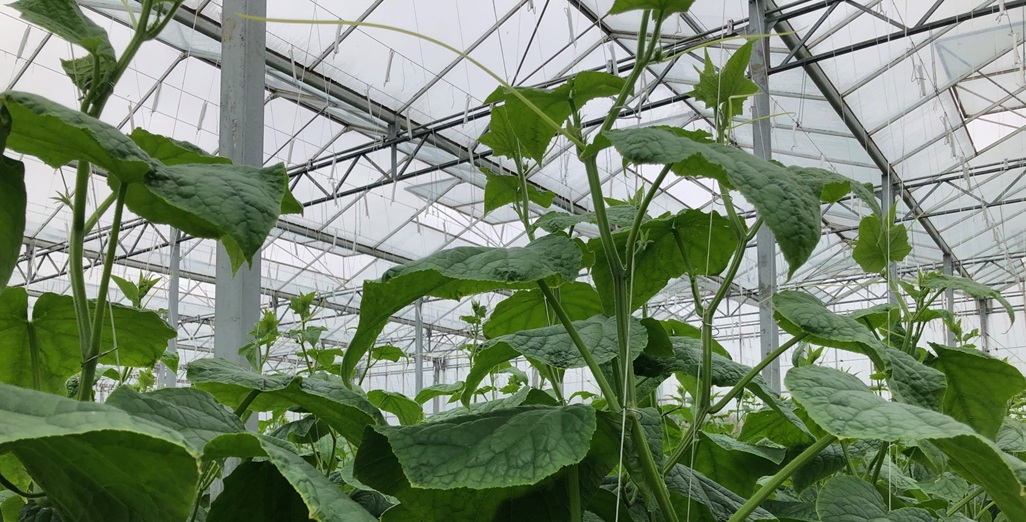
Best of 2025 – 79.2% decrease in Emission Trading Scheme (ETS) allocations for South Auckland Cucumber Grower
Chickens come home to roost for Greenhouse Growers
December 17, 2025
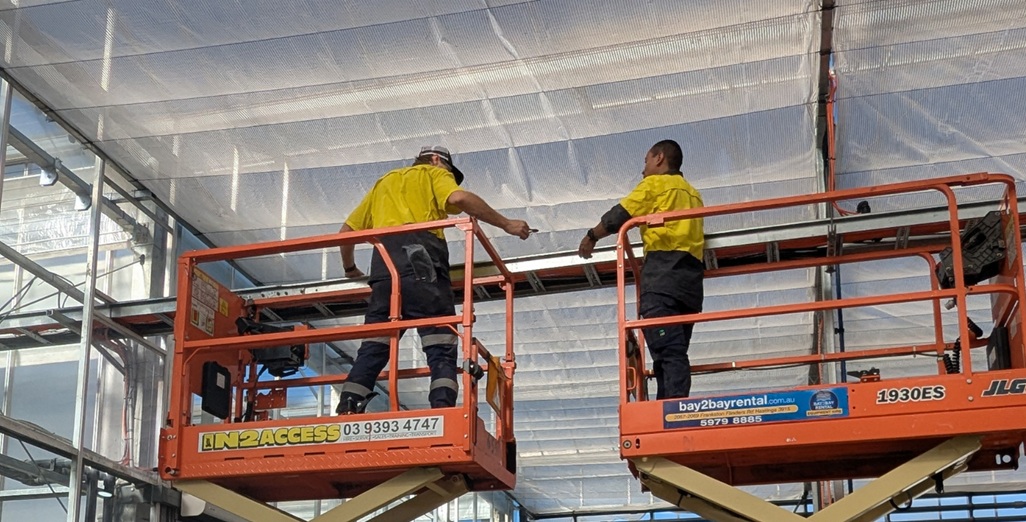
Ball Australia Boosts Climate Control with New Blackout Screen Upgrade
'Powerplants partnered with Ball Australia to deliver a full blackout screen replacement, supported by detailed mechanical, electrical, and irrigation work'
December 17, 2025
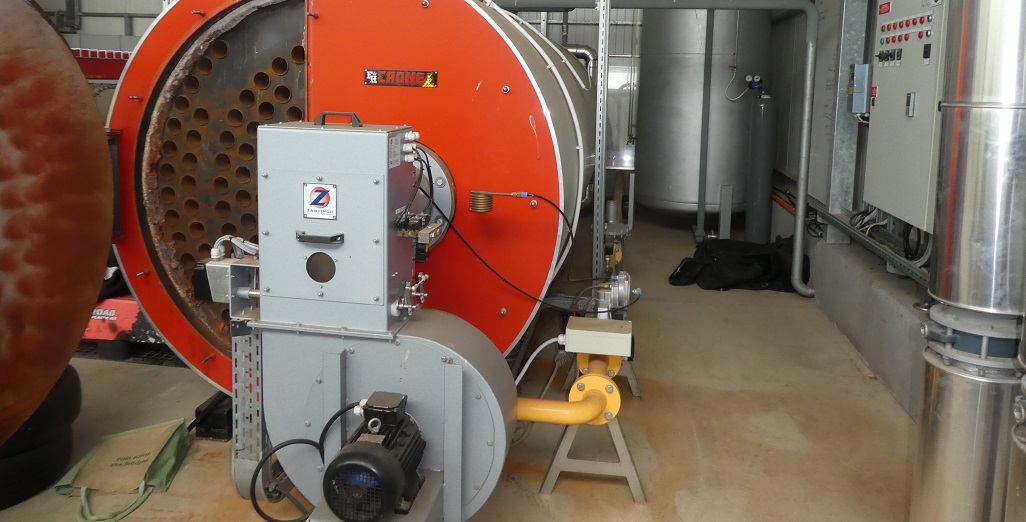
Why energy is now a strategic risk (2025 Grower2Grower overview of energy and looking forward)
What Tomato, Cucumber, Capsicum and Capsicum Growers Need to Know (And other heated greenhouse crops). Energy has shifted from a manageable operating cost to a strategic production risk for New Zealand’s protected-cropping sector. In 2025, growers are facing a convergence of structural changes that directly affect whether heat is available when it is needed, not just what it costs.
September 23, 2025
Online workshop : learnings from the low-energy input trial for greenhouse tomatoes
If you are not a tomato grower or you do not grow with lights, the approach to energy saving is also transferable to your situation.
September 8, 2025
Tomato grower warns the gas supply crisis could threaten the hothouse industry
When NZ Hothouse built its tomato growing operation 25 years ago in South Auckland, hooking up to the nearby Maui pipeline was a key factor.
CLASSIFIED