

Sign up here to subscribe to the Grower2grower Ezine. Every two weeks you will receive new articles, specific to the protected cropping industry, informing you of industry news and events straight to your inbox.
6
Jun 2023
Jun 2023
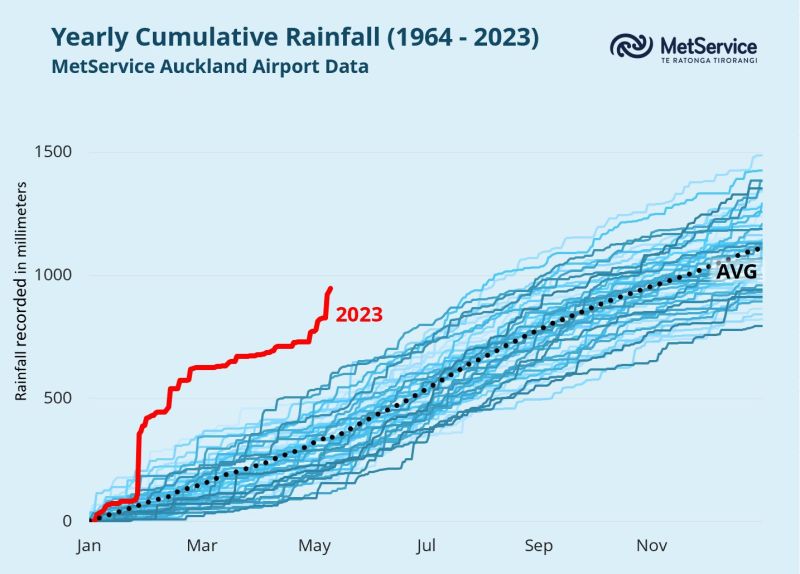
Nearly a Years Rainfall in Half The time!
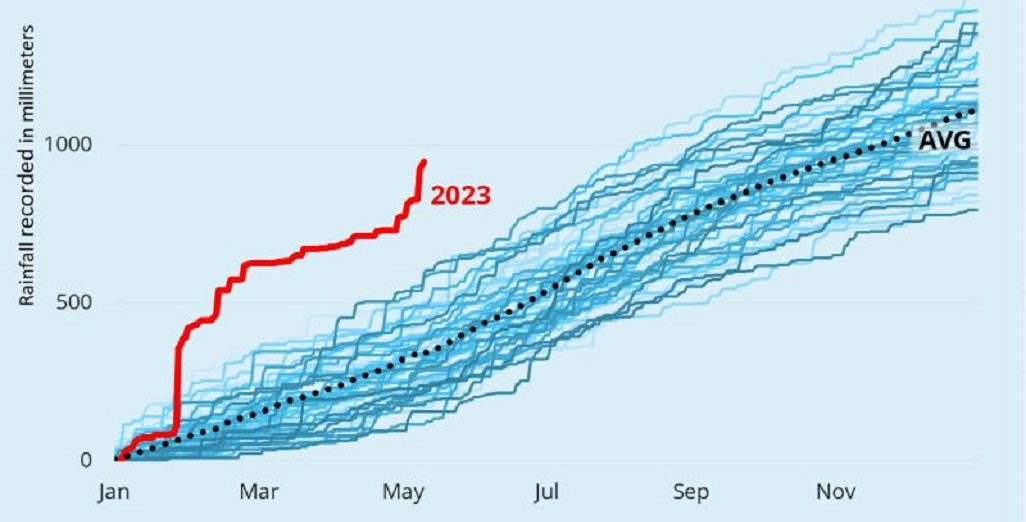
Consistently wet weather has been a huge challenge for growers. Protected cropping is one solution.
This year the weather in much of the North Island has seen rain rain and more rain.
For greenhouse growers it has been a difficult year due to a lack of sunshine hours and high humidities. The reduction in light levels has been up 12% across the upper North Island (using light data collected from clients). This has, without doubt in my mind, directly impacted production.
Warm nights during April and May, have made it difficult to set fruit with observed abortion in commercial cucumber crops. Cucumber crops as a result of the weather, were further impacted with Fusarium and Pythium issues. However, for growers that have grafted plants there has been a good level of protection.
GOLD KIWIFRUIT (opinion)
The fruit I most like to consume is Gold Kiwifruit. The Gold we have purchased this season have been bland and noticeably unripe. It is not scientific; however, I do eat a kiwi a day but have yet to have a super sweet tasting Gold this season.
It is not rocket-science to make a connection between, high rain falls, large fruit and lower brix – add in the low sunshine hours and it all makes for a difficult growing season.
Other consideration I have are: could this be due to picking before fruit were ripe enough, (however, it has not been a ‘one of’ but months of purchasing) or has the high rain fall caused fertiliser leaching, therefore a lack of available nutrients?
One Easy Solution:
A solution is protected cropping. I see new Kiwifruit orchards being built with huge netted covers, mainly for wind protection. The cost of this must be exorbitant and yet it doesn’t protect crops from high rainfall.
Gold Kiwifruit is a high value product, and without understating this, extremely important to this country’s prosperity. Poor or adverse weather conditions could be negated by using protection and could benefit growers in terms of consistency and fruit quality year after year. High wind events may impact with temporary damage to polytunnel structures but with established boundary wind protection the positives out way any negative in my mind.
- Improved fruit quality.
- Higher Brix.
- Controlled irrigation – reduce fertiliser, apply the correct fertiliser balance, maintain balanced soil moisture content. Limit leaching.
- Reduce fugal pressure.
- Potentially reduce spraying.
- Harvest during wet conditions.
- Prune during wet conditions.
The only thing that protected cropping will not improve are sunshine hours – that is up to Mother Nature!

Article compiled by Stefan Vogrincic
All Article’s checked and edited by Marie Vogrincic. For all media releases please send to marie@grower2grower.co.nz or upload directly: https://www.grower2grower.co.nz/article-form/
I appreciate your comments. Please feel free to comment on the grower2grower Facebook page or email: stefan@grower2grower.co.nz
CLASSIFIED















Photo
Gallery




Subscribe to our E-Zine
More
From This Category
August 25, 2026
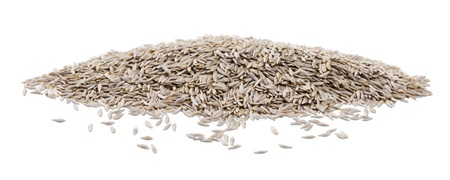
EPA seeks feedback about treated seed
The Environmental Protection Authority (EPA) is asking for feedback on a proposed group standard for treated seed.

August 25, 2026
A Well-Deserved Thank You to Barry O’Neil
Eight years at the helm of TomatoesNZ recognised with Lifetime Achievement Award. At the recent Covered Cropping NZ Conference and TomatoesNZ AGM, Barry O’Neil was presented with a Lifetime Achievement Award in recognition of his outstanding contribution to TomatoesNZ and the wider covered cropping industry. The award also marked the end of an eight-year chapter, with Barry stepping down after eight years as Chair of the TomatoesNZ Board.
August 11, 2026
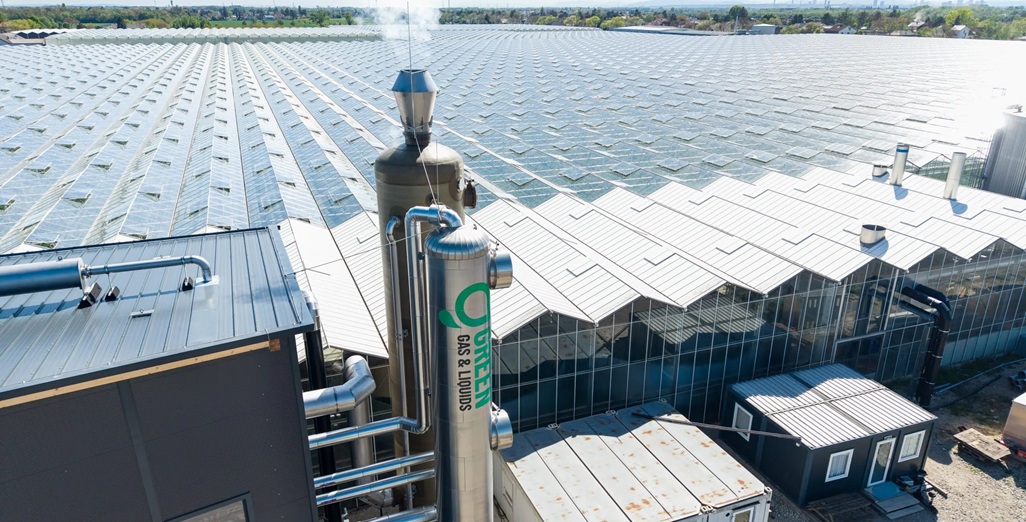
CO₂ Capture for Greenhouses Without Liquefaction —
How Galloxol® Changes the Economics
July 14, 2026
More air movement, fewer gaps, more energy savings
"The major challenge in the energy transition is to continue growing healthy and vital crops with less energy"
July 13, 2026
Covered Cropping NZ Conference: A Day of Practical Learning and Industry Connection
Wednesday, 12 August, at LaValla, Tuakau, South Auckland
June 15, 2026
New spray approved for professional control of insect pests (Buildings only)
The Environmental Protection Authority (EPA) has approved Seclira WSG, a spot-treatment surface spray for the control of insect pests in and around buildings.
CLASSIFIED