

Sign up here to subscribe to the Grower2grower Ezine. Every two weeks you will receive new articles, specific to the protected cropping industry, informing you of industry news and events straight to your inbox.
5
Dec 2023
Dec 2023
Resources for Energy Efficient Covered Crop Growing
‘Demand reduction opportunities and the connected energy savings’
This year, several new resources have been developed to support greenhouse growers to reduce their energy use and highlight options for switching to low-emissions fuel sources.
Free on-site energy assessments have been available, with a number of growers taking up this opportunity. I encourage any covered crop grower who is interested to contact Ellery Peters to discuss their options.
Six energy transition plans (ETP) were undertaken by energy experts during an initial pilot programme, covering a range of greenhouse operations across the country. These focused on what options are available for growers to reduce their energy use and shift away from fossil fuels. A report summarising the key relevant learnings from these six energy transition plans is available at on EECA’s covered crop decarbonisation programme under step 5.
The report looks at the demand reduction opportunities and the connected energy savings. It also reviews the related and provides a comparison across the different sites. Use of alternative fuels is assessed considering both costs and technology (including dehumidifiers, thermal screens, biomass boilers, and air source/ground source heat pumps).
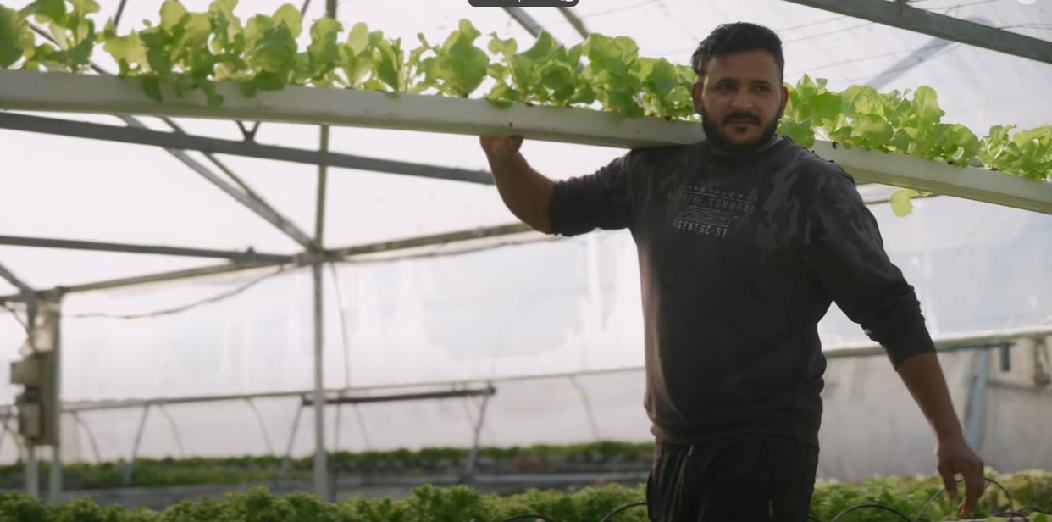
Three videos have showcasing how growers are improving their energy efficiency are also available on the Vegetables New Zealand YouTube channel. The growers share their experiences with using new technology and how it is has helped them reduce their energy costs. Albert Shih, a tomato grower, talks through the benefits he has experienced since installing thermal screens more than three years ago. This includes significant financial savings as well as easy installation and other advantages for growers. Also featured is Robert Cole, a hydroponic herb and leafy greens grower, who shares the benefits of using a hot water heat pump for his business. And Robert Lindsay talks about the small changes he’s made at his growing operation that have seen him reduce his energy usage by 25%.
The resources discussed are available under the Grower Resources page on the Vegetables New Zealand website, the ETP Comparison Report is also linked here. If you want to learn more about resources available, or discuss getting a free energy assessment, please contact Ellery Peters from Vegetables New Zealand at 0273222887 or Ellery.Peters@HortNZ.co.nz. Ellery’s role is supported by both Vegetables New Zealand and EECA (Energy Efficiency and Conservation Authority).
Covered-Crop-Energy-Transition-Plan-Comparison-Report
CLASSIFIED


















Photo
Gallery











Subscribe to our E-Zine
More
From This Category
February 23, 2026
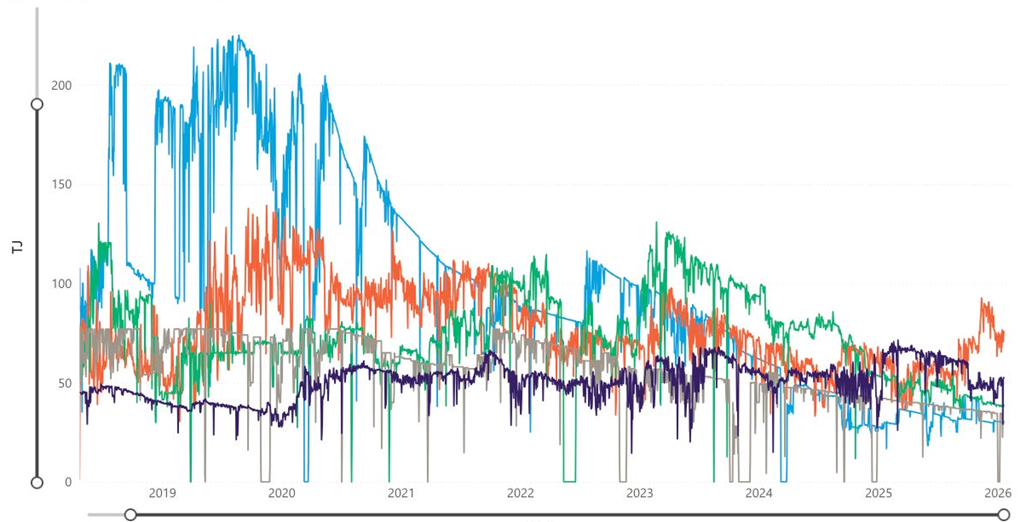
New Zealand’s 2026 Energy Stock-Take – Part 2 – Natural Gas
New Zealand’s Nord Stream moment. That sucking-straw sound at the bottom of the glass and suddenly a gaping hole emerges in the New Zealand energy landscape
December 29, 2025
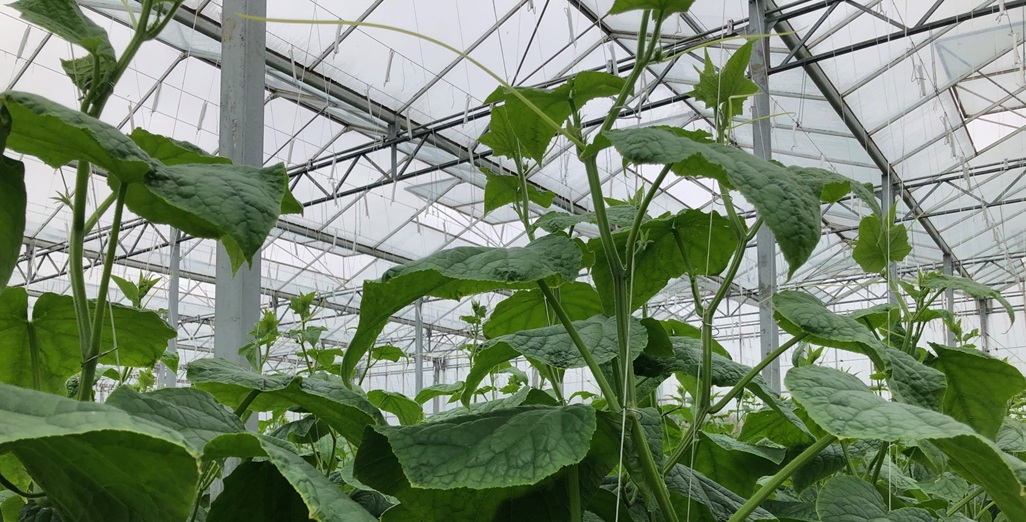
Best of 2025 – 79.2% decrease in Emission Trading Scheme (ETS) allocations for South Auckland Cucumber Grower
Chickens come home to roost for Greenhouse Growers
December 17, 2025
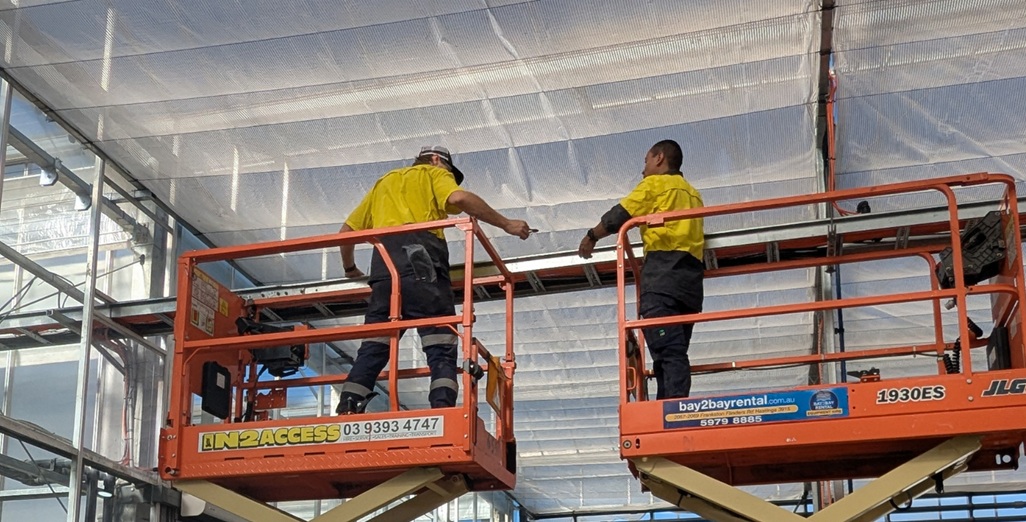
Ball Australia Boosts Climate Control with New Blackout Screen Upgrade
'Powerplants partnered with Ball Australia to deliver a full blackout screen replacement, supported by detailed mechanical, electrical, and irrigation work'
December 17, 2025
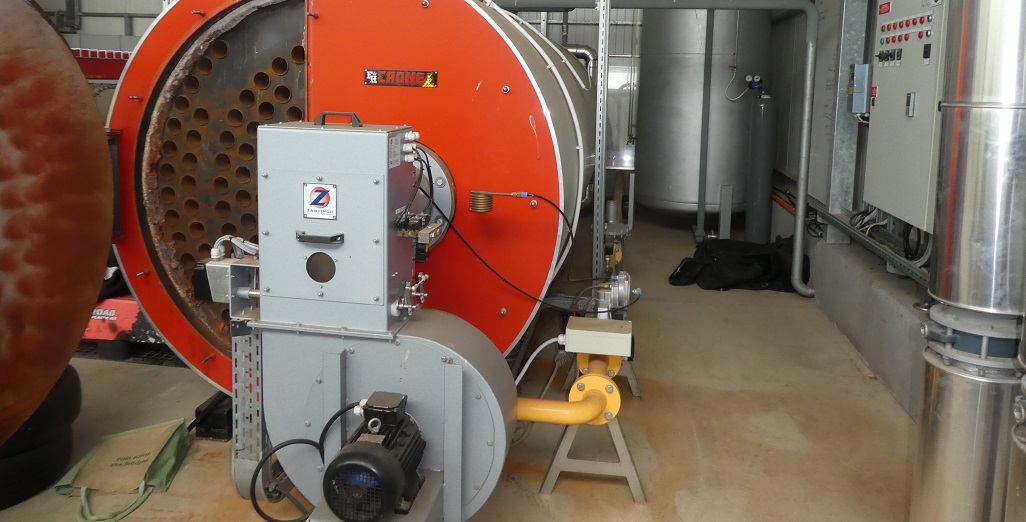
Why energy is now a strategic risk (2025 Grower2Grower overview of energy and looking forward)
What Tomato, Cucumber, Capsicum and Capsicum Growers Need to Know (And other heated greenhouse crops). Energy has shifted from a manageable operating cost to a strategic production risk for New Zealand’s protected-cropping sector. In 2025, growers are facing a convergence of structural changes that directly affect whether heat is available when it is needed, not just what it costs.
September 23, 2025
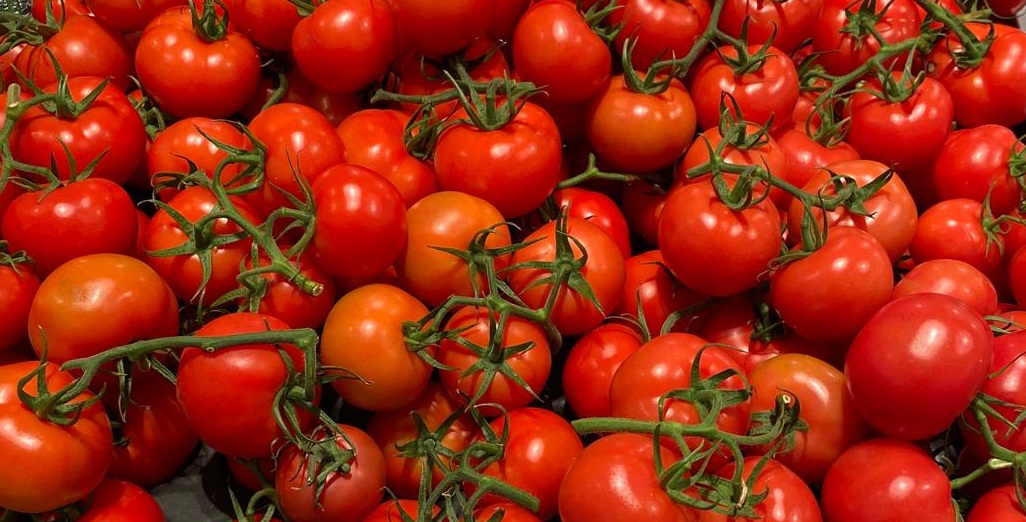
Online workshop : learnings from the low-energy input trial for greenhouse tomatoes
If you are not a tomato grower or you do not grow with lights, the approach to energy saving is also transferable to your situation.
September 8, 2025
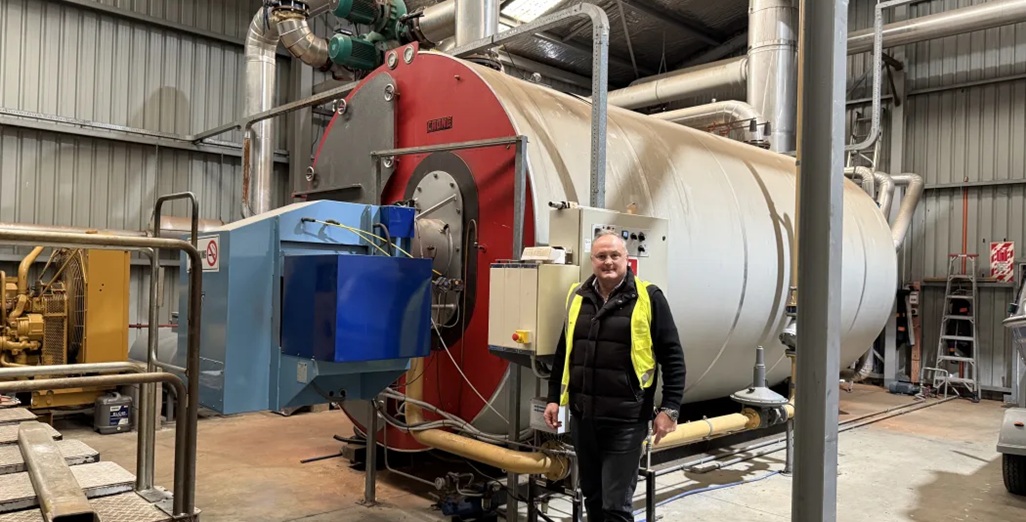
Tomato grower warns the gas supply crisis could threaten the hothouse industry
When NZ Hothouse built its tomato growing operation 25 years ago in South Auckland, hooking up to the nearby Maui pipeline was a key factor.
CLASSIFIED