

Sign up here to subscribe to the Grower2grower Ezine. Every two weeks you will receive new articles, specific to the protected cropping industry, informing you of industry news and events straight to your inbox.
9
Apr 2019
Apr 2019
Smart Alerts Help to Achieve Optimal Rootzone EC and WC
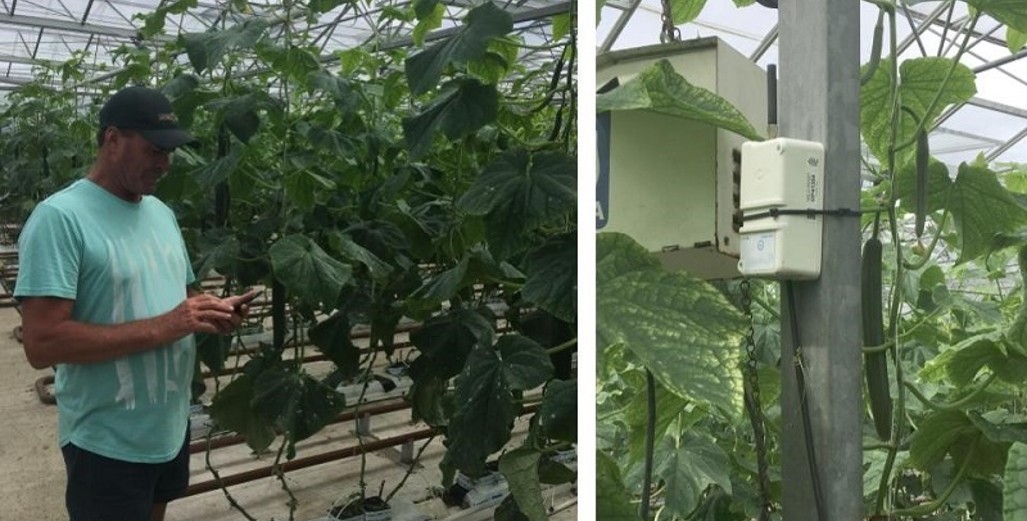
Growers utilise BumperCrop to guide their irrigation strategy
Studies show that effective root zone management can lead to up to a 10% increase in yield and improvement in fruit quality. Because of this, the adoption of smart technologies like real time substrate monitoring and alerting is expected to double in the next five years. Adoption is being led by Europe, especially the Netherlands. Historically the Dutch have been fast adopters of new technology which has made them world leaders in greenhouse production. New Zealand growers aren't waiting to start benefiting from these new technologies. South Auckland cucumber grower Edward Lee actively seeks out new technology that helps him to run a more efficient and productive greenhouse. “To survive in this industry, you need to be as precise as possible.” His approach is paying off as his business continues to thrive.
Edward’s latest technology addition is BumperCrop’s real-time substrate monitoring and alerting solution. “Knowing the WC & EC trends of my slabs allows me to irrigate precisely and achieve stable levels. More accuracy translates to greater yield and earning more from my crop”.
Automated text-alerts remind Edward to keep his EC levels stable. Over the last two months he has received several high EC alerts that prompted him to act quickly to keep his rootzone in balance and prevent problems with his crop. “I need to provide just the right amount of EC to prevent root stress”. Having timely information allows Edward to make decisions around when to stop and start irrigation as well as the frequency and length of irrigation.

Edward has found viewing WC & EC data and alert thresholds levels easy with BumperCrop. There is a handy Mobile App as well as a user-friendly website to view current substrate readings in relation to threshold targets. “I like being able to get readings on my phone wherever I am. This gives me confidence that my greenhouse is operating smoothly even when I am not there.”

WC, EC & Temperature Sensors installed in rockwool substrate at Edward’s Cucumber Greenhouse
Alerts can also be setup to guide growers to achieve consistent substrate water content levels. Consistency increases yield and these alerts can also be used to help with detecting unexpected and costly issues such as clogged emitters or a malfunctioning irrigation system. "Being aware of and adapting to changes in WC & EC has been particularly critical over the past few past weeks as changes in the weather and daylight savings influence crops. "

Grant Fannin is another cucumber grower benefiting from smart substrate monitoring. “I check my substrate trends regularly to ensure they are staying within optimal zone. I’ve found the sensor data to be very reliable.” Grant finds it to be more precise than weigh scales. “I can see how my WC trends change over time as the plant grows and this is not distorted by other factors like the weight of the plant".

Grant accesses the data transmitted by BumperCrop from his phone.
BumperCrop sensors are designed to work in different media including rock-wool and coco fibre substrates. BumperCrop is a New Zealand based company that offers affordable smart greenhouse monitoring solutions.
Bumper crop is offering a free 21-day trial of their system to Grower2Grower readers.
For more information contact Adam Forbes:
adam@mybumpercrop.com
Ph: 027 3512 512
https:/mybumpercrop.com/
CLASSIFIED











Subscribe to our E-Zine
More
From This Category
February 23, 2026
Dissolved Oxygen – The Hidden Driver of Root Performance in Greenhouse Crops
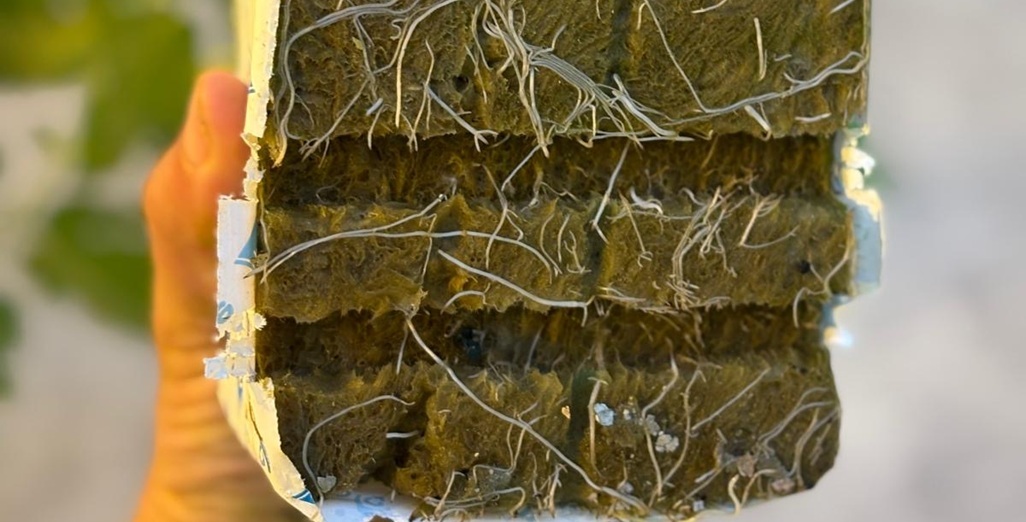
In high-tech greenhouse tomato and cucumber production, we carefully monitor EC, pH, radiation sums and irrigation strategy. However, one parameter that is often overlooked — yet can significantly influence plant performance — is dissolved oxygen (DO) in the nutrient solution.
February 10, 2026
Day-Length Decreasing = Time to Adjust Your Water Content
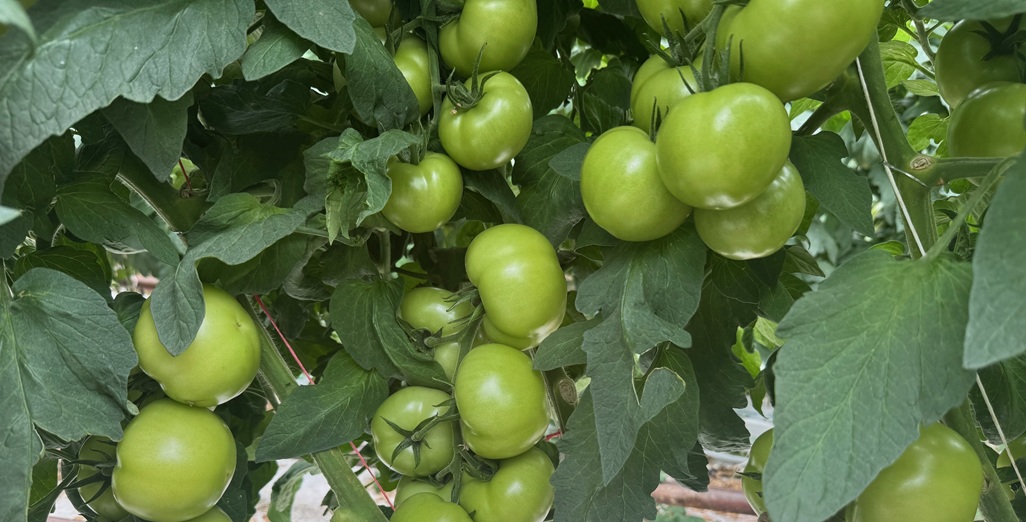
Amid the usual distractions of modern growing life, it’s easy to forget that Autumn 2026 is just around the corner. As day length shortens, now is the critical moment to review and adjust your irrigation strategy. Unlike previous years that brought prolonged dry spells or extreme heat, this year’s weather has been variable. Across the country, many regions are already seeing heavy rainfall and several cloudy days in a row. While this is great for replenishing water reservoirs, it also creates challenges once the sun returns: crops may wilt, and the temptation to overwater is high. My advice: keep substrate water content and EC close to pre-cloudy levels.
August 12, 2025
The Rise of Plant-Driven Irrigation
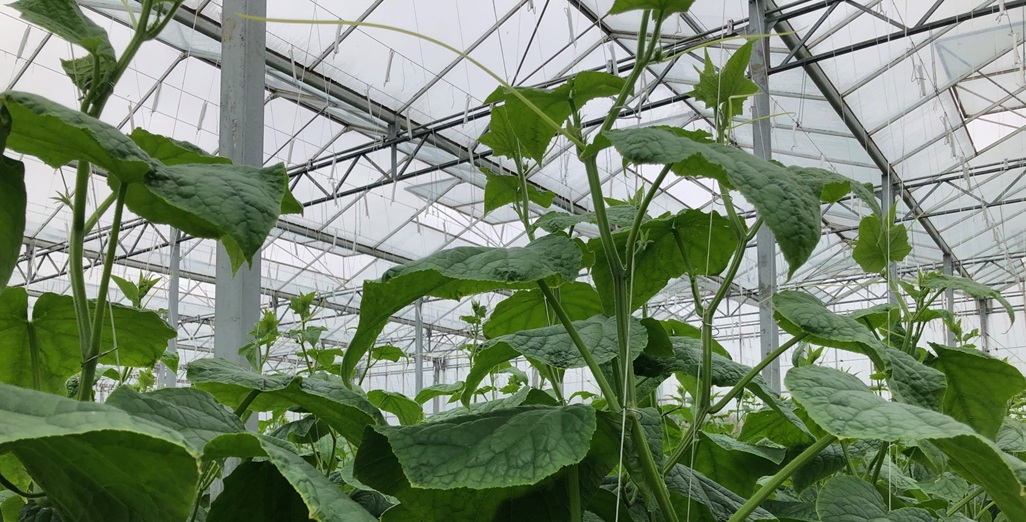
What if plants could tell us exactly when and how much water they need?
July 1, 2025
The BBRO Tackles Drought Risk in Sugar Beet Production
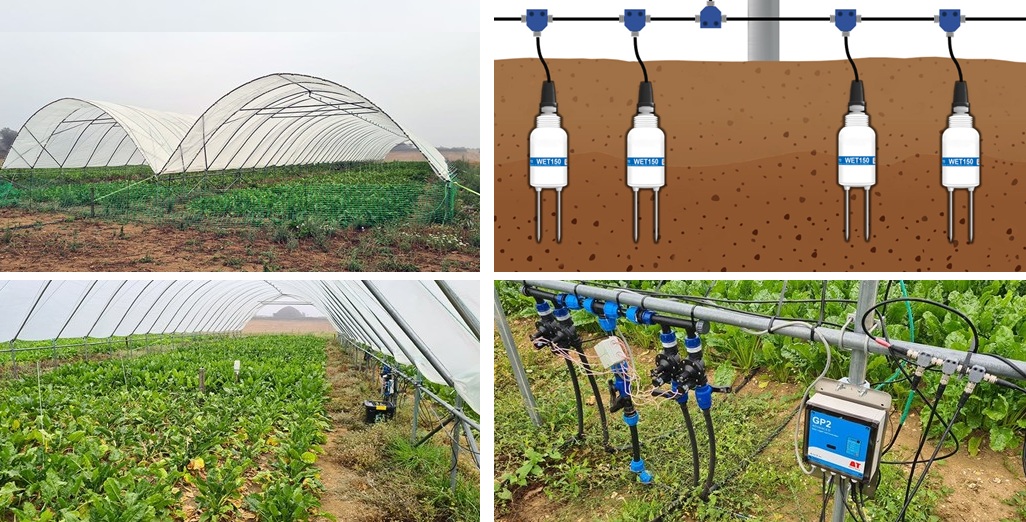
Delta-T Devices is providing WET150 multi-parameter soil sensors and GP2 advanced data loggers and controllers to the British Beet Research Organisation (BBRO) for use in important drought and water deficit research projects.
July 1, 2025
Botrytis Alert: Key Strategies to Minimize Losses
Following Blight, Botrytis now becomes the main threat — act early to avoid compounding issues. Energy costs are currently a major burden for greenhouse growers. As a result, many are forced to make difficult decisions about how much energy to invest in climate control........
January 14, 2025
(Best of 2024) Fleecegrow turning wool into substrates a reality
Sheep’s wool could be a solution for both the sustainability and supply challenges for indoor growers and nurseries.
CLASSIFIED