

Sign up here to subscribe to the Grower2grower Ezine. Every two weeks you will receive new articles, specific to the protected cropping industry, informing you of industry news and events straight to your inbox.
7
Apr 2026
Apr 2026
Think It’s the Bees? Think Again
Proven Hive Performance Suggests Auckland’s Climate and Crop Conditions Are the Key Limiters
By Kim Martin, Zonda Bees
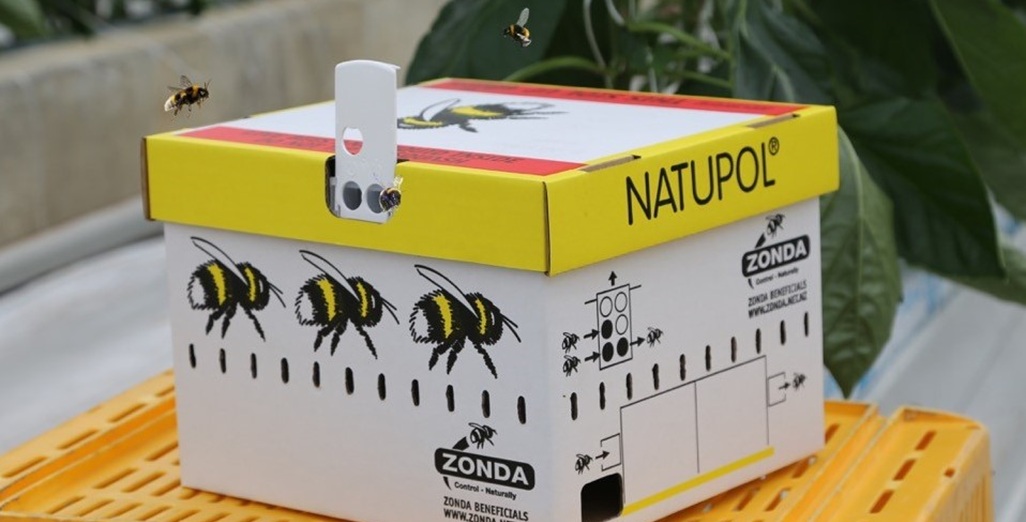
Every year, Zonda receives calls from growers saying “the bees aren’t working” and requesting new hives. While hives are sometimes replaced, these cases consistently show that the bumblebees are performing as expected. The real challenge? Humidity, Auckland weather, and plant conditions.
Auckland’s Challenging Conditions This Season
This season, the upper North Island has experienced high storms and moisture, which disrupts bee activity. Bumblebees require warm, stable, sunny conditions to forage effectively inside glasshouses. Unfavourable conditions can lead to:
- Lower activity levels
- Shorter foraging windows
- Bees leaving the glasshouse entirely
Classic Pollination Issues
- Bumblebees may exit through vents and not return if there’s better forage outside.
- Venting strategies, especially in humid Auckland conditions, can exacerbate the problem.
Tomato pollination relies on very specific conditions:
- Too hot → pollen becomes non-viable
- Too humid → pollen doesn’t release properly
- Poor airflow → reduced bee movement
Even though bumblebees excel at “buzz pollination,” they still need optimal microclimate conditions:
- Flowers not setting in sequence (classic poor pollination sign)
- Later flowers setting better than early ones (missed visits)
Key insight: Bees may appear inactive, but often plant physiology or climate is the trigger.
How Crop Conditions Affect Bees
- Poor pollen quality → bees reduce activity or abandon the crop
- Weak or overly vegetative plants → reduced pollination success
Climate inside the greenhouse can stop pollination entirely, even with active bees:
- High heat (>30°C) → pollen sterilization
- High humidity → pollen won’t release
- Low humidity → pollen won’t stick
This leads to a frustrating scenario:
Bees are visiting, but fruit still doesn’t set → looks like bee failure
Why Auckland Is More Challenging
- 🌧 Higher humidity → pollen issues + more venting
- 🌿 More competing forage outside glasshouses
- 🌡 Warmer nights → pollen viability problems
- 🐝 Higher hive turnover pressure in year-round growing
Supplier Specs for Optimal Pollination:
- Target temperature ≈ 21°C
-
30–34°C → pollen viability drops
- Low humidity → stigma dries out
- High humidity → pollen won’t release
Hive Performance Factors
- Bees must maintain body temp (~30°C+) to fly
- Cold or damp hives → more bees heating brood instead of foraging
- Condensation → fewer active bees
Auckland’s humid climate naturally limits hive performance. Most hives arrive 8–10 weeks old and peak before gradually declining. Pollination drops as hives age.
Strategies for Growers
Hive management:
- Replace hives weekly or fortnightly during peak flowering
- Double hive numbers temporarily to maintain pressure
Climate control:
- Open hives early morning (low venting), restrict later to reduce bee loss
- Target tighter temperature bands (low 20s °C)
- Actively manage humidity
- Focus on early-day pollination — this is the most effective window
Key takeaway: Pollination failure is often a climate problem disguised as a bee problem.
Last year, Zonda supplied over 5,000 hives, with issues confined to Auckland — not the bees, but the environmental conditions.
For more information contact Kim Martin E: kim@nzg.co.nz
CLASSIFIED














Photo
Gallery




Subscribe to our E-Zine
More
From This Category
April 7, 2026
Think It’s the Bees? Think Again
Proven Hive Performance Suggests Auckland’s Climate and Crop Conditions Are the Key Limiters. Every year, Zonda receives calls from growers saying “the bees aren’t working” and requesting new hives. While hives are sometimes replaced, these cases consistently show that the bumblebees are performing as expected. The real challenge? Humidity, Auckland weather, and plant conditions.

December 29, 2025
Best of 2025 – Velifer – A New Tool in the Tool Box to help control Whitefly and other Greenhouse Insect Pests Approved by EPA
Naturally effective pest management for protected crops (BASF). Velifer® Biological Insecticide adds a new dimension to the management of a wide range of key insect pests within protected cropping structures. Velifer will help manage populations already controlled by conventional knockdown pesticides and complements the use of beneficial insects.
November 18, 2025
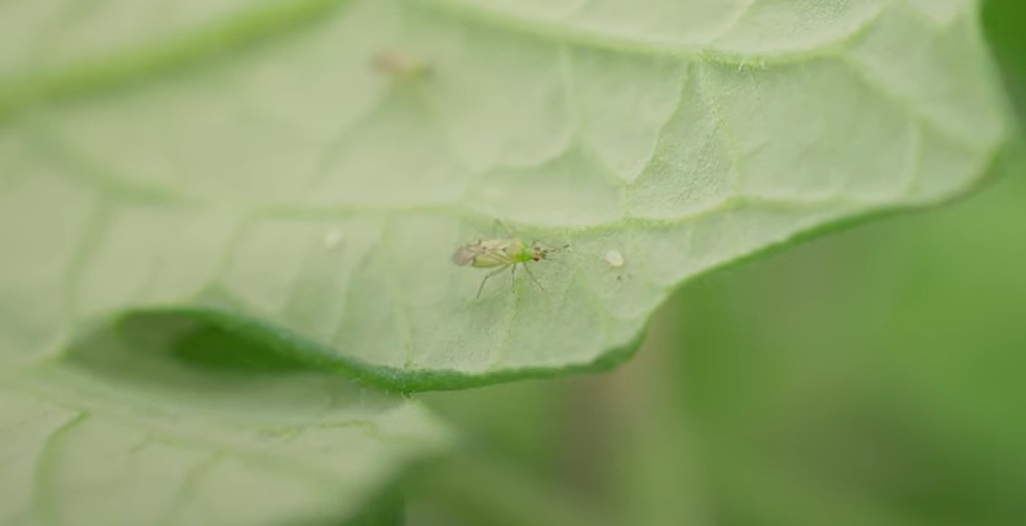
TomatoesNZ has been supporting a project into different biological pest management strategies since August 2021
These trials have been part funded by MPI through A Lighter Touch. Why was this research needed?
May 6, 2025
Velifer – A New Tool in the Tool Box to help control Whitefly and other Greenhouse Insect Pests Approved by EPA
Naturally effective pest management for protected crops (BASF). Velifer® Biological Insecticide adds a new dimension to the management of a wide range of key insect pests within protected cropping structures. Velifer will help manage populations already controlled by conventional knockdown pesticides and complements the use of beneficial insects.
February 25, 2025
Bayer says Sivanto Prime has a new way of working that targets sucking pests such as aphids, nysius fly and springtails
The Environmental Protection Authority (EPA) has approved a new insecticide to control pests on key crops such as beets for livestock, and brassicas.
February 12, 2024
Starting on the back foot
Two recent reports indicated that whitefly had literally ‘exploded’ into crops at locations in Auckland and Hamilton.
CLASSIFIED