

Sign up here to subscribe to the Grower2grower Ezine. Every two weeks you will receive new articles, specific to the protected cropping industry, informing you of industry news and events straight to your inbox.
7
May 2024
May 2024
To truss arch or not to truss arch?
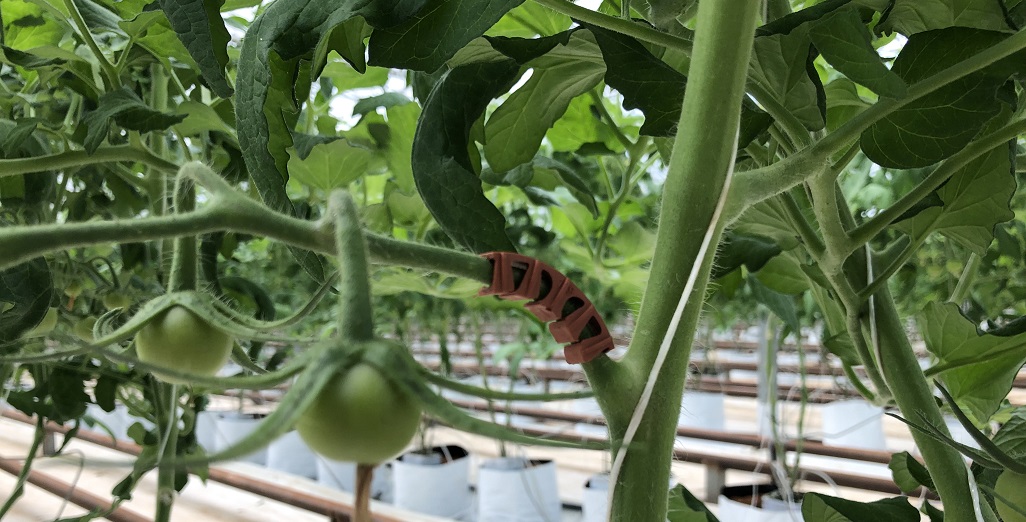
The decision to recommend truss arches on tomato crops is not that complicated, just do it!
By Stefan Vogrincic.
Even though I say just do it, there are contributing factors if you decide to apply truss arches. I will list these factors below, but in general I have never seen a negative result when applying arches correctly and at the right time of the crop cycle. What I do see is growers placing the arches incorrectly, in the wrong place at the wrong angle and far too late in the development of the truss.
In general, for a winter grown crop, whether that be a cocktail or large variety, I would always recommend applying a truss arch or similar support to prevent bending of the truss. If the heads of the plants have been removed and the crop was finishing in June, for example, I would still advise the last six to seven trusses were supported unless it was a short crop, or the trusses were ‘uber’ strong.
From my own personal experience, whilst growing both cocktail and larger tomato varieties over twenty years, is that from early autumn until the middle of the spring, if I did not apply a truss arch and the truss bent, I would lose 30-50% production potential or fruit weight from said truss. It is important to note that not all trusses will bend especially by the side window! Light is a determining factor.
Different growing styles will also have an impact. If you are a cold grower, then you will possibly have harder shorter trusses and if you use energy because you want speed and quality then your trusses will be slightly thinner and require supporting.
One of the biggest issues I come across is the application of the arch:
- Place the arch on as soon as you have clearance from the flower. That is, as soon as you can when the truss is small and supple. Waiting until the fruit is set is generally too long and you will require a different support that clips/hooks the string to the truss.
- Don’t apply first thing in the morning, especially if you are not heating.
- When applying the arch don’t change the natural direction of the truss.
- Make sure the arch is touching the stem and not halfway along the truss.
- Lack of confidence – don’t be scared to break a truss because the more nervous you are the more you will break.
Other Influences based on a balanced crop:
Crop Stage
- Are your heads in all winter (Yes apply)
- Are you growing a short crop (depends on variety but possibly no)
- Are you heating (Yes apply)
- Are you truss pruning (doesn’t matter, answer is Yes apply)
Crop Variety
- Large loose or truss (Yes apply)
- Cocktail type (Yes apply)
- Cherry (No)
Nutrition
- If you have a deficiency (boron levels) you may be exacerbating the issue. I always encourage a runoff water analysis to be conducted monthly.
NOTE: if your crop is weak, it will have an impact, so it is important to have the correct balance between plants per m2, crop load, heating, and irrigation. Insect’s particularly whitefly will also make negatively affect your plants vigour if out of control.

Above a truss arch applied just a day or two too late, it should be closer towards the stem, however this is acceptable.
If you would like advice on this or anything else to do with your crop please e-mail stefan@grower2grower.co.nz
CLASSIFIED



















Photo
Gallery







Subscribe to our E-Zine
More
From This Category
September 7, 2026
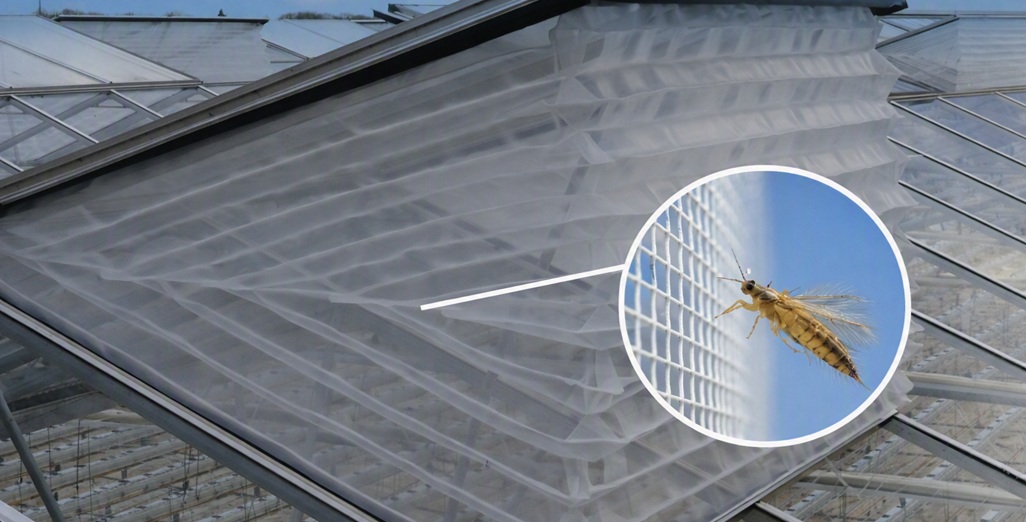
Keeping the Door Shut: Are Insect Screens the Next Step in Greenhouse IPM?
As thrips and other pest pressures continue to increase, it may be time to rethink how we stop pests entering the greenhouse in the first place. As we head into spring, and following the recent Mini Covered Cropping NZ Conference, one pest issue continues to stand out: the ever-increasing threat posed by thrips.
August 11, 2026
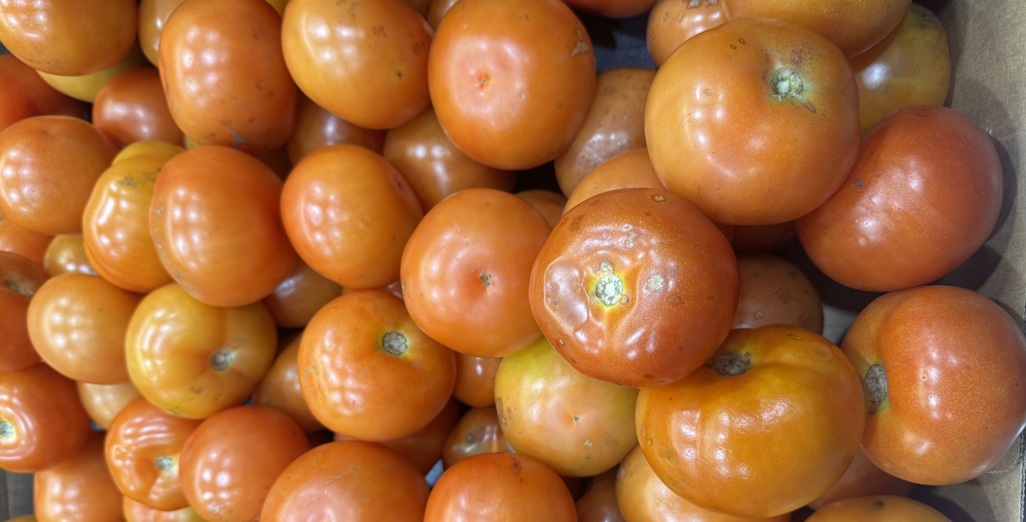
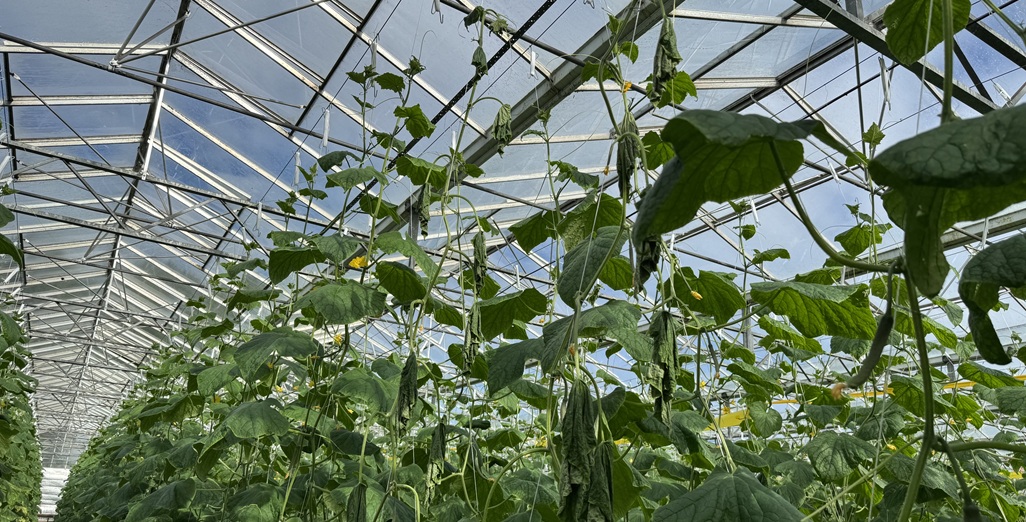
Cucumber Grafting: Insurance Policy or Unnecessary Cost?
Grafting can provide a stronger root system and valuable insurance against root-zone problems – but it won’t protect the canopy from fungal disease.
July 27, 2026
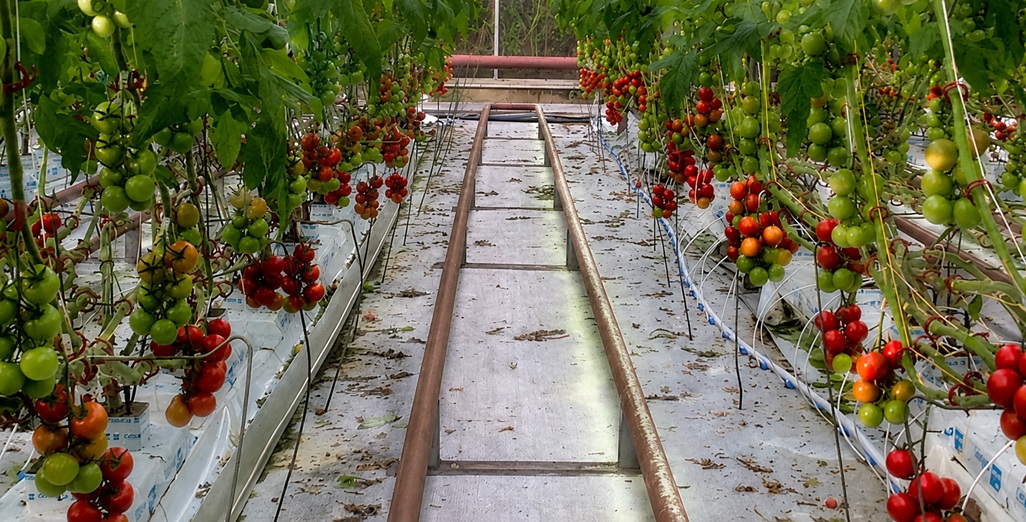
Combating Leaf Mould and Powdery Mildew in Greenhouse Tomatoes 2026
It's been eight years since I first wrote about controlling leaf mould. While many of the principles still apply, growers now have more tools available, making it a good time to revisit what works and where disease management is heading.
July 27, 2026
GrowWise smart spectrum helps growers save energy or boost crop growth through automated spectrum optimization
“With just a few clicks, we achieved approximately 2% more light on the crop”
July 13, 2026
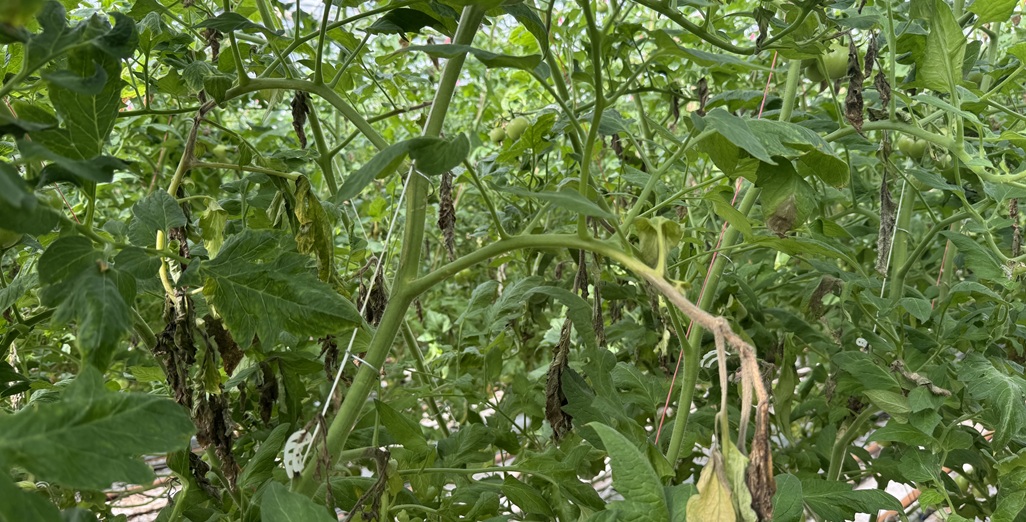
Why Botrytis has become such a challenge this winter
The objective is not to grow a vegetative crop or a weak generative crop. The objective is to grow a balanced crop with enough vigour to support the fruit load while maintaining healthy leaf quality.
CLASSIFIED