

Sign up here to subscribe to the Grower2grower Ezine. Every two weeks you will receive new articles, specific to the protected cropping industry, informing you of industry news and events straight to your inbox.
17
Jun 2020
Jun 2020
Tomato Red Spider Mite
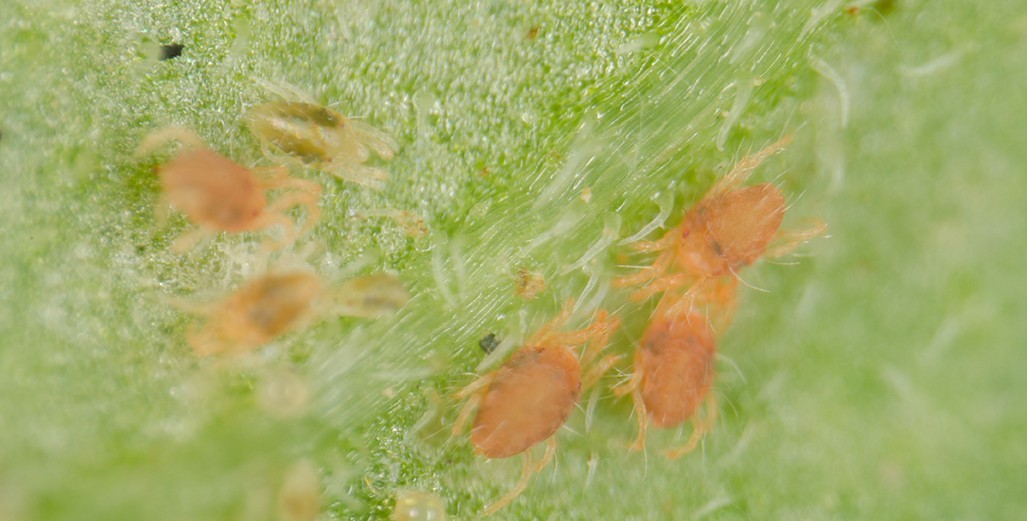
Discovered at Two Auckland locations
Two small populations of an unwanted horticultural pest, the tomato red spider mite (Tetranychus evansi), have been found by Biosecurity New Zealand (the biosecurity arm of the Ministry for Primary Industries) on nightshade weeds at two Auckland locations during routine and follow up surveillance.
Biosecurity New Zealand is currently carrying out a risk assessment to determine impact and working with horticulture sector representatives on potential next steps.
There is no way to tell how long the mite has been in New Zealand or how it arrived. It could have been carried by the wind, arrived on a visitor’s clothing or bags, or hitchhiked on imported products.
As GIA (Government Industry Agreement for biosecurity readiness and response) partners, HortNZ is working closely with Biosecurity New Zealand and will have input to any decisions made.
The discovery of this mite in New Zealand is considered by MPI’s trade and market access experts as unlikely to have any significant impact on trade in horticultural products.
If you think you have found a tomato red spider mite infestation, please call the Biosecurity New Zealand pest and disease hotline on 0800 80 99 66.
Background information
Tomato red spider mites are the size of a full stop. They are not insects, but a type of arachnid, relatives of spiders, ticks and scorpions. There are a few red mite species in New Zealand already. Identification requires an expert.
The tomato red spider mite got its name because it eats tomato plants, is red, and makes silk webbing to protect itself and its eggs, like some spiders do.
The mite doesn't just feed on tomatoes though. Its main hosts are plants in the Solanaceae family and other crops including:
- crops (tomatoes, potatoes, eggplants, beans and kumara)
- ornamental plants (roses and orchids)
- weeds (shepherd's purse, nightshades, cleavers, and fat hen).
For more information, please download our Exotic Pest Fact Sheet on Red Spider Mite here.
There is also further information you can refer to here: https://www.pir.sa.gov.au/__data/assets/pdf_file/0005/299471/Fact_Sheet_-_Tomato_Red_Spider_Mite_-_May_2019_.pdf
https://www.dpi.nsw.gov.au/biosecurity/plant/insect-pests-and-plant-diseases/Tomato-red-spider-mite
Article Source: https://www.tomatoesnz.co.nz/hot-topics/tomato-red-spider-mite/


Pictures above demonstrates damage caused by TRSM.
I appreciate your comments. Please feel free to comment on the grower2grower Facebook page:
https://www.facebook.com/StefanGrower2grower/
CLASSIFIED











Subscribe to our E-Zine
More
From This Category

October 20, 2026
Powerplants – Purpose built facility will support leading research in crop production
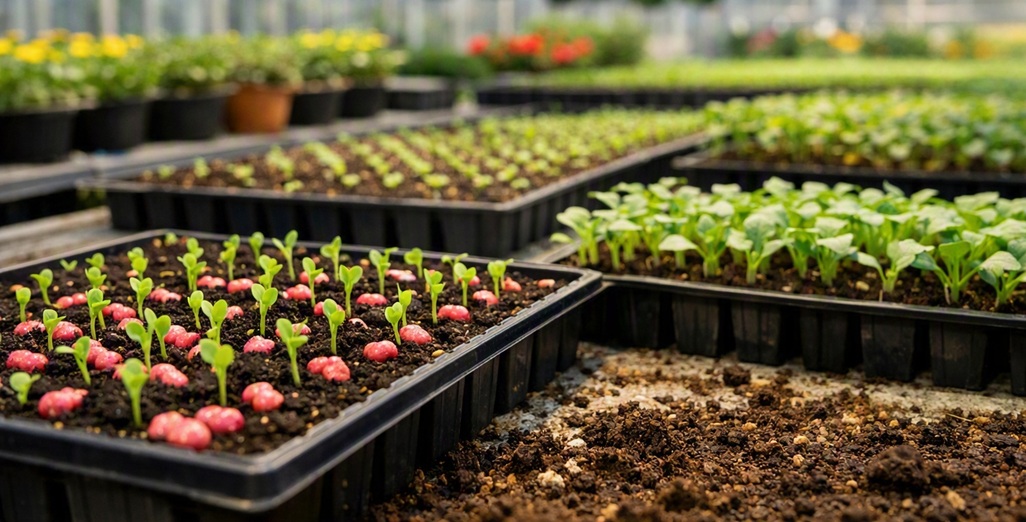
The University of Tasmania is investing in the future of Australian agriculture with the development of a state of the art research greenhouse complex at its Newnham Campus in Launceston.
August 25, 2026
EPA seeks feedback about treated seed
The Environmental Protection Authority (EPA) is asking for feedback on a proposed group standard for treated seed.

August 25, 2026
A Well-Deserved Thank You to Barry O’Neil
Eight years at the helm of TomatoesNZ recognised with Lifetime Achievement Award. At the recent Covered Cropping NZ Conference and TomatoesNZ AGM, Barry O’Neil was presented with a Lifetime Achievement Award in recognition of his outstanding contribution to TomatoesNZ and the wider covered cropping industry. The award also marked the end of an eight-year chapter, with Barry stepping down after eight years as Chair of the TomatoesNZ Board.
August 11, 2026
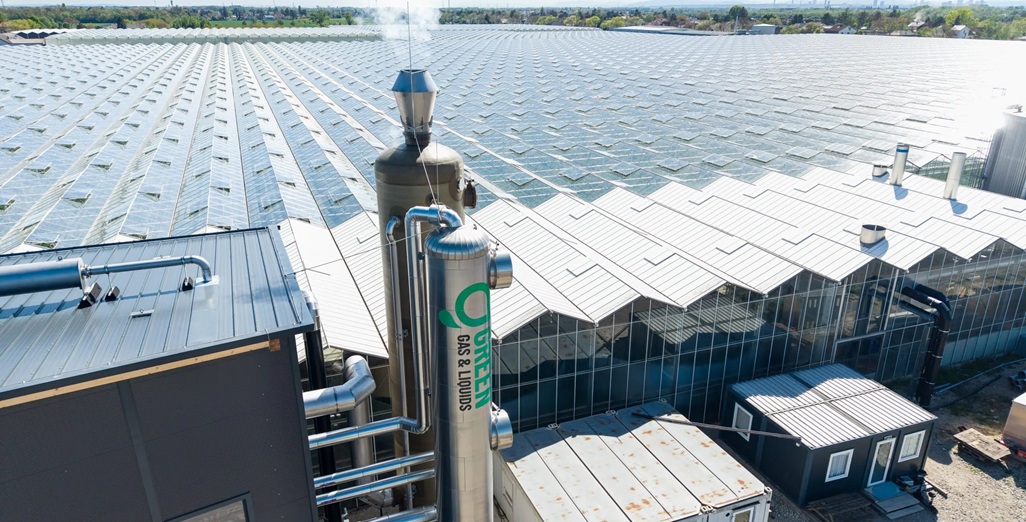
CO₂ Capture for Greenhouses Without Liquefaction —
How Galloxol® Changes the Economics
July 14, 2026
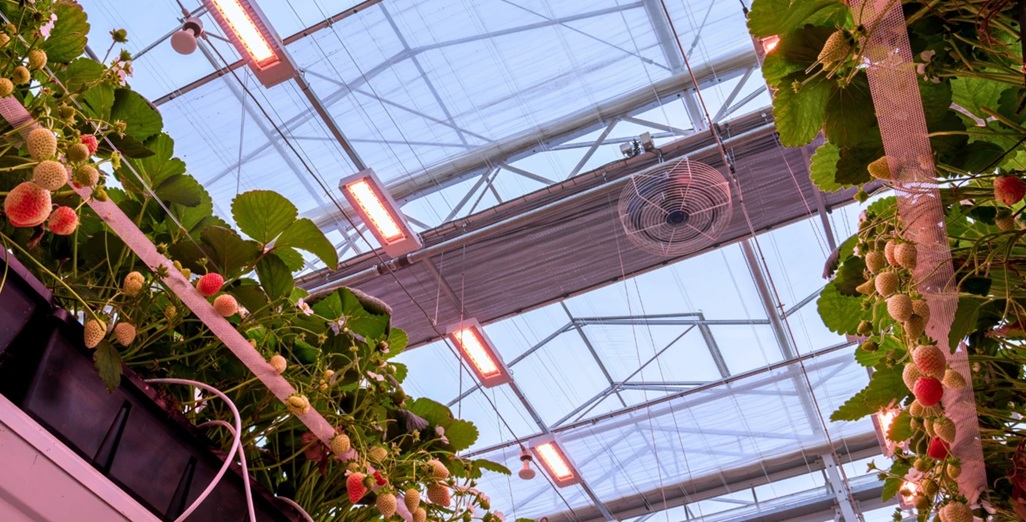
More air movement, fewer gaps, more energy savings
"The major challenge in the energy transition is to continue growing healthy and vital crops with less energy"
July 13, 2026
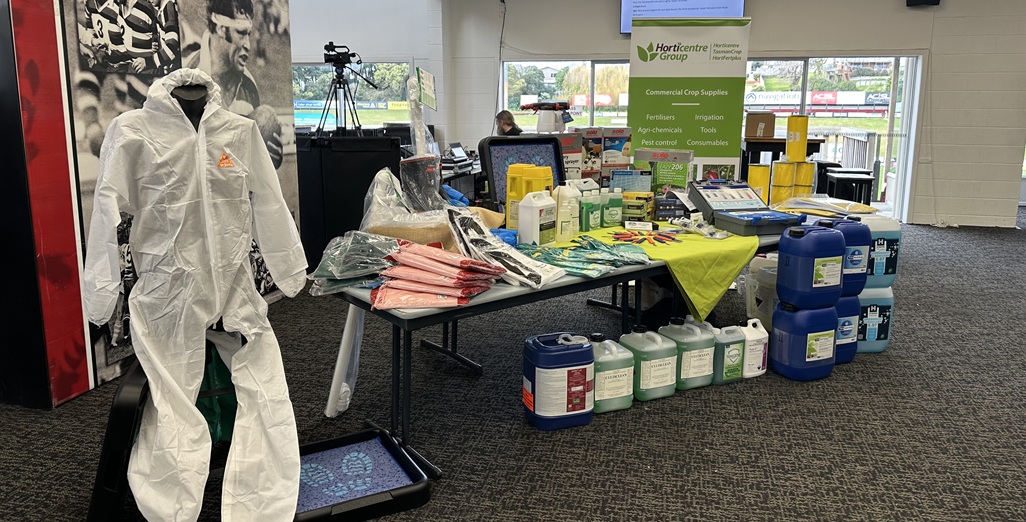
Covered Cropping NZ Conference: A Day of Practical Learning and Industry Connection
Wednesday, 12 August, at LaValla, Tuakau, South Auckland
CLASSIFIED