
Sign up here to subscribe to the Grower2grower Ezine. Every two weeks you will receive new articles, specific to the protected cropping industry, informing you of industry news and events straight to your inbox.
17
Dec 2025
Dec 2025
Why energy is now a strategic risk (2025 Grower2Grower overview of energy and looking forward)
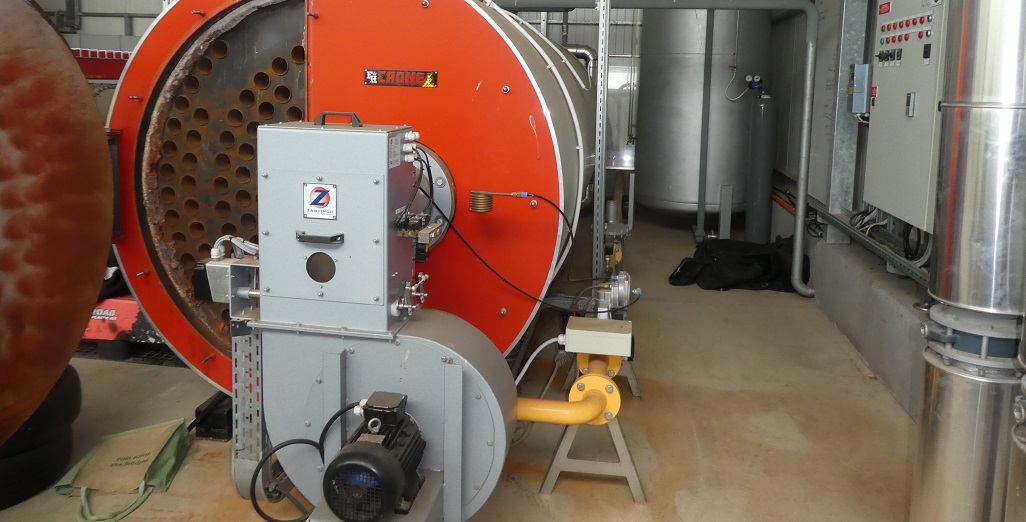
What Tomato, Cucumber, Capsicum and Capsicum Growers Need to Know (And other heated greenhouse crops)
Energy has shifted from a manageable operating cost to a strategic production risk for New Zealand’s protected-cropping sector. In 2025, growers are facing a convergence of structural changes that directly affect whether heat is available when it is needed, not just what it costs.
Key issues affecting growers
- Declining gas supply
- Reduced exploration and falling reserves mean long‑term gas contracts are harder (impossible) to secure.
- Shorter contracts and greater price volatility increase exposure during cold or high‑demand periods.
- Gas remains critical for crops needing fast, controllable heat (tomatoes, cucumbers, capsicums, eggplants), especially in winter and shoulder seasons.
- Rising and volatile energy costs
- Electricity prices are increasingly sensitive to dry years and peak demand.
- ETS settings and emissions costs continue to pressure fossil‑fuel users.
- Energy costs now represent a material threat to margins, not just an overhead to be managed.
- High cost of fuel switching
- Alternatives such as heat pumps, biomass, geothermal or hybrid systems are technically viable but capital‑intensive.
- Infrastructure, permitting, fuel logistics and space requirements often limit options, especially on existing sites.
- Government co‑funding helps, but will never cover full conversion costs. (
- Uneven regional impacts
- Growers near geothermal resources or industrial heat sources have a advantage, although this land is more problematic with soil types and earthquake risks. Locations away from key markets also problematic.
- Others face higher costs, fewer options, or forced compromises in crop choice or production period.
What this means over the next 5 years
- Greater uncertainty around winter heating security
- Increased pressure to shorten seasons or reduce winter production
- Higher (MUCH HIGHER) consumer prices as energy costs are passed through. Increasing the risk of imports further reducing NZ food security. (huge increase in carbon footprint)
- More staged, reactive investment rather than clean, one‑off transitions
- Competitive advantage for operations with diversified or low‑carbon heat sources
Practical actions for growers (now)
Short‑term (0–2 years)
- Lock in fuel contracts where possible and understand worst‑case scenarios
- Optimise climate strategies: screens, humidity control, heat retention, crop balance
- Review crop density and generative strategies to reduce unnecessary heat demand
Medium‑term (2–5 years)
- Develop a staged fuel‑switch plan (hybrid systems often make sense)
- Investigate EECA and regional co‑funding early — timelines are long
What it means for new greenhouse builds
For new builds, energy must now be a core design input, not an afterthought. Assumptions based on cheap, long-term gas availability are increasingly risky. New structures should be designed from day one to minimise heat demand and maximise flexibility:
- High-performance thermal screens and multi-screen strategies
- Humidity control using appropriate fans.
- Space and infrastructure allowances for future fuel switching
Building for flexibility, even at higher upfront cost, is rapidly becoming essential for long-term resilience.
Bottom line
Energy is no longer just an operational cost — it is a strategic constraint. Growers who plan early, improve efficiency, and transition in stages will be far better positioned than those waiting for certainty. The transition will be uneven and imperfect, but proactive planning is now essential to protect production, profitability, and long‑term viability.
Below Overview of articles from MBIE and Grower2Grower from 2025
New Zealand’s energy picture is shifting fast: national data show renewables growing to record shares of primary energy, but at the same time domestic supplies of key fossil fuels—especially natural gas—are shrinking far quicker than previously modelled. MBIE’s Energy in New Zealand 2025 highlights increasing renewable electricity supply while also documenting the fall in non-renewable production that many process-heat users rely on. That creates a tighter transition window for industries that historically depended on cheap, dispatchable gas. MBIE
Grower2Grower has repeatedly flagged how that gas decline directly threatens protected-cropping. Several features explain the problem: exploration and investment in new gas supplies have waned after policy shifts (and earlier bans), reserve volumes have fallen substantially, and modelling now suggests supply could tighten faster than growers expected. For high-energy, high-heat operations (tomato, cucumber, capsicum, eggplant hothouses) this isn’t a distant nuisance — it’s a business continuity risk. Grower2Grower+1
Cost and capital are twin pain points. Growers facing steep conversion costs to switch heating systems (from gas boilers to heat pumps, wood energy, geothermal or electric systems), while policy changes to ETS allocations and the price of emissions have squeezed margins and investment cases. Smaller operators are particularly exposed because the upfront capital for new systems is large and available low-cost alternatives are geographically limited. The result: many growers will be forced to delay or partially implement fuel-switching, leaving them vulnerable to price shocks and supply shortfalls. Grower2Grower
Practical alternatives exist but aren’t a silver bullet. Pilot projects where growers reduced energy use via heat pumps and other efficiency measures. Industry guidance highlights wood fuel, geothermal and biomethane as options — but each has limitations (scale, permitting, availability of biomass, or geographic constraints for geothermal). Government support programmes such as EECA’s fuel-switching funds help, but they don’t fully cover conversion costs nor solve region-specific supply constraints. That mismatch — between technical options and real-world feasibility — will keep transitions expensive and piecemeal. Grower2Grower+1
What this means for the next few years: more relocation or consolidation of high-heat crops to geothermal or industrial-heat zones, reactive rather than strategic investments by risk-averse operators, higher consumer prices for greenhouse produce when growers pass on costs, and ongoing exposure to policy and market volatility. For advisers and operators, the immediate priorities remain energy audits, staged fuel-switch planning, and advocating for targeted regional solutions (shared heat sources, investment incentives, and realistic transition timelines). Without those practical, locally tailored responses the sector will continue to feel the squeeze of falling gas supplies and rising transition costs well into the latter half of the decade. Grower2Grower+1
For more information email stefan@grower2grower.co.nz
CLASSIFIED



















Photo
Gallery














Subscribe to our E-Zine
More
From This Category
March 10, 2026
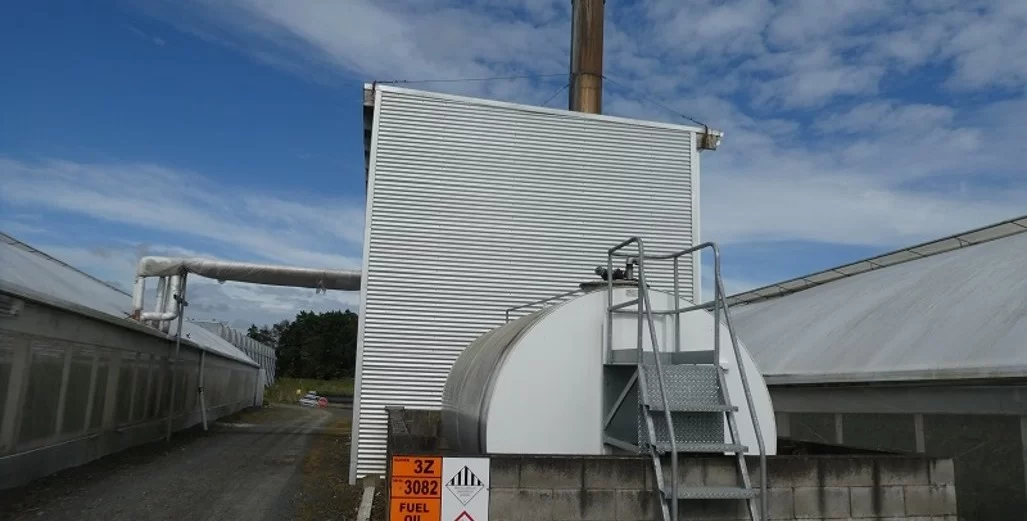
Energy saving through screens
A combination of screen use, screen quality, greenhouse climate requirements, and greenhouse equipment.
March 10, 2026
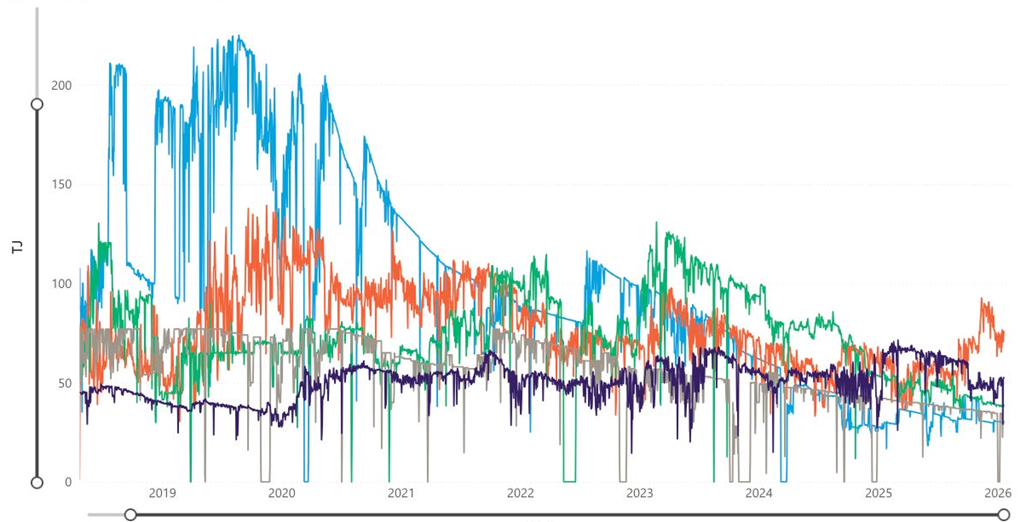
Heating Uncertainty Leaves Greenhouse Growers Searching for Answers
Waste oil supply changes force growers to reconsider long-term heating options ahead of winter. Two weeks ago I was alerted that one of the major recycled waste oil suppliers, based in the Auckland region, will soon stop supplying greenhouse growers. For one of my customers this came as a significant shock, particularly given that notice was given that deliveries will cease in the coming months –
February 23, 2026
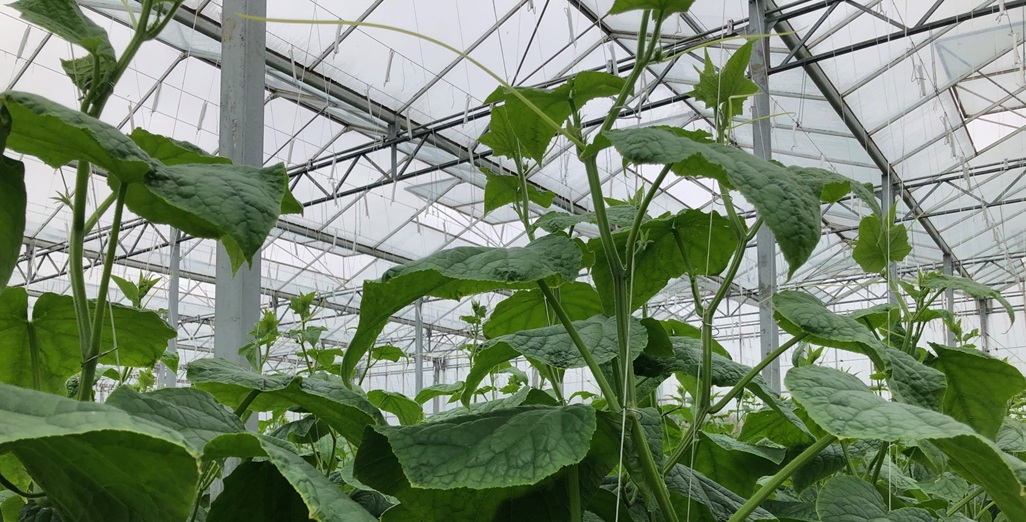
New Zealand’s 2026 Energy Stock-Take – Part 2 – Natural Gas
New Zealand’s Nord Stream moment. That sucking-straw sound at the bottom of the glass and suddenly a gaping hole emerges in the New Zealand energy landscape
December 29, 2025
Best of 2025 – 79.2% decrease in Emission Trading Scheme (ETS) allocations for South Auckland Cucumber Grower
Chickens come home to roost for Greenhouse Growers
December 17, 2025
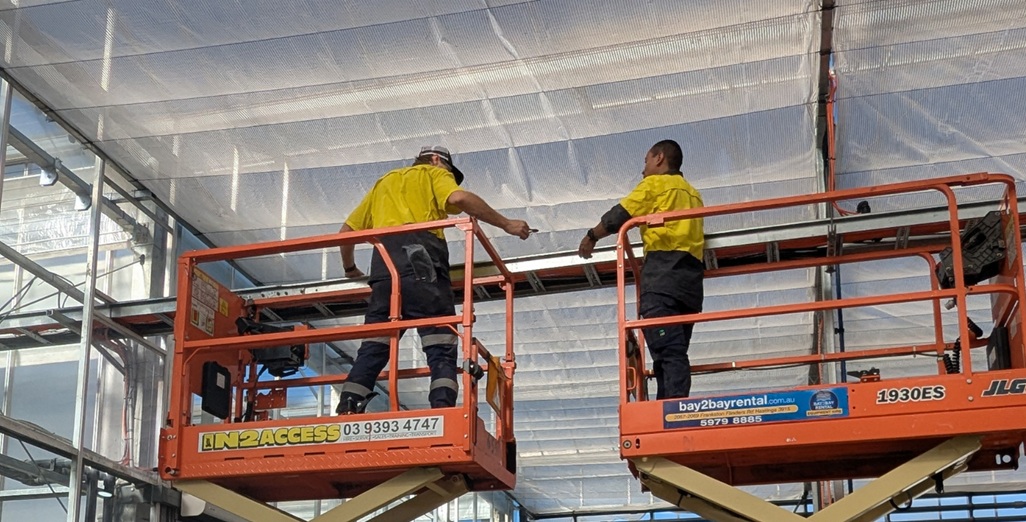
Ball Australia Boosts Climate Control with New Blackout Screen Upgrade
'Powerplants partnered with Ball Australia to deliver a full blackout screen replacement, supported by detailed mechanical, electrical, and irrigation work'
December 17, 2025
Why energy is now a strategic risk (2025 Grower2Grower overview of energy and looking forward)
What Tomato, Cucumber, Capsicum and Capsicum Growers Need to Know (And other heated greenhouse crops). Energy has shifted from a manageable operating cost to a strategic production risk for New Zealand’s protected-cropping sector. In 2025, growers are facing a convergence of structural changes that directly affect whether heat is available when it is needed, not just what it costs.
CLASSIFIED