

Sign up here to subscribe to the Grower2grower Ezine. Every two weeks you will receive new articles, specific to the protected cropping industry, informing you of industry news and events straight to your inbox.
25
Mar 2019
Mar 2019
Why light transmission is so important
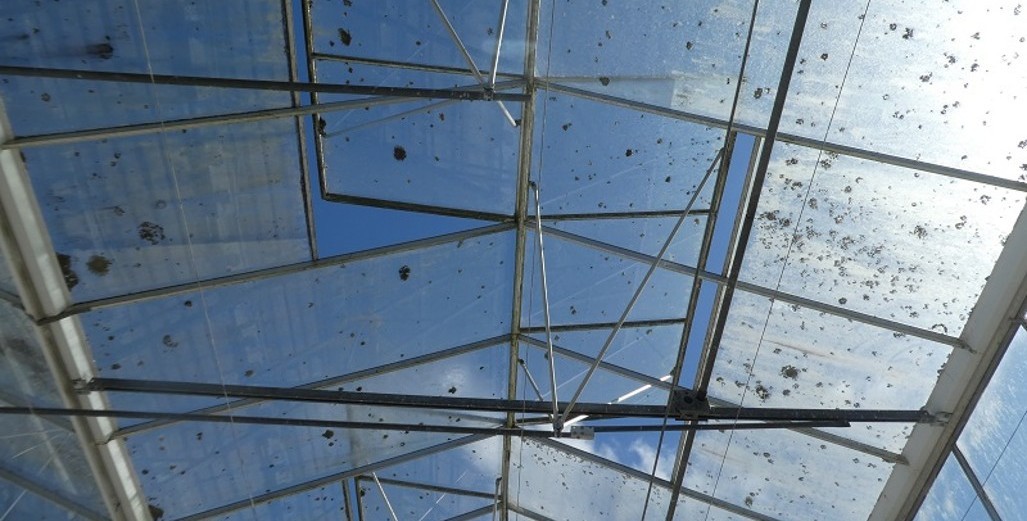
Not cleaning your roof reduces income potential
I took this photo last week. When I viewed it closely on my computer I was surprised. While I was looking up taking the photo I could see the glass was dirty, but with the naked eye it honestly did not appear to be as dirty as the photo suggests. However, this glass is in need of cleaning and this image definitely illustrates that.
As we are approach the end of March, light levels are decreasing. In April the natural reduction of light, penetrating to your crops, will negatively impact on production. One percent reduction in light equals less production. Fifteen percent reduction in light equals a LOT less production. The problem equating the loss of light with a loss of production is difficult because it is not always measured. For example, if you never had the production in the first place how do you know you have lost production. Well that’s easy to answer, you have. Growers that keep historical production figures will have an advantage if their crop cycles are similar each season.
There are a few issues surrounding cleaning greenhouse roofs, and one of those concerns is the health and safety requirements for staff when cleaning. I have been attempting to find an answer to this concern, the possible solution found is in the trial phase. Currently, the only option, if you don’t have an automatic roof washer, is to climb on the roof with your hose and brush and give it a good old scrub. There are companies that specialise in water blasting and cleaning glasshouse roofs but the cost of this can be off putting for growers. However, this concern should be counterbalanced with the potential loss in production. As an advisor I want your roof clean for the best possible light penetration. This is another reason why I am so keen on the anti-condensation coatings.
Winter is approaching, within reason your heating bill will be the same if your greenhouse roof is clean or not. In the past cleaning your roof was an annual job that was a “must do” now it seems to be a job that is put in the “too hard basket”. This does affect smaller grower’s more than large companies, as larger companies own their own automatic roof washers that clean their greenhouse roofs multiple times a year.
Personally, I never liked doing this job and possibly don’t have the nerve for it anymore (let a forward pack run over me any day of the week, like they used to!) but there are companies that have specialised teams that carry out this essential task on your behalf.

I appreciate your comments. Please feel free to comment below or on the grower2grower Facebook page:
https://www.facebook.com/StefanGrower2grower/
Article Written by Stefan Vogrincic, Consultant, Grower2Grower
Article Edited by Marie Vogrincic, Editor, Grower2Grower
CLASSIFIED










Subscribe to our E-Zine
More
From This Category
September 7, 2026
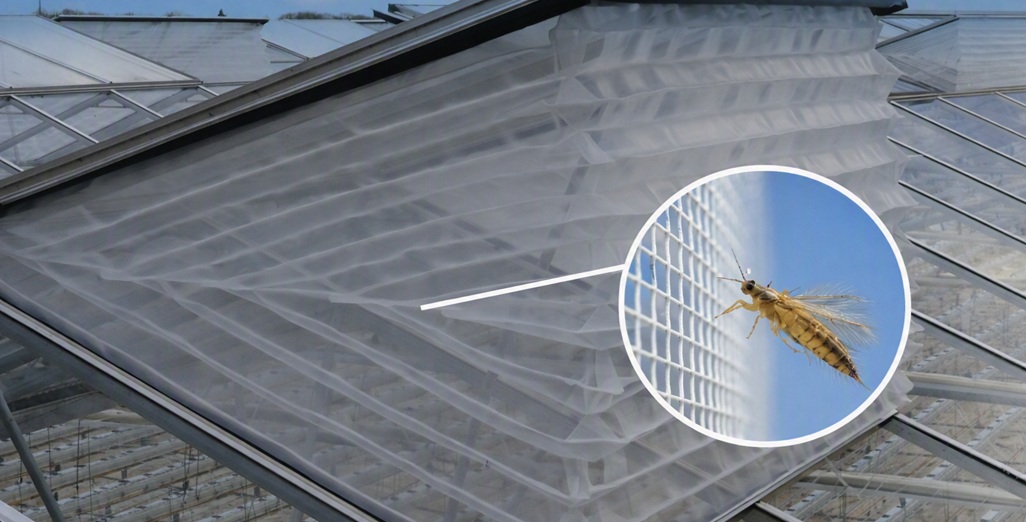
Keeping the Door Shut: Are Insect Screens the Next Step in Greenhouse IPM?
As thrips and other pest pressures continue to increase, it may be time to rethink how we stop pests entering the greenhouse in the first place. As we head into spring, and following the recent Mini Covered Cropping NZ Conference, one pest issue continues to stand out: the ever-increasing threat posed by thrips.
August 11, 2026
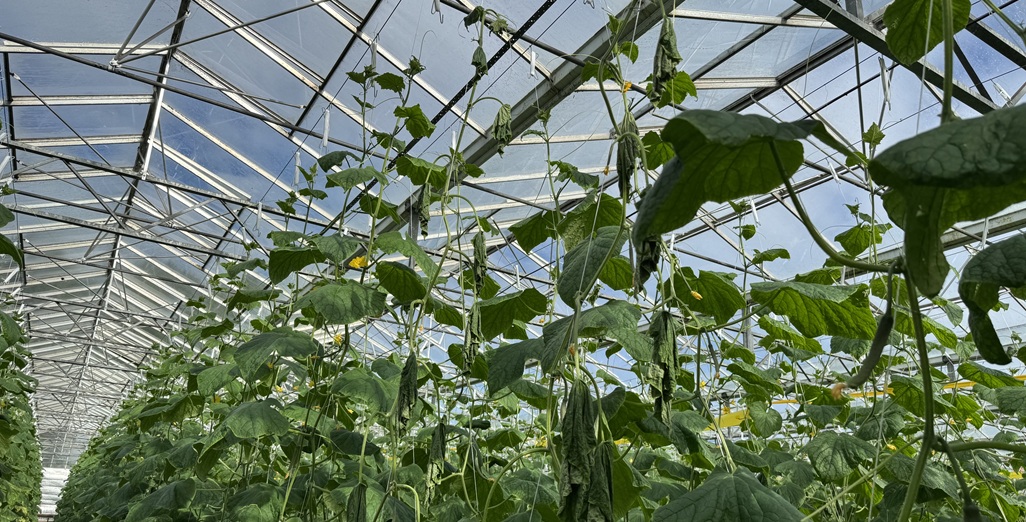
Cucumber Grafting: Insurance Policy or Unnecessary Cost?
Grafting can provide a stronger root system and valuable insurance against root-zone problems – but it won’t protect the canopy from fungal disease.
July 27, 2026
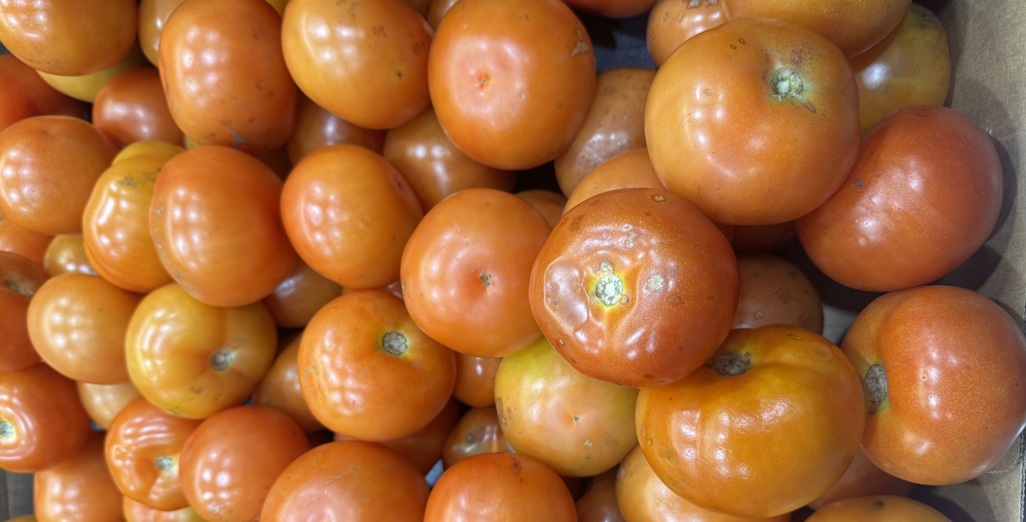
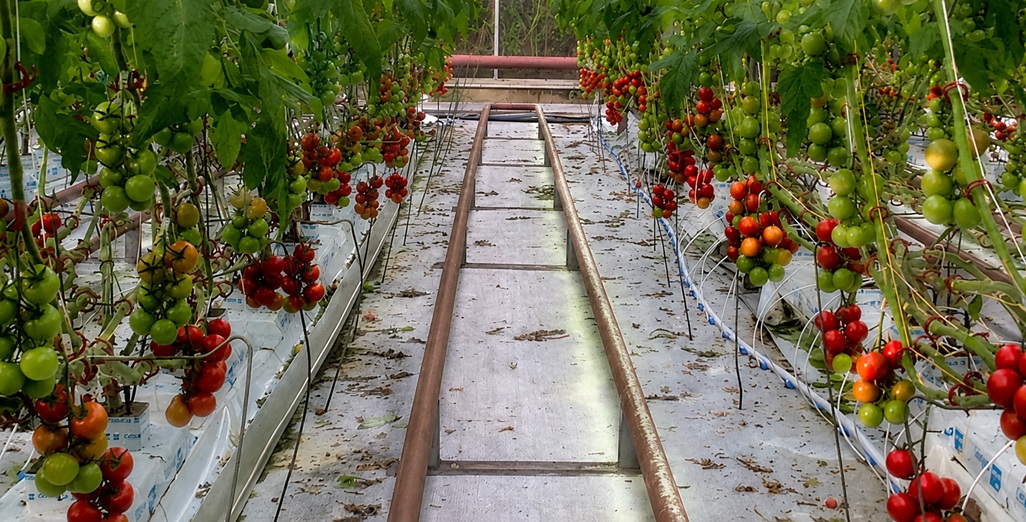
Combating Leaf Mould and Powdery Mildew in Greenhouse Tomatoes 2026
It's been eight years since I first wrote about controlling leaf mould. While many of the principles still apply, growers now have more tools available, making it a good time to revisit what works and where disease management is heading.
July 27, 2026
GrowWise smart spectrum helps growers save energy or boost crop growth through automated spectrum optimization
“With just a few clicks, we achieved approximately 2% more light on the crop”
July 13, 2026
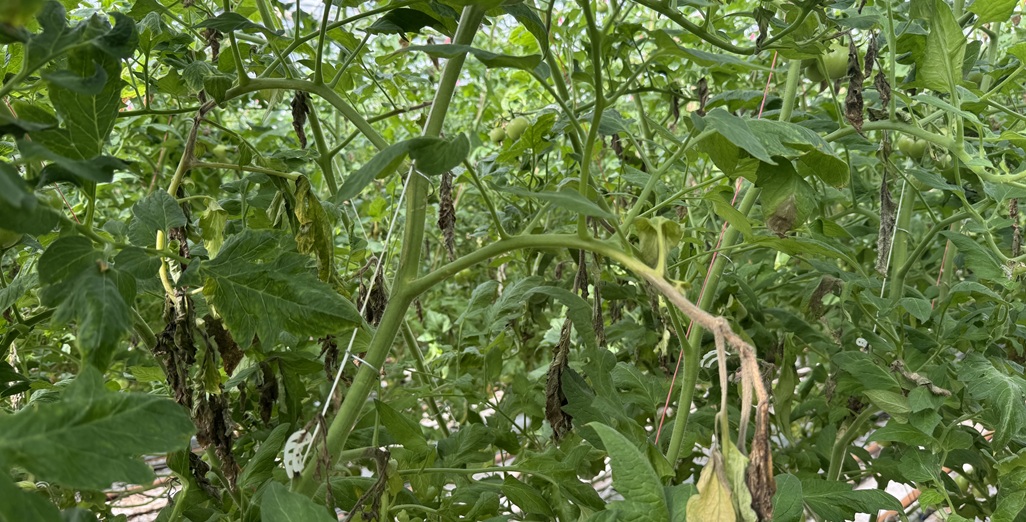
Why Botrytis has become such a challenge this winter
The objective is not to grow a vegetative crop or a weak generative crop. The objective is to grow a balanced crop with enough vigour to support the fruit load while maintaining healthy leaf quality.
CLASSIFIED