
Sign up here to subscribe to the Grower2grower Ezine. Every two weeks you will receive new articles, specific to the protected cropping industry, informing you of industry news and events straight to your inbox.
13
Apr 2021
Apr 2021
Working Capital

Supplied by Mat Wood – Crediflex
The following is not to be considered financial advice. For more detail specific to your situation, please contact the writer.
Working Capital is effectively the amount of money that your business has sitting in its bank account that can be used to run the business and pay for day-to-day expenses. If you have a shortage of working capital then your business will struggle to pay its bills on time and might need help. Often there can be a gap between when you need to pay your expenses and when your hard-earned money will come in. Subject to approval, this gap can be helped by some of the finance options listed below.
- Obtain an Unsecured Overdraft Facility – this is not secured against any property or assets and can be used on an ongoing basis. Pay your expenses using this, and then top it back up once your money comes in. You're charged interest monthly only on the amount that you use on a daily basis.
- Obtain an Unsecured Term Loan – this is not secured against any property or assets and your business is just given a lump sum of cash. This is repaid in monthly instalments of principal and interest over the term of the loan.
- Obtain a Secured Term Loan – this is often called a cash raise against existing assets because your business can offer an unencumbered/freehold asset such as a car, truck or digger to the lender as security for the loan. This is repaid in monthly instalments of principal and interest over the term of the loan. This is cheaper than the above two unsecured options because the lender has security they can repossess and sell to repay the loan if things don't work out.
- Obtain an Invoice Finance Facility – this is when a finance company will give you a percentage of your outstanding invoices straight away so that you don't have to wait 30, 60 or 90 days for that money to come in. The finance company will then receive their money when the end customer pays the invoice, along with taking a small margin. Some finance companies will finance a percentage of your total invoices, and some will finance single invoices.
The above working capital finance solutions are often used when trying to get through unforeseen cashflow problems, making the most of an opportunity such as bulk buying discounts for large amounts of stock, or for growth/expansion purposes.
Other ways to increase working capital without the use of a bank or finance company can be:
- Generate more sales: A higher revenue is easier said than done but consider the services you are offering. Is there room for a price increase or even a new service?
- Rework your current debt: Look at where your debt is currently sitting. Can you refinance or consolidate loans to lower your debt repayments?
- Reduce inventory levels: Take a good look at your inventory and weigh up whether you need it all. Quick turnover equals profit – could that space be filled with something that won’t sit there for 12 months?
- Part with long-term: unprofitable assets: If a piece of equipment isn’t earning its keep, this might be the perfect time to sell it. Increasing your working capital means profits outweighing costs. If your asset isn’t profitable, get rid of it.
- Negotiate with your suppliers: Many suppliers will reward your regular business with a discount on stock prices. If you’re a frequent customer that is easy to deal with, pays on time and refers other custom to your suppliers, why not ask them if they can give you a better price?
- Negotiate with your customers: Reduce payment terms for select customers to ensure you are paid sooner than usual.
learn more about this article or to assist with finance solutions contact Mat today:
M: 027 346 6669
E: matwood@crediflex.co.nz
W: www.crediflex.co.nz
CrediFlex are New Zealand’s largest Commercial & Asset Finance Broker – specialists in finding finance solutions for your business
.jpg)
CLASSIFIED













Subscribe to our E-Zine
More
From This Category

October 20, 2026
Powerplants – Purpose built facility will support leading research in crop production
The University of Tasmania is investing in the future of Australian agriculture with the development of a state of the art research greenhouse complex at its Newnham Campus in Launceston.

August 25, 2026
EPA seeks feedback about treated seed
The Environmental Protection Authority (EPA) is asking for feedback on a proposed group standard for treated seed.

August 25, 2026
A Well-Deserved Thank You to Barry O’Neil
Eight years at the helm of TomatoesNZ recognised with Lifetime Achievement Award. At the recent Covered Cropping NZ Conference and TomatoesNZ AGM, Barry O’Neil was presented with a Lifetime Achievement Award in recognition of his outstanding contribution to TomatoesNZ and the wider covered cropping industry. The award also marked the end of an eight-year chapter, with Barry stepping down after eight years as Chair of the TomatoesNZ Board.
August 11, 2026
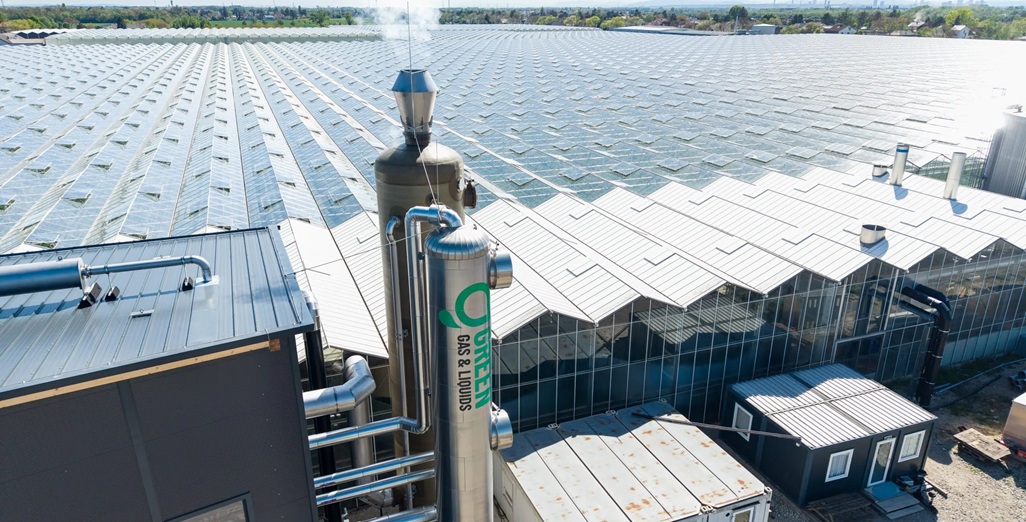
CO₂ Capture for Greenhouses Without Liquefaction —
How Galloxol® Changes the Economics

July 14, 2026
More air movement, fewer gaps, more energy savings
"The major challenge in the energy transition is to continue growing healthy and vital crops with less energy"
July 13, 2026
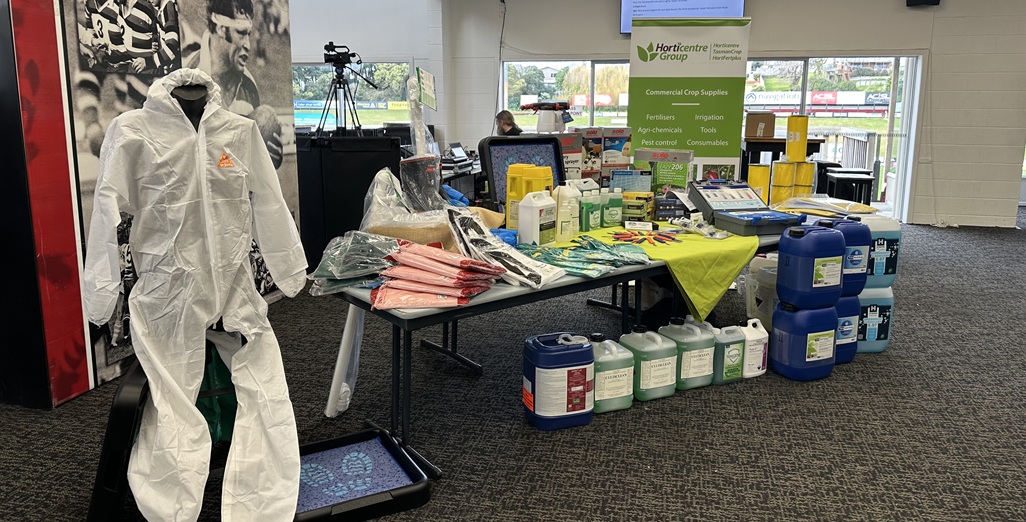
Covered Cropping NZ Conference: A Day of Practical Learning and Industry Connection
Wednesday, 12 August, at LaValla, Tuakau, South Auckland
CLASSIFIED