

Sign up here to subscribe to the Grower2grower Ezine. Every two weeks you will receive new articles, specific to the protected cropping industry, informing you of industry news and events straight to your inbox.
29
Dec 2025
Dec 2025
Best of 2025 – Velifer – A New Tool in the Tool Box to help control Whitefly and other Greenhouse Insect Pests Approved by EPA
Naturally effective pest management for protected crops (BASF)
The recent approval (EPA) and registration of Velifer a Biological Insecticide in New Zealand will be another (very) welcome tool for growers struggling with insect pests, in particular Whitefly. My advice before using Velifer, if you are using, Bumble bees for pollination or Integrated Pest Management, (IPM) is to discuss compatibility with your beneficial provider and your New Zealand supplier of Velifer when it becomes commercially available. All Information and downloadable resources are available on the BASF website – see link below.
Active ingredient(s): Beauveria bassiana strain PPRI 5339 (>8 x 10⁹ colony forming units per ml)
Formulation: Biological beneficial organism
Velifer® Biological Insecticide adds a new dimension to the management of a wide range of key insect pests within protected cropping structures. Velifer will help manage populations already controlled by conventional knockdown pesticides and complements the use of beneficial insects. Velifer is effective against populations that have developed resistance to conventional insecticides and can be used frequently right up to harvest.
Key Benefits:
- Protect against a wide range of insects
- Kills insects in 24-48 hours
- Effective against resistant populations
How It Works:
The active ingredient in Velifer® is Beauveria bassiana strain PPRI 5339, a naturally occurring fungus that doesn’t damage crop plants or affect beneficial insects, but colonises and kills insect pests that come into contact with it.
Each millilitre of Velifer contains about 8 billion fungal spores. On contact with the target insect, the spores germinate within 6–12 hours. As they germinate, they secrete enzymes that weaken the insect cuticle. The fungus then invades the host and continues to grow, with the fungal blastospores weakening the insect’s immune system. The weakened immune system, along with dehydration through the punctured holes, leads to insect death in 24–48 hours.
To read more on the EPA decision click here https://crop-solutions.basf.com.au/products/veliferhttps://www.epa.govt.nz/assets/FileAPI/hsno-ar/APP204676/APP204676-Decision.pdf
To read more form the BASF website on Velifer click here https://crop-solutions.basf.com.au/products/velifer
Click on the Video Link to learn more about Velifer.

CLASSIFIED


















Photo
Gallery









Subscribe to our E-Zine
More
From This Category

April 20, 2026
The Environmental Protection Authority (EPA) has approved a new fungicide seed treatment to control disease on potatoes.
The New Zealand potato industry is valued at approximately $1 billion annually, according to Potatoes New Zealand.
April 20, 2026
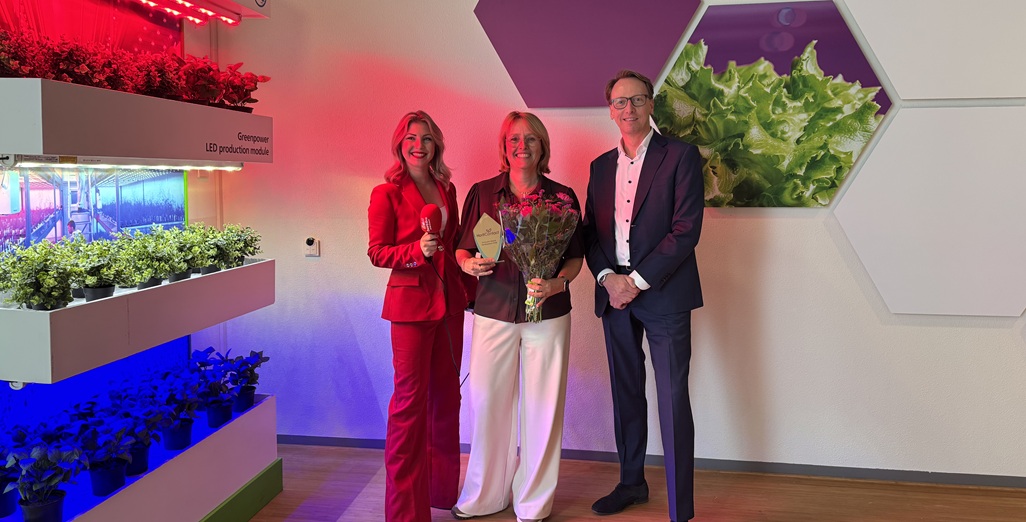
Signify wins HortiContact Innovation Award for Philips intelligent horticulture lighting solutions
“We are incredibly proud of this recognition”
April 7, 2026
Proposed import requirements for fresh blueberries (Vaccinium spp.) for human consumption
Make your submission
March 23, 2026
The Environmental Protection Authority (EPA) maintained the upward trend for hazardous substances decisions in the second quarter of the 2025-26 year.
Dr Lauren Fleury, Manager Hazardous Substances Applications, says the EPA continues to use rapid assessment pathways where possible. Of the 16 approved applications in the second quarter, 13 were decided by rapid assessment.

March 23, 2026
Source Advances Harvest Forecasting for Tomatoes with Next Generation AI Model
Fundamental changes to how the model learns and handles grower input mean significantly less manual work and meaningfully better accuracy.
March 10, 2026
Australia’s horticulture sector has delivered a year of record‑breaking performance
Highest production value to date of $18.4 billion, up 6% on the previous year.
CLASSIFIED