

Sign up here to subscribe to the Grower2grower Ezine. Every two weeks you will receive new articles, specific to the protected cropping industry, informing you of industry news and events straight to your inbox.
12
Jan 2026
Jan 2026
Response to fruit fly find in Mt Roskill update
Biosecurity New Zealand’s Oriental fruit fly response continues in Papatoetoe, Auckland, with no further fruit flies found
3rd March 2026
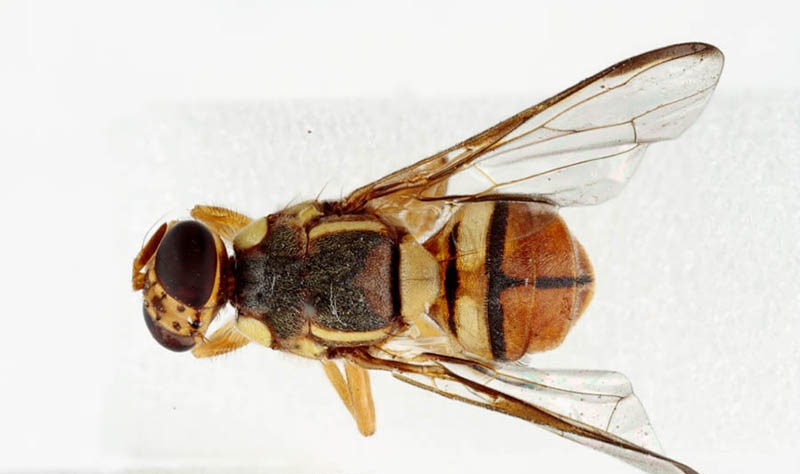
Four male Oriental fruit flies have so far been found in traps within our surveillance zone.
“Our team hit the ground running over the past several days, installing signs, setting additional traps, distributing fruit disposal bins, and sharing information with the community,” says Mike Inglis, Biosecurity New Zealand commissioner north.
“Staff are continuing to visit businesses, schools, and households to provide information and support and today they’ll be focused on those in the newly extended Zone A and B areas.”
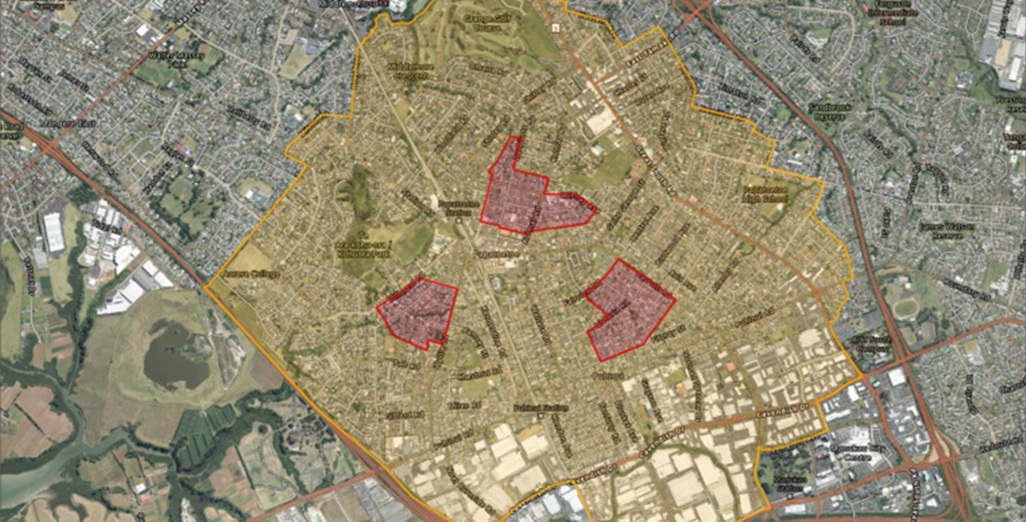
There are now 3 areas under Zone A restrictions, 200 metres around each fly detection, with their combined area including approximately 1,400 properties. Zone B has also been extended to account for the location of the new detections and now covers approximately 14,500 properties.
Residents in the 2 new areas subject to Zone A restrictions will receive a bin to securely dispose of their fruit and vegetable waste.
“There is one bin for each household in Zone A and bins are publicly available right across Zone B,” Mr Inglis says.
“An interactive map will be available on our website today showing the location of those Zone B bins, where you can search for your nearest bins based on your address.”
A map of the controlled area and a full description of the new boundaries and movement controls is available at:
Oriental fruit fly detection in 2026 in Papatoetoe, Auckland
A biosecurity operation has been under way in the area since last Wednesday, with legal controls in place on the movement of fruit and vegetables to help prevent any fruit flies spreading beyond the controlled area.
“We have a specialist team working in a mobile laboratory, collecting and inspecting fallen fruit for evidence of Oriental fruit fly,” Mr Inglis says.
“Since the response began, they have sliced and examined a significant amount of this windfall fruit.”
For further information and general enquiries, call MPI on 0800 008 333 or email info@mpi.govt.nz
For media enquiries, contact the media team on 029 894 0328.
CLASSIFIED



















Photo
Gallery






Subscribe to our E-Zine
More
From This Category
April 20, 2026
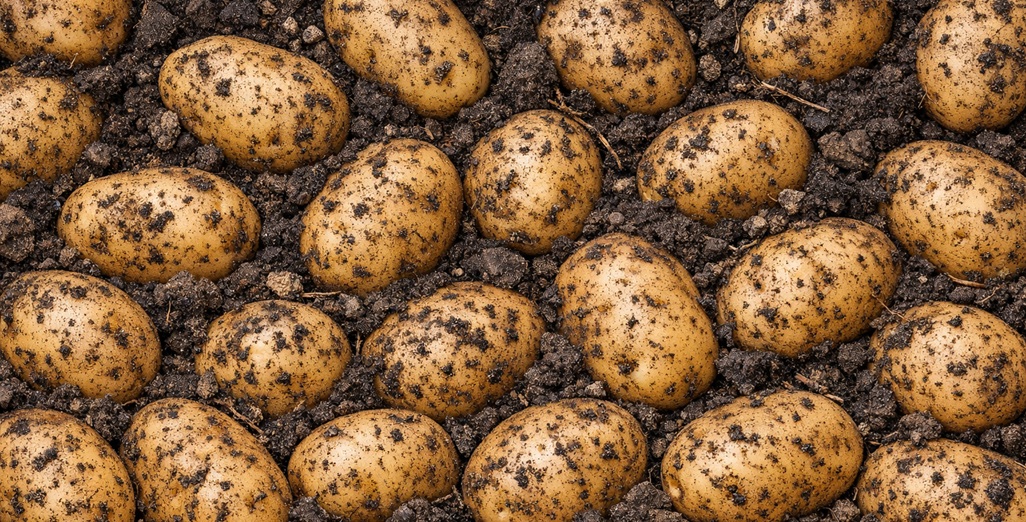
The Environmental Protection Authority (EPA) has approved a new fungicide seed treatment to control disease on potatoes.
The New Zealand potato industry is valued at approximately $1 billion annually, according to Potatoes New Zealand.
April 20, 2026
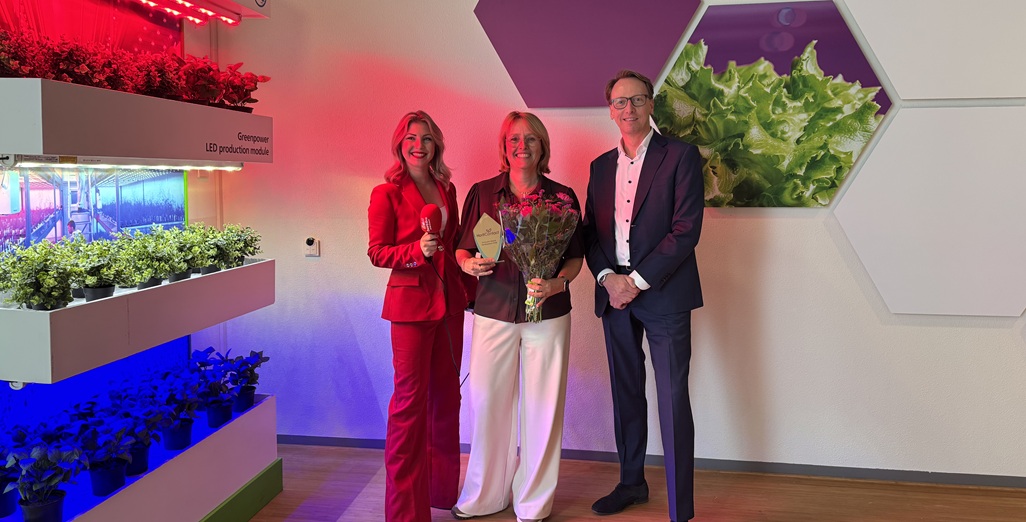
Signify wins HortiContact Innovation Award for Philips intelligent horticulture lighting solutions
“We are incredibly proud of this recognition”
April 7, 2026
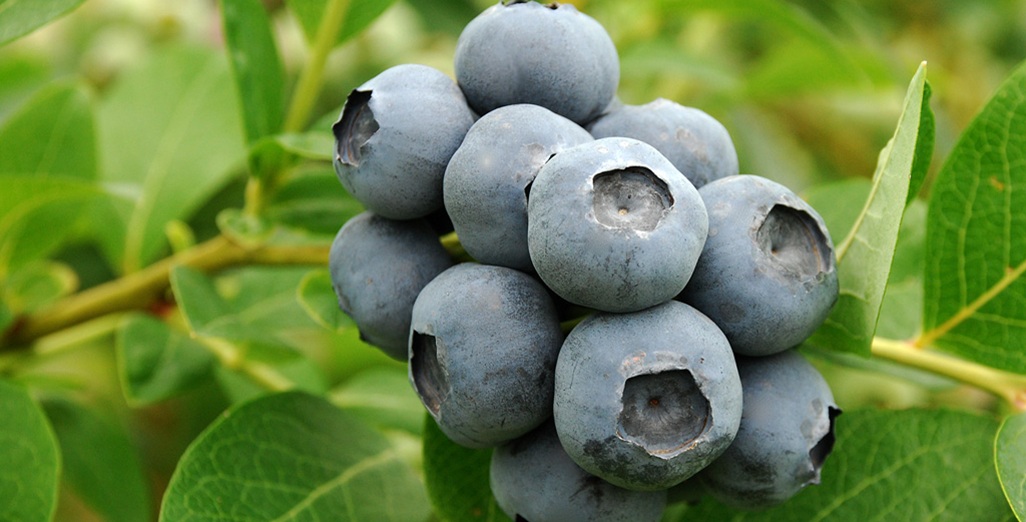
Proposed import requirements for fresh blueberries (Vaccinium spp.) for human consumption
Make your submission
March 23, 2026
The Environmental Protection Authority (EPA) maintained the upward trend for hazardous substances decisions in the second quarter of the 2025-26 year.
Dr Lauren Fleury, Manager Hazardous Substances Applications, says the EPA continues to use rapid assessment pathways where possible. Of the 16 approved applications in the second quarter, 13 were decided by rapid assessment.

March 23, 2026
Source Advances Harvest Forecasting for Tomatoes with Next Generation AI Model
Fundamental changes to how the model learns and handles grower input mean significantly less manual work and meaningfully better accuracy.
March 10, 2026
Australia’s horticulture sector has delivered a year of record‑breaking performance
Highest production value to date of $18.4 billion, up 6% on the previous year.
CLASSIFIED