
Sign up here to subscribe to the Grower2grower Ezine. Every two weeks you will receive new articles, specific to the protected cropping industry, informing you of industry news and events straight to your inbox.
10
Mar 2026
Mar 2026
Energy saving through screens
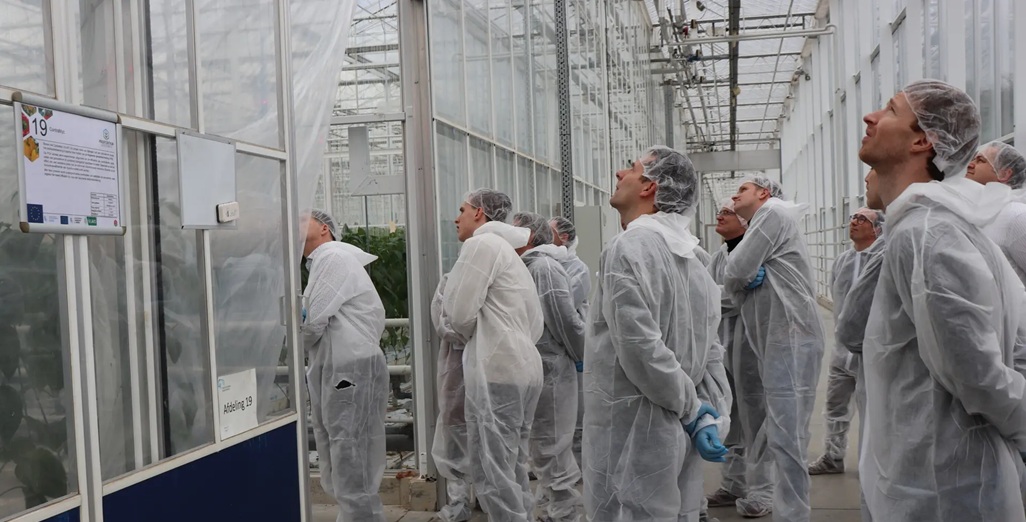
A combination of screen use, screen quality, greenhouse climate requirements, and greenhouse equipment.
The European Interreg project Energlik outlines the contours of a fossil-free horticultural sector. Fossil-free horticulture means that the company no longer uses natural gas or other fossil fuels. This goal can be achieved by heating greenhouses with biofuels, using geothermal energy, or by using an electrically powered heat pump. Where electricity is required, it is assumed that it comes from sustainable sources. While this is often not yet the case, the share of sustainably produced electricity in the total mix is growing and is being encouraged in many ways.
In various research, demonstration, and even practical greenhouses, the aforementioned alternative heat sources have proven technically feasible, but under current economic conditions, they are often unfeasible from a business perspective. A major reason why alternative heat sources are still rarely used is the widespread use of combined heat and power (CHP). In this system, growers use natural gas to generate electricity for their own use or for sale to the public grid. The heat released is then used as a cheap heat source. However, this practice is incompatible with the phasing out of fossil fuels to which the horticultural sector has committed itself. As a result, heat will change from a cheap residual product to a significant cost item in the coming years.
Substantially reducing the heat demand of greenhouses will help horticultural entrepreneurs keep heating costs under control. The Energlik project is generating and sharing theoretical and practical knowledge about possibilities for this. The main areas of focus are adjustments to the greenhouse climate (particularly accepting higher humidity), intensifying the use of existing screens, using improved screens and using energy-efficient dehumidification equipment.
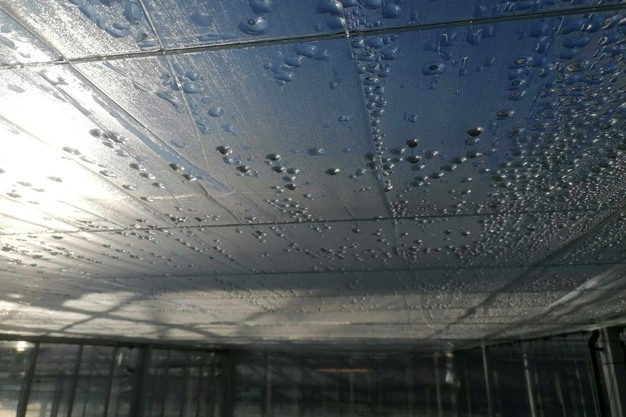
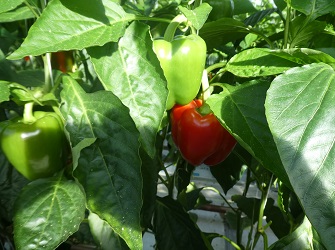
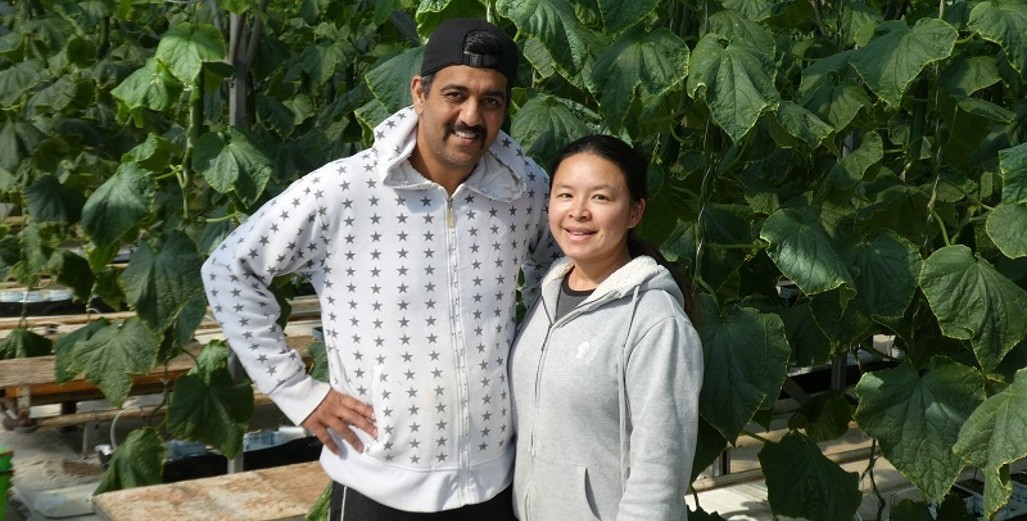
In the field trials with bell peppers, tomatoes, and cucumbers, the heat demand could be roughly halved compared to the reference value by using double or even triple screens, higher humidity, and dehumidification equipment. The reference value is a crop with a single screen, which is also used for fewer hours. The energy-efficient tomato and cucumber crops also used dehumidification equipment based on a heat pump. This allows the greenhouse to be dehumidified without opening windows or using a screen gap, and the latent heat from the excess water vapor is used to heat the greenhouse. This allows the heat pump to meet a large portion of the heat demand. Calculations indicate that with such a dehumidification system, gas consumption can be reduced to below 10 m³/(m² per year) for unlit tomatoes and below 3 m³/(m² per year) for lit cucumbers. Naturally, the use of a heat pump significantly increases electricity demand; between 30 and 40 kWh/(m² year).
Continue reading here
https://interregvlaned.eu/nieuws/energiebesparing-door-schermen
CLASSIFIED












Photo
Gallery


Subscribe to our E-Zine
More
From This Category
September 22, 2026
New screens as a response to rising energy cost
"The cheapest energy ultimately remains the energy you do not need to purchase"
August 25, 2026
Why Are Growers Not Using the Geothermal Calculator?
A free tool has been developed specifically for New Zealand’s covered crop industry – so why aren't more growers using it?
August 11, 2026
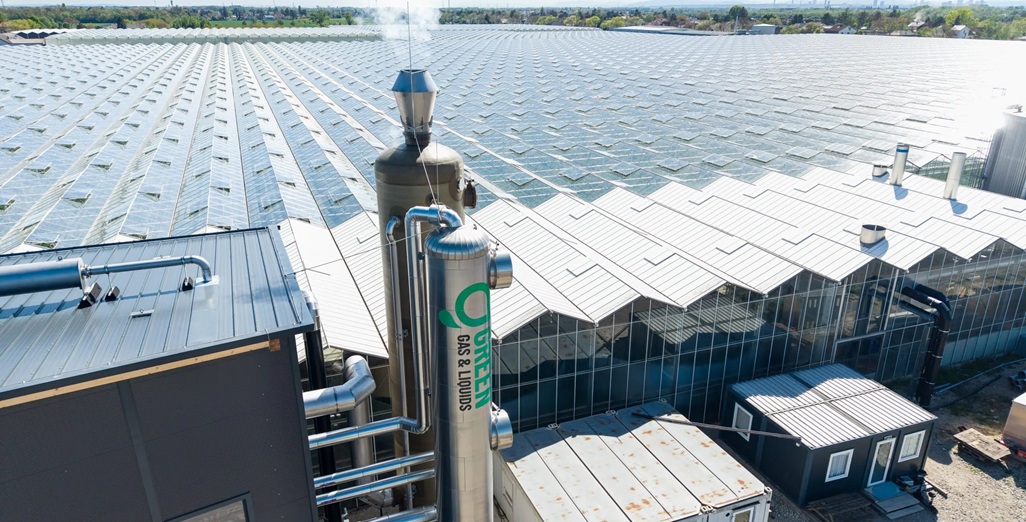
CO₂ Capture for Greenhouses Without Liquefaction —
How Galloxol® Changes the Economics
July 14, 2026
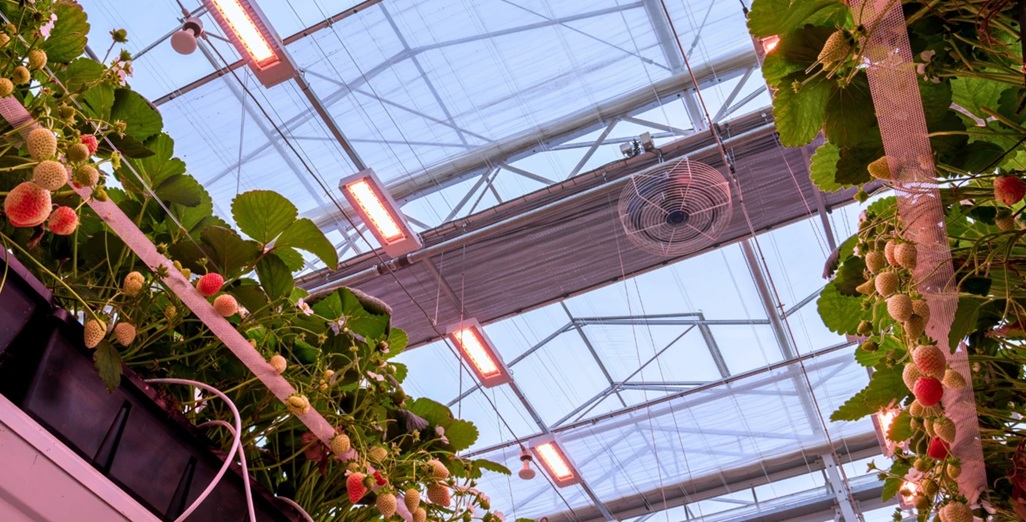
More air movement, fewer gaps, more energy savings
"The major challenge in the energy transition is to continue growing healthy and vital crops with less energy"
June 1, 2026
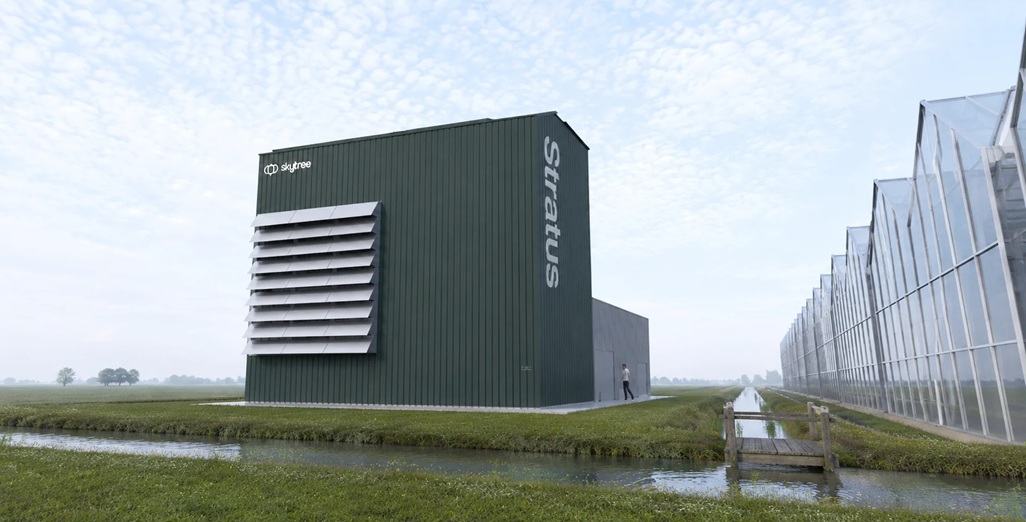
A major milestone has been reached in Direct Air Capture and agriculture
Strategic alliance will establish a decentralized, fossil-free CO₂ supply for a vital greenhouse cluster in the Netherlands that spans 80 hectares
June 1, 2026
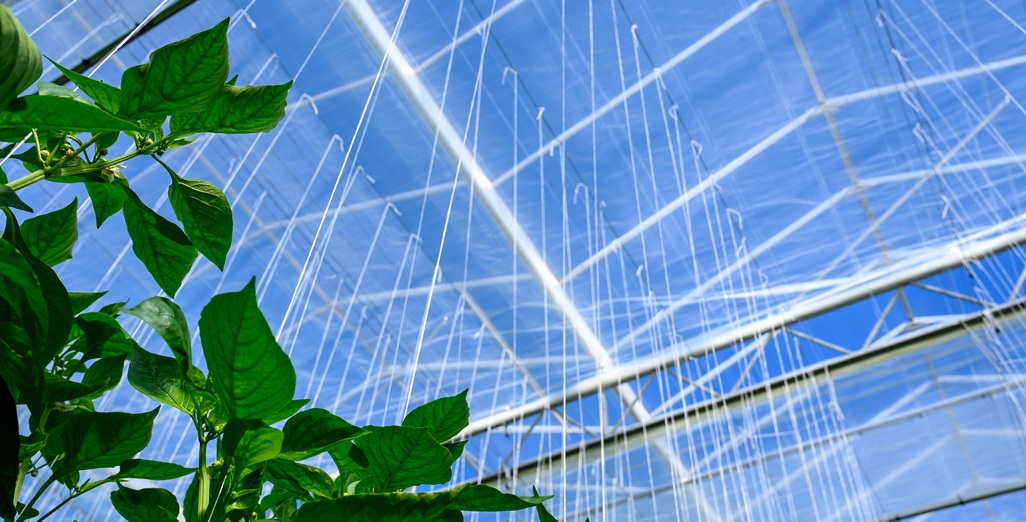
Phormium launches a new ultra-transparent energy screen: Diamond
The leading Belgian climate screen manufacturer Phormium announces the introduction of a brand-new revolutionary energy screen:
CLASSIFIED